1 hr ago
UN Meeting Tests Whether World Is Safer From Pandemics
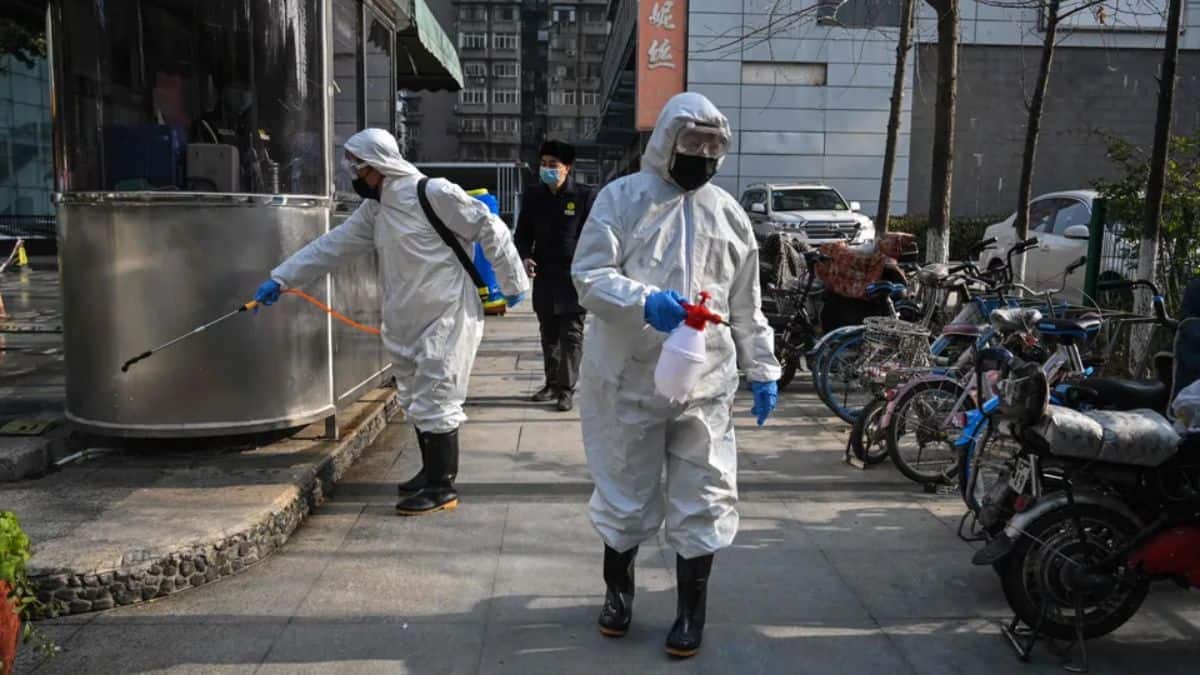
World leaders are meeting at the United Nations to talk about stopping future pandemics.
Countries have created new tools and agreements since SARS, COVID-19 and mpox outbreaks.
The World Health Organization Pandemic Agreement is meant to help countries work together and share important medical supplies.
Countries are still deciding how to share virus samples and ensure fair access to vaccines and medicines.
A global Pandemic Fund is also giving money to countries that need help preparing.
Disease-tracking systems have improved so new outbreaks may be noticed sooner.
However, many people still cannot get basic healthcare.
During COVID-19, rich countries had much higher vaccination rates than poor countries.
The meeting will test whether promises can become lasting funding, stronger health systems and fair access before the next pandemic begins.

World leaders and health officials are meeting at the United Nations to discuss pandemic prevention, preparedness and response.
The World Health Organization Pandemic Agreement was adopted on May 20, 2025, but its pathogen-sharing annex remains under negotiation.
The Pandemic Fund has approved $885 million in grants across its first two funding rounds, supporting 75 countries.
Pandemic intelligence and early-warning capabilities have expanded through investments in surveillance, genomic analysis and laboratory detection.
Major vulnerabilities remain, including weak health systems, unequal vaccine access and 4.6 billion people lacking essential health-service coverage in 2023.
- Who
- World leaders, health officials, United Nations member states and the World Health Organization.
- What
- A high-level meeting on pandemic prevention, preparedness and response.
- Where
- United Nations headquarters in New York.
- When
- Friday, from 10 a.m. to 6 p.m. local time; the Pandemic Agreement was adopted on May 20, 2025.
- Why
- To discuss how countries can prepare for future pandemics and public health emergencies, with an emphasis on equity and solidarity.
Signs of Progress
Unresolved Vulnerabilities
Global cooperation
Signs of Progress
The Pandemic Agreement, new financing mechanisms and updated international health rules give countries a stronger framework for cooperation.
Unresolved Vulnerabilities
The Pandemic Agreement cannot be fully implemented until countries resolve the pathogen-sharing and benefit-sharing annex.
Early detection
Signs of Progress
Improved surveillance, genomic analysis, data science and laboratory detection could help countries identify outbreaks earlier.
Unresolved Vulnerabilities
Detection tools may not be enough if countries lack strong primary healthcare systems to test patients, monitor disease and maintain care during surges.
Medical access
Signs of Progress
Equitable access to vaccines, medicines, diagnostics and protective equipment is now a central goal of pandemic planning.
Unresolved Vulnerabilities
The COVID-19 vaccine gap showed that low-income countries can remain unprotected while wealthier countries receive widespread vaccination and booster doses.
Key facts
- Pandemic Agreement
- Adopted by World Health Organization member states on May 20, 2025.
- Unresolved issue
- Countries are still negotiating the Pathogen Access and Benefit-Sharing annex on sharing pathogen samples and genetic information.
- Pandemic Fund
- Its first two funding rounds provided $885 million in grants for 75 countries.
- Additional financing
- The fund announced $2.8 billion in new international financing in October 2024.
- Health coverage gap
- An estimated 4.6 billion people lacked coverage for essential health services in 2023.
- Healthcare costs
- Some 2.1 billion people experienced financial hardship from out-of-pocket healthcare spending in 2022.
- COVID-19 vaccine gap
- In May 2022, 80% of people in high-income countries had received at least one dose, compared with 16% in low-income countries.
Sources
Related news
WHO Chief Says US Rejoining Global Health Agency Is Time
BRICS Declaration Urges Progress on Pathogen-Sharing Pandemic Annex
WHO Opens Pathway For Twelve Childhood Cancer Medicines
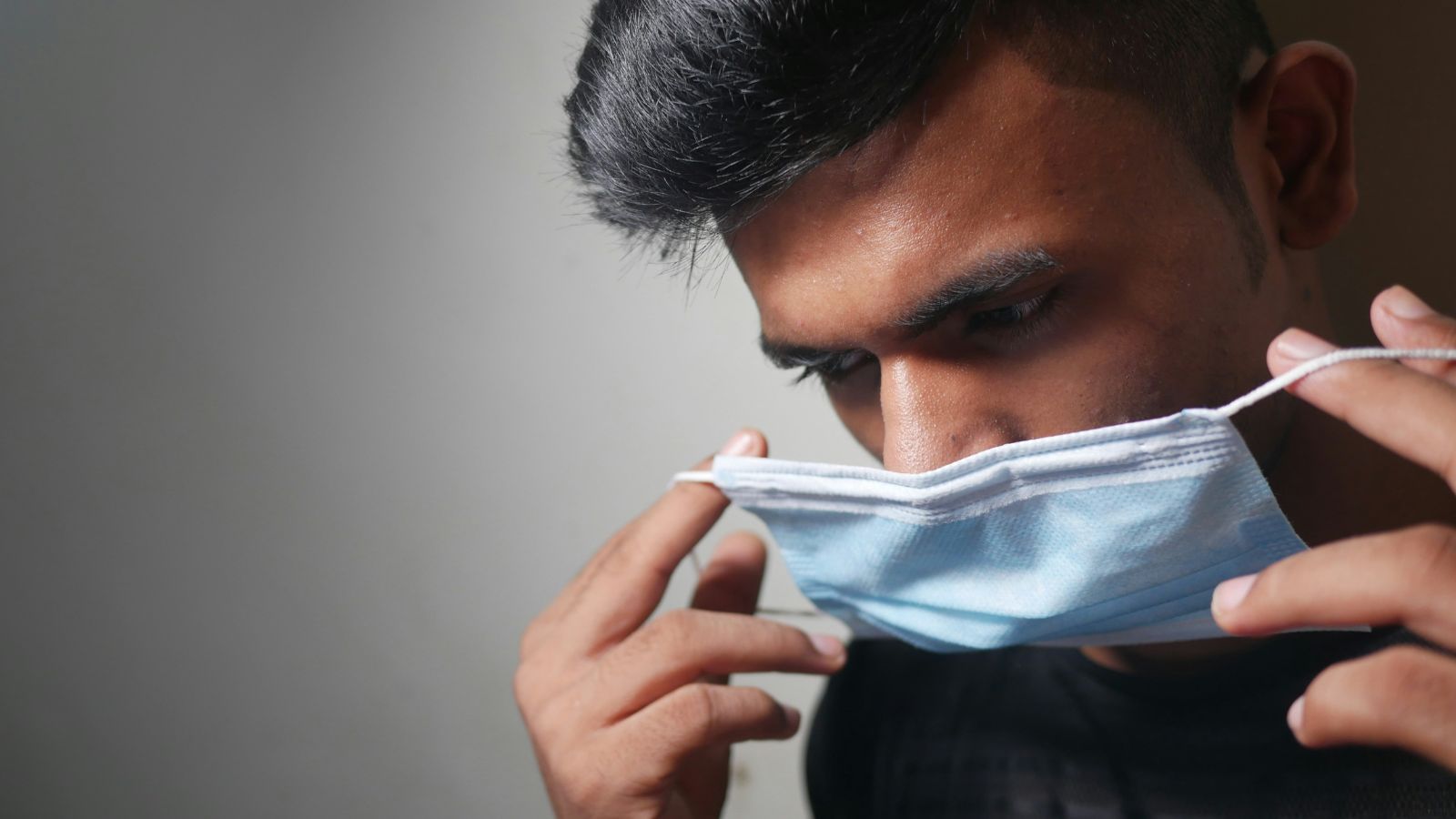
India’s Influenza Surge Tests Pandemic Preparedness Before Next Crisis

Jaishankar Calls for Global South Role in Global Decision-Making

Why Germany Travelers Need Emergency Medical Insurance Coverage

German Elections Expose Deepening Crisis of Political Confidence

Atif Aslam Pauses Berlin Concert After Fans Throw Phones
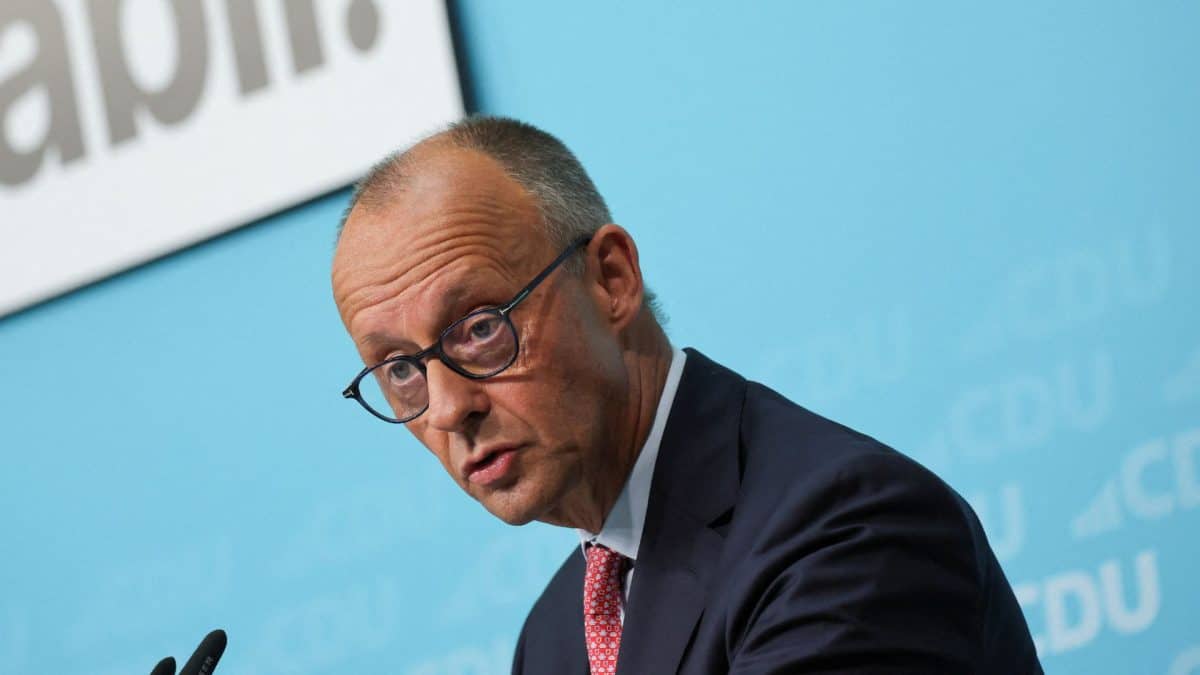
Merz Rejects Resignation Calls After CDU’s Historic Election Defeats