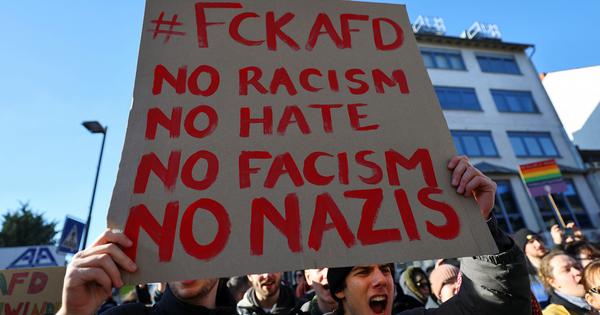
1 hr ago
German Elections Expose Deepening Crisis of Political Confidence

Germany’s economy may be improving, but many people still feel worried about their future.
Some voters supported the far-right Alternative for Germany, or AfD.
The AfD won strongly in Saxony-Anhalt and Mecklenburg-Western Pomerania.
In Berlin, voters instead put the left-wing Die Linke first, showing that dissatisfaction can lead to different political choices.
Chancellor Friedrich Merz said his party’s poor result was a disaster.
He still wants his coalition government to continue and plans to pursue reforms.
Those reforms could improve the economy, but they may also cause problems or costs before people see benefits.
The article says Germany’s leaders must make economic improvements feel real and explain their plans honestly.

The AfD won 44% in Saxony-Anhalt and 38.2% in Mecklenburg-Western Pomerania.
The CDU received 4.9% in Mecklenburg-Western Pomerania, falling below parliamentary representation threshold.
In Berlin, Die Linke won 25.7%, ahead of the CDU at 18.8% and the AfD at 16.3%.
Chancellor Friedrich Merz called the CDU’s result a disaster but defended continuing his coalition with the Social Democrats.
Economic recovery has not yet eased concerns over jobs, energy costs, public services, housing and future security.
- Who
- Voters in several German states, the Alternative for Germany, Die Linke, the Christian Democratic Union and Chancellor Friedrich Merz.
- What
- State election results showed major gains for the AfD and Die Linke, while the CDU suffered a significant setback in Mecklenburg-Western Pomerania.
- Where
- Saxony-Anhalt, Mecklenburg-Western Pomerania and Berlin, Germany.
- When
- The cited elections took place on September 6 and September 20; the Berlin results are also discussed without a specific date.
- Why
- Voters are responding to concerns about economic security, employment, energy costs, public services, housing affordability, migration and dissatisfaction with established parties.
Government and established parties
Opposition and disaffected voters
Economic reform
Government and established parties
Merz’s government argues that pension, labour-market and public-finance reforms, together with infrastructure investment, are necessary to address economic weakness.
Opposition and disaffected voters
Critics may resist reforms whose costs are immediate and whose benefits are uncertain, especially while households continue to feel insecure.
Interpreting voter discontent
Government and established parties
The CDU and its coalition partners seek to continue governing and respond through reforms, despite the election setbacks.
Opposition and disaffected voters
The AfD channels dissatisfaction toward migration, established parties and distant institutions, while Die Linke emphasizes issues such as housing affordability.
Political strategy toward the AfD
Government and established parties
Established parties have excluded the AfD from governing coalitions and argue for governing through their own reform agenda.
Opposition and disaffected voters
The article argues that exclusion alone cannot address the grievances behind the AfD’s support, while adopting AfD positions would not guarantee solutions.
Key facts
- AfD result in Saxony-Anhalt
- 44% on September 6
- AfD result in Mecklenburg-Western Pomerania
- 38.2% on September 20
- CDU result in Mecklenburg-Western Pomerania
- 4.9%, below the threshold for parliamentary representation
- Berlin result
- Die Linke won 25.7%, followed by the CDU at 18.8% and the AfD at 16.3%
- Chancellor’s response
- Friedrich Merz called the Mecklenburg-Western Pomerania result a disaster but said the coalition and reforms should continue
- Economic pressures
- Weak domestic demand, high energy costs, industrial restructuring and uncertainty
- Proposed reforms
- Pension, labour-market and public-finance reforms, alongside infrastructure investment
Sources
Related news
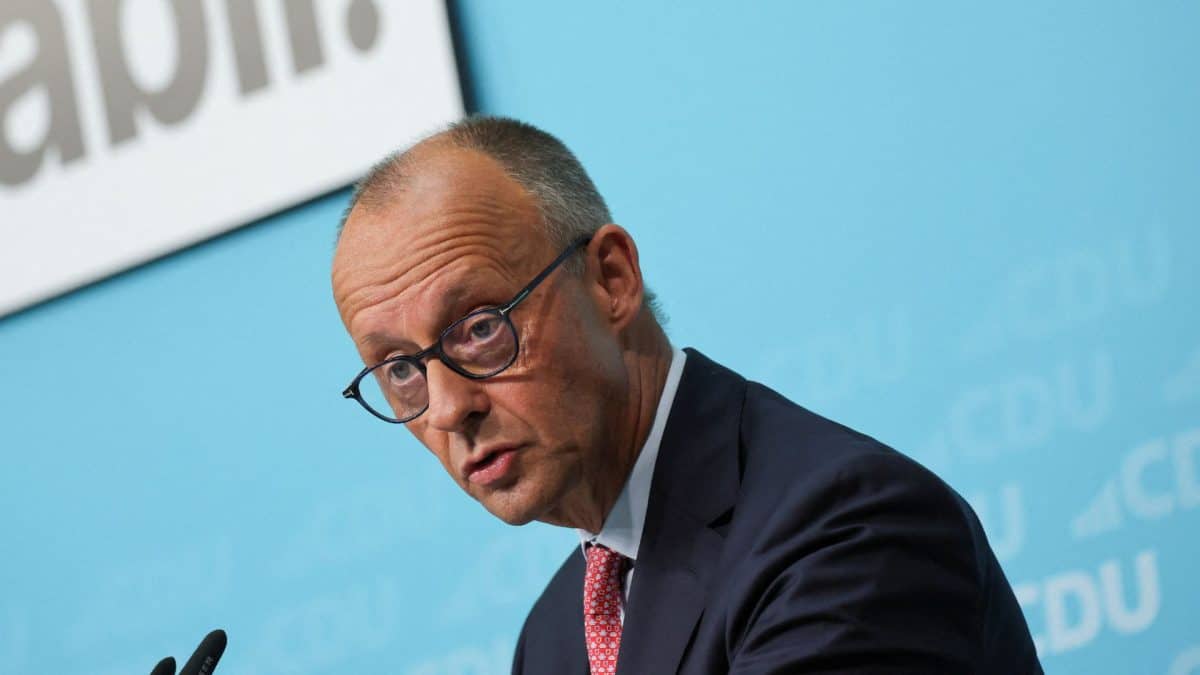
Merz Rejects Resignation Calls After CDU’s Historic Election Defeats

AfD Victory Puts Merz’s German Reform Agenda Under Pressure

German State Elections Put Merz Under Pressure as AfD Rises
Merz Gains Brief Relief as AfD Advances in Germany
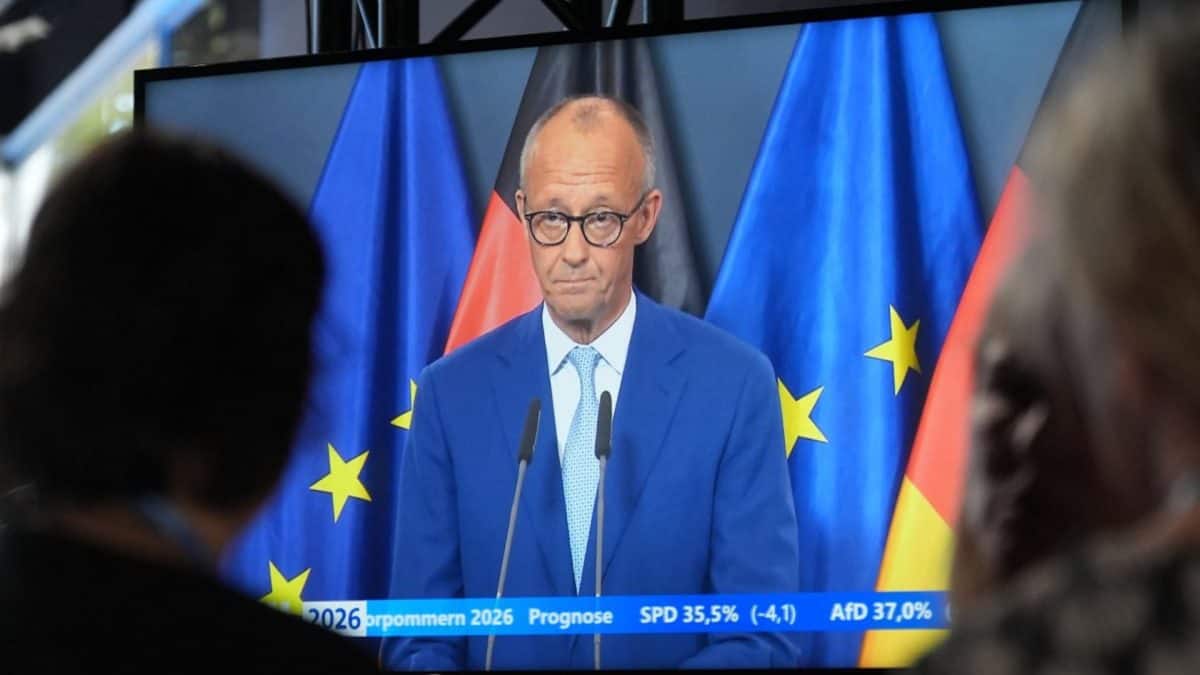
AfD Leads German State Vote as Merz Conservatives Routed

Germany Struggles to Counter AfD as Party Reaches New High
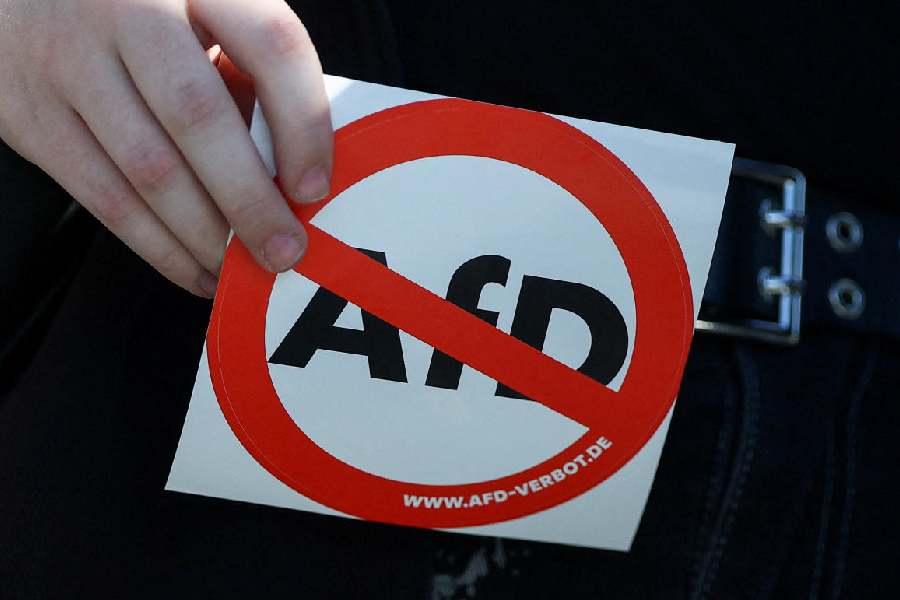
AfD Gains Deepen Immigrants’ Fears in Eastern Germany