

3 weeks ago
Eco-Friendly Festivals Urged as PoP Idol Pollution Debate Grows

Every year, many people in India celebrate festivals like Ganesh Chaturthi with big statues of gods called idols.
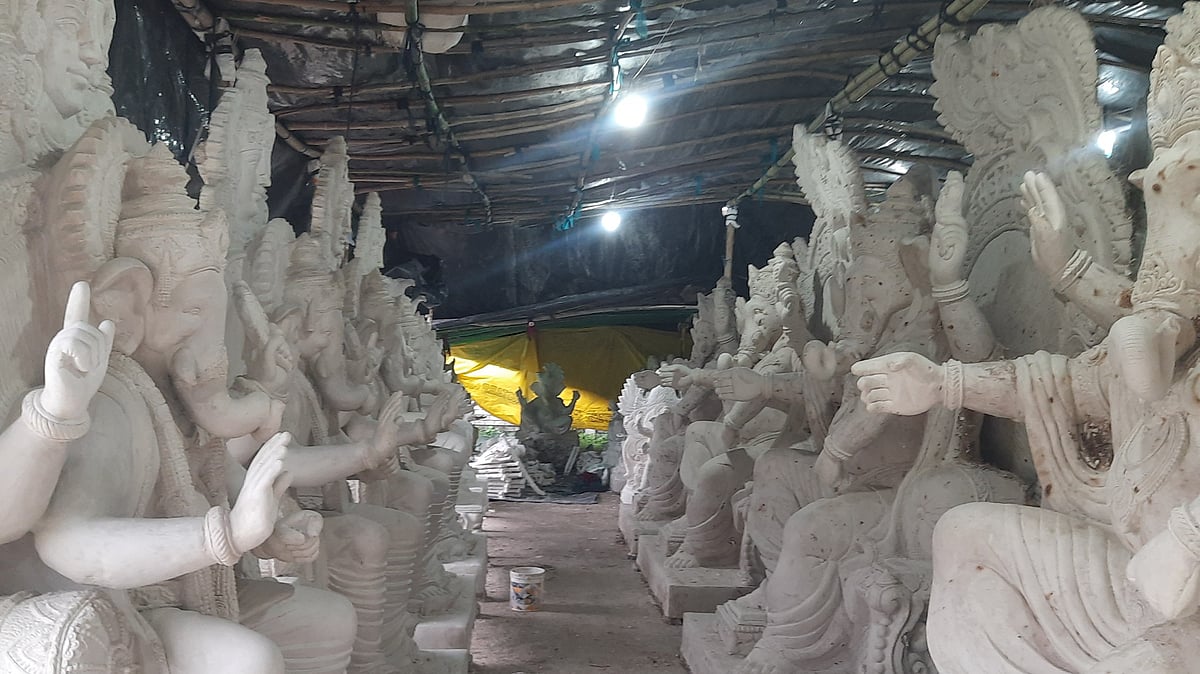
Many idols are made from a material called Plaster of Paris and bright paint.
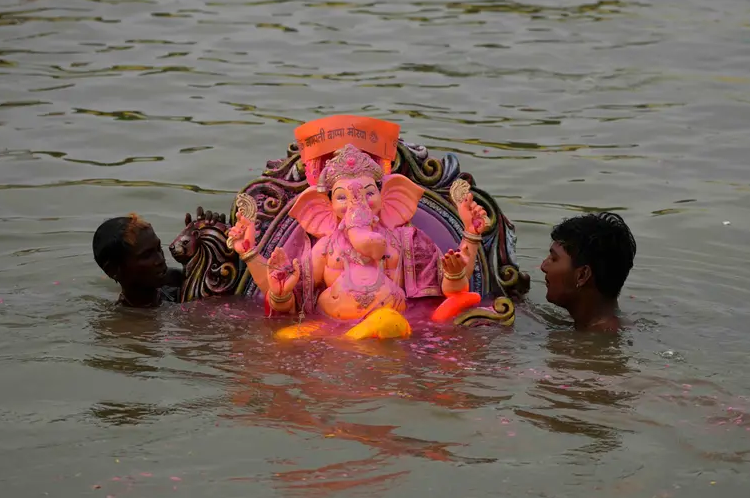
When the festival is over, the statues are put into rivers and the sea.
The material and paint can make the water dirty and hurt animals living there.
The dirt can even travel to faraway places like the highest mountains and the coldest continent on Earth.
The Prime Minister of India, Narendra Modi, told people that they should use idols made from safe, eco-friendly materials instead.
Some states, like Karnataka, have already said no to the harmful idols.
But other states, like Maharashtra and Tamil Nadu, are still allowing them, which makes courts unhappy.
People who make the statues say they need to keep their jobs, but courts say protecting nature is more important.
If everyone chooses better materials, festivals can still be colourful but safe for the planet.

Prime Minister Narendra Modi urged a shift to eco-friendly Ganesh idols during his Mann Ki Baat radio address.
Maharashtra has declined to ban Plaster of Paris idols this year despite public interest litigation filed since 2024.
Karnataka has banned PoP idols and enforces the measure, including through seizure of idols.
The National Green Tribunal questioned Tamil Nadu over allowing PoP idols to be immersed in the sea.
Pollution from synthetic idol materials is a national concern, with microplastics found even in the Himalayas and Antarctica.
Karnataka has banned PoP idols and enforces the measure, including through seizure of idols.
- Who
- Prime Minister Narendra Modi, state administrations of Maharashtra, Karnataka, Tamil Nadu and Bengal, the National Green Tribunal, and the Central Pollution Control Board.
- What
- A debate over banning Plaster of Paris and synthetic idols to make religious festivals eco-friendly.
- Where
- India, mainly Maharashtra, Karnataka, Tamil Nadu and Bengal, with pollution spreading as far as the Himalayas and Antarctica.
- When
- Public interest litigation has been ongoing since 2024; immersion figures cite last year, and Modi's Mann Ki Baat call was recent.
- Why
- Idols made of Plaster of Paris and toxic paints pollute water bodies, harming the environment, public health and other nations.
Environmental Protection
Festival Tradition & Business
Ban on Plaster of Paris idols
Environmental Protection
States should ban PoP idols, as Karnataka has, to stop water pollution and protect the right to life and the environment.
Festival Tradition & Business
State administrations such as Maharashtra say no ban is possible this year and continue to allow PoP idol immersion, treating a 'do nothing' policy as expedient.
Idol makers' business rights
Environmental Protection
Pollution control and intergenerational equity outweigh business interests; the argument that regulation affects the right to pursue a business has no legal legs to stand on.
Festival Tradition & Business
Idol makers argue in court that pollution control measures affect their right to pursue a business and their livelihoods.
Key facts
- Calls for eco-friendly idols
- PM Narendra Modi in his Mann Ki Baat address
- Maharashtra PoP policy
- No ban this year; idols over six feet allowed in natural water bodies, smaller ones in artificial ponds
- Idols immersed in Maharashtra last year
- 1.96 lakh small and 7,000 large
- Karnataka action
- PoP idols banned; enforcement includes seizure of idols
- Tamil Nadu scrutiny
- National Green Tribunal asked why PoP idols should be immersed in the sea
- Bengal rule
- Eight-year-old ban on thermocol and flimsy plastics, with weak enforcement
- CPCB guidelines
- Revised in 2020
- Pollution reach
- Microplastics found in the Himalayas and Antarctica
Sources
Related news
Karnataka mandates eco-friendly clay Ganesh idols in gram panchayats
Jhabua POP Idol Production Raises Pollution Concerns Ahead of Ganeshotsav

Eco-Friendly Ganesha Idols: Tips For Sustainable Ganesh Chaturthi Celebrations

Bombay HC Keeps PoP Idol Immersion Restriction Until Final Verdict
Putin Faces Western Isolation While Russia Builds Non-Western Ties
India’s Global Power Ambitions Face Economic and Democratic Setbacks
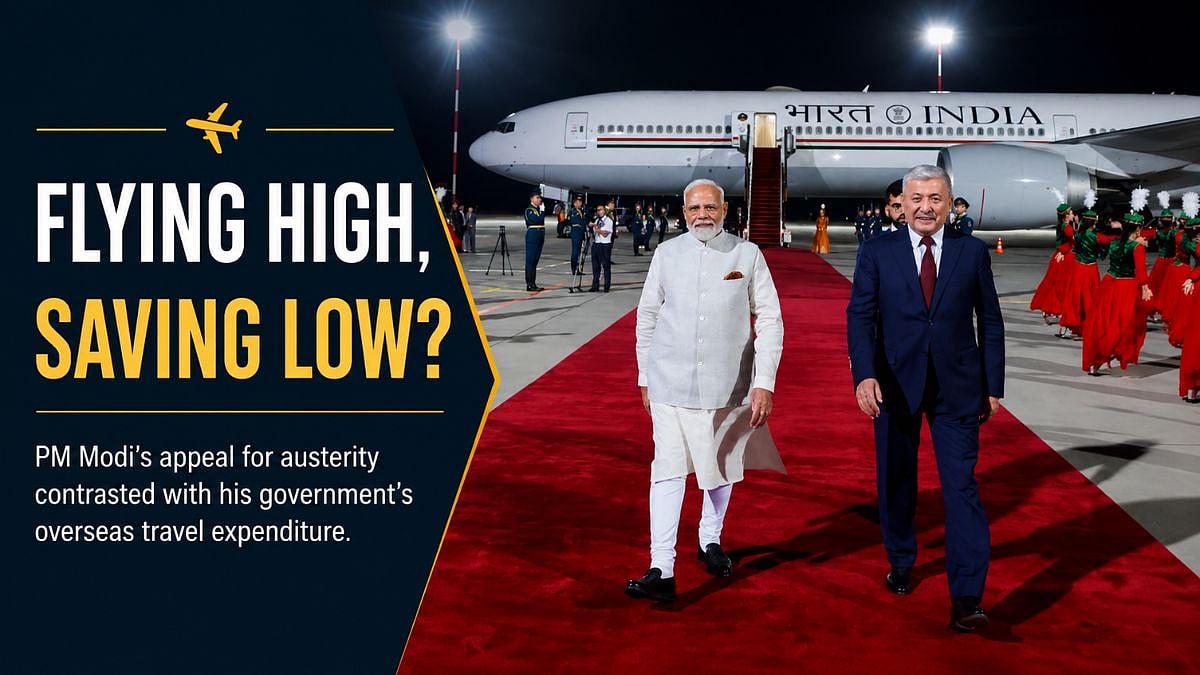
Modi’s Frugality Appeal Contrasts With Extensive Foreign Travel
Modi Sets Roadmap for Collaborative, Water-Secure India’s Future
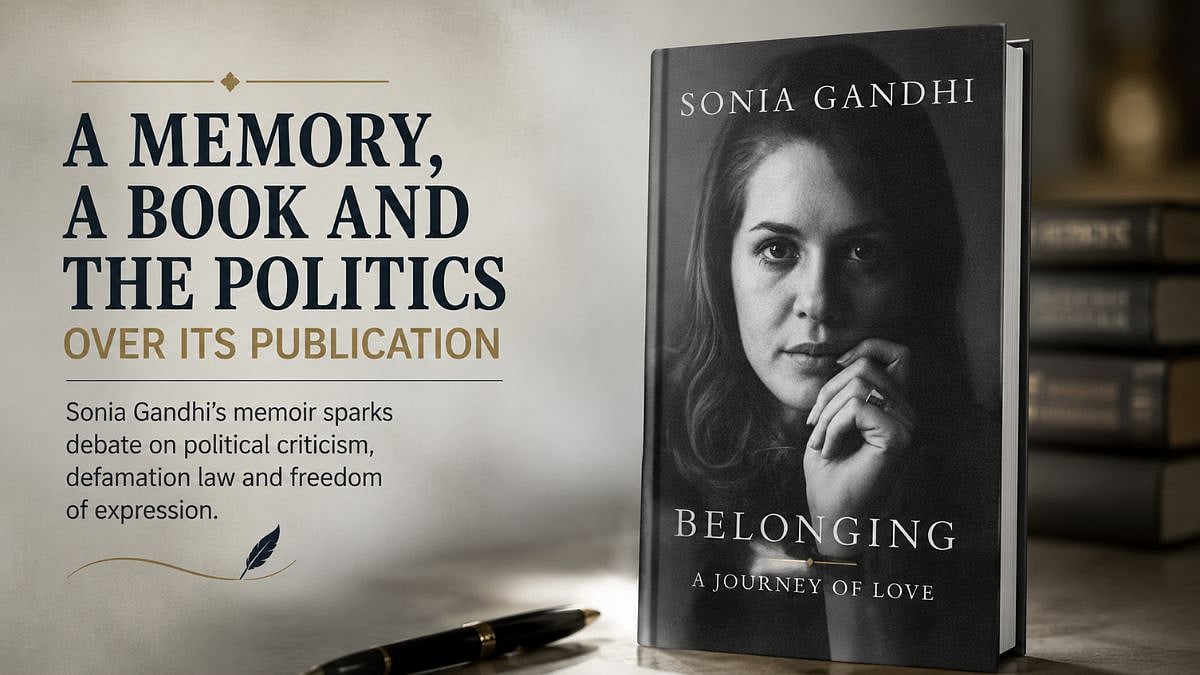
Sonia Gandhi Memoir Sparks Debate Over Politics, Publishing And Speech
