1 hr ago
Mont Blanc Permafrost Loss Raises Fears of Glacier Disasters
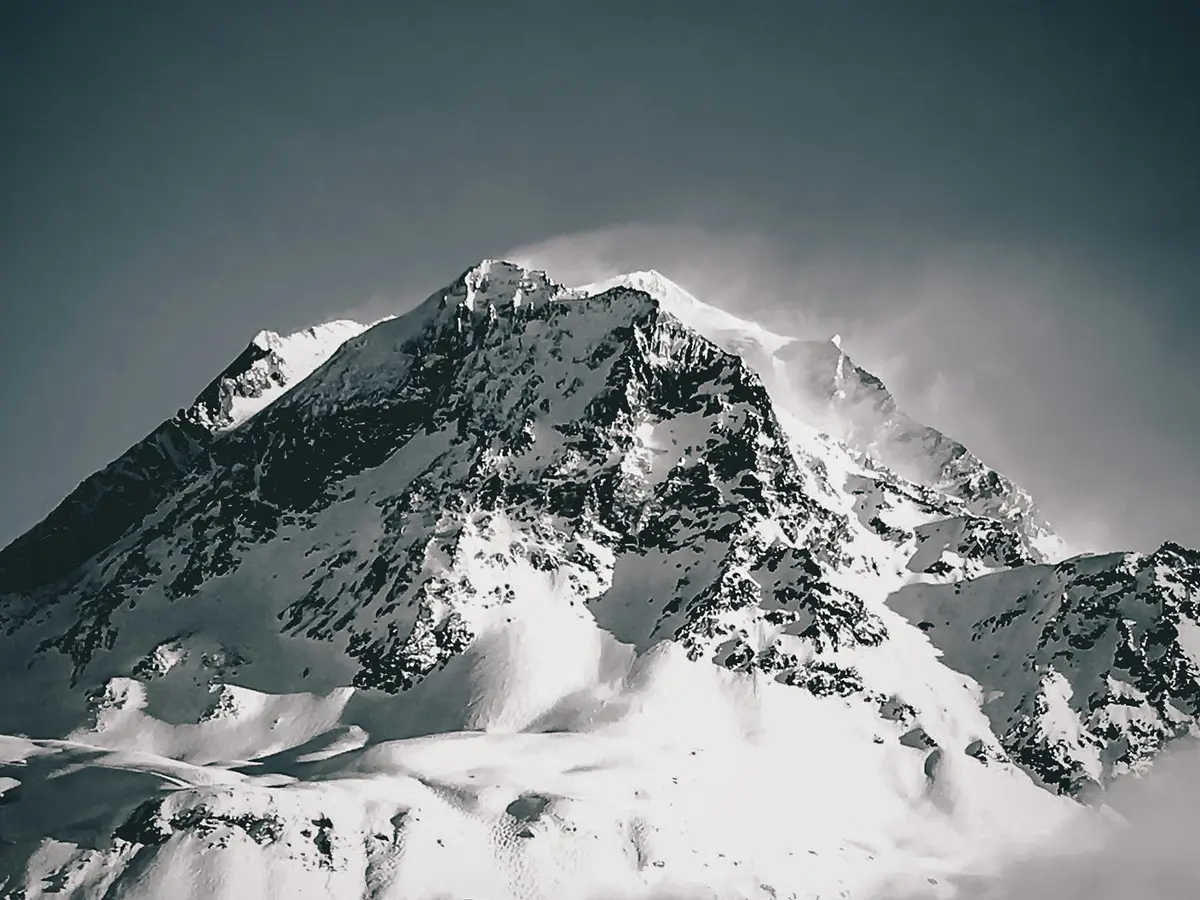
Mont Blanc is a very tall mountain covered in snow and glaciers.
Some of the frozen ground holding its rocks together, called permafrost, has melted.
Warmer temperatures and less snow are causing glaciers to shrink.
As the ice disappears, cracks can open and rocks can fall.
Some paths on the mountain have become difficult or unsafe to use.
Officials in Chamonix-Mont-Blanc are worried that larger pieces of the mountain or glaciers could fall near homes.
Scientists say July temperatures at a high mountain station have increased since the 1990s.
Similar melting can create lakes inside or near glaciers.
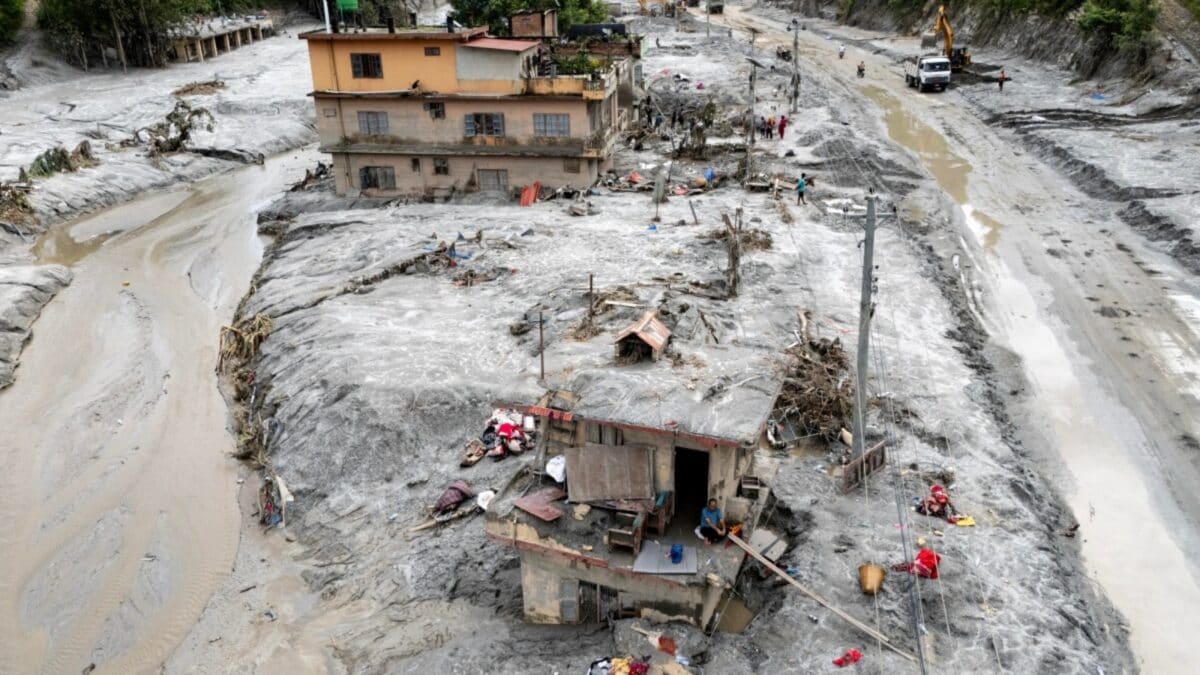
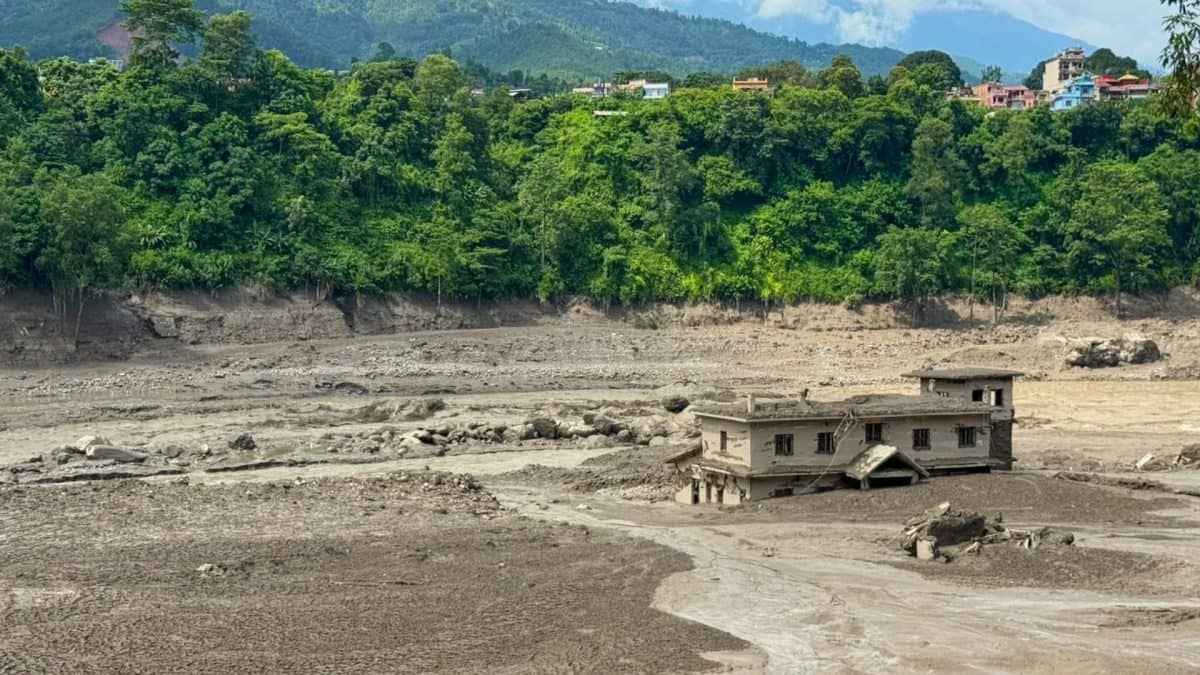
If the ice and rock walls holding those lakes back break, dangerous floods can occur, as seen in Nepal.

Permafrost on Mont Blanc has melted amid rising temperatures, causing cliffs to loosen and rocks to fall.
Glacial retreat, snowmelt, crevasses and rock collapses have made some mountain routes difficult or temporarily impassable.
Average July temperatures at Aiguille du Midi rose from 1.6°C in 1994 to 3.3°C, according to Meteo France.
Stéphane Bozon said rock falls have increased since mid-July and urged preparation for potentially serious incidents.
The changes have renewed concerns about glacier-related disasters, including floods caused by collapsing glacial lakes.
- Who
- Mont Blanc, local officials including Stéphane Bozon, Meteo France and communities near glaciers are involved.
- What
- Permafrost and glaciers on Mont Blanc are melting, contributing to rock falls, route closures and concerns about future glacier-related disasters.
- Where
- Mont Blanc in the Western European Alps, including the Aiguille du Midi peak and the Chamonix-Mont-Blanc area.
- When
- The reported changes intensified during a European heatwave in summer, with rock falls increasing since mid-July; July temperatures have risen since 1994.
- Why
- Rising temperatures, heatwaves, snowmelt and glacial retreat are weakening frozen ground and glacier systems.
Key facts
- Mountain
- Mont Blanc, also known as the White Mountain
- Affected feature
- Permafrost, glaciers and snow cover
- Aiguille du Midi elevation
- 3,842 metres
- July temperature change
- Average July temperatures rose from 1.6°C in 1994 to 3.3°C
- Route impact
- A gully at 4,805 metres became temporarily impassable
- Rock-fall trend
- Rock falls have increased since mid-July, according to Stéphane Bozon
- Regional glacier loss
- Alpine glaciers in Italy have lost more than 40% of their surface area since 1991
Quotes
Stéphane Bozon
Deputy mayor in Chamonix-Mont-Blanc who reported increasing access problems and rockfalls.
“We saw areas becoming difficult to access because of glacial retreat and snowmelt on the glaciers, with crevasses opening up and rock collapses making some areas difficult to reach or traverse,”
 wionews.com