

1 hr ago
Delhi Protests Test Balance Between Dissent and Public Order
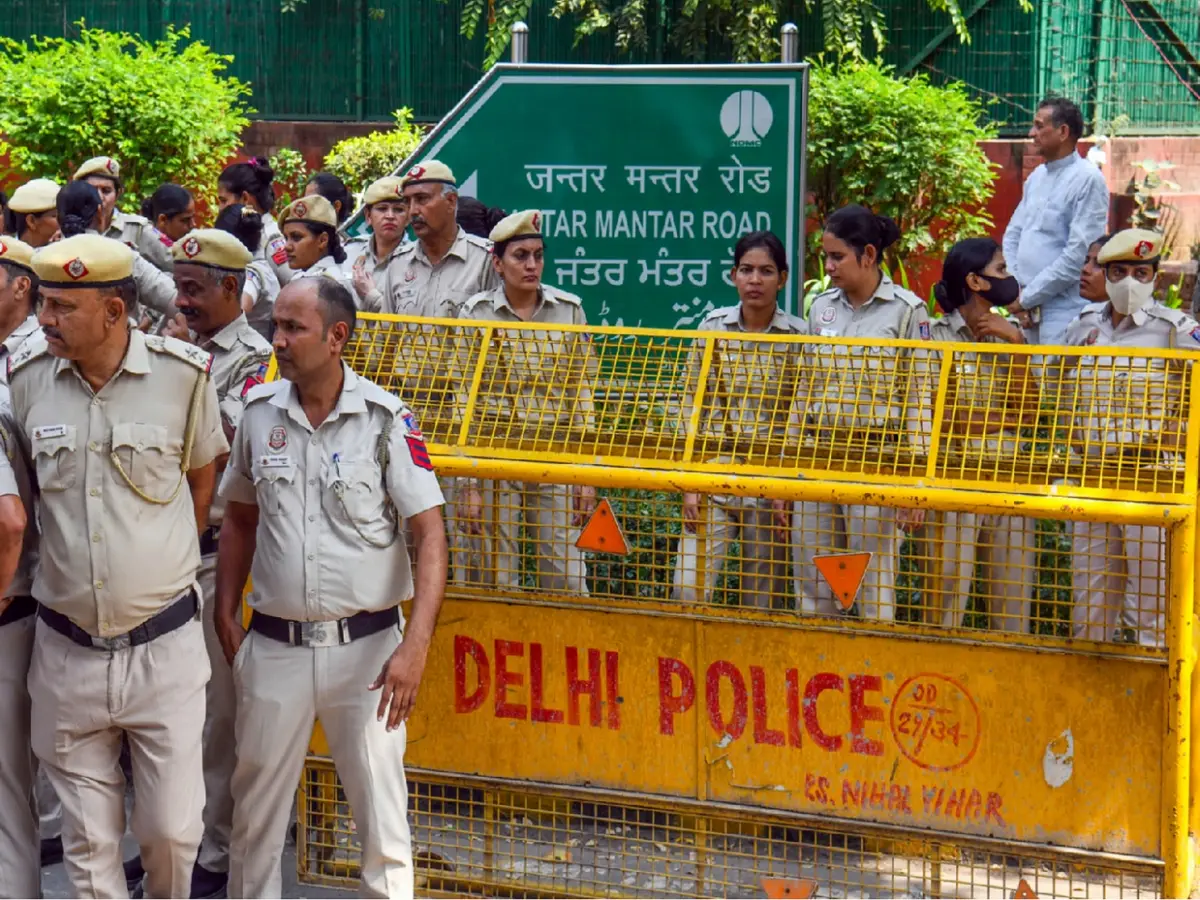
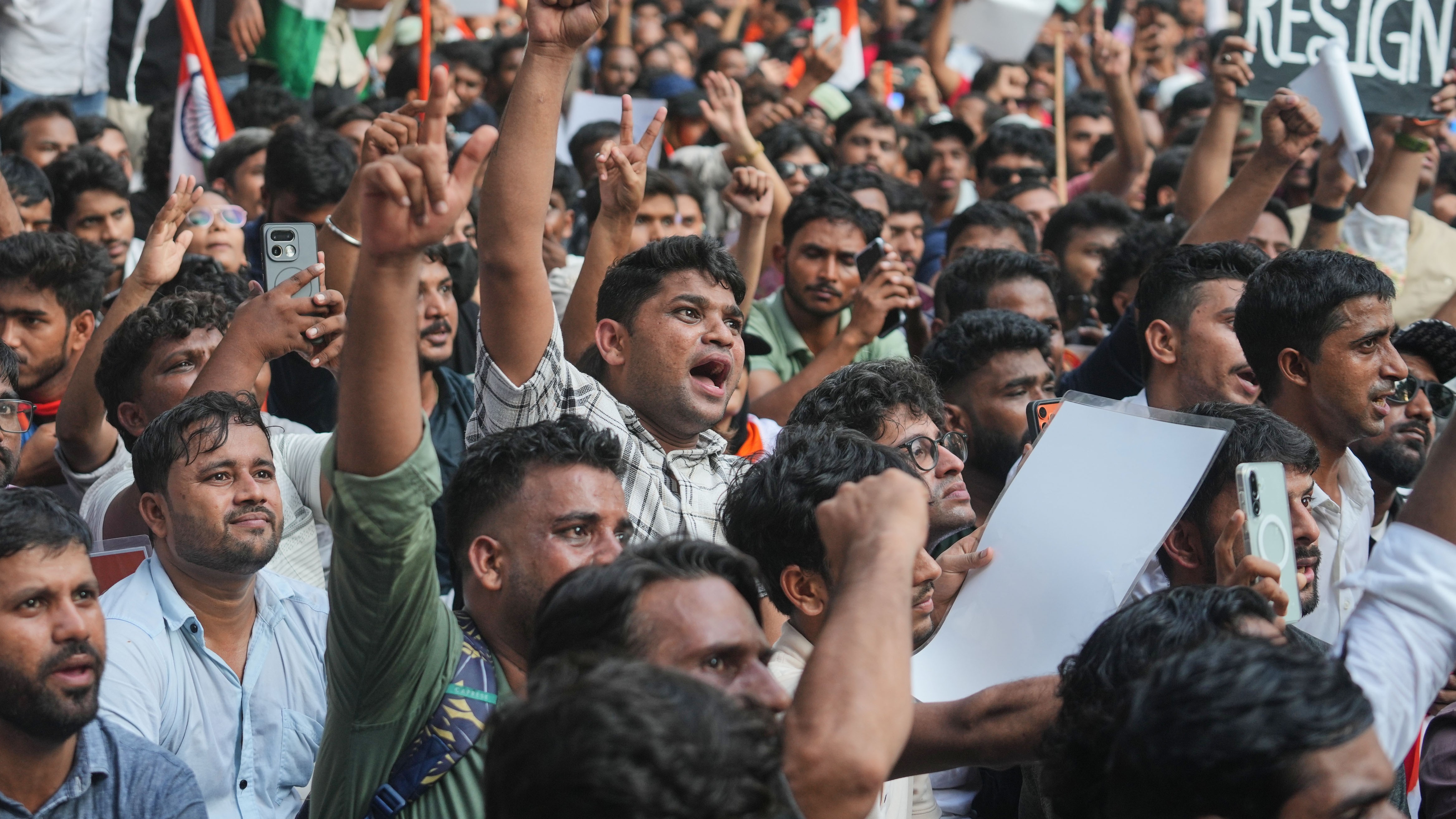
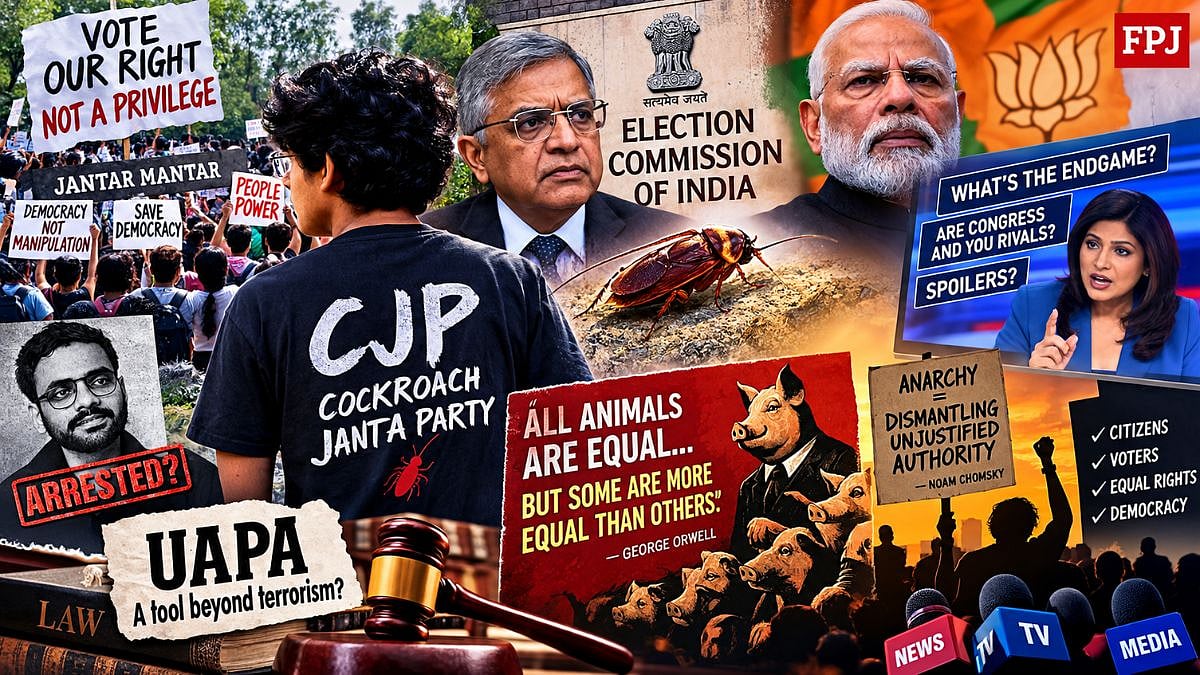
A group called the Cockroach Janta Party protested changes to India’s voter lists.
They worry that some people who can vote might be wrongly removed.
The Election Commission says the lists need to be checked, but the process should be fair and clear.
In Delhi, police and authorities restricted movement and mobile internet during the protests.
The Supreme Court questioned some of these restrictions.
Governments need to keep people safe, but should not make rules harsher than necessary.
Protesters should also avoid violence and respect other people’s rights.
The article says the government, election officials and Opposition should check the facts and find fair ways to fix problems.

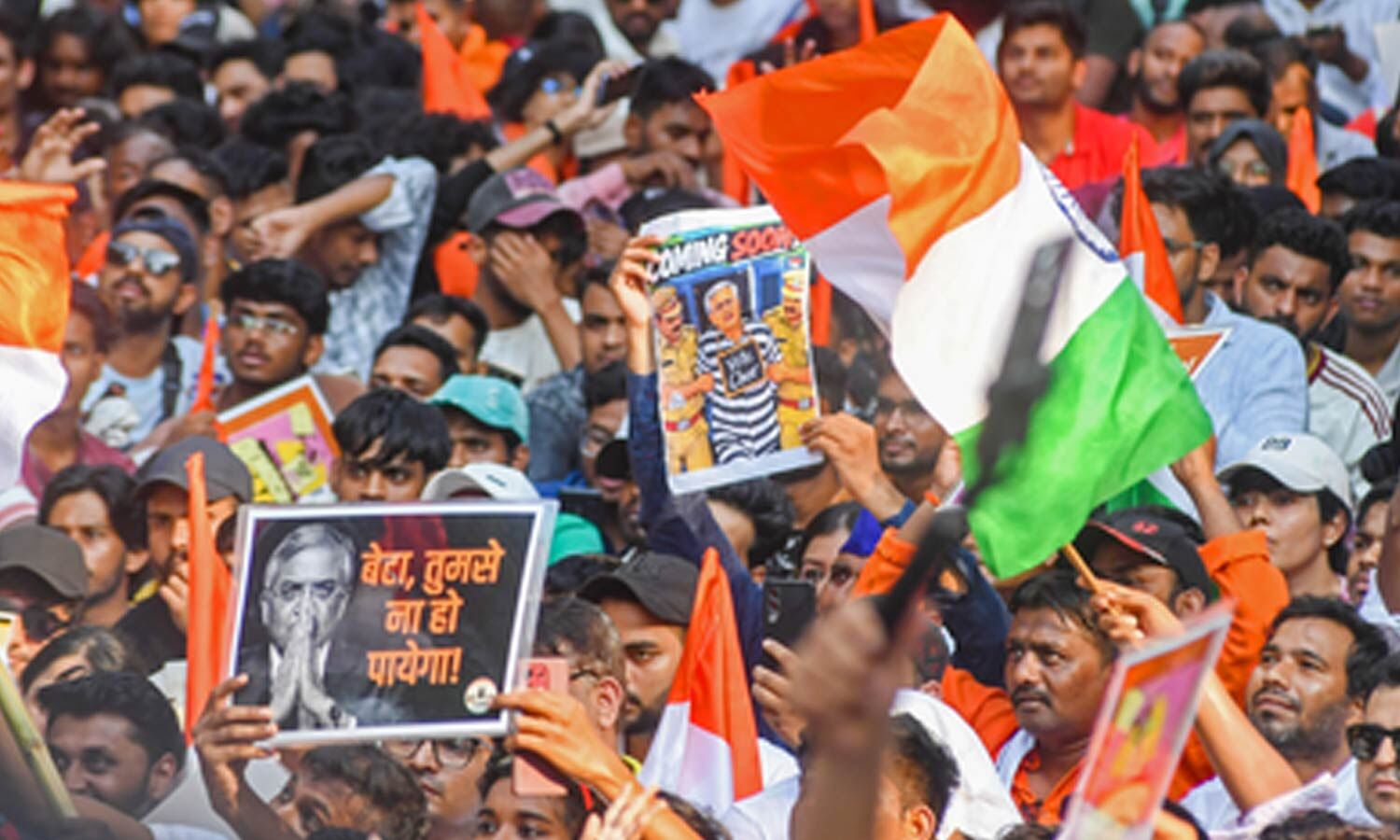
The Cockroach Janta Party led protests on October 10-11 against Chief Election Commissioner Gyanesh Kumar and the Special Intensive Revision of electoral rolls.
Protesters and opposition parties alleged that voter-list deletions could exclude eligible citizens and questioned the Election Commission’s handling of the revision.
Authorities used barricades, detentions, transport restrictions and a 24-hour mobile internet suspension in parts of central Delhi, according to the article.
The Supreme Court questioned restrictions affecting transport and public access, raising concerns about whether security measures were proportionate.
The article calls for transparent voter-roll procedures, evidence-based scrutiny, peaceful protest and dialogue among the government, Election Commission and Opposition.
- Who
- The Cockroach Janta Party, protesters, the government, the Election Commission and Chief Election Commissioner Gyanesh Kumar.
- What
- Protests opposing the Special Intensive Revision of electoral rolls and the authorities’ response to the demonstrations.
- Where
- Jantar Mantar, Connaught Place and other parts of Delhi.
- When
- October 10-11; the article does not specify a year.
- Why
- Protesters and opposition parties alleged that voter-list revision could remove eligible voters and questioned the Election Commission’s handling of the process.
Protesters and Opposition
Government and security authorities
Electoral-roll revision
Protesters and Opposition
Protesters and opposition parties say large-scale deletions could disenfranchise eligible voters and seek accountability over the revision.
Government and security authorities
The article says cleaning rolls of duplicate, deceased or ineligible entries is a legitimate objective, provided eligible voters have fair safeguards and appeal options.
Restrictions during protests
Protesters and Opposition
The article raises concerns that detentions, movement and transport restrictions, and mobile internet suspension may be disproportionate and burden the public.
Government and security authorities
Authorities have a responsibility to prevent violence, protect public property and manage crowds, and may impose proportionate restrictions when justified by credible security risks.
Role of street protest
Protesters and Opposition
Peaceful protest and public dissent are important ways to seek accountability and bring attention to voter-rights concerns.
Government and security authorities
Protests should not replace constitutional processes, disrupt essential services or violate the rights of others; allegations should also be supported by evidence.
Key facts
- Protest dates
- October 10-11
- Organiser named
- Cockroach Janta Party (CJP)
- Issue
- Special Intensive Revision (SIR) of electoral rolls
- Election official named
- Chief Election Commissioner Gyanesh Kumar
- Locations mentioned
- Jantar Mantar, Connaught Place and other parts of Delhi
- Internet restriction reported
- A 24-hour mobile internet suspension in parts of central Delhi
- Court response
- The Supreme Court questioned restrictions affecting transport and public access.
Sources
Related news
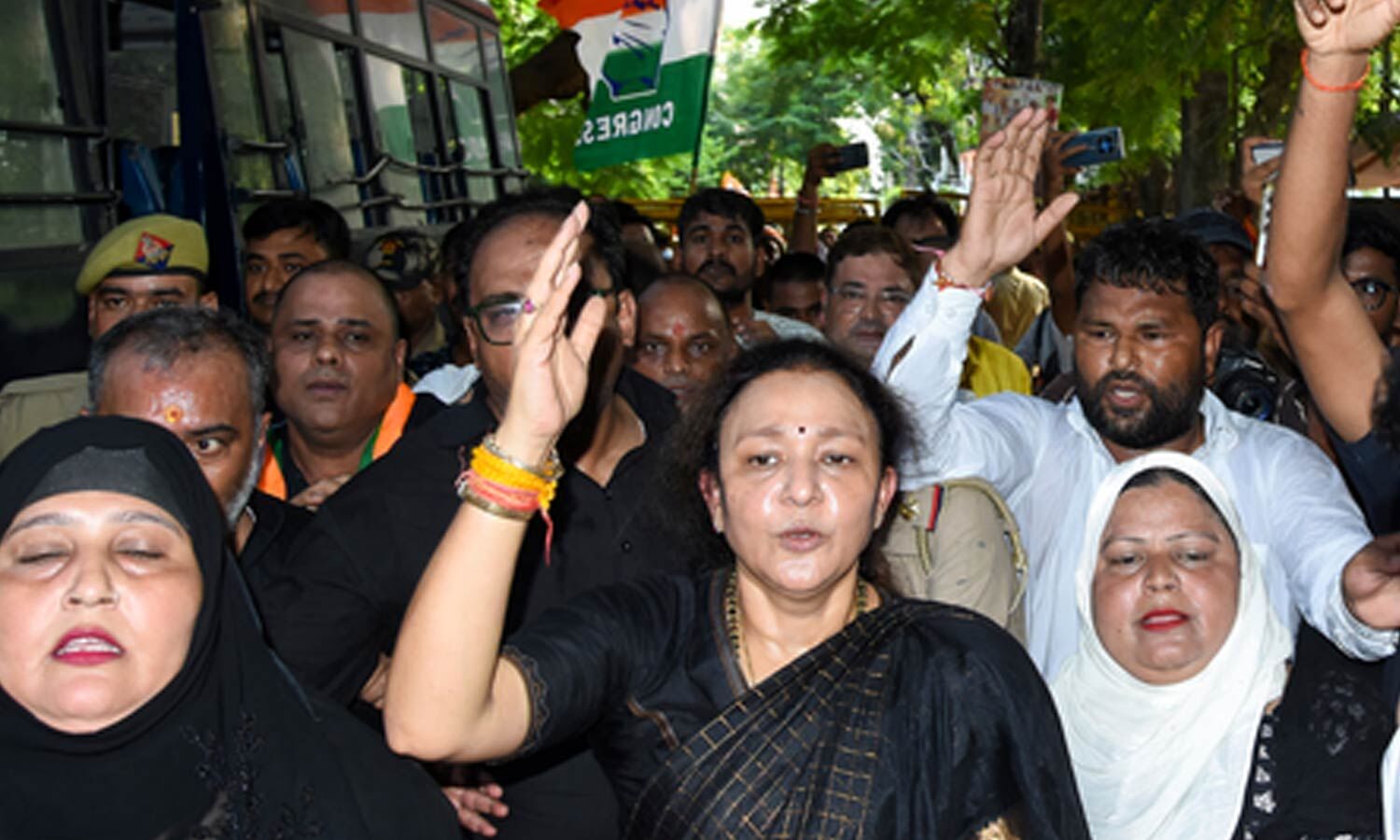
Opposition Leaders Back CJP Protest, Cite Electoral Concerns
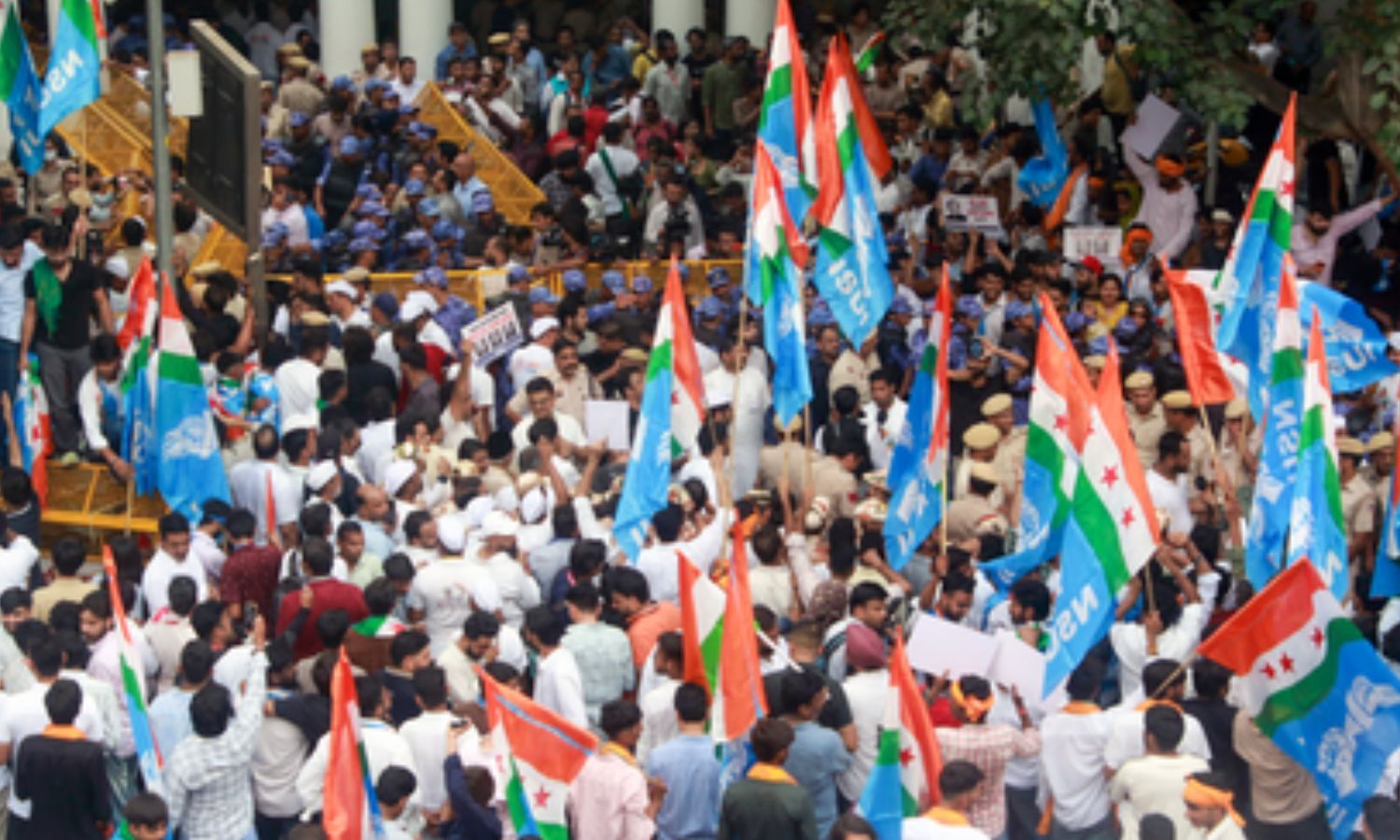
Protest Politics Tests Dissent Against Public Convenience in Delhi
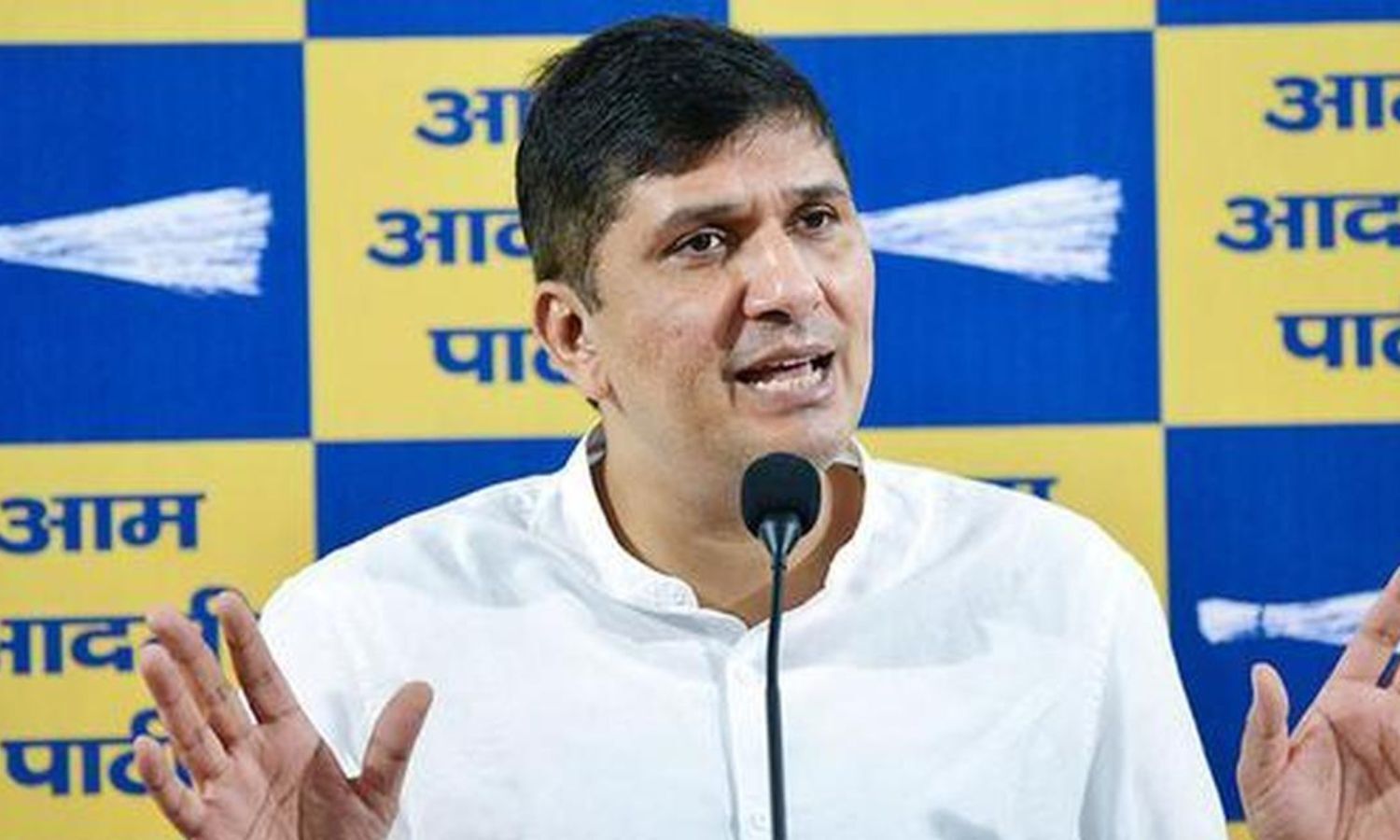
Delhi Protest Restrictions Draw Opposition Criticism and BJP Defense
Dialogue Urged as CEC-Opposition Protests Enter New Phase
CJP Protest Plans Expose Divisions Within INDIA Bloc
Maharashtra Minister Calls CJP Protest ‘Grammar of Anarchy’
Opposition Plans Supreme Court March Over Alleged Vote Chori
Cockroach Janta Party Protests Challenge Election Commission and Government
Vijay Balances Rahul Gandhi Meeting With Modi Metro Ride

Dhruv Rathee Alleges Kidnapping Ahead of Delhi CEC Protest
Modi’s Agricultural Record Shows Gains, But Key Challenges Remain
