

54 mins ago
Delhi Protest, RBI Controls and Global Trade Tensions
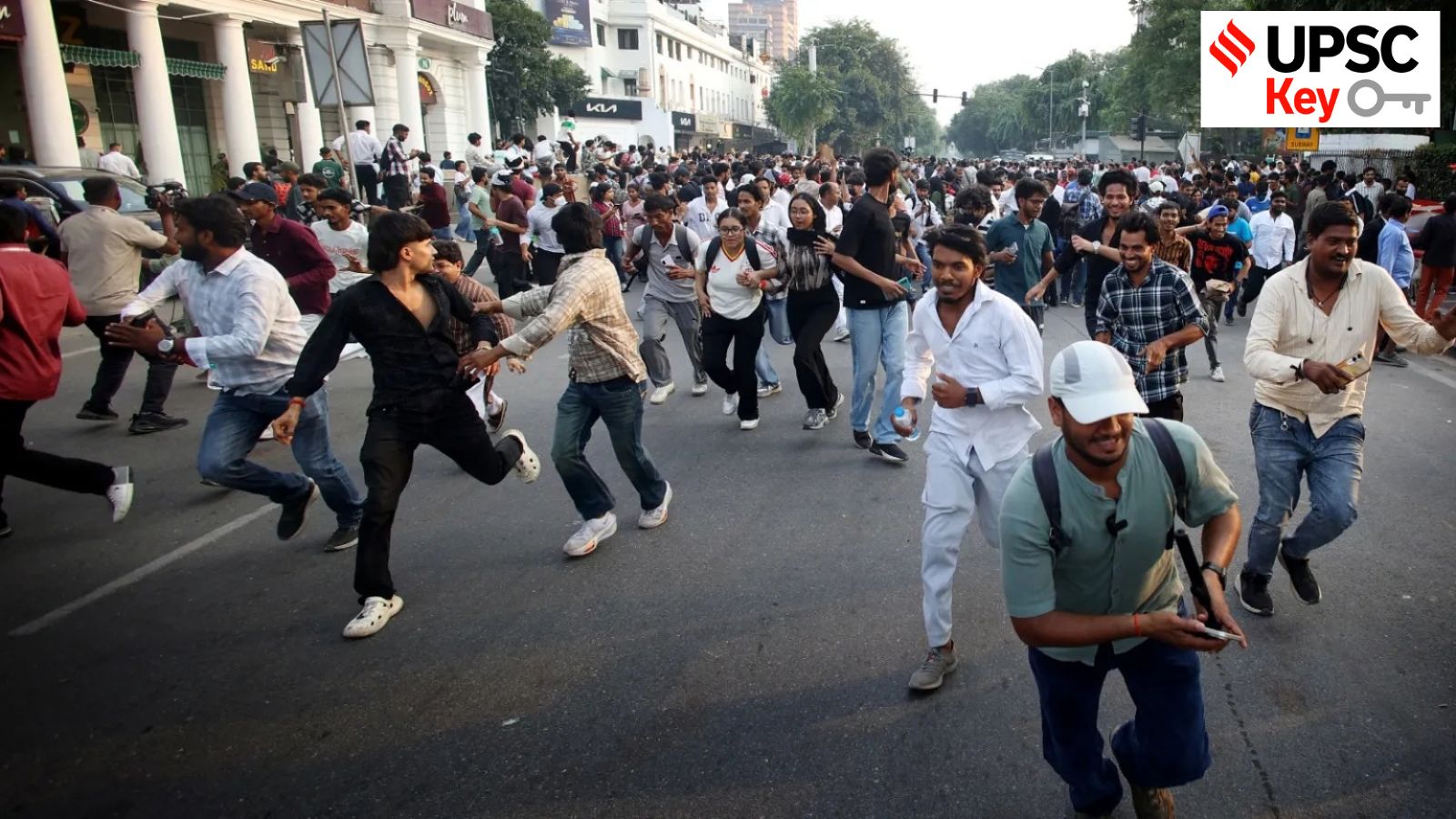
Police detained many people in Delhi who wanted to protest against the Chief Election Commissioner.
The Supreme Court was due to consider claims that authorities went too far in restricting protests and travel.
The United Nations expressed concern, while India said peaceful assembly is protected but can face reasonable limits.
Separately, India’s central bank tightened rules for some currency trades to discourage excessive speculation.
It also plans to supply dollars to three state-owned oil companies as oil prices rise.
Canada is sending ministers and business representatives to India to advance trade discussions.
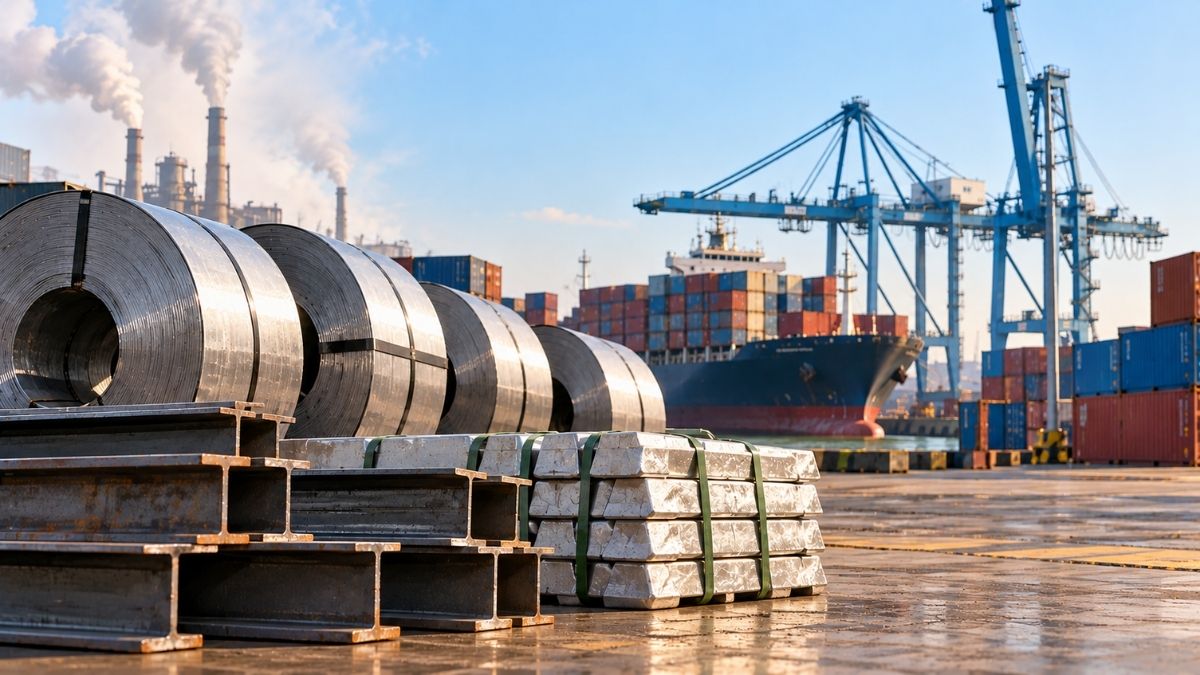
The United States has also begun examining the European Union’s carbon border rules.
These stories involve debates about public order, financial stability and international trade.

Delhi police detained an estimated 7,000 people during a crackdown on protests seeking Chief Election Commissioner Gyanesh Kumar’s resignation; authorities said restrictions were for public order, while petitioners and UN officials raised rights concerns.
The Supreme Court scheduled a hearing on petitions alleging contempt and disproportionate restrictions after detentions, train cancellations and temporary Metro closures.
The RBI introduced tighter rules on rupee-linked foreign-exchange derivatives, including limits on rebooking cancelled contracts, stronger checks on underlying exposure and a cash reserve for specified contracts.
From October 12, the RBI will provide a special dollar window for Indian Oil Corporation, Hindustan Petroleum Corporation and Bharat Petroleum Corporation to meet daily dollar needs.
The United States Trade Representative opened an investigation into the European Union’s CBAM, while Canada planned a major trade mission to India and preparations for a possible December visit by Narendra Modi.
- Who
- Delhi protesters, police and central authorities; the Reserve Bank of India; India, Canada, the United States and the European Union.
- What
- Delhi protest detentions and related legal challenges, RBI foreign-exchange measures and an oil-company dollar facility, and international trade developments involving Canada and the EU’s CBAM.
- Where
- Delhi, India, and in India’s international trade relations with Canada, the United States and the European Union.
- When
- The main events were reported for October 10–11, 2026; the RBI dollar facility begins October 12, 2026.
- Why
- Authorities cited public order; the RBI said its measures aim to curb speculation and support foreign-exchange market discipline; trade discussions and the CBAM investigation concern cross-border economic relations.
Critics and rights advocates
Authorities and government representatives
Delhi protest restrictions
Critics and rights advocates
Petitioners and the UN Human Rights Office questioned the detentions and restrictions, calling for respect for peaceful assembly and proportionality.
Authorities and government representatives
India’s permanent mission said peaceful assembly is constitutionally protected subject to reasonable restrictions for public order, and that authorities act according to law.
EU Carbon Border Adjustment Mechanism
Critics and rights advocates
The USTR raised concerns about the EU mechanism’s requirements and calculation of embedded emissions; Indian industry has argued CBAM can act as a non-tariff barrier and harm exports.
Authorities and government representatives
The EU’s stated purpose, as described in the article, is to apply a carbon price to covered imports equivalent to that faced by EU producers and address carbon leakage.
Key facts
- Delhi detentions
- An estimated 7,000 people were detained, according to the article.
- Protest demand
- Protesters called for Chief Election Commissioner Gyanesh Kumar’s resignation.
- Supreme Court
- The Court scheduled a Sunday hearing on petitions seeking contempt proceedings over the response to protests.
- RBI currency measures
- Measures include restrictions on rebooking cancelled rupee-linked derivatives and stronger verification of underlying exposures.
- Foreign Exchange Risk Reserve
- Authorised dealers must hold a cash reserve equal to 20% of the rupee equivalent for covered contracts above $2 million equivalent.
- Oil-company dollar facility
- From October 12, 2026, the RBI will meet the daily dollar requirements of Indian Oil Corporation, Hindustan Petroleum Corporation and Bharat Petroleum Corporation.
- Canada trade mission
- Trade Minister Maninder Sidhu was to lead nearly 300 delegates to India from October 12 to 17.
- CBAM investigation
- The USTR sought public comments from US small businesses until November 9 on the EU’s expanded Carbon Border Adjustment Mechanism.
Quotes

Supreme Court
India’s highest court
“complete”
 indianexpress.com
Sources
Related news
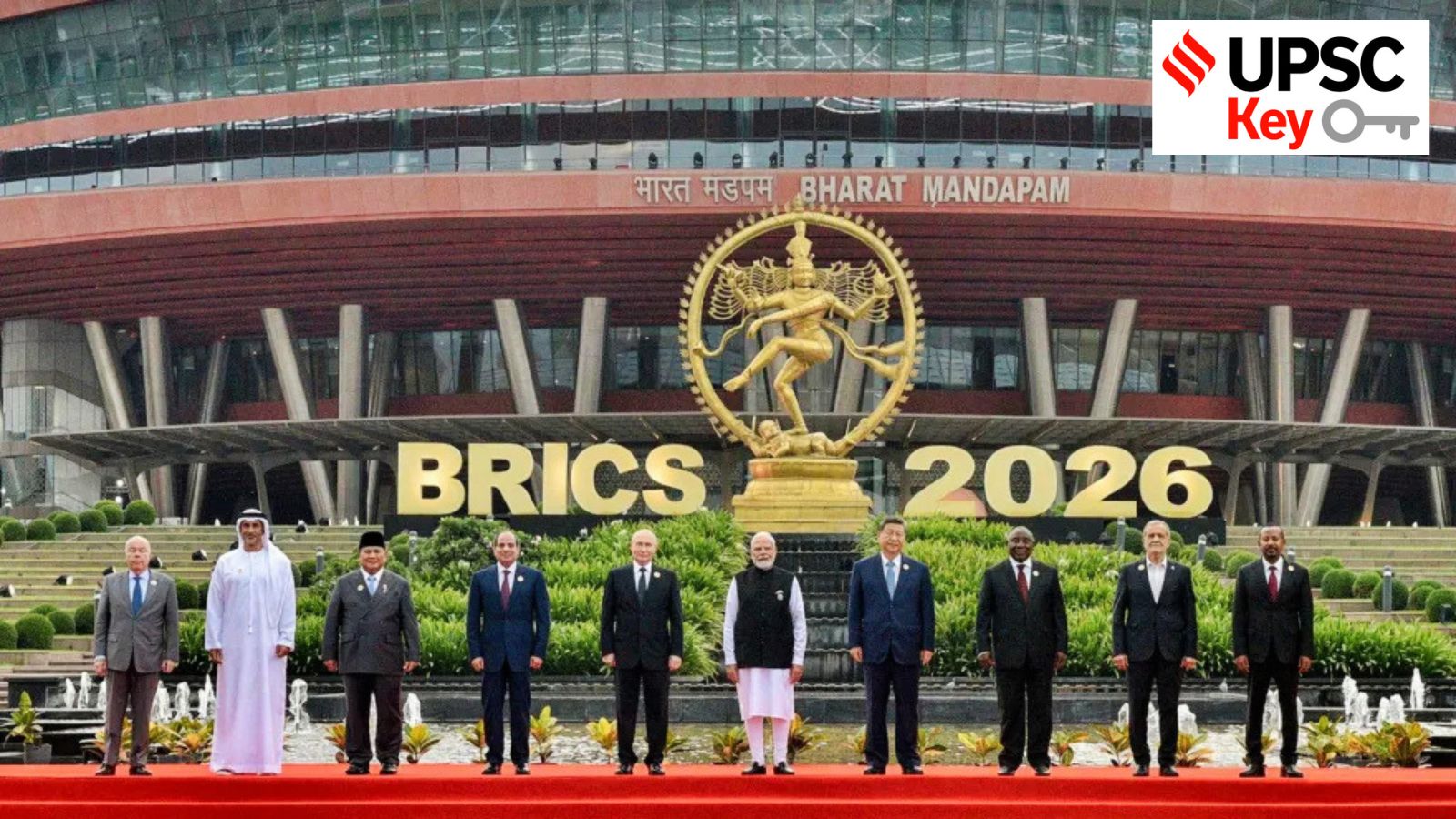
BRICS Declaration Balances Cooperation, India-China Thaw and Oil Risks
Weekly UPSC Quiz Reviews Ten Current Affairs Topics
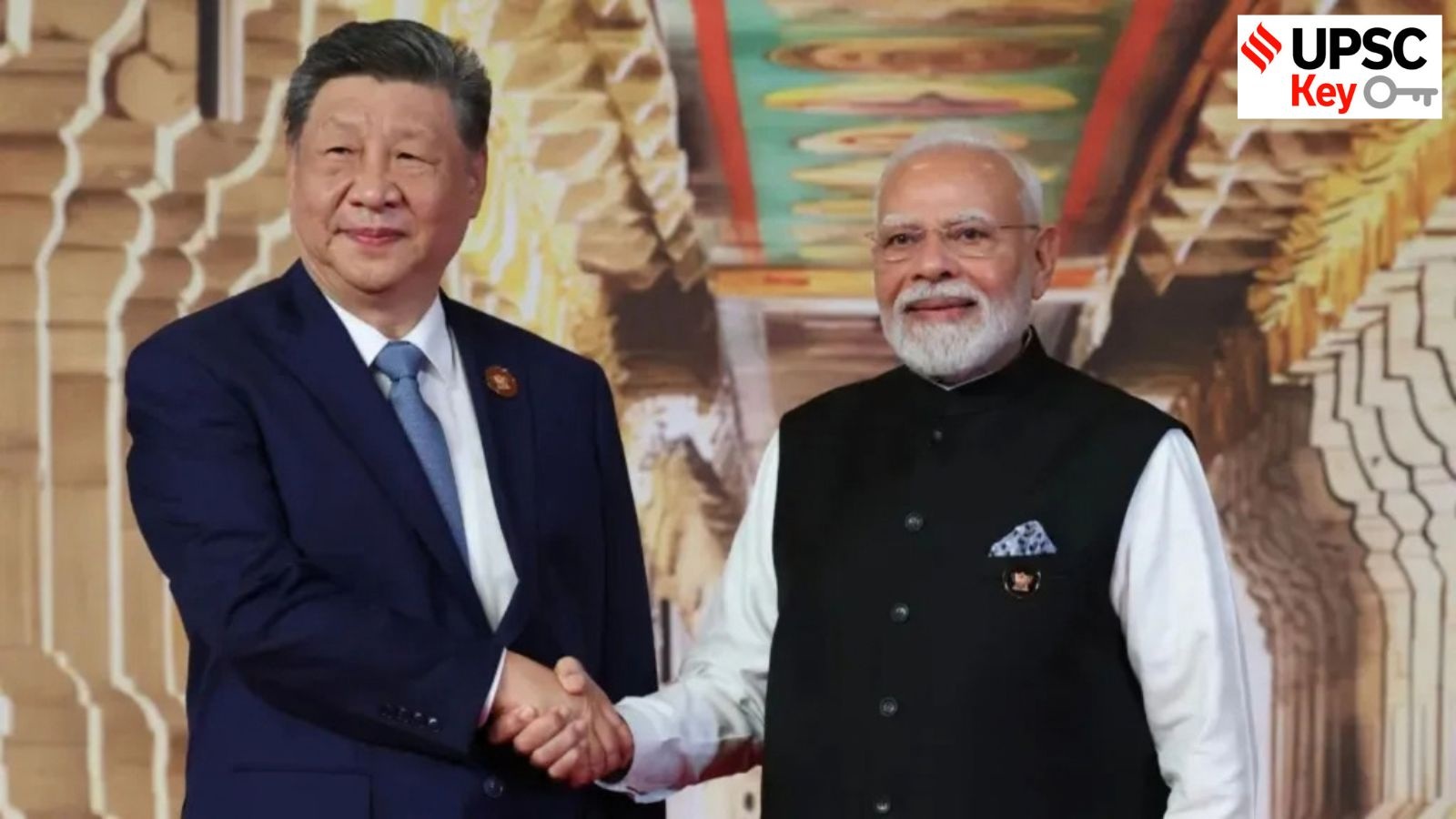
UPSC Key: India-China Ties, Monal, EVs and Sanctions

India Retains Third-Party Rights in Russia-EU CBAM WTO Dispute
US Probe Into EU Carbon Border Tax Could Open India Concessions
UPSC Key: India-US Ties, Green Energy, Climate and Iraq
Vijay Urges Modi to Release Funds, Approve Tamil Nadu Projects

Yogi Says Women Lead Over Half of Uttar Pradesh Startups
Modi Says India Pursuing 2036 Olympics Hosting Dream
Nadda Accuses Himachal Congress Government of Misgovernance and Delays
Modi Urges Gen Z to Dream Big in Chennai
