9 hrs ago
Constituent Assembly Debated Uniform Civil Code and Religious Freedom
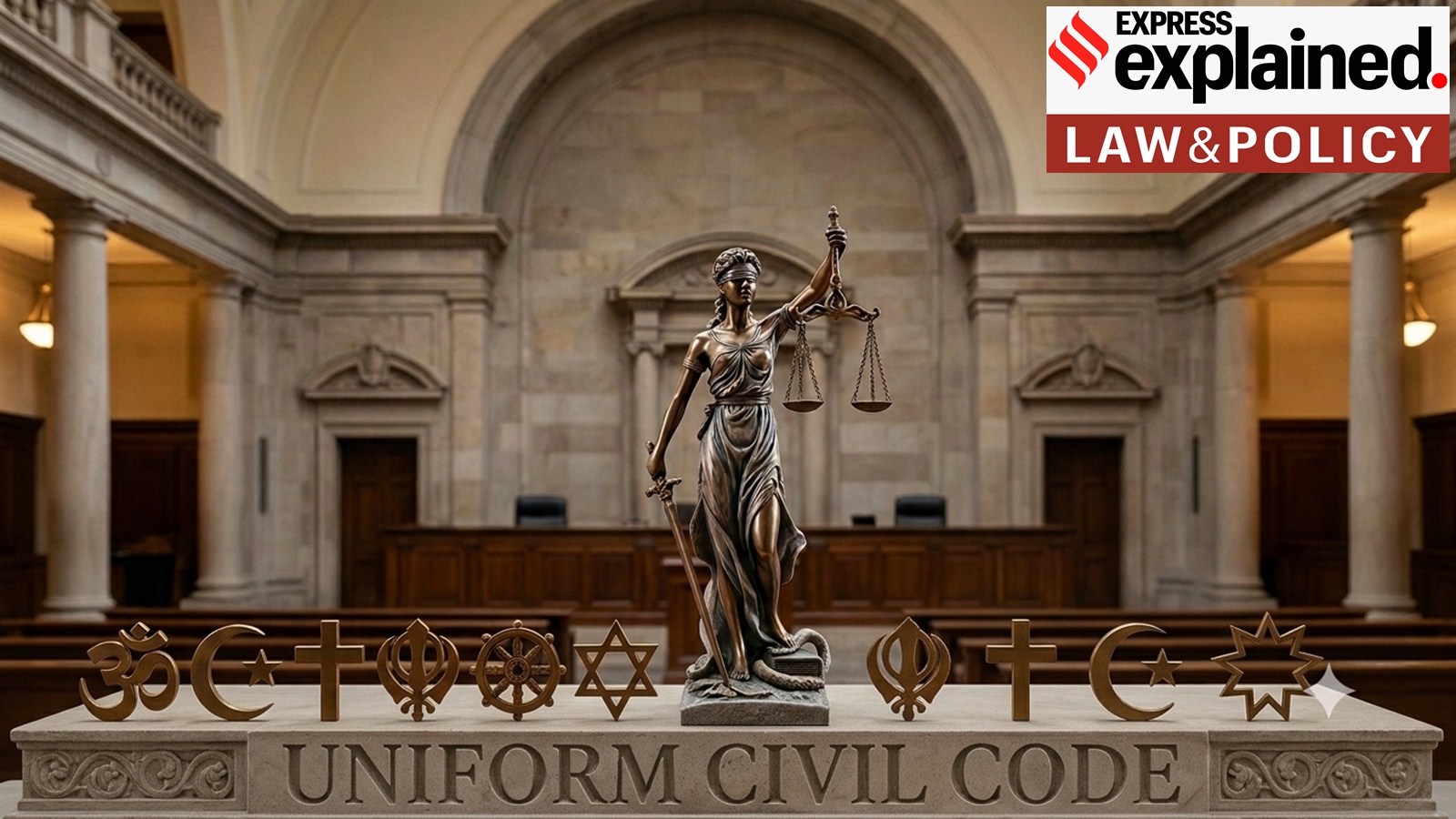
The Constituent Assembly discussed whether India should have one set of civil laws for everyone.
These laws would cover areas such as marriage, divorce, inheritance and succession.
Some members worried that one code could interfere with people’s religions and personal traditions.
They said change should happen slowly and only when society was more educated and prepared.
Other members said these subjects were mainly social and legal, not religious.
They believed common laws could help unite the country and improve women’s rights.
B. R. Ambedkar said India already had many common laws, including one criminal law.
He also said personal laws were not the same everywhere, even among Muslims.
He suggested that people might initially choose voluntarily to follow a common civil code.

The Constituent Assembly debated draft Article 35, later Article 44, on November 23, 1948.
Opponents argued that a UCC could interfere with religious freedom and personal laws governing marriage, inheritance, succession and divorce.
Supporters said secular matters should be open to legislation and that common laws could promote national unity and women’s equality.
Several members argued that a UCC should come gradually, after greater education, social advancement and improved economic conditions.
B. R. Ambedkar said personal laws were not uniformly applied and suggested that Parliament could initially make the UCC voluntary.
- Who
- Members of the Constituent Assembly, including B. R. Ambedkar, K. M. Munshi, Alladi Krishnaswami Ayyar and several Muslim League representatives.
- What
- They debated whether to place a provision for a Uniform Civil Code in the Constitution.
- Where
- The Constituent Assembly of India.
- When
- November 23, 1948.
- Why
- The debate concerned religious freedom, personal-law protections, national unity, social reform and women’s rights.
Supporters of Uniform Civil Law
Defenders of Personal Law
Religious freedom and state power
Supporters of Uniform Civil Law
K. M. Munshi and others argued that religious freedom did not prevent Parliament from regulating secular activities or social reform.
Defenders of Personal Law
Muslim League members argued that compulsory changes to personal law could interfere with freedom of conscience, religion and established ways of life.
National unity versus diversity
Supporters of Uniform Civil Law
Supporters said common civil laws could gradually unify personal law and strengthen amity across communities.
Defenders of Personal Law
Opponents said India’s religious and social diversity required personal-law protections and that uniformity should not be imposed prematurely.
Timing and implementation
Supporters of Uniform Civil Law
Supporters favored giving the State authority to reform marriage, succession and other civil matters, with Ambedkar noting that application could initially be voluntary.
Defenders of Personal Law
Opponents urged gradual change, saying a common code should wait until education, economic conditions and social development had advanced.
Key facts
- Constitutional provision
- Article 44 directs the State to endeavour to secure a Uniform Civil Code throughout India.
- Original provision
- The UCC provision was debated as draft Article 35.
- Legal status
- Article 44 is part of the Directive Principles of State Policy and is not enforceable by courts.
- Main disputed subjects
- Marriage, divorce, inheritance and succession.
- Opponents’ concern
- A common code could interfere with religious practices and personal laws.
- Supporters’ argument
- Civil laws could promote national unity, social reform and women’s upliftment.
- Ambedkar’s suggestion
- Parliament could initially apply a common code only to people who voluntarily declared that they would follow it.
Quotes

Syed Hussain Imam
Bihar member of the Constituent Assembly who argued for caution regarding uniform civil laws.
“It is perfectly possible that the future parliament may make a provision by way of making a beginning that the Code shall apply only to those who make a declaration that they are prepared to be bound by it, so that in the initial stage the application of the Code may be purely voluntary…”
 indianexpress.com
“We want to divorce religion from personal law, from what may be called social relations or from the rights of parties as regards inheritance or succession. What have these things got to do with religion I really fail to understand…after all we are an advancing society”
indianexpress.com
Sources
Related news

Owaisi Says UCC Violates Constitution, Criticizes Uttar Pradesh Government

Owaisi urges NDA allies to oppose Uniform Civil Code
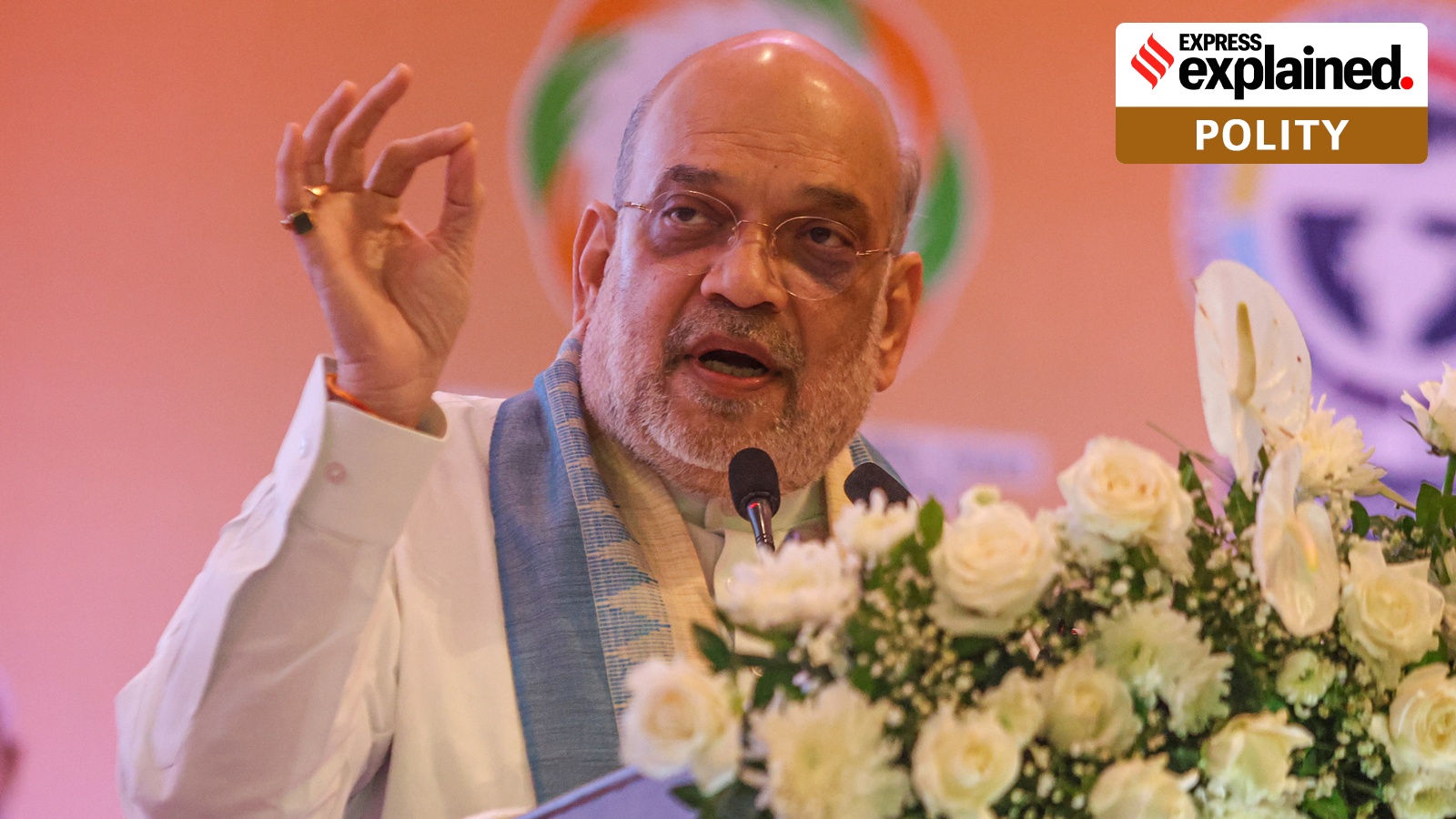
Amit Shah Pushes State-By-State UCC Rollout Before 2029
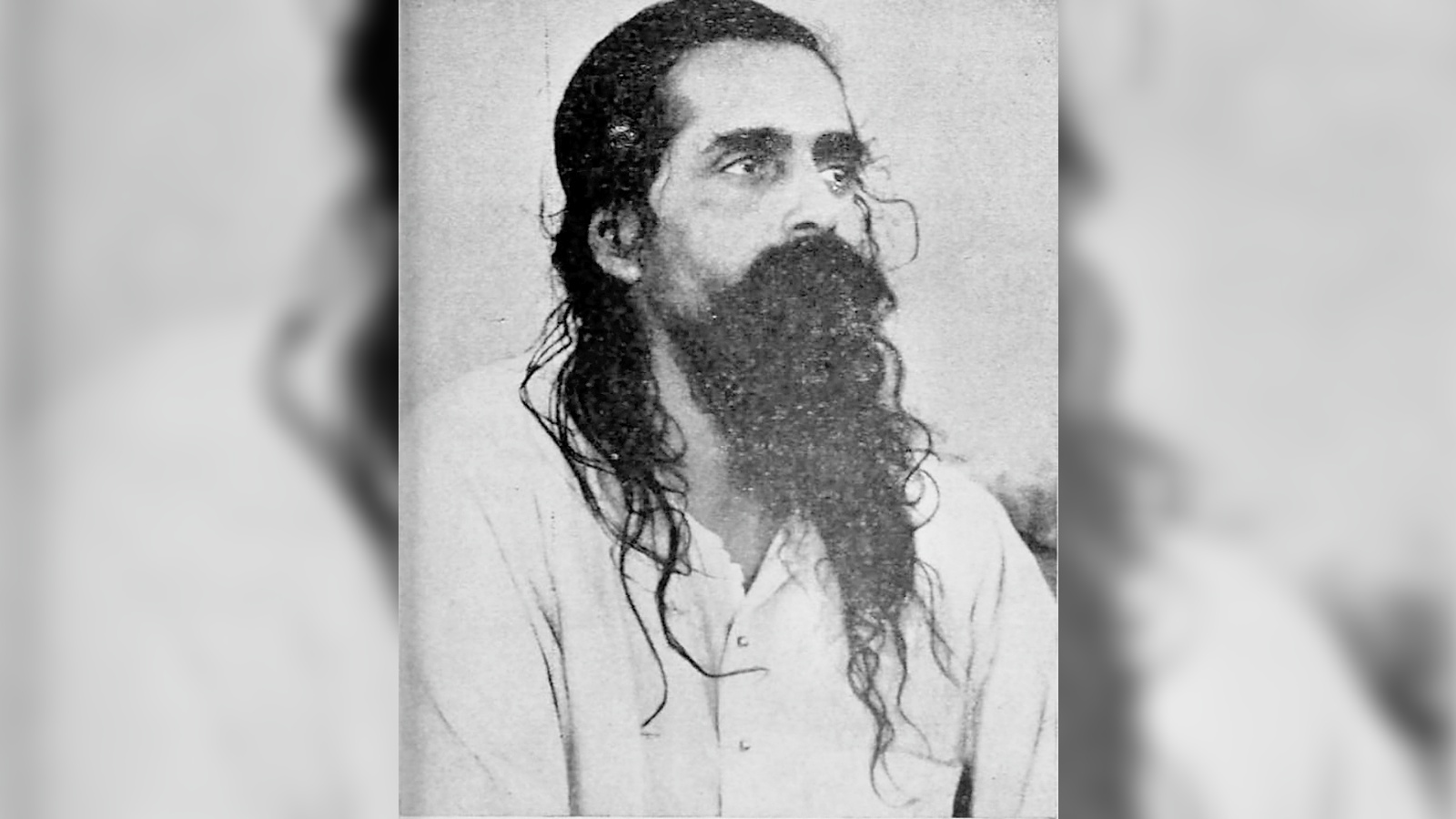
Golwalkar's UCC Reservations Contrast With BJP's Evolving Uniformity Agenda
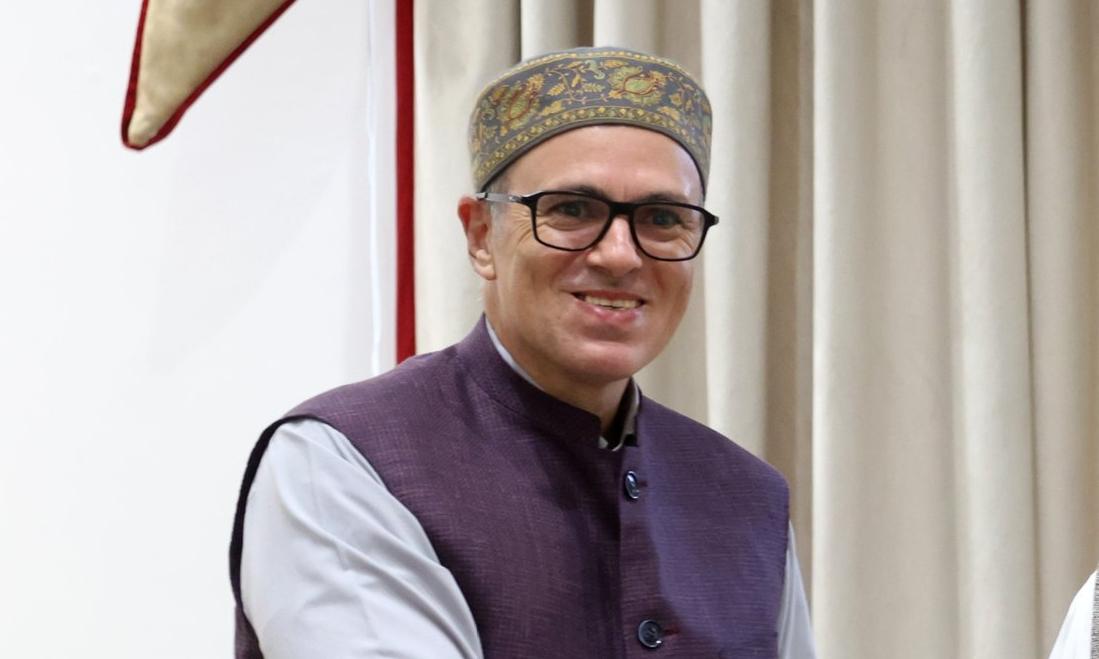
Omar Abdullah Urges BJP to Bring UCC to Parliament
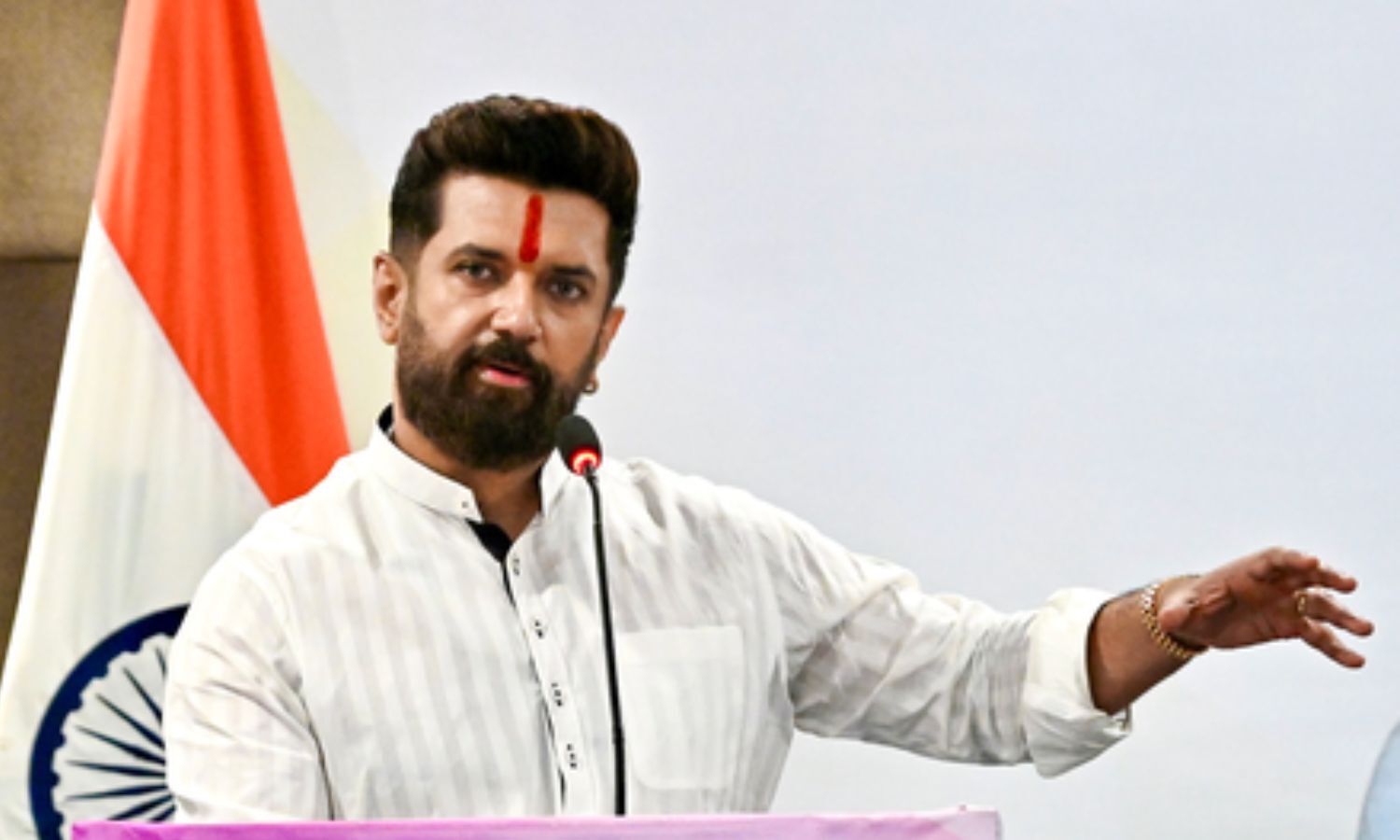
NDA Partners Debate Wider Consultation on Uniform Civil Code
Supreme Court Requires Magistrate Approval Before Article 22 Re-Arrest

Suvendu Adhikari Vows to Protect Purulia Hills From Exploitation

Tipu Sultan Portrait Dispute Reaches Bombay High Court

Supreme Court Strikes Down Maharashtra Methanol Rules