

1 hr ago
Golwalkar's UCC Reservations Contrast With BJP's Evolving Uniformity Agenda
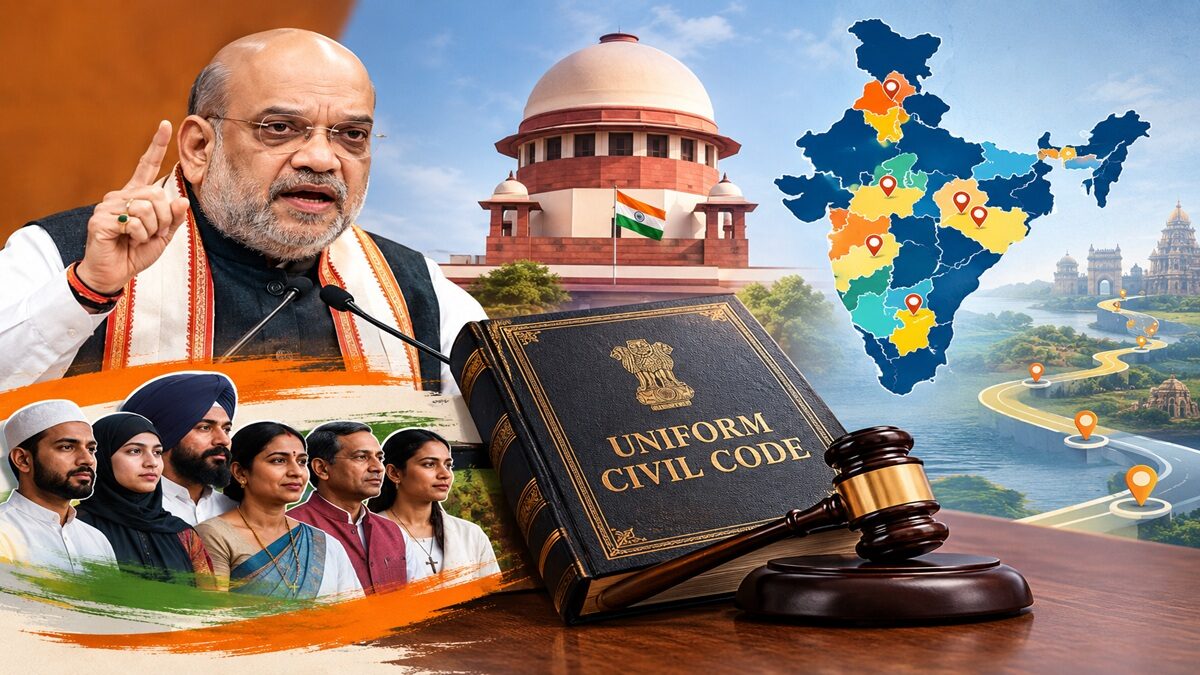
The Uniform Civil Code would create common rules for personal matters such as marriage and inheritance.
Today, different communities can follow different personal laws.
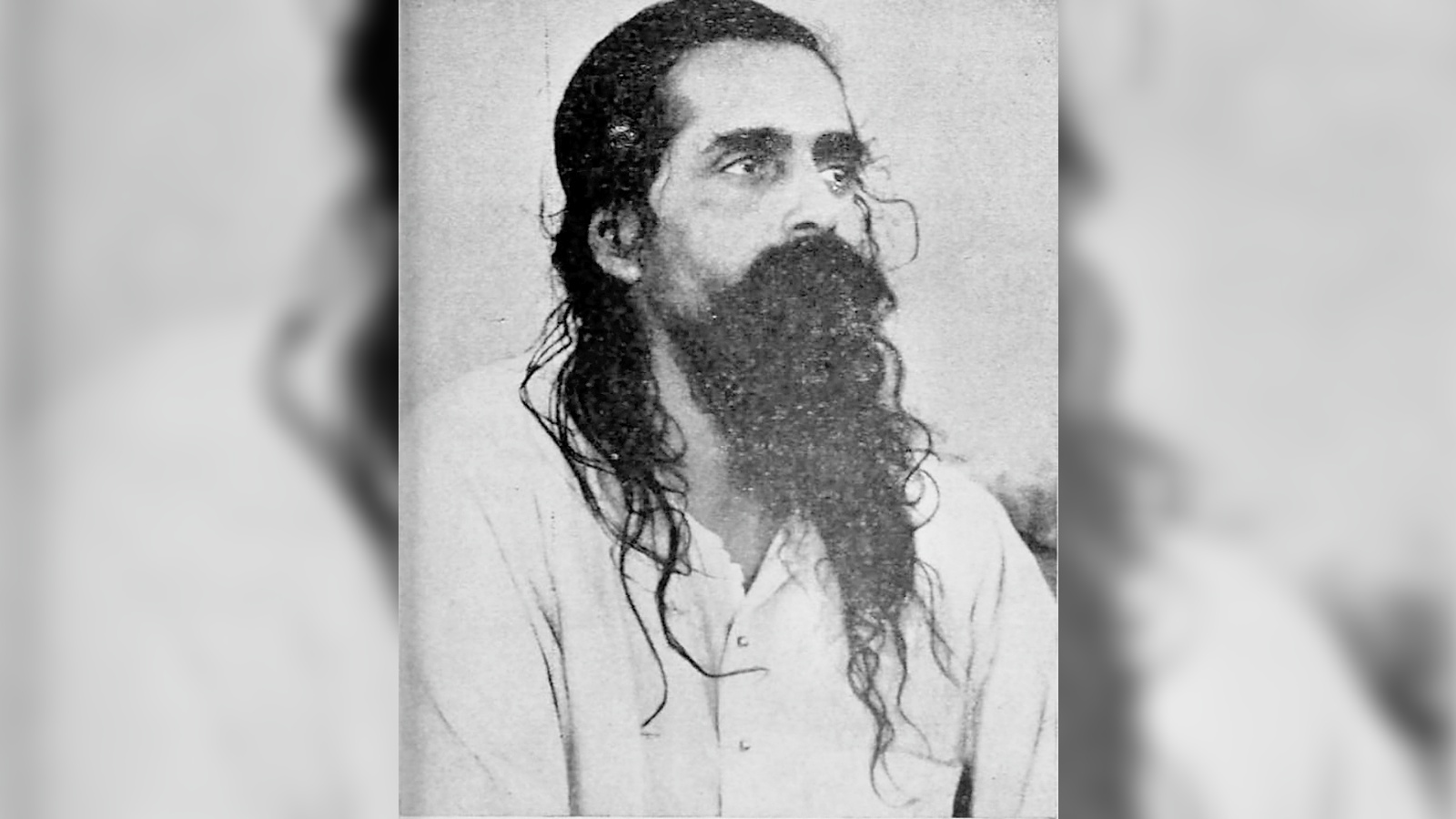
In 1972, RSS leader M. S. Golwalkar said India could stay united while keeping its diversity.
He said people should build friendliness rather than be forced to follow identical rules.
He also said Muslims should be allowed to change their personal laws in their own way.
Years later, the BJP and RSS began strongly supporting a UCC, especially after the Shah Bano case.
The BJP later made the UCC one of its major political promises.
Some tribal communities have different customs, so Uttarakhand excluded Scheduled Tribes from its UCC law.
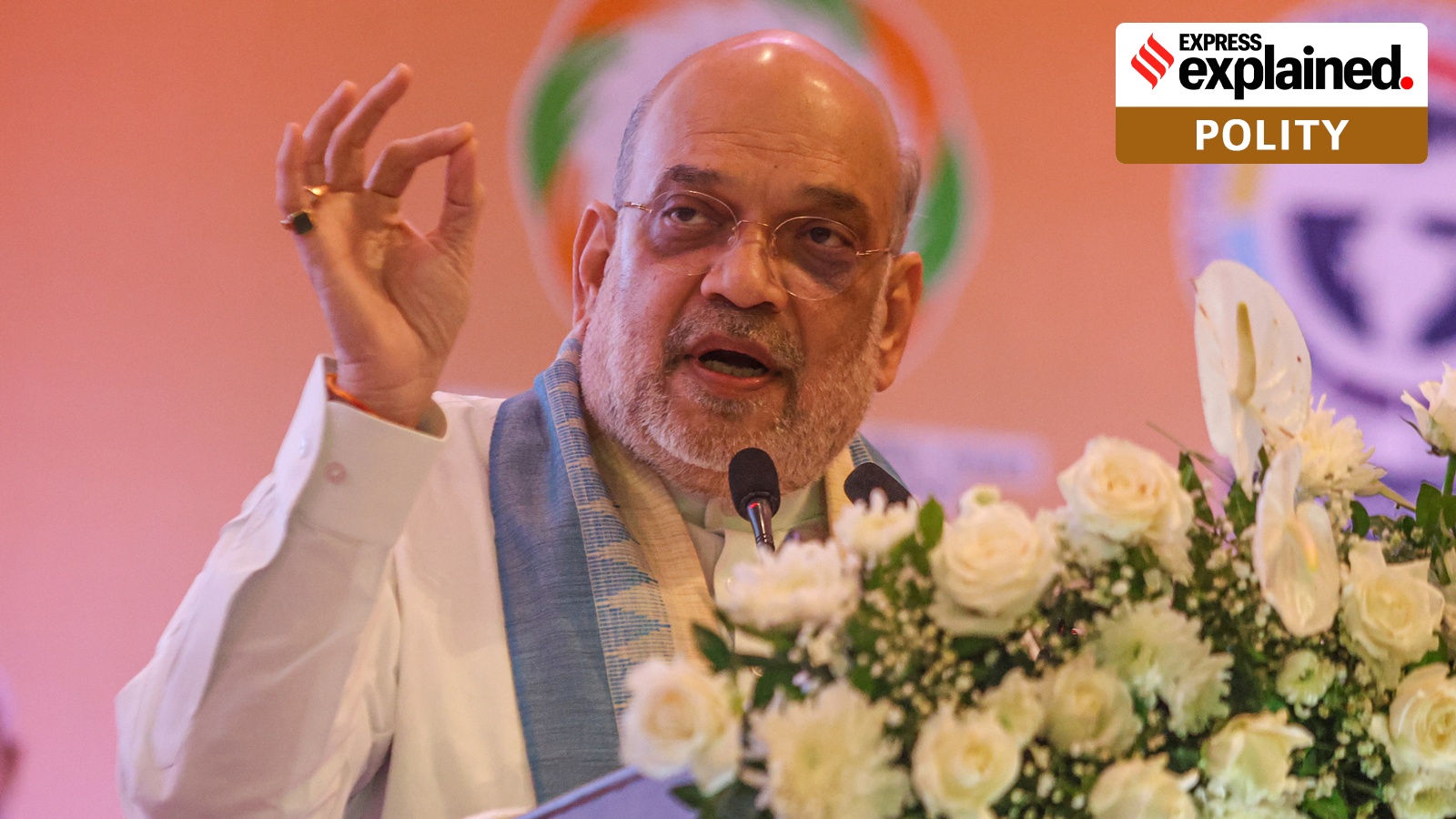
Amit Shah has promised to introduce the UCC in all NDA-governed states by 2029.

M. S. Golwalkar said in 1972 that national unity required amiability, not uniformity.
He opposed mechanically imposing a common civil code and favored allowing Muslim personal law to evolve independently.
The Bharatiya Jana Sangh initially omitted the UCC while opposing Hindu Code legislation in the 1950s and 1960s.
The BJP and RSS made the UCC a central demand after the 1985 Shah Bano case.
Tribal concerns led Uttarakhand to exclude Scheduled Tribes from its UCC law, while Amit Shah has pledged broader implementation by 2029.
- Who
- M. S. Golwalkar, the RSS, the Bharatiya Jana Sangh, the BJP, and Union Home Minister Amit Shah are central to the account.
- What
- The article traces changing positions on the Uniform Civil Code, from Golwalkar's 1972 reservations to the BJP's current support for it.
- Where
- The debate concerns India, including Uttarakhand, where Scheduled Tribes were excluded from the state's UCC law.
- When
- Golwalkar expressed his views in an August 1972 interview; the BJP and RSS shifted toward a stronger UCC position after the 1985 Shah Bano case.
- Why
- The UCC became a stronger BJP and RSS demand after the Shah Bano case and as the BJP sought to advance a long-standing political promise, while differing community customs remain a challenge.
Golwalkar's Diversity-Based Approach
Later BJP-RSS Uniformity Approach
National unity
Golwalkar's Diversity-Based Approach
Golwalkar argued that India could remain united through diversity and amiability rather than identical civil rules.
Later BJP-RSS Uniformity Approach
The later BJP-RSS position made a Uniform Civil Code one of its central political demands.
Personal-law reform
Golwalkar's Diversity-Based Approach
Golwalkar opposed imposing a common code mechanically and favored allowing Muslims to evolve their personal law independently.
Later BJP-RSS Uniformity Approach
Later BJP manifestos proposed commissions or Law Commission processes to formulate a common civil law and eventually promised a UCC.
Different community customs
Golwalkar's Diversity-Based Approach
Concerns about tribal customs and identities support preserving distinct ways of life; Uttarakhand excluded Scheduled Tribes from its law.
Later BJP-RSS Uniformity Approach
Supporters continue to pursue wider UCC implementation, with Amit Shah pledging adoption across NDA-ruled states by 2029.
Key facts
- Golwalkar's 1972 view
- He said India had historically combined diversity with national unity and that unity required amiability, not uniformity.
- View on Muslim personal law
- He opposed forcing uniformity mechanically and said Muslims should evolve their personal law in their own way.
- Early Jana Sangh position
- Its 1957 and 1962 manifestos called for repealing Hindu Code legislation but did not mention a UCC.
- Political turning point
- The 1985 Shah Bano case preceded the BJP and RSS making the UCC a core demand.
- Recent BJP manifestos
- The BJP promised to draft a UCC in its 2014, 2019, and 2024 manifestos.
- Tribal exclusion
- Scheduled Tribes were excluded from Uttarakhand's UCC law because of concerns about distinct customs and identities.
- Amit Shah's pledge
- Shah has promised to enact the UCC in all NDA-ruled states by 2029.
Quotes
MS Golwalkar
Second sarsanghchalak of the Rashtriya Swayamsevak Sangh
“Efforts to make uniform (civil code) in a mechanised way is not appropriate. Let Muslims evolve their (personal) law in their own way. I will be happy the day they reach the conclusion that polygamy is not good for them, but I would not like to force my views upon them… I am in favour of preserving the diversity of various ways of life.”
 indianexpress.com
“No. You and others may find this answer surprising. But my opinion is this… India has always encouraged diversity. Despite that, we have been a strong and unified nation for centuries. For unity, we need amiability, not uniformity”
indianexpress.com
Sources
Related news
Amit Shah Pushes State-By-State UCC Rollout Before 2029
Shah Sets 2029 UCC Goal Through State-by-State Implementation
NDA Partners Debate Wider Consultation on Uniform Civil Code

Owaisi urges NDA allies to oppose Uniform Civil Code
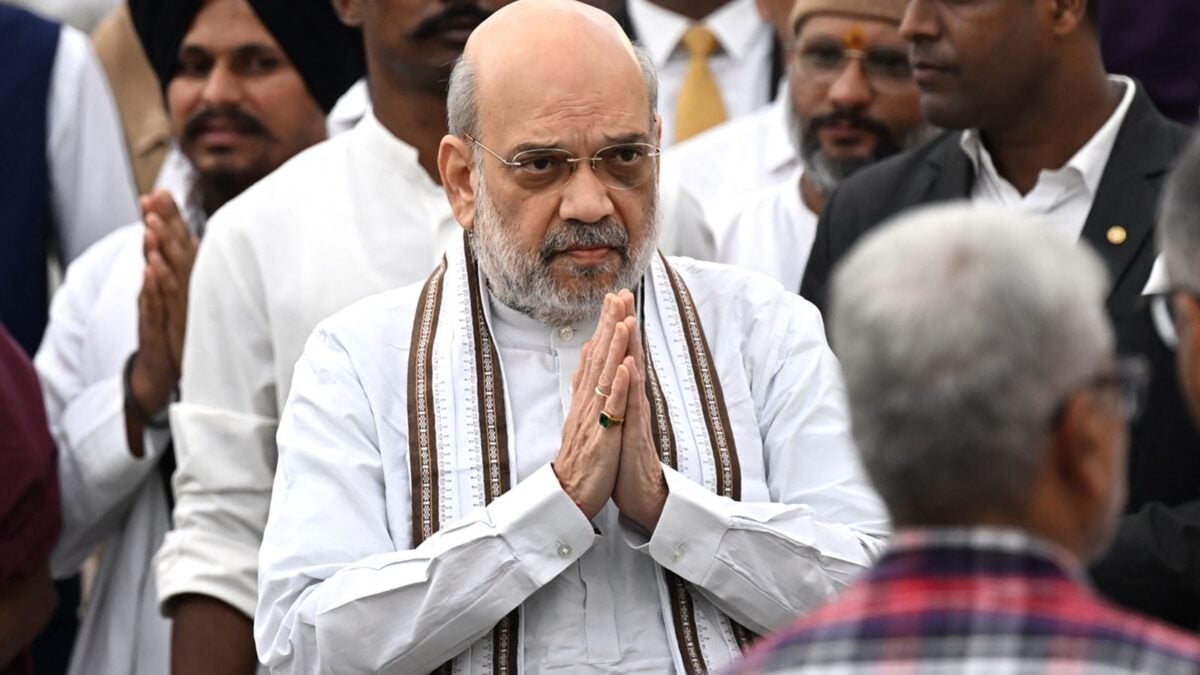
NDA Allies Split Over Amit Shah’s Uniform Civil Code Push
Owaisi Challenges Shah’s UCC Push and NDA Allies

Why Narendra Modi Replaced Keshubhai Patel as Gujarat Chief Minister
Krishna Gopal Das Urges 75-Year Rule for Modi, Bhagwat
Arun Jaitley’s Reform Legacy and Cross-Party Political Influence
Amit Malviya Replaced As BJP IT Cell Chief By Mhaskey
