

1 hr ago
Fed Rate Hike Raises Borrowing Costs Across Economy

The Federal Reserve raised a key interest rate by one-quarter of a percentage point.
This rate helps influence how much borrowing costs in the United States.
People with credit cards may see their interest costs rise quickly.
Home equity lines of credit may also become more expensive.
These loans often have rates that can change over time.
Other loans, such as mortgages and corporate loans, depend more on longer-term market rates.
The rate increase can affect both borrowing and saving costs.
The article does not specify how much any particular person’s payments will change.

The U.S. Federal Reserve raised its benchmark interest rate by 0.25 percentage points.
The decision was announced on Wednesday.
People with variable-rate debt are likely to feel the effects most quickly.
Credit cards and home equity lines of credit may become more expensive.
Mortgages and corporate loans are influenced more by longer-term market rates.
- Who
- The U.S. Federal Reserve and people and businesses that borrow or save money.
- What
- The Federal Reserve raised its benchmark interest rate by 0.25 percentage points.
- Where
- Across the U.S. economy.
- When
- Wednesday; the article does not provide a specific date.
- Why
- The rate increase is expected to affect borrowing and saving costs.
Key facts
- Rate change
- The benchmark interest rate increased by 0.25 percentage points.
- Announced
- The decision was announced on Wednesday.
- Fastest effects
- Variable-rate debt is expected to reflect the change most quickly.
- Credit cards
- Credit card borrowing costs may rise.
- Home equity lines
- Home equity lines of credit may become more expensive.
- Mortgages
- Mortgage costs are influenced more by longer-term market rates.
- Corporate loans
- Corporate loan costs are also influenced more by longer-term market rates.
Sources
Related news
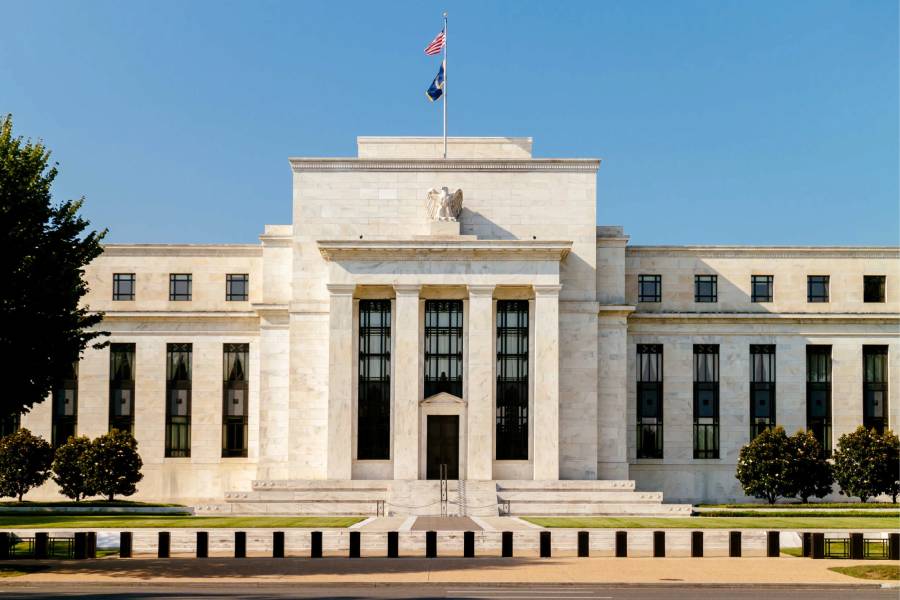
Federal Reserve Raises Rates, Signals Another Hike This Year
Federal Reserve Raises Rates, Signals Another Hike Ahead
Federal Reserve Raises Rates Quarter Point Amid Persistent Inflation
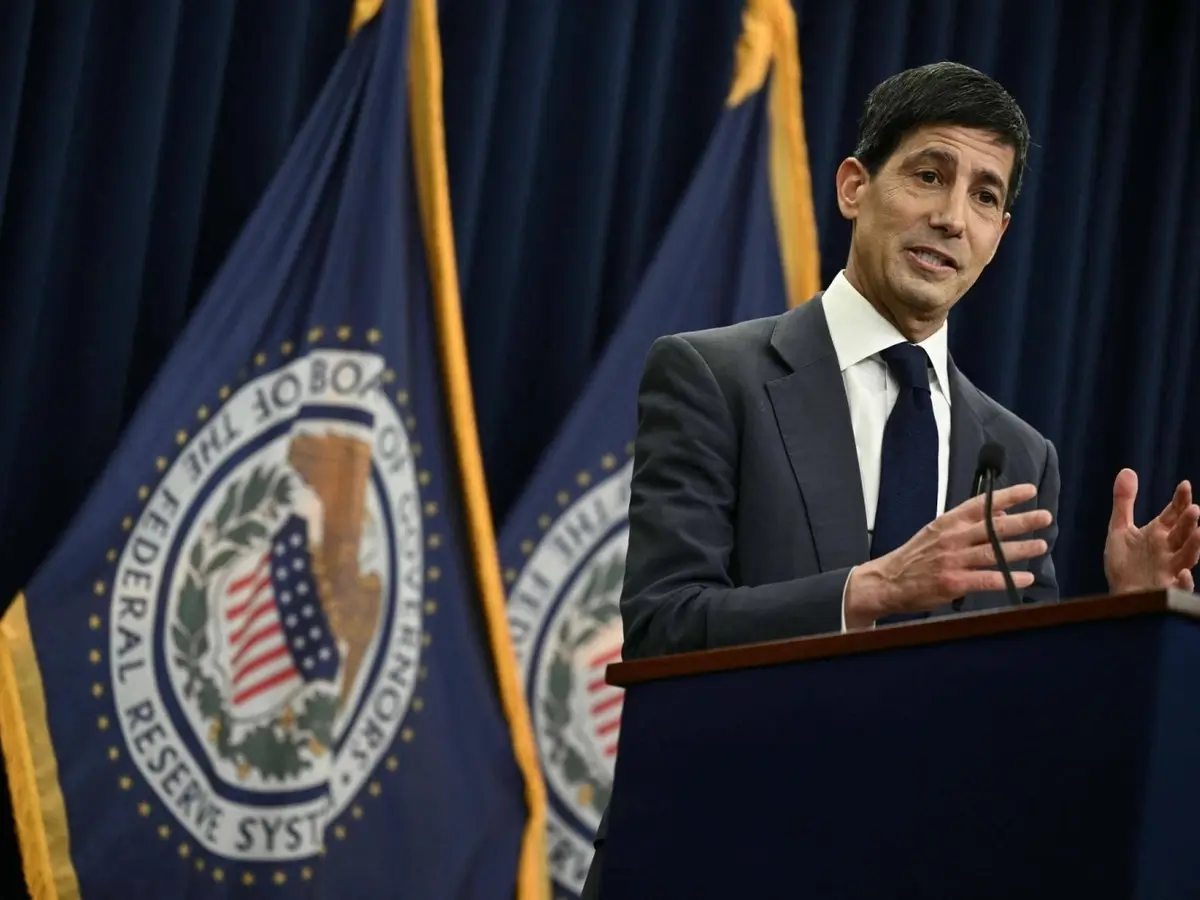
Federal Reserve Raises Rates as Inflation Mounts, Defying Trump
Fed Raises Rates, Signals More Hikes as Inflation Persists
White House Criticizes Fed Rate Hike Over Inflation Dispute

Gold falls after Fed rate hike boosts dollar

US Fed Rate Hike Puts India’s Markets Under Pressure
