

1 hr ago
US Fed Rate Hike Puts India’s Markets Under Pressure

The US central bank raised interest rates to help control inflation.
This can make investments in the United States more attractive.
As a result, some investors may move money away from India.
That could weaken the Indian rupee and put pressure on Indian shares and bonds.
A weaker rupee can make imported goods, especially oil, more expensive.
India imports more than 80% of its oil needs, so oil prices matter greatly.
The Reserve Bank of India will watch these effects while also considering India’s own inflation and economic growth.
If the RBI raises its own rate, loans for families and businesses could become more expensive.
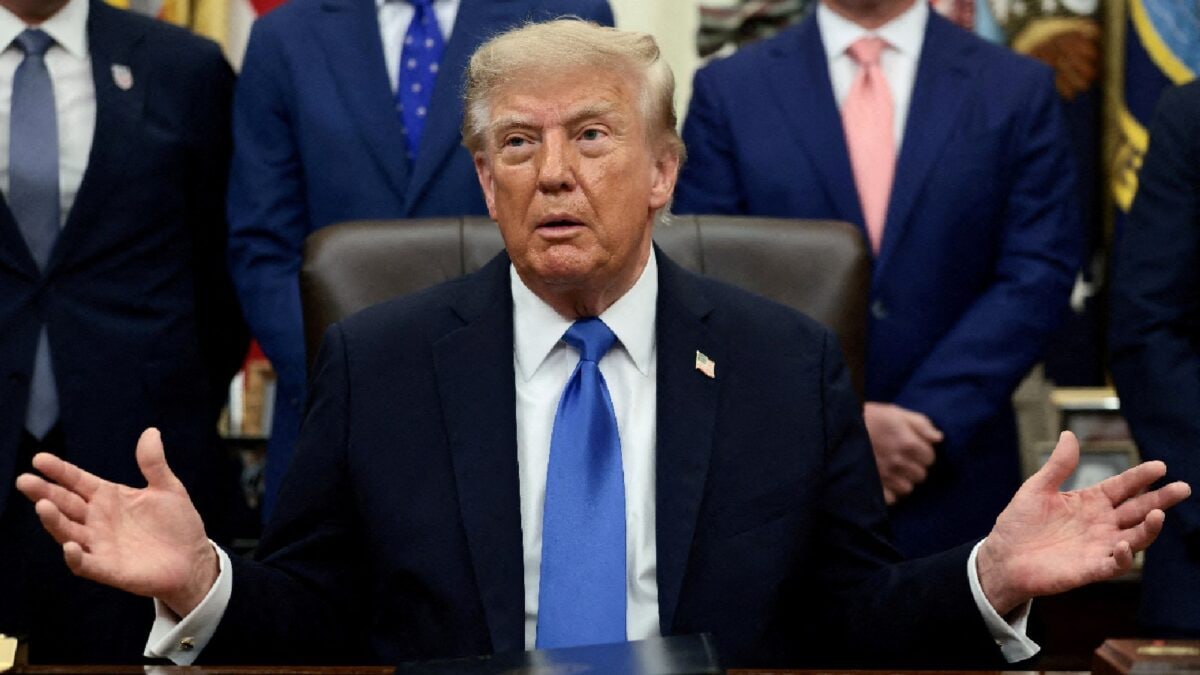
US President Donald Trump wanted lower borrowing costs, but Fed policymakers focused on continuing inflation pressures.

The Federal Reserve raised its policy rate by 0.25 percentage point to a 3.75%-4% range.
Policymakers indicated that another rate increase could occur later this year.
Higher US rates could strengthen the dollar, pressure the rupee and increase imported inflation in India.
Foreign portfolio investors have already withdrawn ₹2.41 lakh crore from Indian stocks in 2026, according to NSDL data.
The Reserve Bank of India may weigh currency stability and capital outflows when setting its next policy rate.
- Who
- The US Federal Reserve, the Reserve Bank of India, foreign portfolio investors and US President Donald Trump are central to the report.
- What
- The Federal Reserve raised interest rates by 0.25 percentage point and signalled that another hike may follow, with potential effects on India.
- Where
- The policy decision was made in the United States, with possible effects on India’s currency, markets and economy.
- When
- The decision was announced on Wednesday; the article also refers to developments in 2026.
- Why
- The Federal Reserve cited persistent inflation and a relatively stable labour market, while the Indian effects would occur through currency movements, capital flows, bond yields, equities and oil prices.
Case for Higher Rates
Case for Lower Rates
US monetary policy
Case for Higher Rates
Federal Reserve policymakers raised rates because inflation remained above target and was viewed as persistent, while the labour market was relatively stable.
Case for Lower Rates
Donald Trump argued that US borrowing costs should be lower and threatened to escalate trade wars if the Federal Reserve did not cut rates.
India’s policy response
Case for Higher Rates
The Reserve Bank of India could consider raising its repo rate to help address capital outflows, currency pressure and the interest-rate differential.
Case for Lower Rates
The RBI’s decisions are also guided by domestic inflation, growth and other economic conditions, so a US rate hike does not automatically require an Indian rate increase.
Key facts
- US policy rate
- The federal funds rate was raised to a range of 3.75% to 4%.
- Potential next move
- Federal policymakers indicated an additional hike later this year.
- Indian stock outflows
- Foreign portfolio investors have withdrawn ₹2.41 lakh crore from Indian stocks so far in 2026, according to NSDL data.
- Oil dependence
- India meets more than 80% of its oil requirements through imports.
- Inflation target
- US inflation has remained above the Federal Reserve’s 2% target.
- Possible Indian response
- A Reserve Bank of India repo-rate increase could raise borrowing costs for consumers and businesses.
Sources
Related news

Potential US Fed Rate Hike Could Pressure Indian Markets

US Fed Rate Hike Puts Indian Markets, Rupee Under Watch

Oil Surge and Fed Hike Test India’s Economy

Fed Rate Decision May Pressure Stocks, Gold, and Rupee

US Fed Rate Hike May Pressure Indian Stocks, Analysts Say

Global Funds Sell Indian Bonds as Yields Stay Above 7%

Fed Rate Hike Raises Borrowing Costs Across Economy

Fed Raises Rates, Signals More Hikes as Inflation Persists
White House Criticizes Fed Rate Hike Over Inflation Dispute

Gold falls after Fed rate hike boosts dollar
