1 hr ago
Rohingya Return Deal Raises Questions About India’s Neutrality
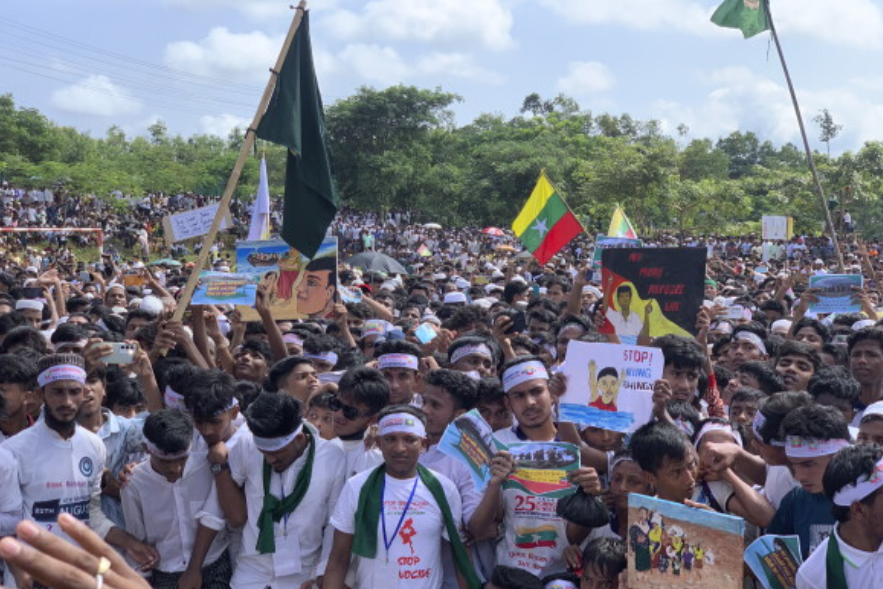
Many Rohingya people have had to leave their homes in Myanmar.
Many fled to Bangladesh during military crackdowns and other violence.
A reported plan between Bangladesh and Myanmar might let some people return.
But the reports do not explain where they would live or what rights they would have.
Myanmar has not agreed to call them Rohingya or give them citizenship, according to the article.
Some Rohingya remain in camps, while others live in nearby countries.
The article says India is trying to stay out of the dispute.
It warns that the crisis could affect countries across the region.

A reported arrangement between Bangladesh and Myanmar may allow Rohingya refugees to return, but the article says its terms remain unclear.
The article says Myanmar has denied Rohingya citizenship and restricted their movement, education and access to civil service jobs.
More than 740,000 Rohingya fled to Bangladesh in 2017, and the article says over 900,000 have fled there since 2015.
The reported arrangement does not specify where returnees would live or what legal status they would receive; it reportedly calls them “displaced residents.”
The article argues that India’s careful neutrality could become harder to maintain as the regional humanitarian crisis grows.
- Who
- Rohingya refugees, and the governments of Bangladesh and Myanmar; India is also discussed.
- What
- A reported Bangladesh-Myanmar arrangement could enable Rohingya returns, but its details and provisions for their status are unclear.
- Where
- Myanmar’s Rakhine State and Bangladesh, with India discussed in relation to the regional crisis.
- When
- The arrangement was recently reported; the article also describes displacement and crackdowns dating back decades, particularly in 2016–2018.
- Why
- The reported arrangement is presented as a possible response to Rohingya displacement, persecution and the continuing humanitarian crisis.
Rohingya identity and rights
Myanmar authorities’ position as described
Name and identity
Rohingya identity and rights
Many Rohingya regard recognition of their name as connected to their basic rights and identity, and say Rakhine is their historic home.
Myanmar authorities’ position as described
The article says Myanmar authorities reject the term “Rohingya” and use “Bengali,” implying foreign origins.
Return and legal status
Rohingya identity and rights
A return could offer hope only if Rohingya can have a secure future and meaningful rights, the article argues.
Myanmar authorities’ position as described
The reported arrangement calls them “displaced residents”; the article says its brief reports do not indicate that citizenship would be granted.
Key facts
- Rohingya population before major displacement
- Estimated at close to 1.4 million in Myanmar before the 2015 crisis and crackdowns in 2016 and 2017.
- Displacement to Bangladesh
- The article says more than 740,000 fled in 2017 and over 900,000 have fled there since 2015.
- Myanmar nationality law
- The article says the 1982 law denied Rohingya citizenship rights.
- Internally displaced people
- The article estimates that more than 100,000 Rohingya in Myanmar are confined in camps.
- Reported arrangement
- The article says reports provide no details on returnees’ accommodation or status and refer to them as “displaced residents.”
- India’s position
- The article describes India as carefully neutral on the Rohingya identity and citizenship controversy.
Quotes
UN human rights envoy to Myanmar
A United Nations human rights envoy reporting on conditions in Myanmar.
“the long history of discrimination and persecution against the Rohingya community... could amount to crimes against humanity”
 deccanchronicle.com
Sources
Related news
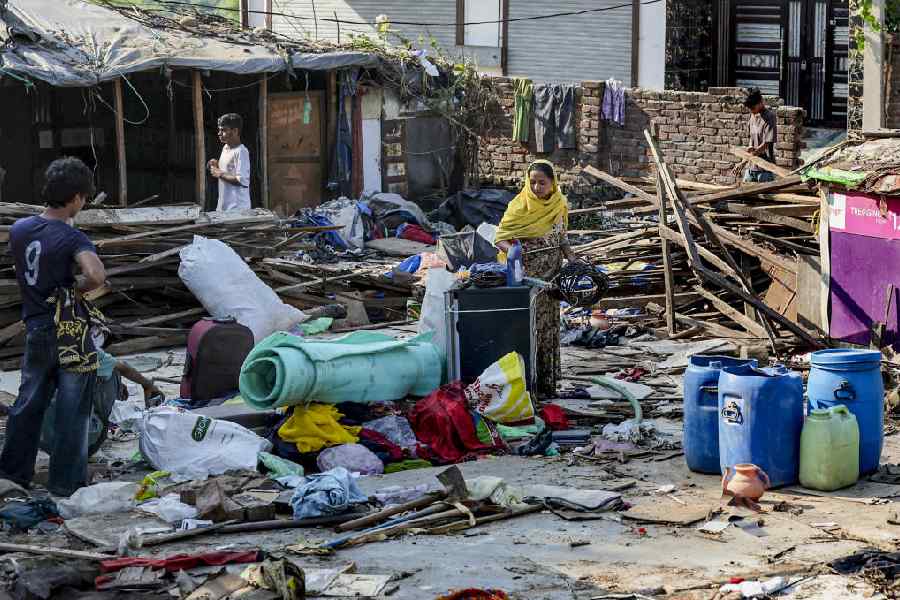
Rohingya Families Left Homeless as Jammu Shanties Face Demolition
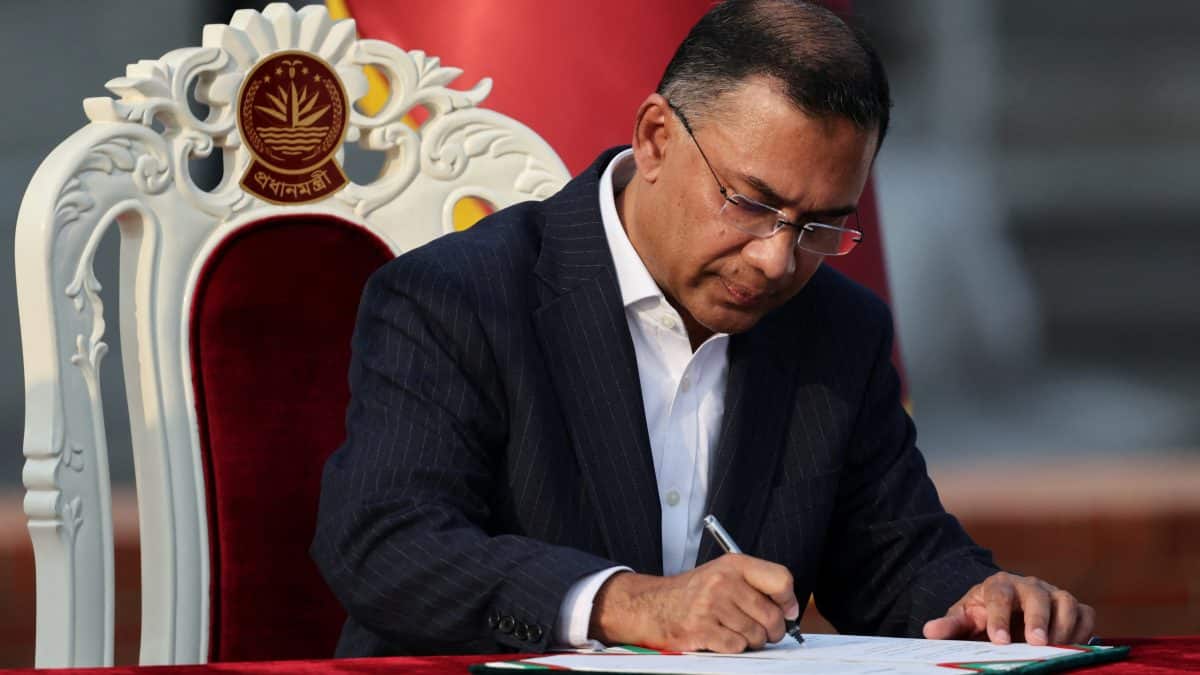
Bangladesh Rejects India Outreach as Jamaat Shapes Foreign Policy
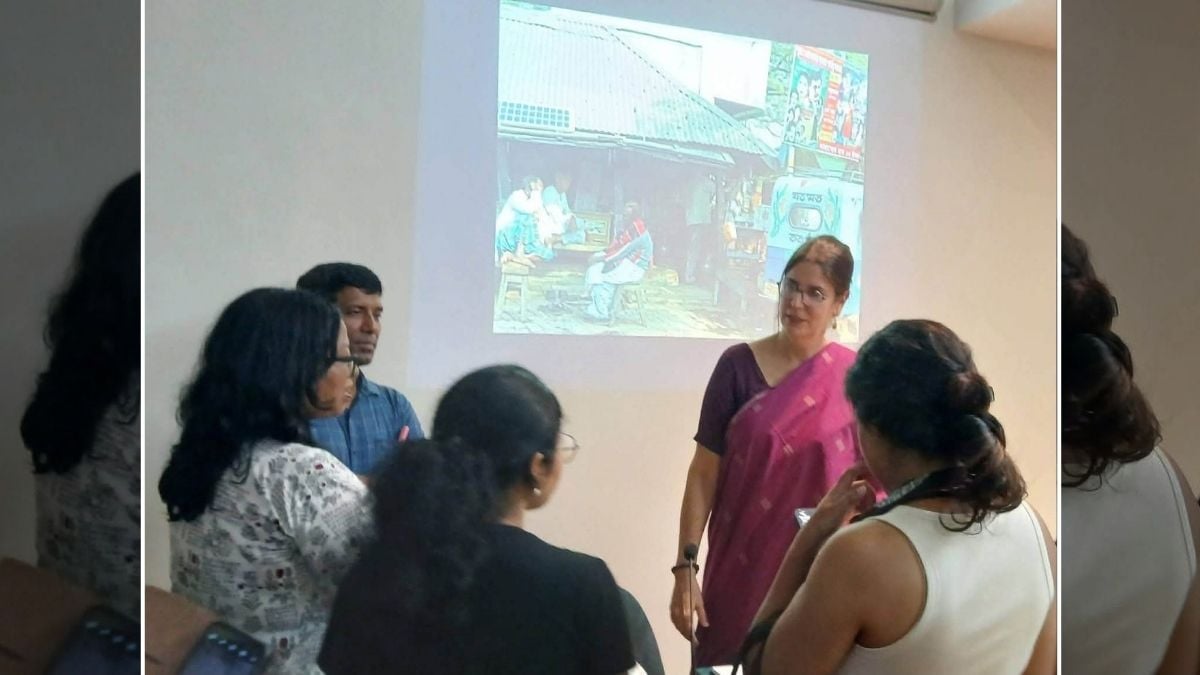
Kolkata Event Examines Bangladesh’s Marginalized Bihari Muslims

Rohingya Families Dismantle Jammu Settlements After Eviction Notices
Opinion Warns of Hindu Persecution and Historical Amnesia
SIR Exercise Raises Fears of Statelessness Among Migrant Families
Bangladesh Seeks Longer Ganges Pact With India, Dry-Season Guarantee
Tripura Police Say Probe Into Former DGP’s Death Nears Completion
Bangladesh Calls for Dialogue to Resolve Water-Sharing Disputes
South Asia Heat Plans Advance, but Local Implementation Lags