1 hr ago
SIR Exercise Raises Fears of Statelessness Among Migrant Families
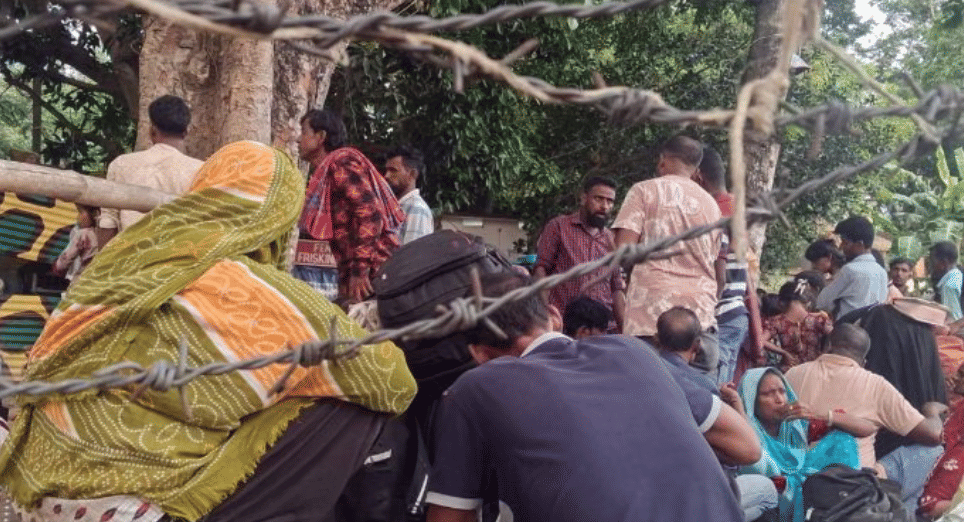
The article is about people in India whose names were removed from voter lists.
Some authorities reportedly treated these people as foreigners and sent some families toward Bangladesh.
The Supreme Court said that being left off a voter list does not automatically mean someone is not an Indian citizen.
The article says poor families may struggle to prove who they are because their documents can be missing or incorrect.
Women, migrants and people displaced by disasters may face especially serious problems.
The writer worries that these rules could leave people without homes, government benefits or a country that accepts them.
The article also remembers that India sheltered many people from Bangladesh during the 1971 war.
It asks authorities to handle migration and citizenship issues with fairness and humanity.

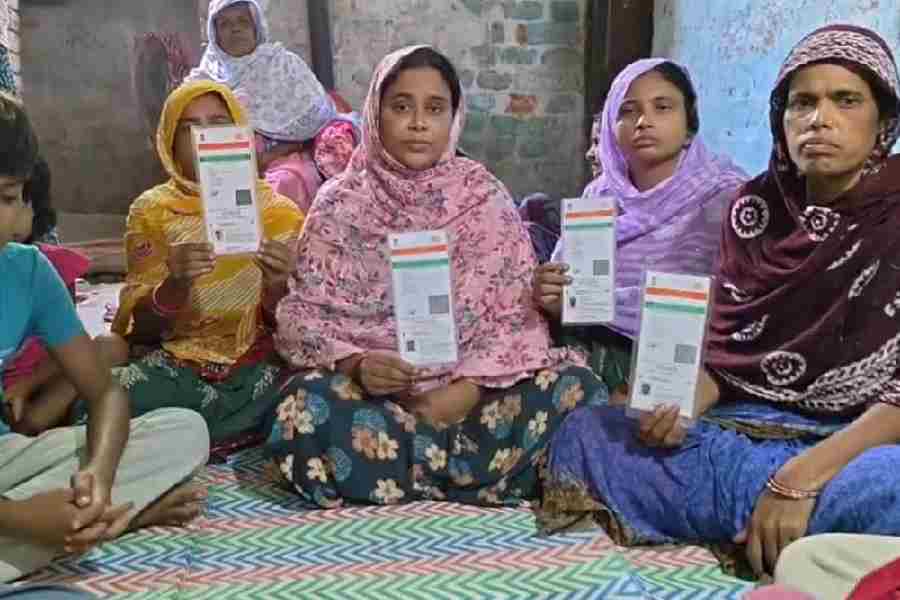
The article describes Bangladeshi migrant families allegedly detained and deported after being identified as illegal immigrants.
It says people excluded from electoral lists after the Special Intensive Revision were treated by some states as illegal residents.
The Supreme Court of India clarified that exclusion from the SIR does not automatically determine citizenship or illegal-migrant status.
The article argues that unreliable documents and burdensome proof requirements disproportionately affect poor, displaced, rural and migrant people.
It contrasts current deportation concerns with India’s acceptance of approximately 10 million Bangladeshi refugees during the 1971 Bangladesh Liberation War.
- Who
- Migrant workers and families identified by authorities as illegal immigrants, along with Indian state authorities, the Election Commission of India and the Supreme Court of India.
- What
- The article alleges that people excluded from electoral lists after the Special Intensive Revision faced detention, loss of welfare benefits and possible deportation.
- Where
- In India, including slum settlements and border areas described as no man’s land between India and Bangladesh.
- When
- After the Special Intensive Revision and the Supreme Court’s ruling on its validity; the article does not provide specific dates for the reported detentions or deportations.
- Why
- Authorities reportedly linked missing names in electoral lists with illegal-resident status, while the article argues that documentation problems make this approach unreliable and unfair.
Humanitarian and Legal Concerns
Residency Enforcement by Authorities
Meaning of SIR exclusion
Humanitarian and Legal Concerns
Exclusion from a voter list should not determine citizenship or automatically label someone an illegal migrant, consistent with the Supreme Court’s clarification.
Residency Enforcement by Authorities
The article says some states treated people whose names were missing after the SIR as illegal residents and made them subject to deportation.
Documentation requirements
Humanitarian and Legal Concerns
The article argues that missing, incorrect or incomplete documents can unfairly burden poor, migrant, displaced and illiterate people.
Residency Enforcement by Authorities
Authorities are described as relying on documentation and electoral-list records to determine residency status, although the article does not present a detailed official justification.
Treatment of migrants
Humanitarian and Legal Concerns
The writer calls for humane treatment and warns that deportations could create more homeless, nameless and stateless people.
Residency Enforcement by Authorities
The article describes state authorities as pursuing identification and deportation of people considered illegal immigrants, citing residency and national-interest concerns.
Key facts
- Central issue
- Whether exclusion from electoral lists is being used to identify people as illegal migrants.
- Court clarification
- The Supreme Court of India said exclusion from the SIR does not automatically establish a person’s citizenship status or make them an illegal migrant.
- Reported deletions
- The article says nearly 6 crore names had been deleted after the SIR exercise.
- Groups described as vulnerable
- Poor, rural, migrant, displaced and marginalized people, including women, children and the elderly.
- Reported consequences
- The article says some people faced detention, deportation, exclusion from welfare schemes and loss of free-ration benefits.
- Historical comparison
- India accepted approximately 10 million Bangladeshi refugees during the 1971 Bangladesh Liberation War, according to the article.
Quotes
A police officer
An officer involved in the nighttime raid described at the beginning of the article
“Arrest them! They are the illegal immigrants from Bangladesh!”
 theprint.in
Sources
Related news
Jharkhand Villagers Fear Citizenship After BJP Voter Objections
Supreme Court Closes Citizenship Deportation Case After Returns

AAP alleges migrant voters intentionally removed from Delhi electoral rolls
Karnataka migrant drive puts Bengali Muslims under citizenship scrutiny
23 Murshidabad Workers Held in Chhattisgarh Over Citizenship Suspicion

Cummins Expects Hostility on Australia’s First South Africa Test Tour
Political Theme Shapes Ganesh Chaturthi Celebration in Kolkata's Baguiati
Analyst urges Bangladesh to protect rights and political inclusion

Pakistan Plunge After 11-Point World Test Championship Penalty