2 weeks ago
The Forgotten Partition History Behind Delhi's Most Famous Markets

Many years ago, a very big event called the Partition happened.
Lots of people had to leave their homes and go to a new place.
Many of them came to the city of Delhi.
Some people had saved money and were ready for the move.
They got shops and pieces of land in new neighborhoods.
Other people came with nothing at all.
They had to sleep in old arches in the wall of an ancient part of Delhi, and in shelters made from scrap.
A man who studies old buildings, Sohail Hashmi, says we usually only hear the stories of the lucky ones.
The happy story of 'refugee becomes rich' is not the whole truth.

A Delhi market that was once the last resort of people who had lost everything has become an asset for people who already had a great deal.
Heritage conservationist Sohail Hashmi says the Partition stories we hear belong to refugees who arrived from West Punjab with some means.
Refugees who came without money, property or papers were housed in the arches of the Shahjahanabad wall and in settlements of scrap material.
Those with capital and connections took up allotted shops and plots in the new colonies.
The state and later the property market sorted the displaced, so the image of a single refugee-to-prosperity path holds only if both exclusions are left out.
- Who
- Partition refugees from West Punjab, especially the poorest who arrived without money, property or papers, and heritage conservationist Sohail Hashmi.
- What
- An analysis of the overlooked and uneven Partition history behind Delhi's famous markets, where better-off refugees got shops and plots while the poorest were left in marginal shelters.
- Where
- Delhi, including the arches of the Shahjahanabad wall; refugees arrived from West Punjab.
- When
- During the Partition, when displaced people arrived in Delhi.
- Why
- To show that the common image of a single upward path from refugee to prosperity hides how the state and the property market sorted the displaced.
Key facts
- Topic
- Partition history behind Delhi's famous markets
- Analyst quoted
- Sohail Hashmi, heritage conservationist
- Refugees' origin
- West Punjab
- Poorest refugees housed
- Arches of the Shahjahanabad wall and settlements of scrap material
- Better-off refugees received
- Allotted shops and plots in new colonies
- Main argument
- State and property market sorted the displaced, hiding exclusions in the refugee-to-prosperity story
Sources
Related news

Delhi LG Warns Partition Could Be Reduced To Dates

Photo project explores how Partition reshaped Punjab border families
How Sindh Society in Aundh Traces Its Roots to Partition
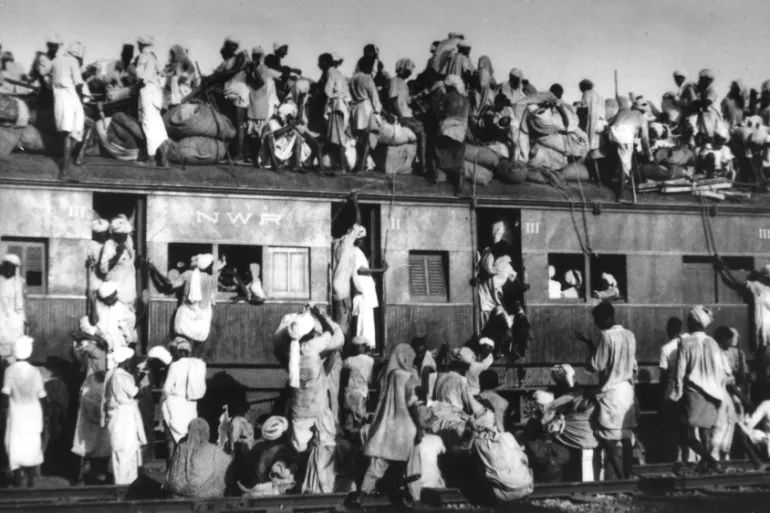
Remembering Partition's forgotten impact on Assam and Northeast

Hardeep Singh Puri recalls parents' Partition scars on Remembrance Day
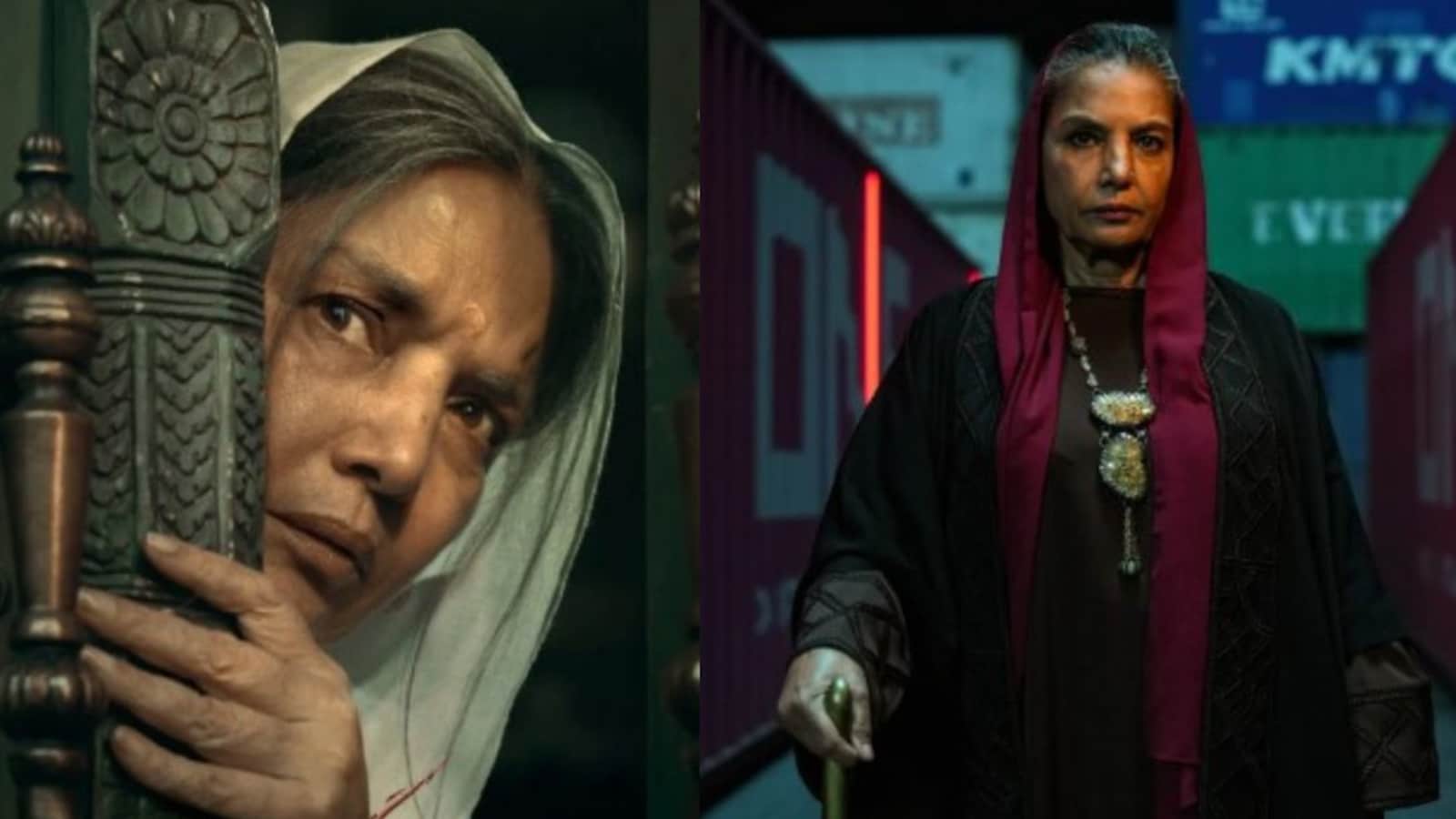
Shabana Azmi Shines in Batwara 1947, Fades in Awarapan 2
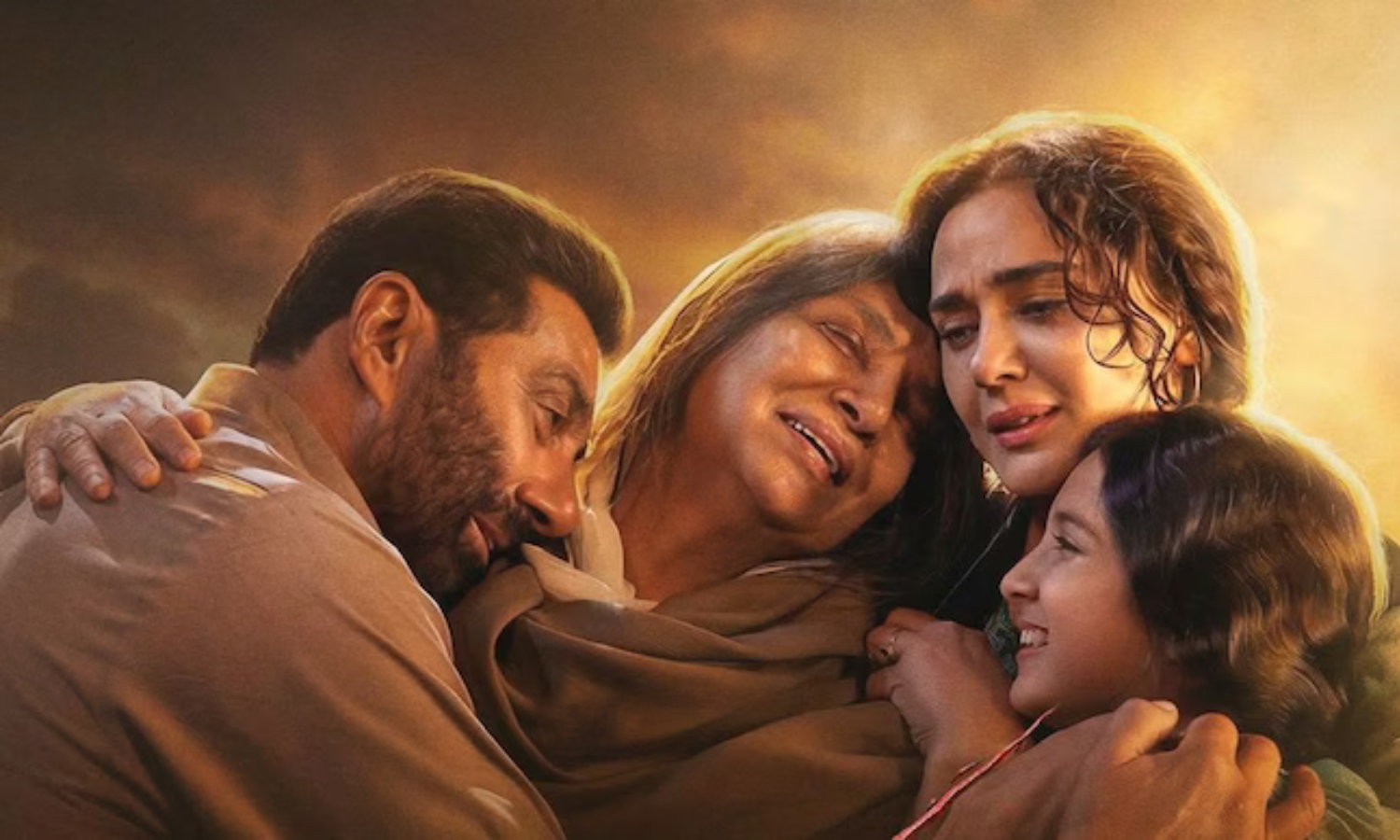
Batwara 1947 Review: Humanity Above Religion in a Partition Story
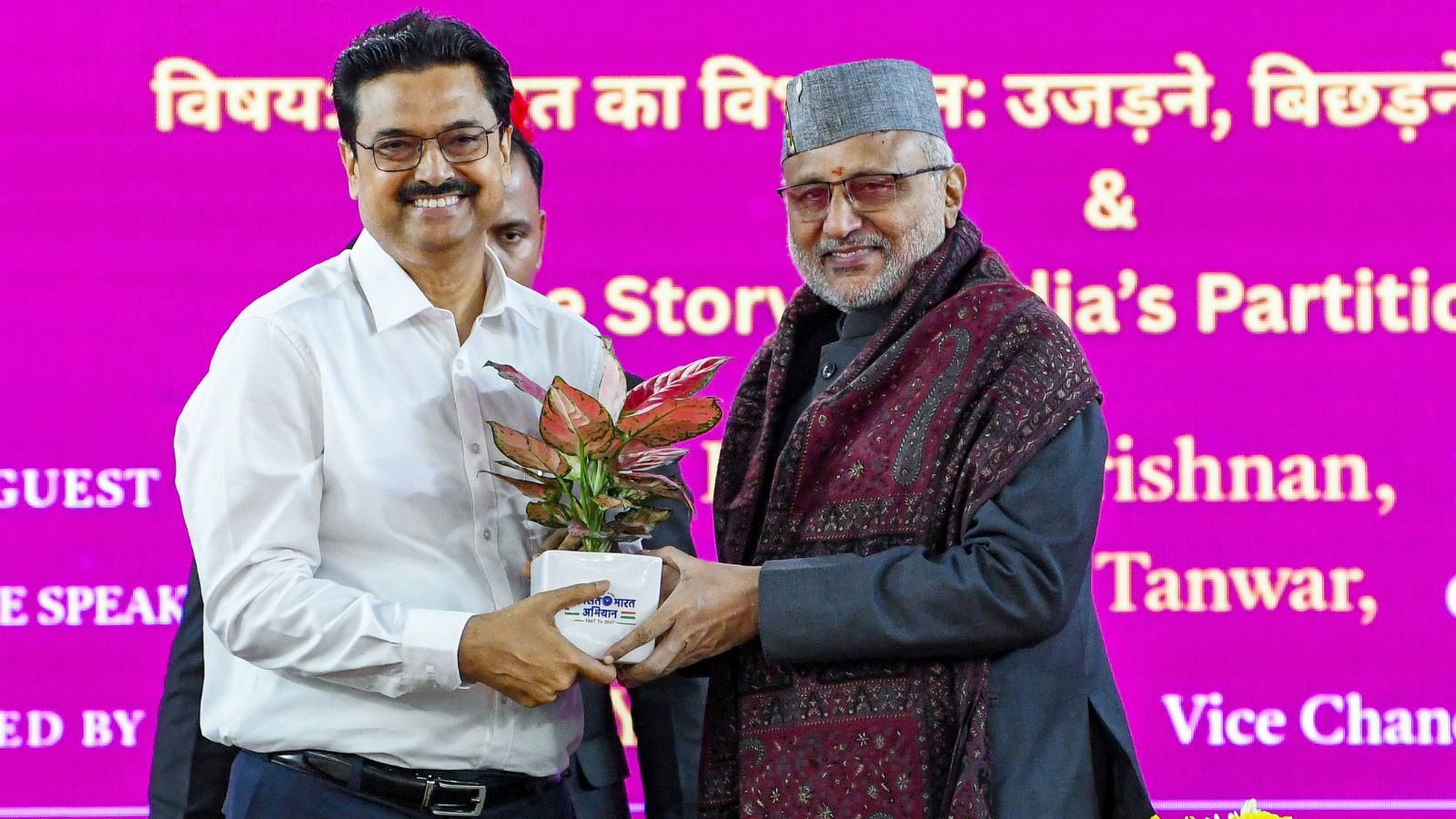
Vice-President calls Partition most dehumanising chapter at Delhi University