2 weeks ago
Batwara 1947 Review: Humanity Above Religion in a Partition Story
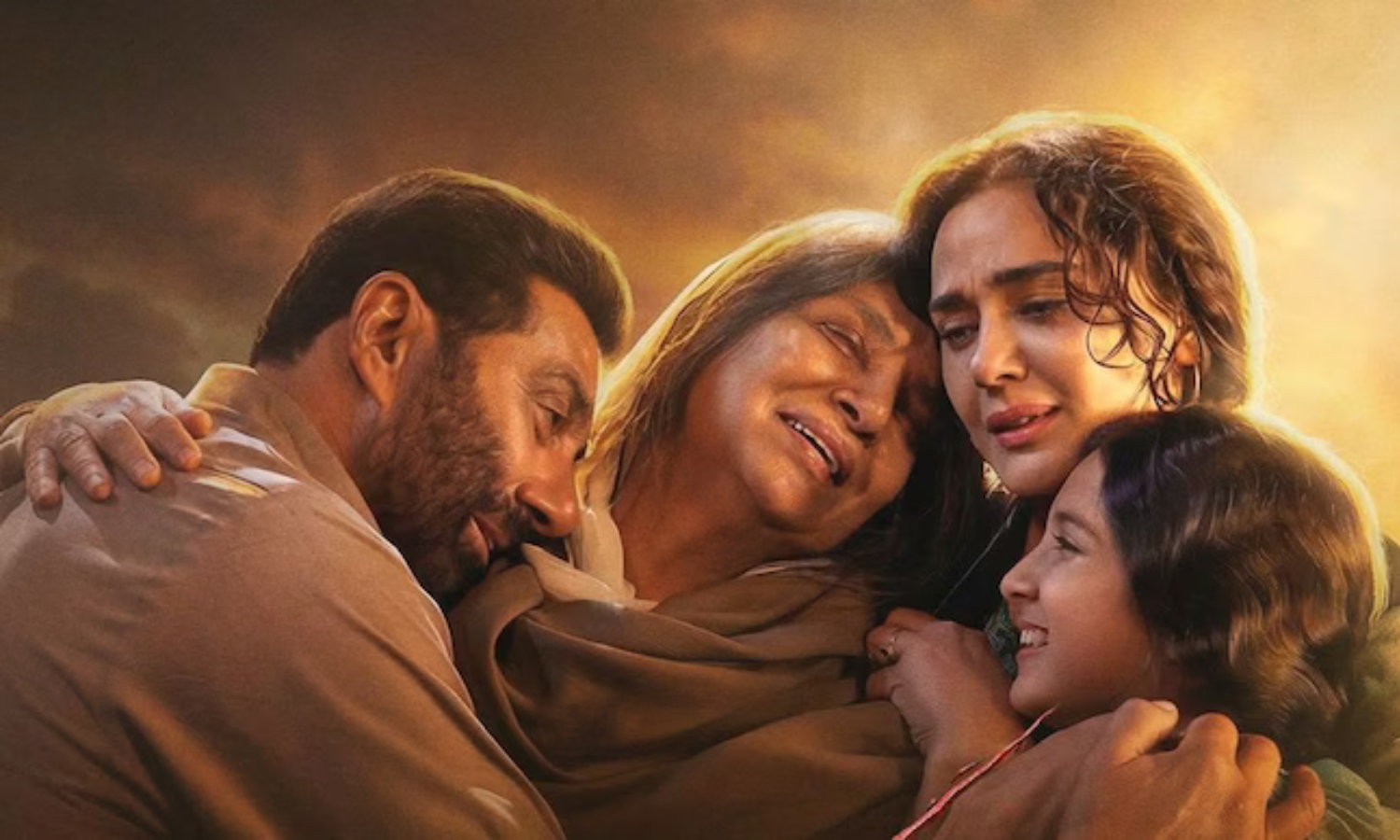
A new movie called Batwara 1947 tells a story about the Partition of India in 1947, when the country was divided.
In the movie, a Muslim family has to leave their home in Lucknow and move to the city of Lahore.
They are given a big, beautiful house called a haveli to live in.
But when they arrive, they find an elderly Hindu woman named Durga Mai still living there, all alone.
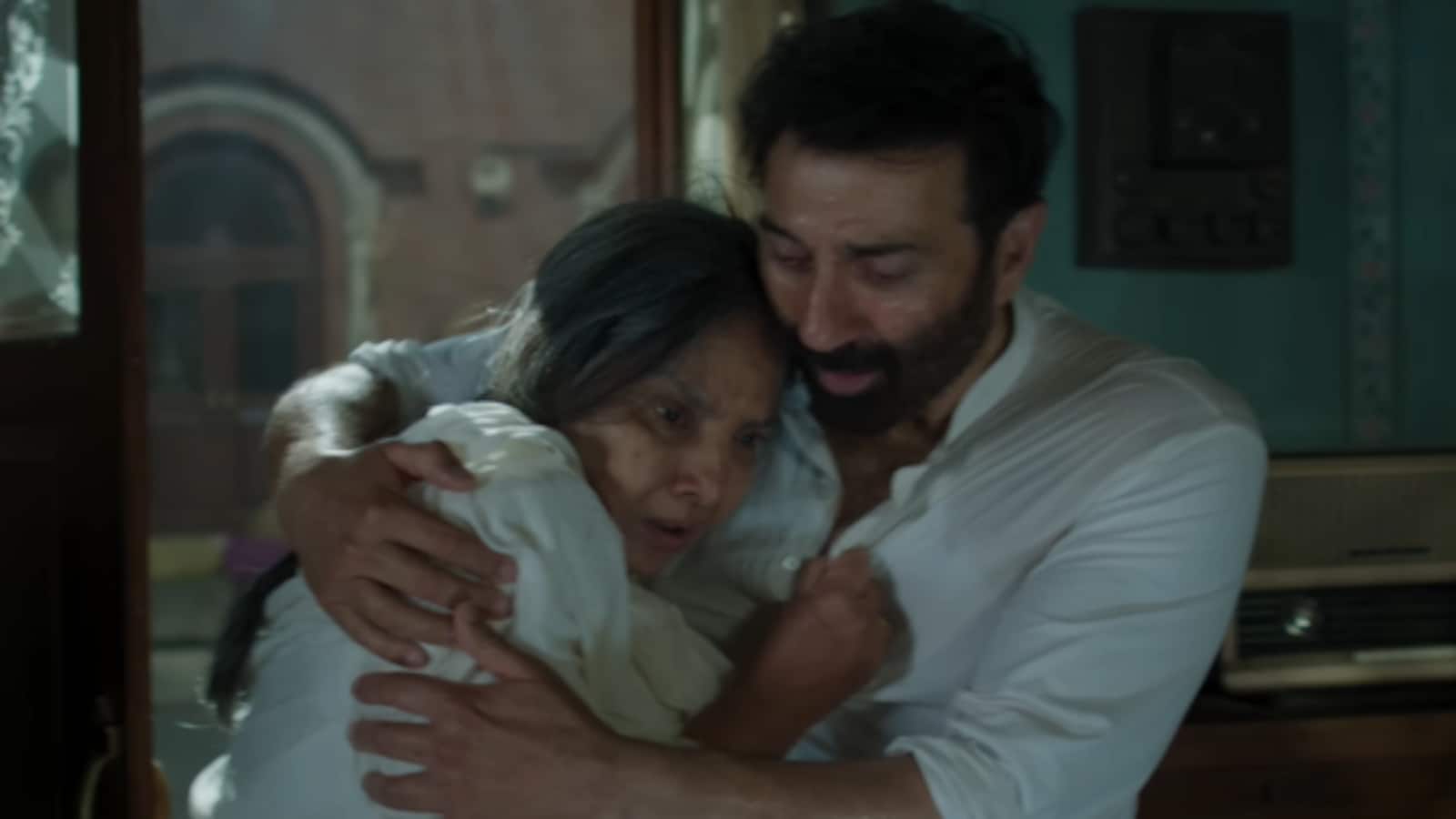
She refuses to leave because she is still waiting for her son to come back to her.
The family must decide whether to treat her with kindness or force her out because she is different from them.
Over time, Durga Mai slowly becomes part of the family and they learn to care for each other.
The movie teaches that being good to people matters more than religion or where someone comes from.
It shows that mothers, grief and humanity have no religion and no borders.
The film was released just before India's 80th Independence Day, and it reminds us that people of different faiths can live together in peace.

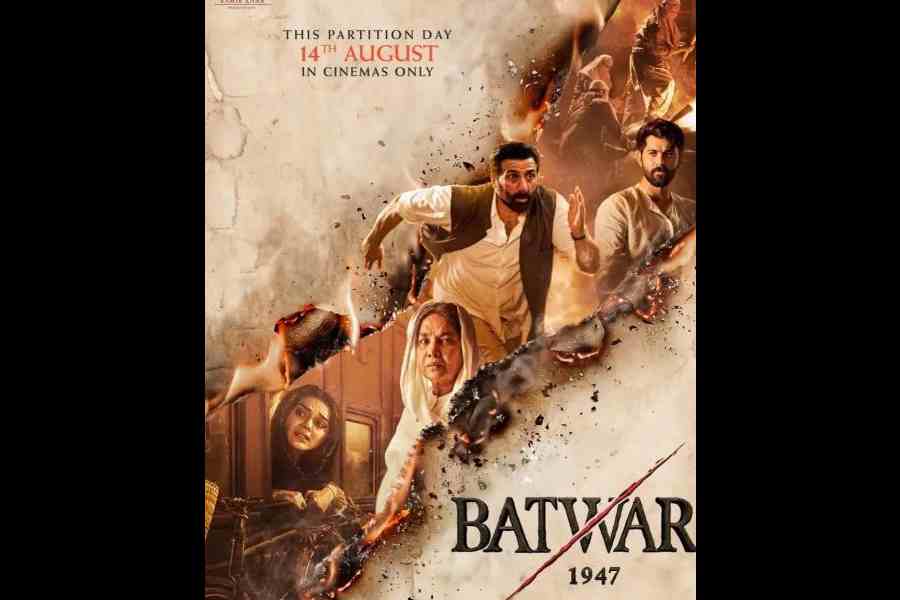
Batwara 1947, directed by Rajkumar Santoshi, released on the eve of India's 80th Independence Day.
The Partition-era film follows a Muslim family from Lucknow forced to migrate to Lahore, who find an elderly Hindu woman, Durga Mai, refusing to leave her ancestral haveli.
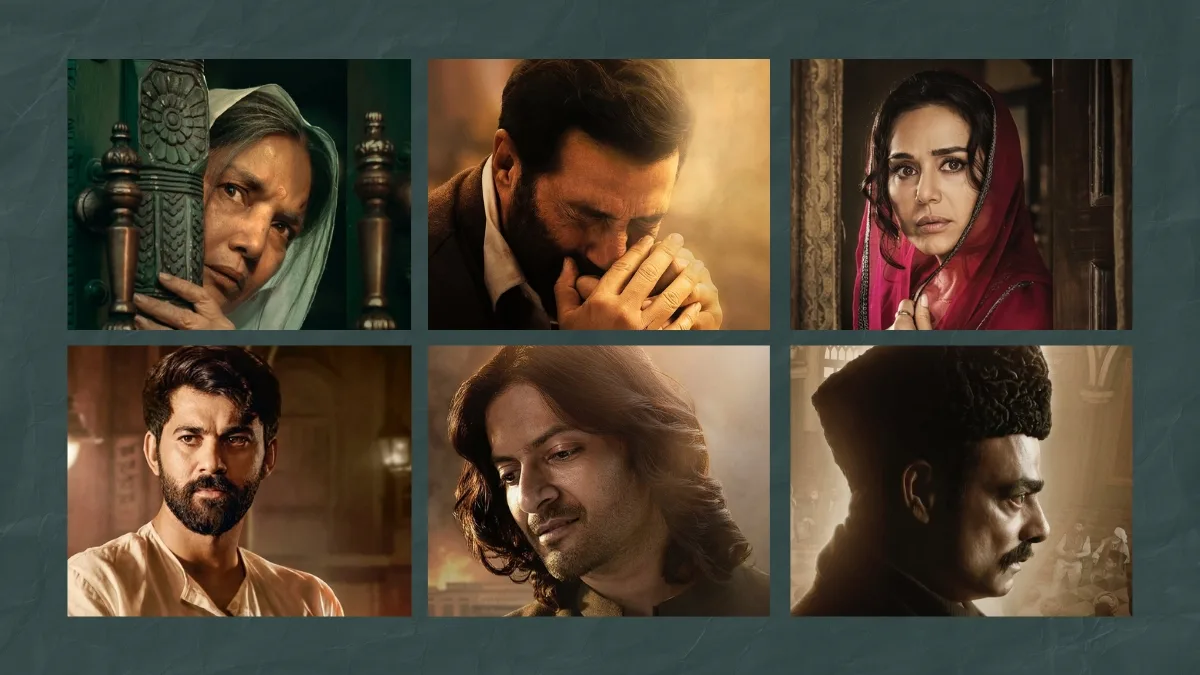
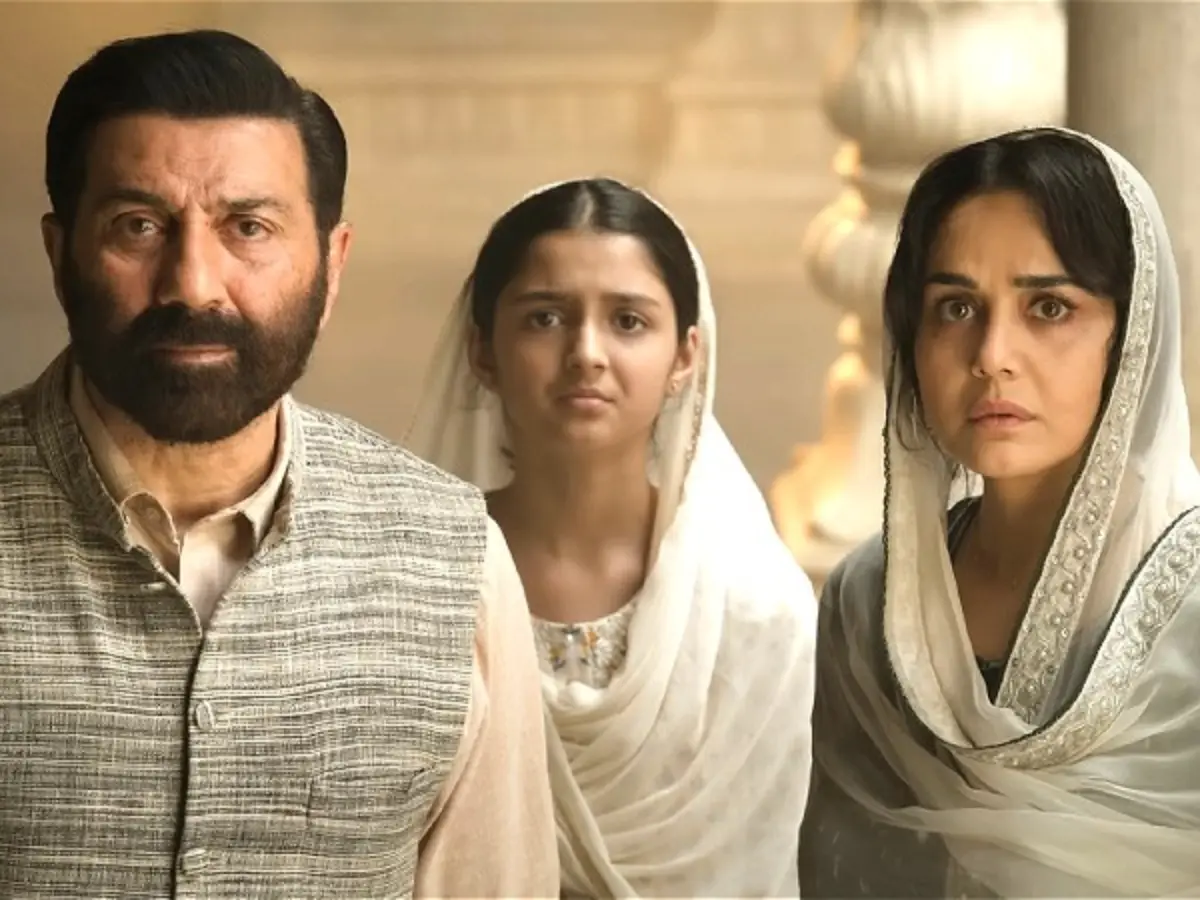
Sunny Deol stars as Sikandar Mirza, with Shabana Azmi as Durga Mai, Preity Zinta as Hamida Begum, Karan Deol as Javed, Ali Fazal as a refugee relief worker and Abhimanyu Singh as Yakub.
The film champions humanity over religion, promoting tolerance, sacrifice, love, peace and universal brotherhood.
Critical reception is mixed: one review rated it 3/5, citing a slow first half and preachy moments, while another praised it as a poignant Partition drama.
- Who
- Director Rajkumar Santoshi, starring Sunny Deol, Shabana Azmi, Preity Zinta, Karan Deol, Ali Fazal and Abhimanyu Singh.
- What
- A Partition-era drama about a Muslim family that moves into a Lahore haveli where an elderly Hindu woman, Durga Mai, refuses to leave her ancestral home.
- Where
- Spanning Lucknow and Lahore against the backdrop of the Partition of India.
- When
- Released on the eve of India's 80th Independence Day; the story is set during the Partition of 1947.
- Why
- To spread a message of communal harmony, showing that humanity, tolerance, sacrifice, love and universal brotherhood are greater than religious division.
Critical review (3/5)
Telegraph India review
Pacing and tone
Critical review (3/5)
The first half is slow and feels stretched, songs interrupt the flow, and some scenes are overly melodramatic, loud and preachy.
Telegraph India review
The film uses simple, realistic storytelling with a good balance between emotion, action and drama.
Technical quality
Critical review (3/5)
Production design and colour palette occasionally resemble an old television serial, the editing could be tighter and the sound mixing is uneven.
Telegraph India review
The imagery is poignant, powerful and intense, and the film is a worthwhile watch with timeless relevance.
Performances
Critical review (3/5)
Shabana Azmi is the emotional backbone, but Karan Deol needs more confidence in his performance.
Telegraph India review
The film has strong, well-defined characters and performances, with Sunny Deol showing vulnerability, emotional depth and moral conviction.
Key facts
- Director
- Rajkumar Santoshi
- Lead Cast
- Sunny Deol, Shabana Azmi, Preity Zinta, Karan Deol, Ali Fazal, Abhimanyu Singh
- Setting
- Partition-era Lucknow and Lahore
- Central Conflict
- Elderly Hindu woman Durga Mai refuses to leave the haveli allotted to a Muslim family
- Release
- Eve of India's 80th Independence Day
- Review Rating
- 3/5 in one review
- Key Dialogue
- "Manavta se bada koi dharam nahin" (No religion is greater than humanity)
- Durga Mai's Son
- One article says he was killed in the riots; another says he is missing
Quotes
Film’s central line
Key thematic statement from the film
“Maa ko mazhab mein mat baato, Maa khud ek mazhab hai.”
 deccanchronicle.com
Sikandar Mirza
Character played by Sunny Deol, head of the Muslim family
“"Manavta se bada koi dharam nahin"”
 telegraphindia.com
Sources
Related news
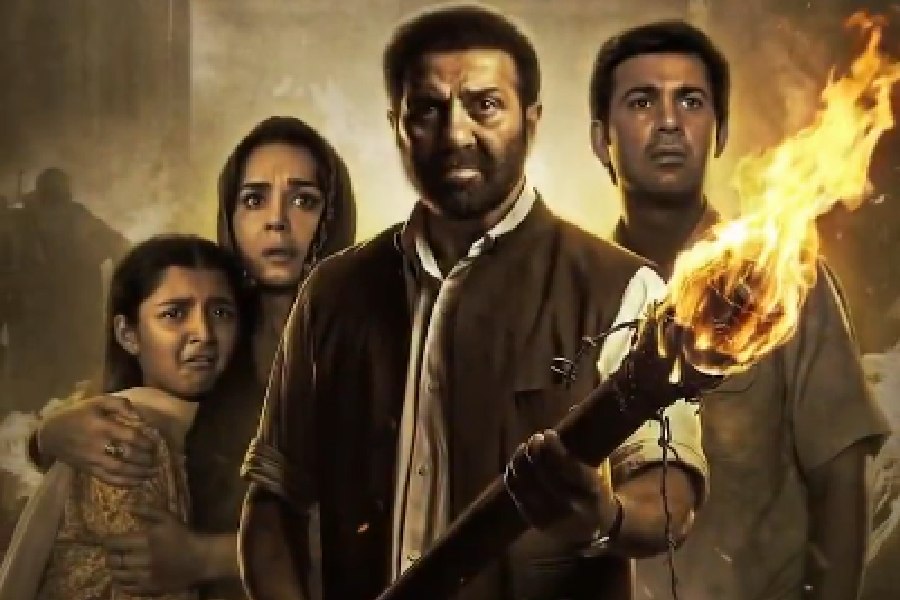
Batwara 1947 Review: Sunny Deol, Shabana Azmi Lead Partition Drama
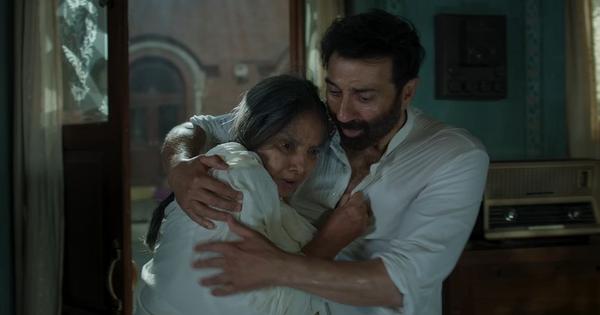
Batwara 1947 review: Dull storytelling, sharp anti-bigotry messaging
Batwara 1947 Review: Sunny Deol Powers A Partition Drama

Batwara 1947 Review: Sunny Deol, Shabana Azmi Impress Despite Flaws
Batwara 1947 Review: Shabana Azmi Anchors Santoshi's Partition Drama

Sunny Deol Fights Fanaticism in Partition Drama Batwara 1947

Batwara 1947 Struggles Near ₹35 Crore After Nine Days
Batwara 1947 Reaches ₹32.15 Crore After Six Days
Batwara 1947 Earns Rs 13.50 Crore on Independence Day, Trails Awarapan 2