

2 weeks ago
How the 1946 Royal Indian Navy mutiny hastened India's independence
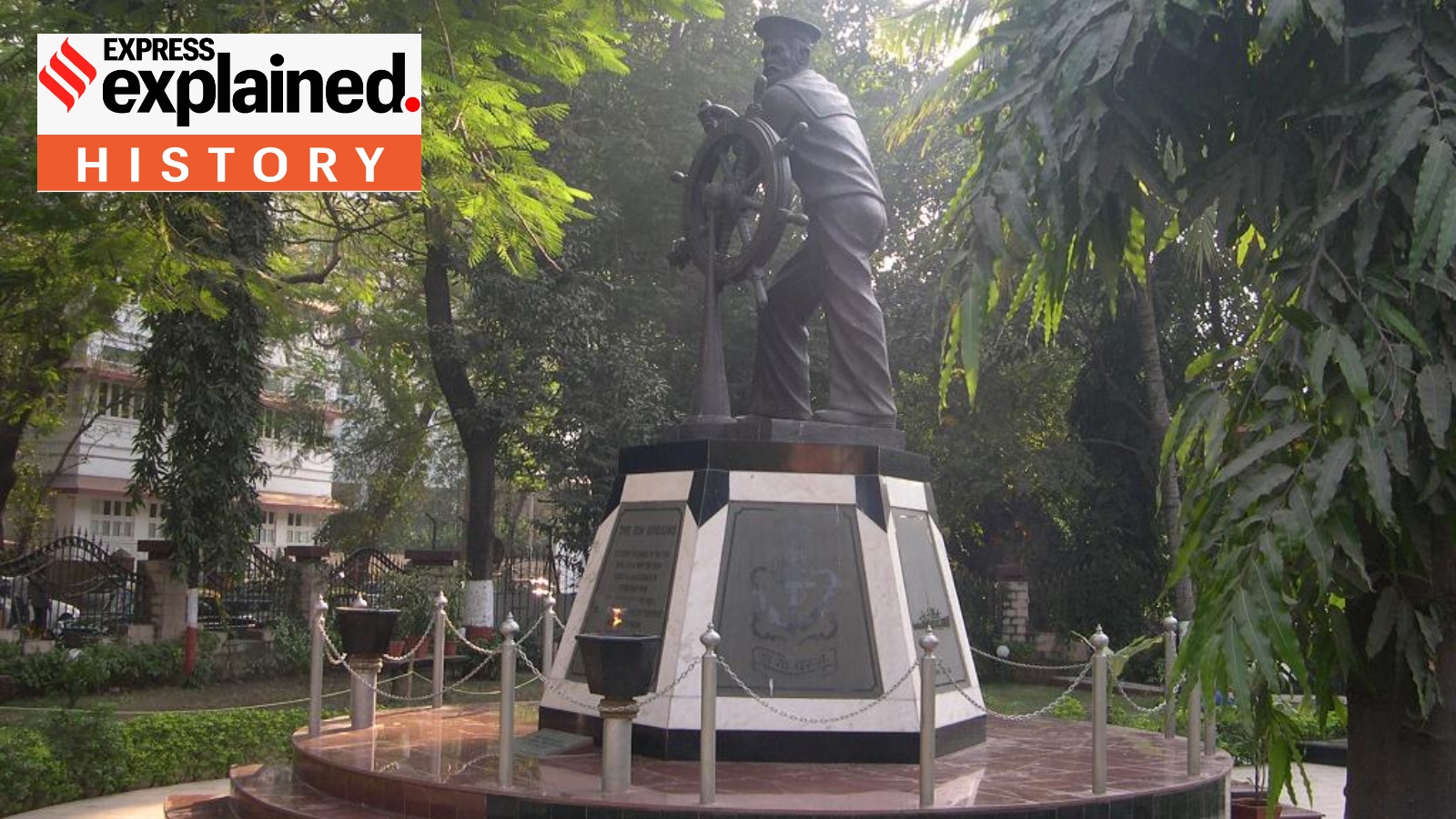
More than 80 years ago, India was ruled by Britain, and many Indian people wanted freedom.
Britain had a navy in India called the Royal Indian Navy, while Britain's own Royal Navy handled the biggest ocean missions.
During World War II, the Royal Indian Navy grew from fewer than 2,000 sailors to almost 30,000.
When the war ended, Britain wanted to send most of those sailors home, and some British officers treated the sailors rudely.
On February 18, 1946, more than a thousand sailors in Bombay went on strike to protest.
Their protest spread quickly to ships and naval bases all over India, and about 20,000 sailors joined in.
Many ordinary people in Bombay also joined, and shops and transport stopped.
The British fired at the crowds, and at least 400 people were killed.
The British realised they could no longer control India with their own forces.
Many historians believe this big protest made Britain leave India sooner, and it is sometimes called the "last war of independence".

On February 18, 1946, more than a thousand Royal Indian Navy (RIN) ratings in Bombay went on strike, and the revolt spread to naval units across British India.
Anger was fueled by post-war demobilisation from about 30,000 to 11,000 personnel, racist abuse by Commander Arthur Frederick King, poor food and conditions, and the Indian National Army (INA) trials.
Sailors demanded King's discipline, better service conditions, British withdrawal from Indonesia and free trials for INA detainees; they called themselves the Indian National Navy and Azad Hindis, after the Azad Hind Fauj (INA).
About 78 ships, 20 shore establishments, nearly 100 naval units and almost 20,000 personnel joined; civilians including nearly three lakh Bombay mill workers rallied, and police firing on February 22 killed at least 400 people.
Historian Commodore Srikant Kesnur calls the mutiny the "last war of independence" that rattled the British and hastened India's independence.
- Who
- More than a thousand Royal Indian Navy (RIN) sailors, or 'ratings', starting with the communication branch at the HMIS Talwar signal training base in Bombay, later joined by civilians, mill workers, railway workers and students across several cities.
- What
- A naval mutiny and strike against British rule that spread through RIN ships and shore establishments across British India, with demands covering service conditions, speedy demobilisation and political issues such as withdrawal from Indonesia and free trials for INA detainees.
- Where
- Bombay (now Mumbai), spreading to Karachi, Kolkata, Visakhapatnam, Jamnagar, Madras, Ahmedabad and other places across British India.
- When
- The mutiny began on February 18, 1946; police firing on protesters took place on February 22, 1946.
- Why
- Sailors were angered by post-war demobilisation and job uncertainty, racist and harsh treatment by British officers, poor food and living conditions, and the political climate created by the Indian National Army (INA) trials.
Historians who credit the mutiny
Skeptics who downplay its impact
Did the mutiny hasten India's independence?
Historians who credit the mutiny
Historians such as Commodore Srikant Kesnur call the RIN mutiny the 'last war of independence' that rattled the British and hastened independence; Justice Chakravartti recorded that former UK Prime Minister Clement Attlee said the INA trials and the RIN mutiny made the British leave India.
Skeptics who downplay its impact
The rebel sailors eventually surrendered, so the insurrection failed; the recorded remark attributed to Attlee is a contention 'people may debate', and the mutiny lacked a charismatic leader like Netaji (Subhas Chandra Bose), so it did not get widespread traction.
How should the mutiny be remembered?
Historians who credit the mutiny
It deserves recognition because it showed the British that core state forces such as the Royal Indian Air Force, the Indian Army and the Navy were no longer cooperating in putting down the strike, meaning they could no longer rule.
Skeptics who downplay its impact
A newly born independent Navy was uncomfortable with the idea of a mutiny — and correctly so — which is one reason the event did not get the attention it might have received.
Which political parties backed the mutiny?
Historians who credit the mutiny
The Communists backed the 1946 mutiny.
Skeptics who downplay its impact
The Indian National Congress and the Muslim League did not back the mutiny.
Key facts
- Mutiny began
- February 18, 1946
- Location
- Bombay (now Mumbai), spreading to naval bases across British India
- Royal Indian Navy established
- October 2, 1934
- Wartime RIN growth
- From under 2,000 to nearly 30,000 personnel during World War II
- Planned post-war demobilisation
- Reduction from about 30,000 to around 11,000 personnel
- Scale of the strike
- 78 ships, 20 shore establishments, nearly 100 naval units and almost 20,000 personnel
- Police firing casualties (February 22)
- At least 400 dead (some estimates say 500-700) and about 1,500-2,000 injured
- Commander-in-Chief RIN at the time
- Vice Admiral J H Godfrey
Quotes
Commodore Srikant Kesnur
Retired Indian Navy officer and naval historian
“"last war of independence"”
 indianexpress.com
Sources
Related news
Why India's Prime Minister hoists the flag at Red Fort

Quit India Movement paved way for Independence, Congress leader says
84 Years After Quit India, Nation We Must Still Build
Why India Celebrates Independence Day on August 15

Gujarat Congress Seeks Drought Relief as Rainfall Deficits Persist

The Indian Districts Dominating Exports Across Product Categories

AI Expansion Puts Jamnagar and Thane Under Water Stress

Vadodara-Mundra Air Taxi Launches Faster Connectivity Between Industrial Hubs
Ravindra Jadeja’s Journey From Exclusion to ₹120 Crore Fortune
