1 week ago
Beijing’s Humanoid Robot Games Raise Bar for Autonomous Competition
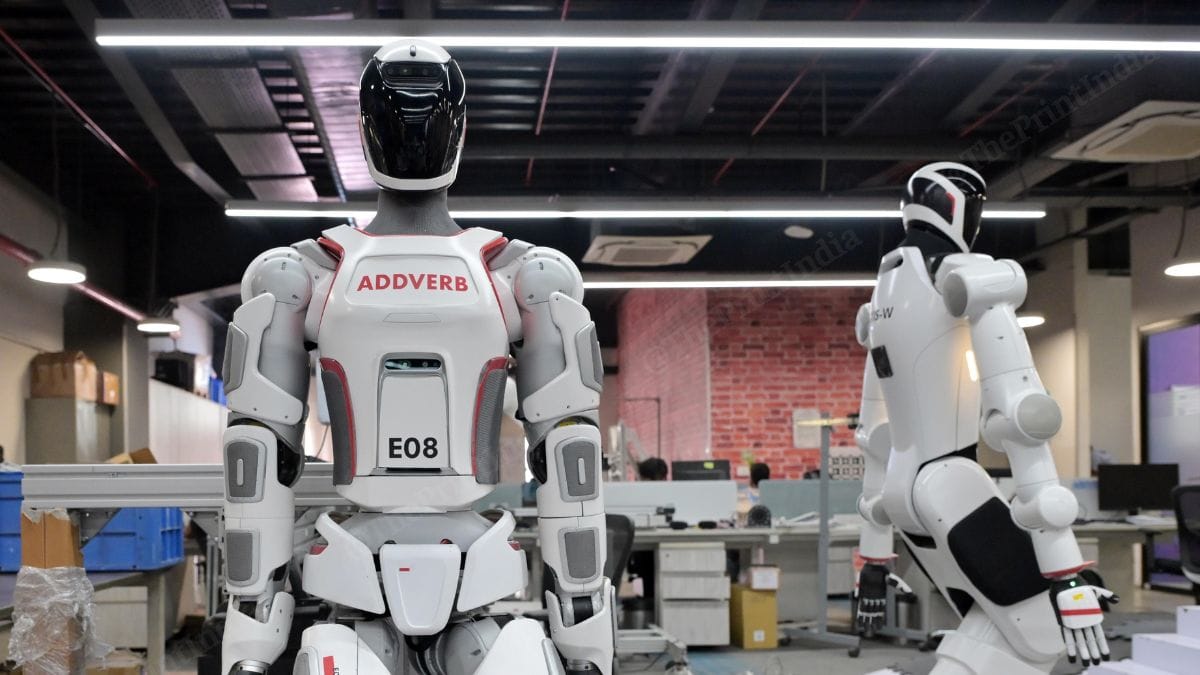
China is holding a large competition for humanoid robots in Beijing.
It will take place from 22 to 26 August.
More than 2,000 robots will compete in sports and job-like activities.
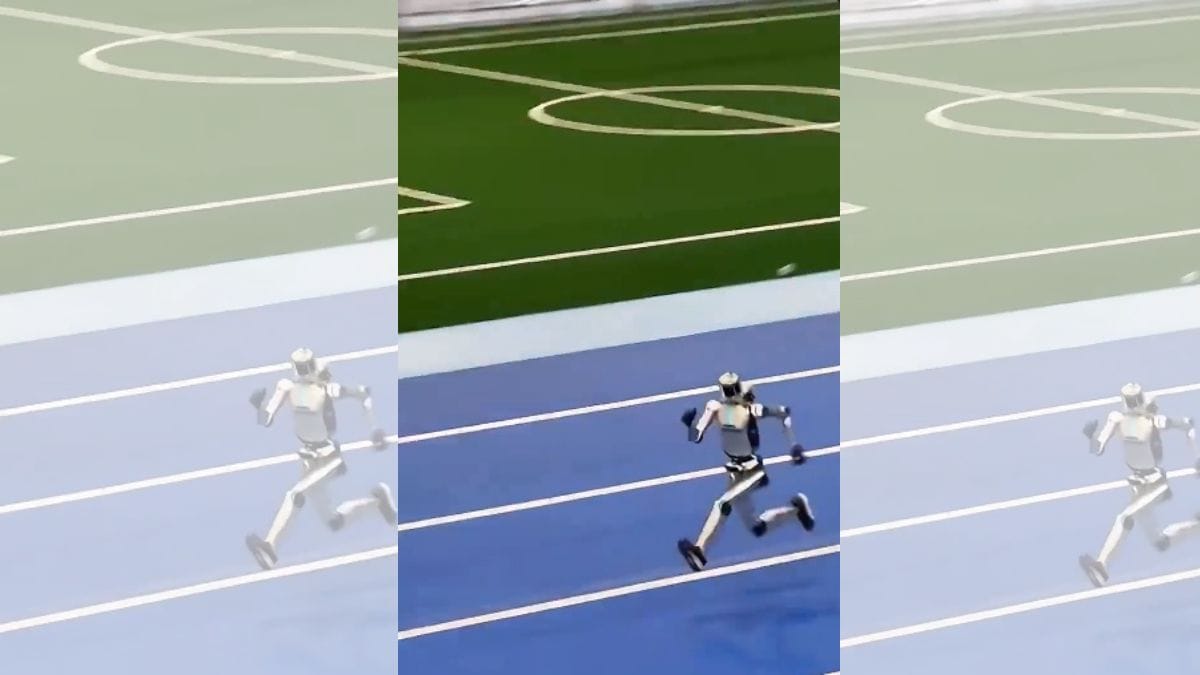
They will run, play football, lift weights, dance and play table tennis.
Other robots will sort books, fold clothes, tighten screws and respond to simulated fires.
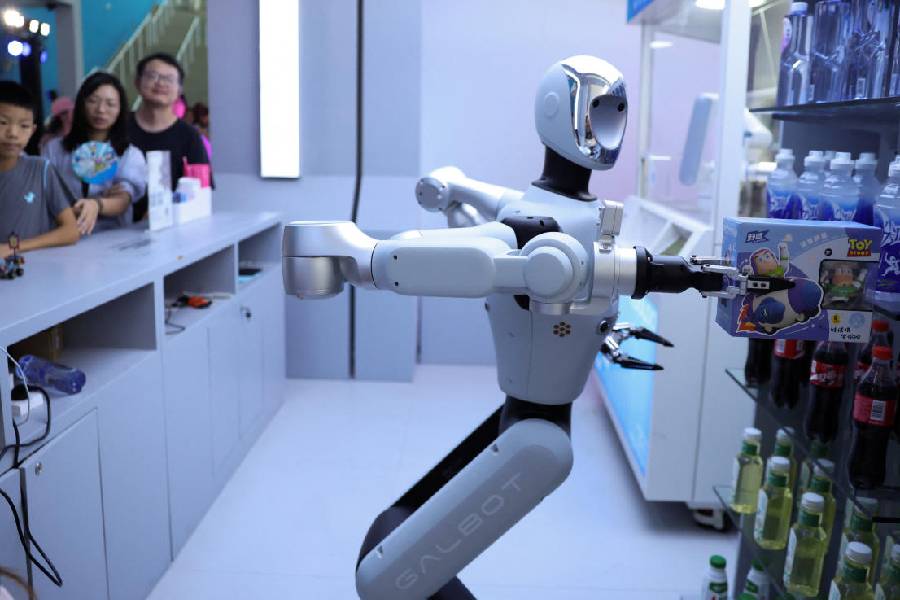
Many events will happen in real workplaces such as factories, hotels and model homes.
New rules require robots to work without remote control in most competitions.
The organizers hope these tests can show whether robots are ready to help with real jobs.

The second World Humanoid Robot Games will run in Beijing from 22 to 26 August.
A total of 2,056 humanoid robots from 666 teams across 16 countries will compete.
The Games feature 30 competitive sports and either 20 or 21 scenario-based work events, depending on the source.
Robots will compete in football, athletics, table tennis, dancing, weightlifting and combat.
Workplace challenges include firefighting, warehouse packing, industrial assembly, hotel tasks and rescue operations.
- Who
- A total of 2,056 humanoid robots and 666 teams from 16 countries will participate; 641 teams are from China.
- What
- The second World Humanoid Robot Games, combining sports competitions with real-world work and emergency-response challenges.
- Where
- The main event is at Beijing’s National Speed Skating Oval, with some tests held in factories, hotels, model homes and a Beijing fire station.
- When
- 22 to 26 August, with some scenario-event preliminaries beginning earlier.
- Why
- To test humanoid robots’ ability to operate autonomously and demonstrate their potential for practical workplace applications.
Commercial Promise and Technical Progress
Practical Limits and Uneven Readiness
From demonstrations to workplaces
Commercial Promise and Technical Progress
Organizers say real-world tasks and rules developed for the Games could help establish technical benchmarks and move robots into workplaces.
Practical Limits and Uneven Readiness
The competitions are intended as stress tests because controlled laboratory demonstrations may not show how robots perform under real-time pressure.
Autonomous performance
Commercial Promise and Technical Progress
Stricter rules requiring autonomy in most events are designed to demonstrate what robots can do without remote control.
Practical Limits and Uneven Readiness
The reports describe robots as still being tested on basic activities such as running, sorting, carrying, tightening screws and responding to simulated emergencies.
Public reaction
Commercial Promise and Technical Progress
The international event has expanded sharply, from more than 500 robots and 26 events in its first edition to 2,056 robots and 51 events this time.
Practical Limits and Uneven Readiness
Some social-media users described the robots’ performances as raw and humorous rather than displaying the polished precision associated with major sporting events.
Key facts
- Event
- Second World Humanoid Robot Games
- Dates
- 22 to 26 August
- Main venue
- National Speed Skating Oval, Beijing
- Participants
- 2,056 robots and 666 teams
- International participation
- Teams from 16 countries across six continents
- Competition format
- 30 competitive sports and 20 or 21 scenario-based events, according to differing reports
- Autonomy rules
- Most competitive events must be completed fully autonomously, except the 100-metre and 400-metre hurdle events
- Robot Home
- A facility able to store more than 1,500 machines and charge at least 1,200 batteries
Quotes
Jiang Guangzhi
Director of the Beijing Municipal Bureau of Economy and Information Technology and deputy executive director of the games’ organising committee
“Scenario-based events will no longer be held in simulated venues but in real-world settings such as factories, hotels and model homes, pushing humanoid robots from demonstration tools toward practical productivity.”
 theprint.in
“Once robots master these last-meter skills, they can turn medals into orders and move directly from the competition arena to real-world workplaces.”
theprint.in
An X user
Social-media user commenting on videos of robots practicing
“China’s robot games are refreshingly raw and even hilarious. A contrast with the choreographed millimeter-perfection of typical state-run events”
theprint.in
Sources
Related news

World Humanoid Robot Games Showcase Robots Surpassing Human Sprint Records

Beijing Gears Up for 2026 World Humanoid Robot Games
Chinese Humanoid Robots Face Real-World Tests After Speed Records

Chinese Humanoid Robots Break Human Records at Beijing Games

Humanoid Robot Beats Usain Bolt’s 100-Meter World Record

Robot sprinter breaks 100-meter record at China’s humanoid games

India’s 7.8% Growth Broad-Based, but Jobs Remain Challenge

India Pursues Global Mineral Pacts to Secure Supply Chains

Nepal Plans New Landslide Warning System Along China Border

RBI Governor Meets US Fed Chief Kevin Warsh at G20

Tencent-Backed Enflame IPO Draws Massive Investor Demand