4 days ago
How Renewables Are Boosting Profits at India’s NTPC
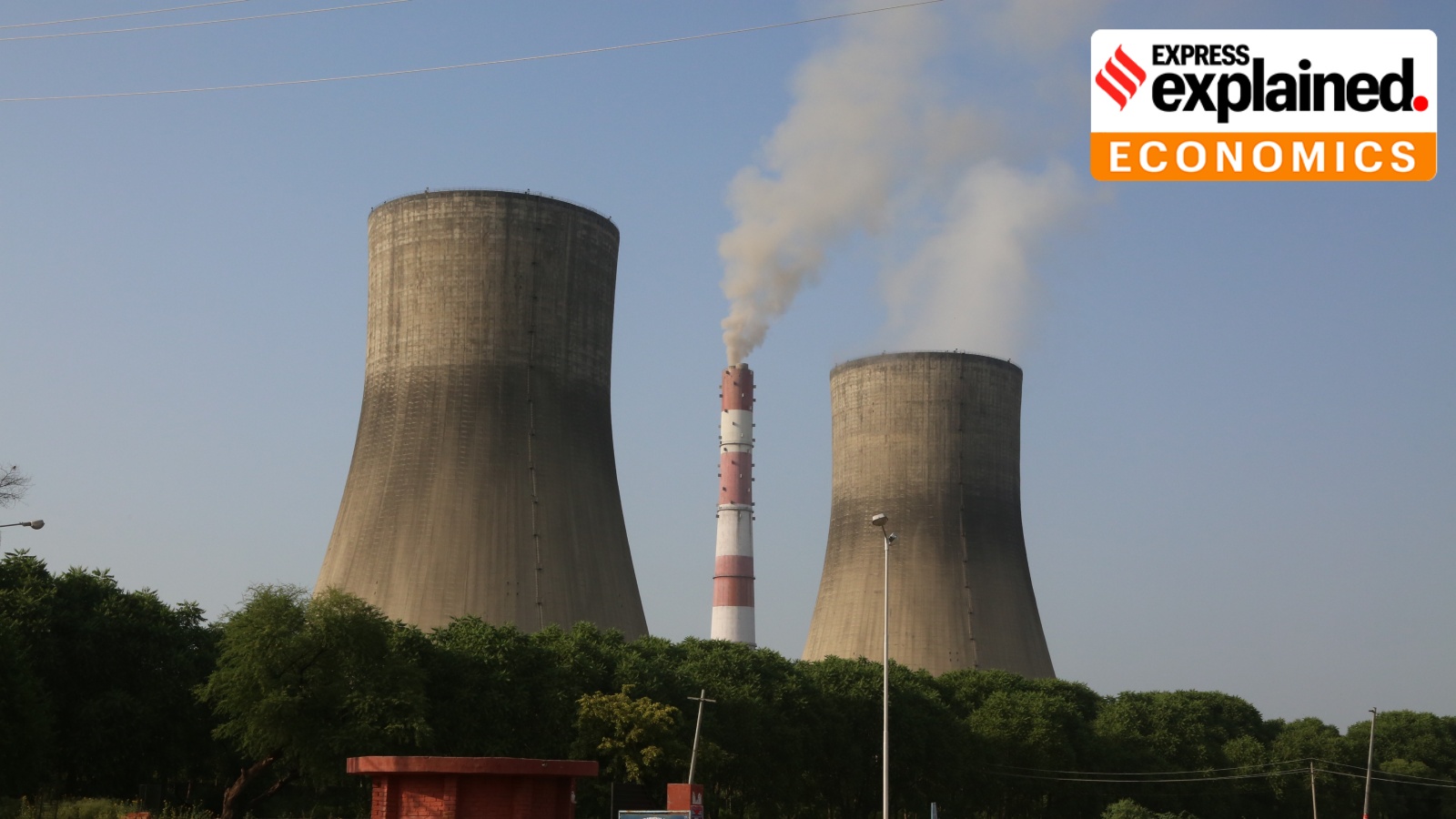
India is using more solar and other renewable energy.
This can mean coal power plants produce less electricity during some parts of the day.
However, these plants still need to stay ready in case electricity demand rises or renewable power falls.
NTPC receives fixed payments for keeping its plants available.
These payments helped NTPC’s profits grow faster than its income in recent years.
Electricity distribution companies, called DISCOMs, still have to pay these costs even when they use less thermal power.
Coal plants may need to operate safely at lower power levels to work better with renewable energy.
The Central Electricity Authority has recommended changes to make the payment system and electricity tariffs better match these costs.

NTPC’s profit growth has exceeded revenue growth in each of the past three years except 2022–23.
The company earns fixed charges for keeping thermal power plants available, even when renewable energy reduces their output.
NTPC’s profit after tax rose 15% to Rs 27,545.76 crore in 2025–26, while income fell 0.56% to Rs 1,89,798.56 crore.
Coal plants must become more flexible by lowering generation during periods of high renewable output and ramping up when it falls.
DISCOMs face financial pressure because fixed costs remain high while much of their revenue depends on variable electricity consumption.
- Who
- NTPC Limited, its chairman and managing director Gurdeep Singh, DISCOMs, the Central Electricity Authority, and thermal power industry representatives.
- What
- NTPC is increasing profits partly through fixed charges for keeping thermal plants available as renewable generation expands.
- Where
- India.
- When
- The trend has occurred over the past three years; NTPC reported figures for 2025–26 at its annual general meeting on Thursday.
- Why
- Thermal generators receive fixed capacity payments regardless of how much electricity they produce, while renewable power reduces their operating use.
Greater flexibility and tariff reform
Operational and financial concerns
Lowering thermal plant output
Greater flexibility and tariff reform
The Central Electricity Authority’s roadmap calls for coal plants to operate at 40% minimum technical load by 2030, helping them accommodate more renewable generation.
Operational and financial concerns
Industry representatives have warned that operating thermal units below 55% load could increase thermal and mechanical stress on equipment.
Cost of backup capacity
Greater flexibility and tariff reform
Keeping thermal plants available allows the grid to rely on them when renewable generation falls, even if they produce less power during periods of high renewable output.
Operational and financial concerns
DISCOMs must continue paying fixed capacity charges for thermal plants, creating a cost burden when those plants are used less frequently.
Electricity tariff structure
Greater flexibility and tariff reform
The Central Electricity Authority has recommended redesigning retail tariffs so DISCOMs can better recover their substantial fixed costs.
Operational and financial concerns
Under the current structure, much of DISCOM revenue depends on variable electricity consumption, while major expenses remain fixed, exposing utilities to financial risk.
Key facts
- NTPC income in 2025–26
- Rs 1,89,798.56 crore, down 0.56% from the previous year.
- NTPC profit after tax in 2025–26
- Rs 27,545.76 crore, up 15% year on year.
- Fixed charges
- Payments to thermal generators for keeping capacity available, regardless of actual electricity generation.
- CEA flexibility target
- The Central Electricity Authority has outlined a roadmap for coal plants to operate at 40% minimum technical load by 2030.
- Industry concern
- Operators have cited increased thermal and mechanical stress when thermal units run below 55% load.
- DISCOM fixed costs
- Fixed expenses account for approximately 38% to 56% of a DISCOM’s annual revenue requirement.
- Consumer fixed-charge recovery
- Fixed charges collected from consumers contribute around 9% to 20% of DISCOM revenues.
Quotes
Gurdeep Singh
Chairman and managing director of NTPC Ltd
“We generate as per the requirement of the grid. The profit comes from fixed charges.”
 indianexpress.com
Sources
Related news

NTPC Plans Rs 16.86 Lakh Crore Expansion Through 2032

Andhra Pradesh to Procure 1,600 MW Thermal Power via Bidding

India’s Solar-Heavy Grid Needs Flexible Demand and Storage

Hydropower Decline Keeps Coal Central to India’s Flexible Grid

Gujarat Cuts Renewable Banking Fees Before Cost-Based Regime
India's August Power Demand Hits Record 258 GW Amid Heat
Denmark Delegation Discusses Future Power Grid Development in Amaravati

Power Grid’s Order Pipeline Rises to ₹1.75 Lakh Crore
JM Financial Sees 30% Upside in Adani Power Shares