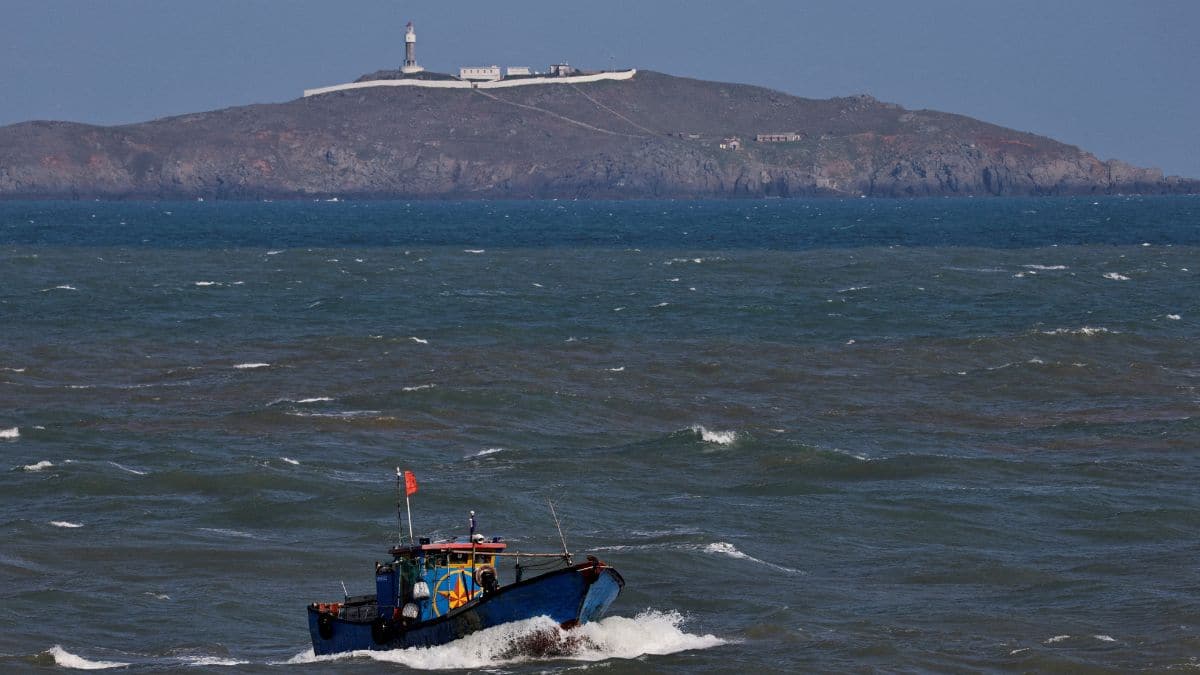
3 weeks ago
Typhoon Dolphin hits Okinawa; China shuts ports ahead of landfall
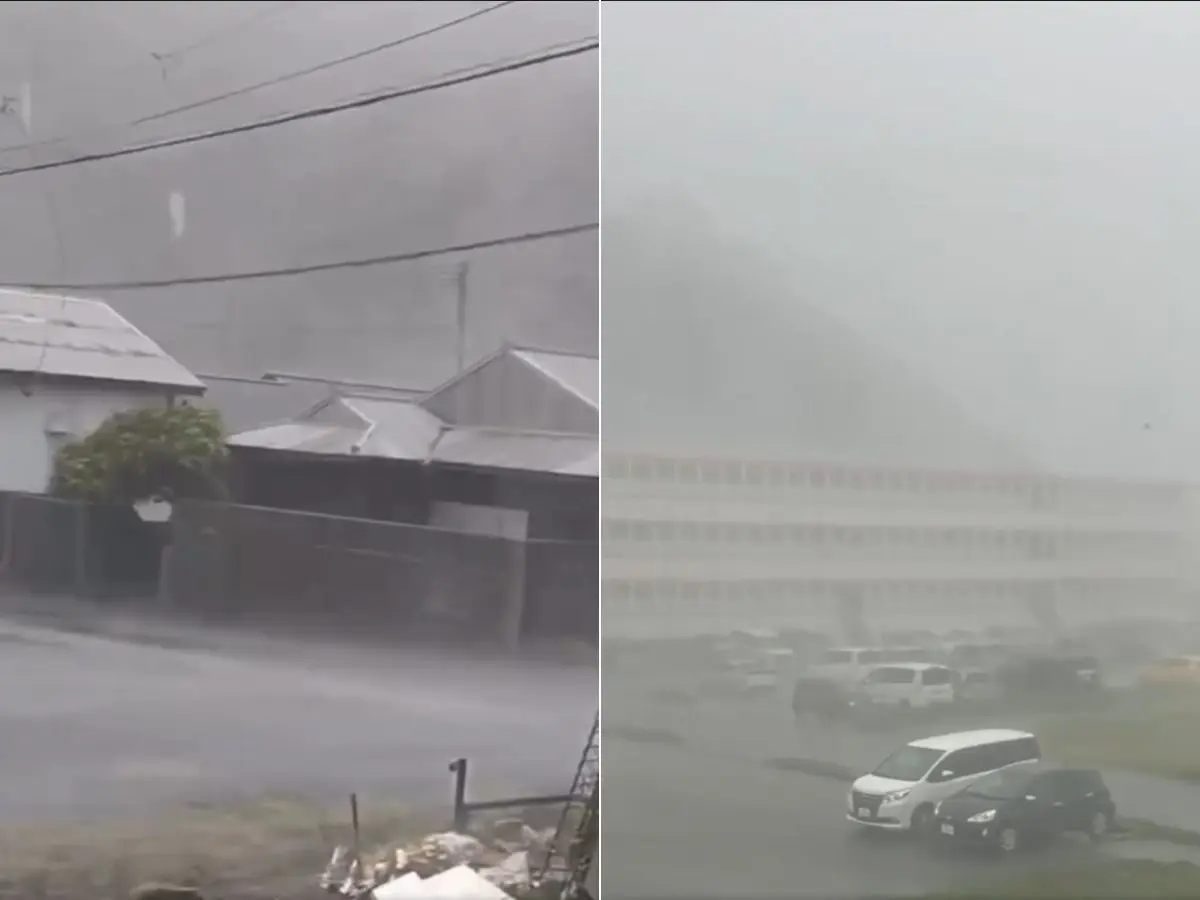
A big storm called Typhoon Dolphin blew very hard in Japan and hit a group of southern islands called Okinawa.
The wind was so strong that five older people got hurt, and the power went out in 14,000 buildings.
Some Japanese airlines cancelled their flights to that area to keep people safe.
The storm is now moving toward China.
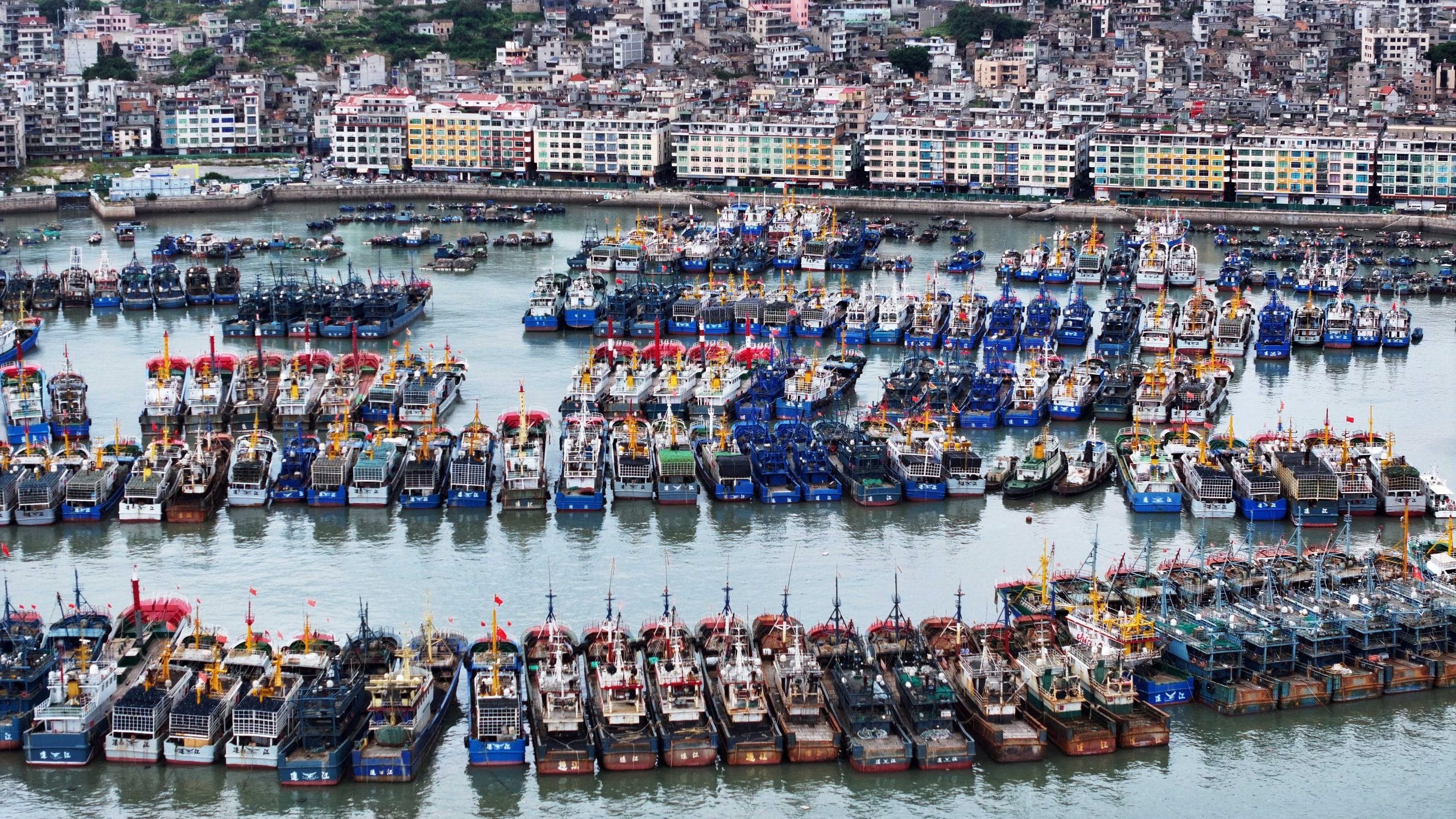
China closed its ports, stopped ferry boats and cancelled flights so people would be safe.
Parts of eastern China might get more than half a meter of rain.
Taiwan also cancelled 63 flights because of the storm.
China asked ships in the Taiwan Strait to follow its traffic rules, but Taiwan said China has no right to do that.
People in the storm's path should stay safe and follow weather warnings.

Typhoon Dolphin lashed Japan's Okinawa prefecture on Saturday, injuring five elderly people and cutting power to 14,000 buildings.
The storm had maximum sustained winds of 162 kph (89.5 mph) with gusts reaching 216 kph about 160 km northwest of Kume Island.
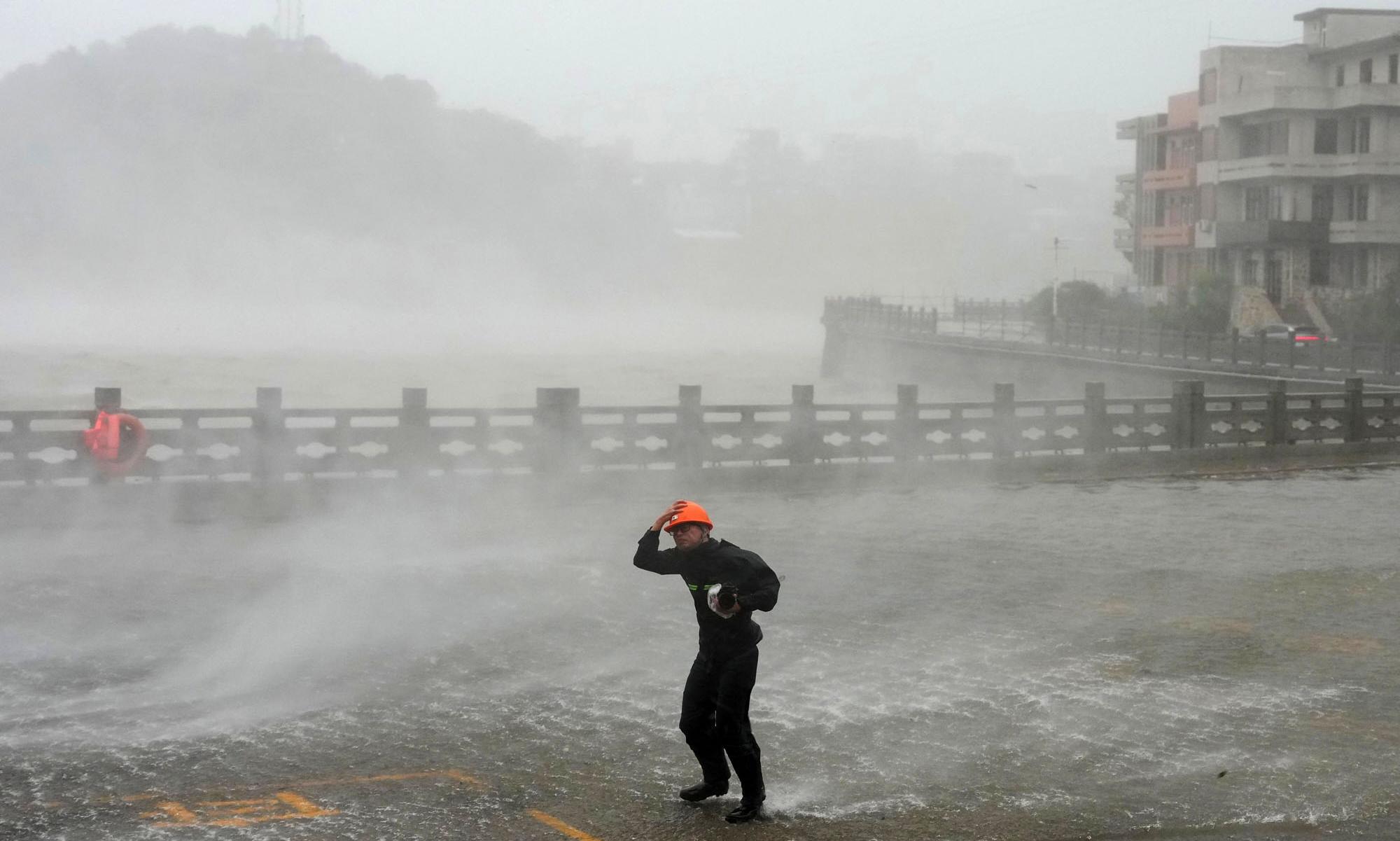
China's Zhejiang province raised its coastal typhoon alert to the highest level, halted port operations and suspended 162 passenger ferry routes.
Landfall was expected between Zhoushan in Zhejiang and Fuding in Fujian from late Sunday to early Monday, with over 600 mm of rain possible in parts of eastern Zhejiang.
Taiwan cancelled 63 international flights, while Taipei called China's order that ships in the Taiwan Strait heed its traffic control instructions 'ridiculous.'
- Who
- Residents of Japan's Okinawa prefecture, along with authorities in Japan, China and Taiwan responding to Typhoon Dolphin.
- What
- Typhoon Dolphin hit Okinawa with powerful winds, injuring five elderly people and cutting power to 14,000 buildings, while China shut ports and suspended ferry routes and flights ahead of expected landfall.
- Where
- Japan's Okinawa prefecture and Amami island in Kagoshima prefecture; China's eastern coast between Zhoushan in Zhejiang and Fuding in Fujian, including Shanghai; and Taiwan.
- When
- Saturday, August 8, with landfall in China expected between late Sunday and early Monday; rain and winds forecast through August 12.
- Why
- The typhoon's strong winds and heavy rain threatened coastal areas, prompting port closures, flight cancellations and other safety measures.
Taipei's Position
Beijing's Position
Taiwan Strait traffic controls
Taipei's Position
Taipei called China's order for ships in the strait to heed its traffic control instructions 'ridiculous', arguing Beijing has no right to restrict access to international waters.
Beijing's Position
Beijing ordered ships passing through the Taiwan Strait to follow its traffic control measures as part of typhoon response, and it claims the strategic strait.
Sovereignty over Taiwan and the strait
Taipei's Position
Taiwan, with Washington's backing, rejects China's claim that democratically governed Taiwan is part of China's territory.
Beijing's Position
China views democratically governed Taiwan as its own territory and claims the strategic Taiwan Strait.
Key facts
- Storm
- Typhoon Dolphin
- Maximum sustained winds
- 162 kph (89.5 mph); gusts up to 216 kph
- Injuries in Okinawa
- 5 elderly people, non-life-threatening
- Power outages
- 14,000 buildings in Okinawa
- Expected China landfall
- Between Zhoushan (Zhejiang) and Fuding (Fujian), late Sunday to early Monday
- Zhejiang ferry routes suspended
- 162 passenger routes
- Taiwan flights cancelled
- 63 international flights
- Forecast rain
- Over 600 mm (23.6 inches) in parts of eastern Zhejiang
Quotes
Taipei authorities
Officials from the Republic of China (Taiwan)
“Beijing has no right to restrict access to international waters.”
 theprint.in
Sources

Related news

Typhoon Dolphin Disrupts Japan and China; Flights Face Cancellations
Typhoon Dolphin makes landfall in China, triggers mass evacuations
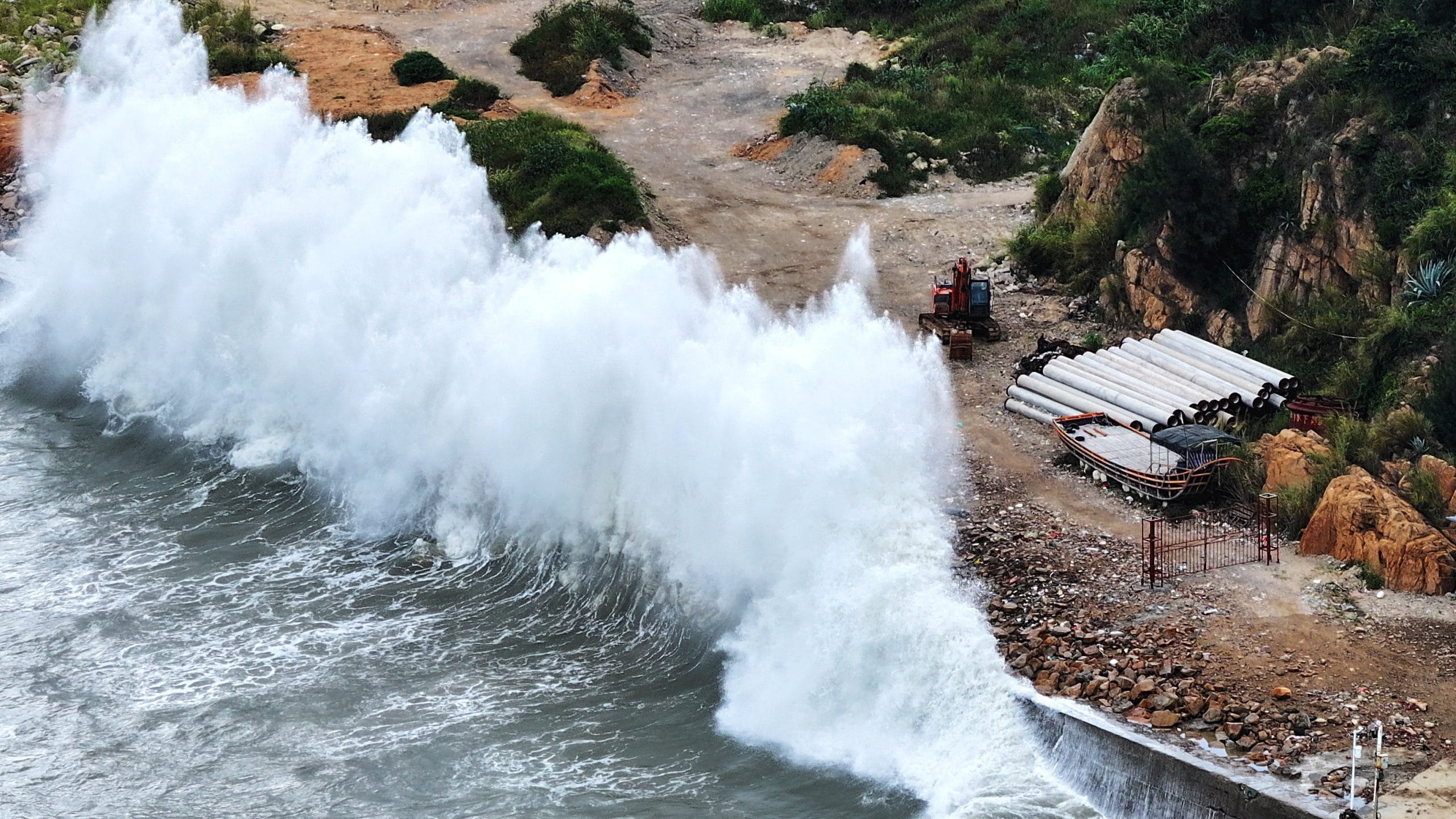
Typhoon Dolphin Hits China's Zhejiang: 1 Million Evacuated, Flights Cancelled
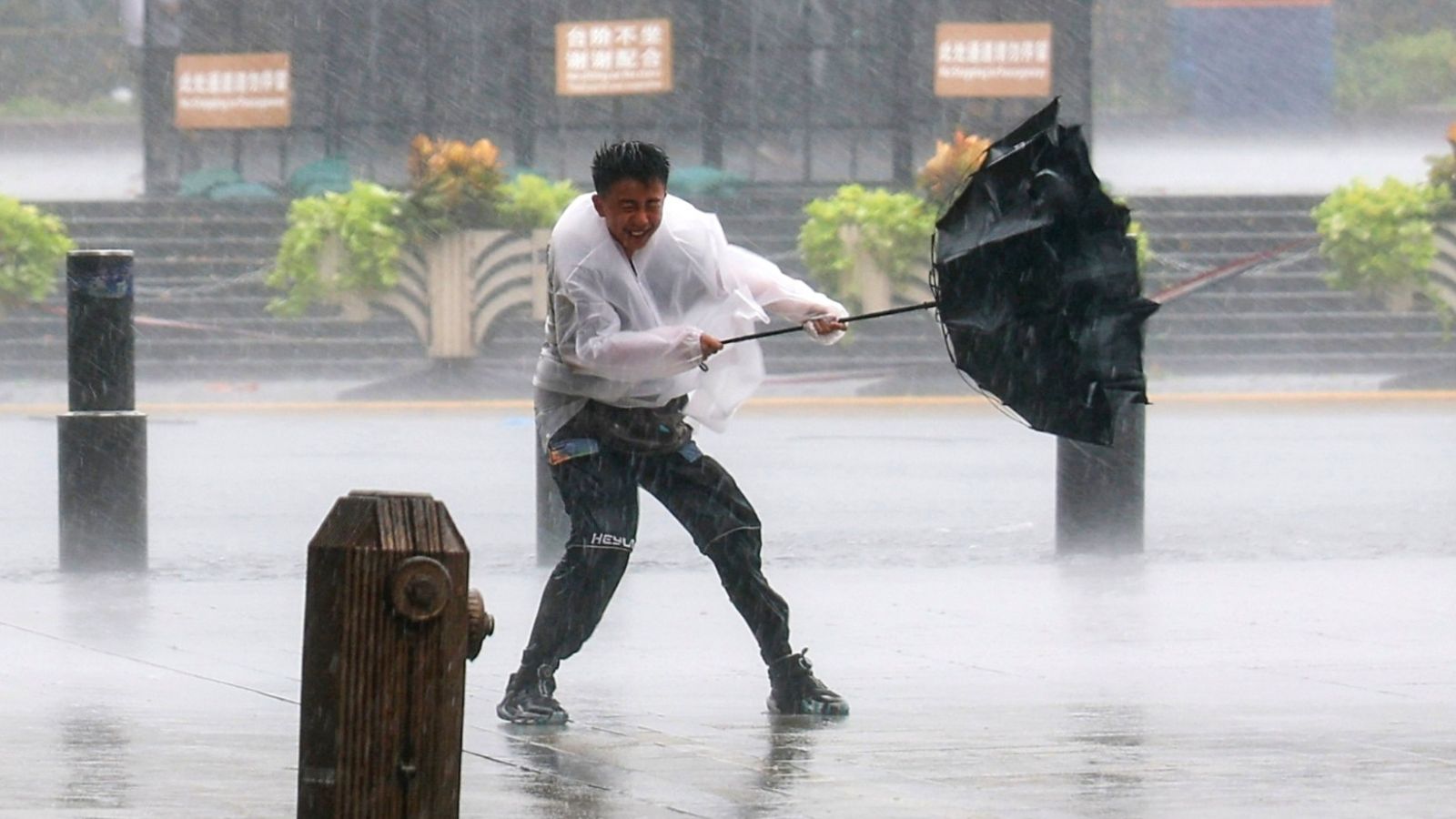
Typhoon Dolphin Forces Mass Evacuations Across Eastern China
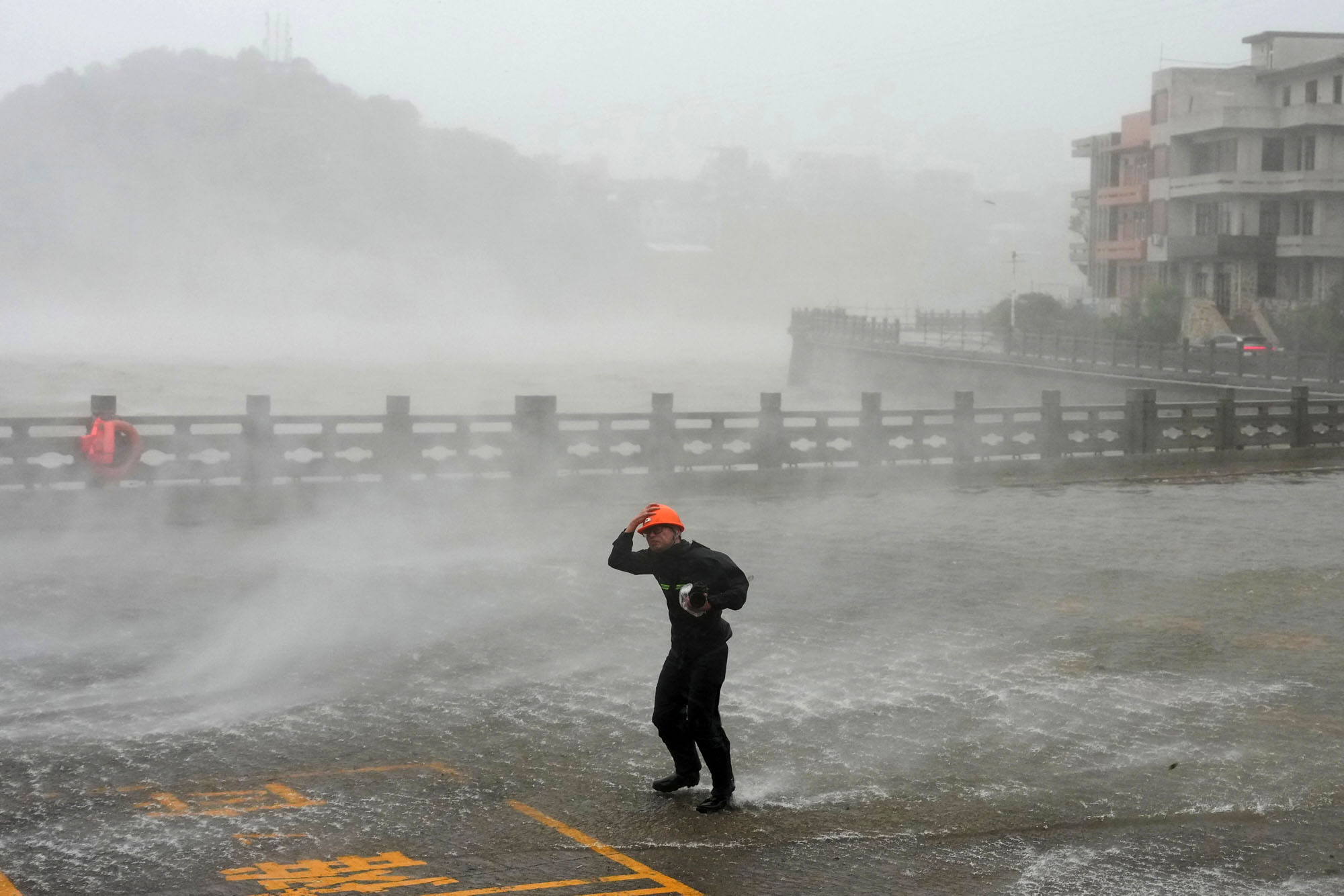
China issues red alert as Typhoon Dolphin hits eastern coast
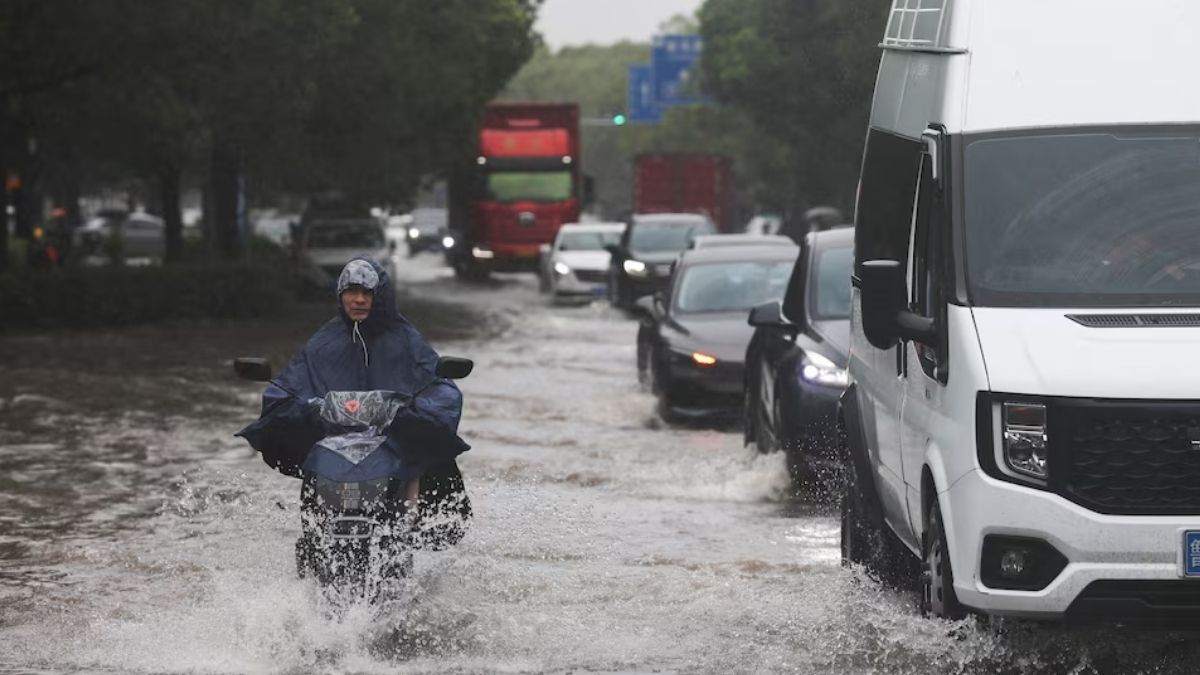
Typhoon Dolphin Floods Central China, Shuts Airports, Displaces Thousands
Typhoon Dolphin floods central China, puts Beijing on alert

Hong Kong records 39.8°C as Typhoon Dolphin drives extreme heat
China Red Alert, Airports Cancel Flights as Typhoon Dolphin Nears