3 weeks ago
Typhoon Dolphin floods central China, puts Beijing on alert
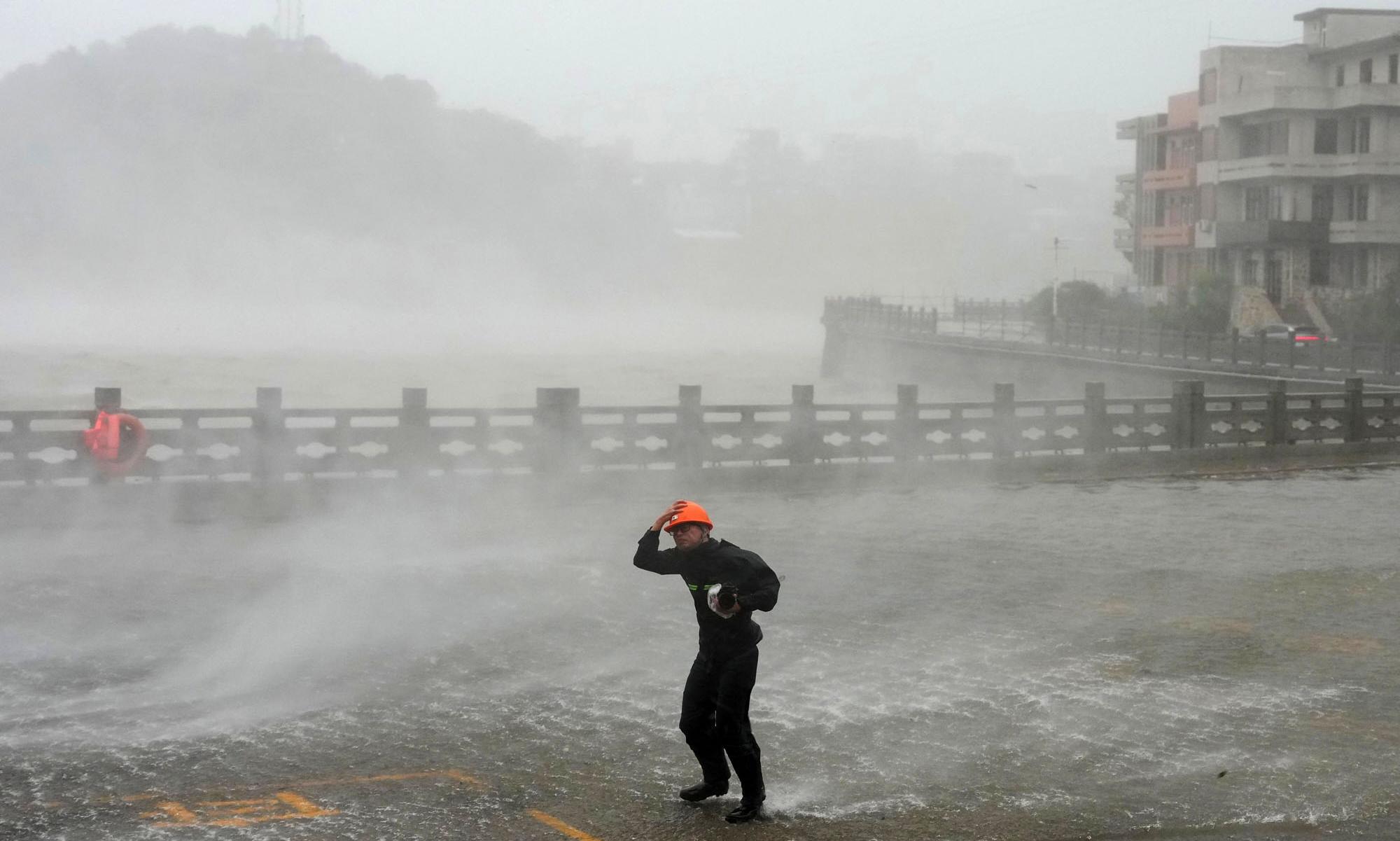
A big storm called Typhoon Dolphin is visiting China.
It is the strongest storm to hit China this year.
Before reaching land, it travelled almost 6,000 kilometres.
Now it has moved into the middle of China, to a province called Hubei.
The storm is bringing lots of rain, which can cause floods and landslides.
Because of this, some places like the Three Gorges Dam tourist area are closed for now.
Workers have also stopped building things to stay safe.
The big city of Beijing is getting ready for lots of rain too.
In Japan, people are watching another storm named Chan-hom.
Everyone is being careful so that nobody gets hurt.

Typhoon Dolphin, the strongest typhoon to hit China this year, made landfall over the weekend after travelling nearly 6,000 km (3,728 miles).
On Tuesday the storm pushed inland through Hubei, closing tourist areas including the Three Gorges Dam tourist area in Yichang and suspending 26 of 107 high-risk construction projects.
Beijing activated Level I emergency flood responses in four districts, bracing for more than one-third of its annual rainfall within 24 hours; Houshayu in Shunyi recorded 88.5 mm of rain in one hour.
A renewed orange alert forecasts up to 250 mm of rain in northwestern Hubei, and 9,705 people were relocated in Xiangyang after 35 reservoirs exceeded flood-control thresholds.
Henan issued a red flash-flood alert with up to 350 mm of rain forecast, while the Japan Meteorological Agency warned Typhoon Chan-hom could move across Japan's mainland.
- Who
- Chinese authorities in Hubei, Henan and Beijing, residents of affected areas, and Japanese officials.
- What
- Typhoon Dolphin pushed inland bringing extreme rainfall, flooding and landslide risk across central China, while Beijing braced for record rain and Japan prepared for Typhoon Chan-hom.
- Where
- Central China's Hubei province, neighbouring Henan, Beijing more than 1,000 km to the north, and potentially Japan's mainland.
- When
- Tuesday, August 11, after the storm made landfall over the weekend.
- Why
- The unusually resilient storm system travelled nearly 6,000 km inland, and its airflow is intensified several times over by the mountains in western Hubei.
Key facts
- Storm name
- Typhoon Dolphin
- Classification
- Strongest typhoon to hit China this year; downgraded to a tropical depression on Tuesday afternoon
- Distance travelled
- Nearly 6,000 km (3,728 miles) before landfall over the weekend
- Hubei rainfall forecast
- Up to 250 mm in 24 hours under an orange alert, the second-highest warning level
- Henan rainfall forecast
- Up to 350 mm through Wednesday afternoon under a red flash-flood alert
- Beijing rainfall
- More than one-third of annual rainfall (over 150 mm) expected in 24 hours; Houshayu in Shunyi recorded 88.5 mm in one hour
- Evacuations and relocations
- Over one million people moved in eastern China, including 900,000+ in Wenzhou, 215,600 in Shanghai and about 98,900 in Fujian; 9,705 relocated in Xiangyang
- Recent history
- Hubei was recovering from two rare tornadoes last month in the wake of Typhoon Maysak, which killed at least 11 people
Quotes
Sixty‑year‑old Huang
Resident of Xiangyang worried about flooding
“"Dolphin’s peripheral airflow will be forced to rise when it encounters the mountains in Hubei’s western region, causing rainfall to intensify several times over."”
 theprint.in
theprint.in
theprint.in
“"This area always gets flooded when it rains. If it continues like this, the waters could reach my home."”
theprint.in
theprint.in
 deccanchronicle.com
Sources

Typhoon Dolphin floods central China, parts of Beijing
Typhoon Dolphin floods central China, puts Beijing on alert for heavy rain
Typhoon Dolphin’s vast storm system pushes inland, threatens central China
Typhoon Dolphin Unleashes Floods Across Central China, Swamps Parts of Beijing

Typhoon Dolphin: Beijing braces for record rainfall; high risk of floods and landslides
Related news

Typhoon Dolphin Floods Central China, Shuts Airports, Displaces Thousands

Beijing Braces for Floods as Typhoon Dolphin Sweeps China
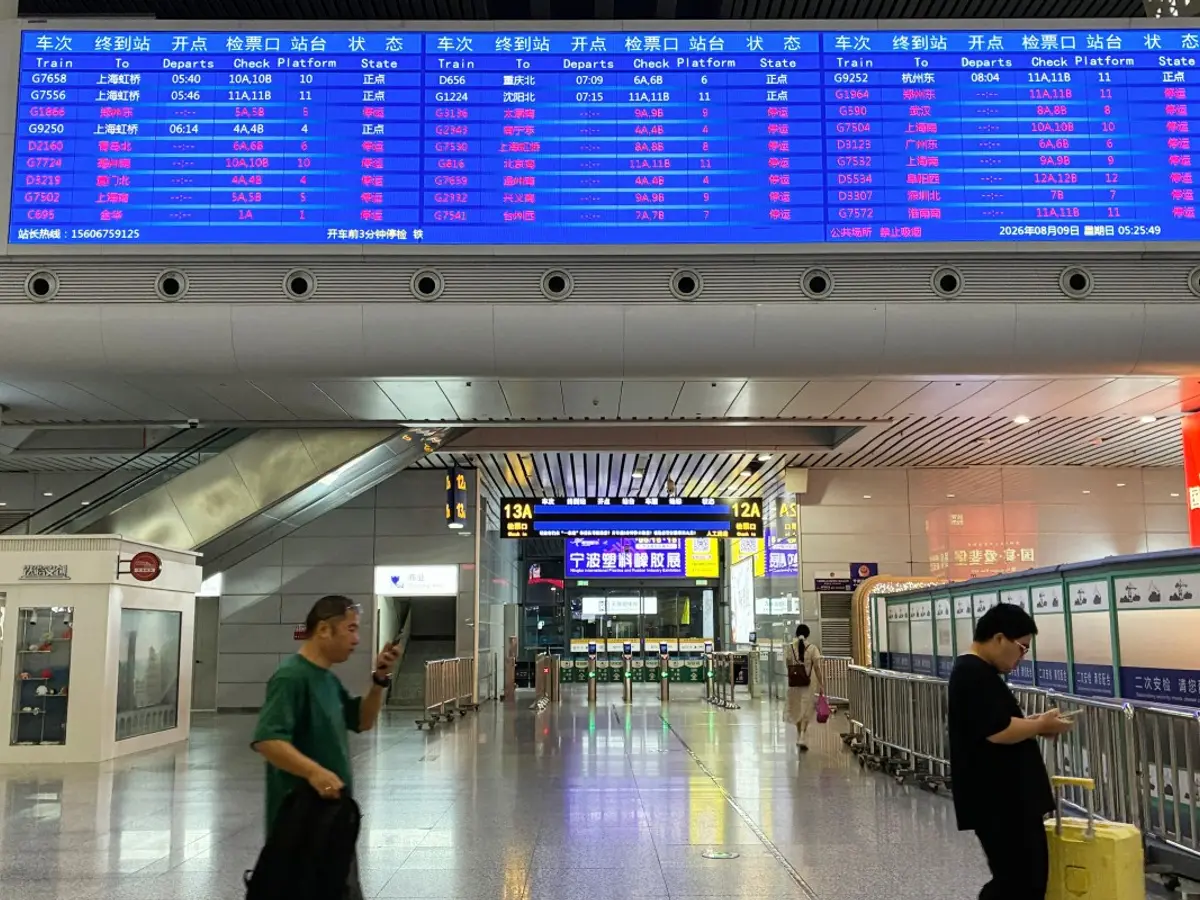
Typhoon Dolphin makes landfall in China, triggers mass evacuations
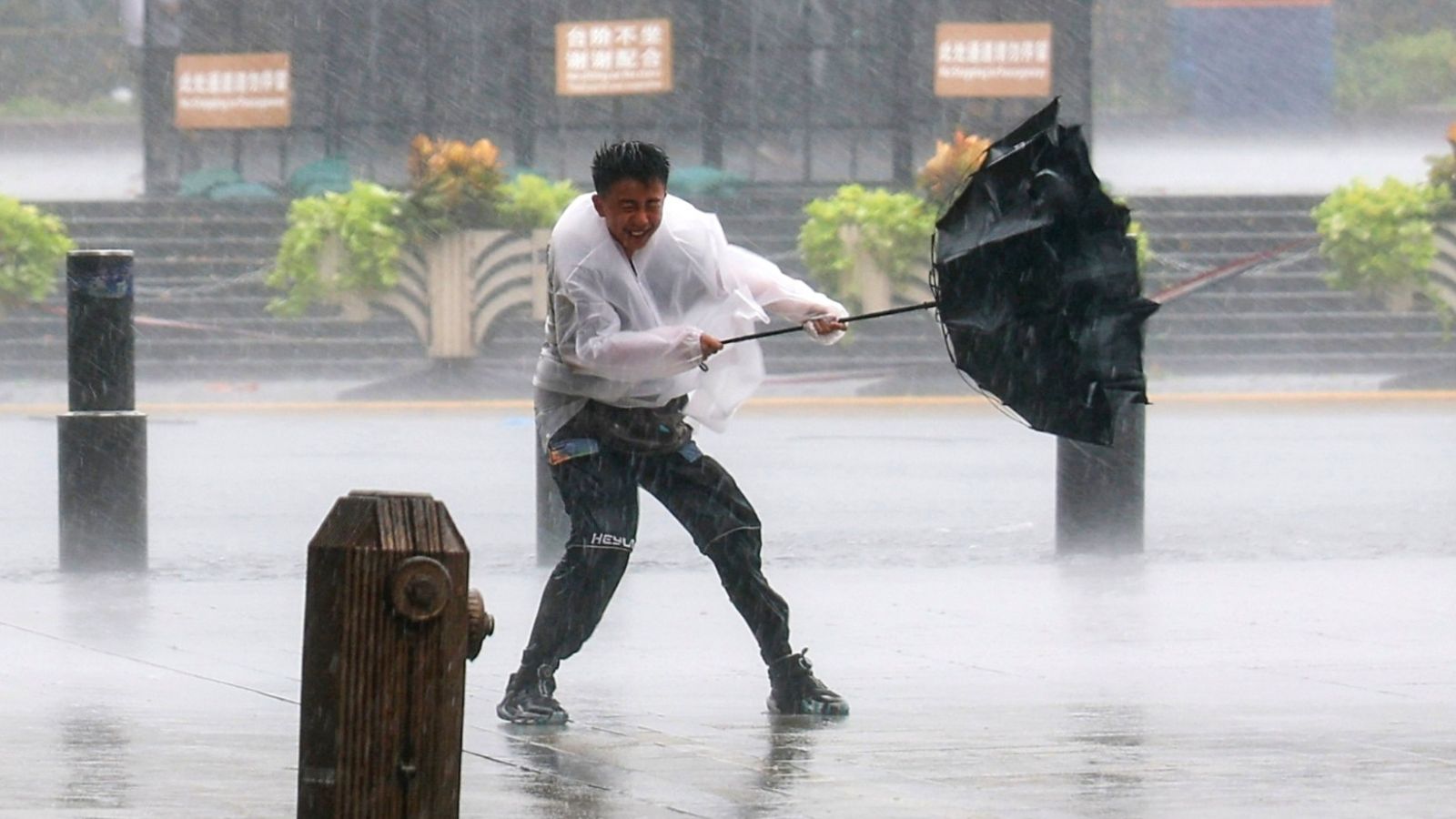
Typhoon Dolphin Forces Mass Evacuations Across Eastern China
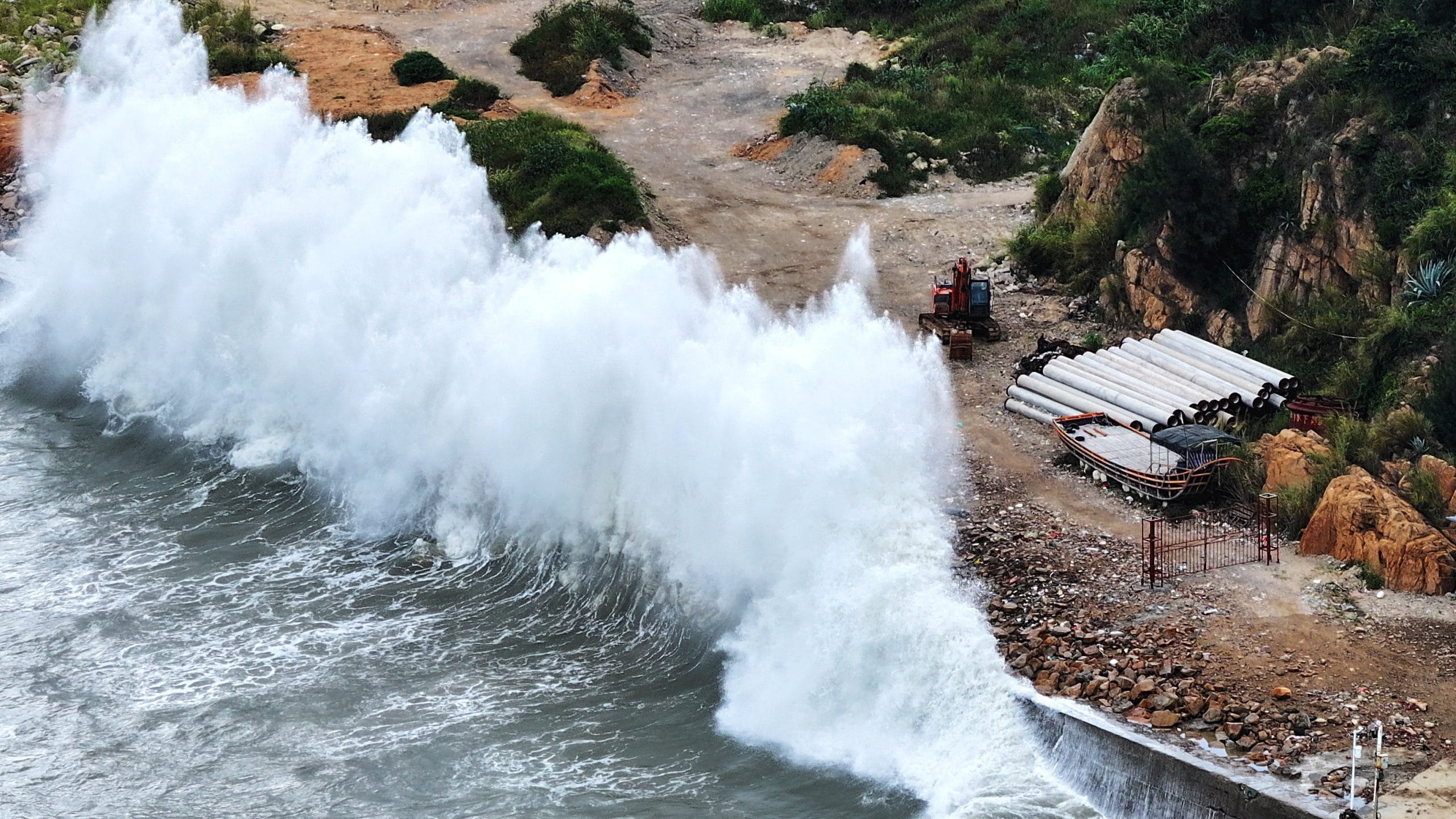
Typhoon Dolphin Hits China's Zhejiang: 1 Million Evacuated, Flights Cancelled
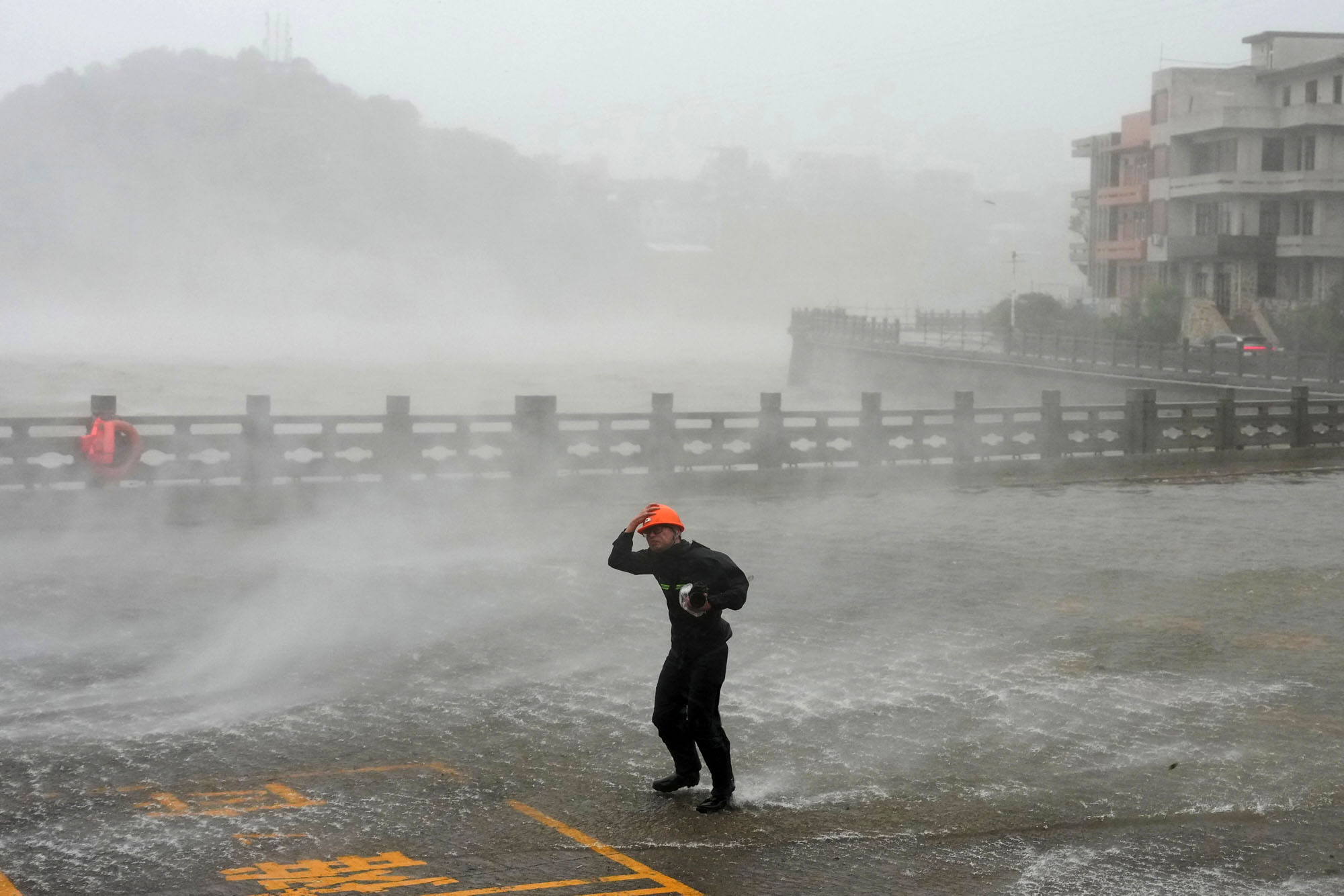
China issues red alert as Typhoon Dolphin hits eastern coast