1 week ago
Heavy Delhi Rains Cause Waterlogging and Traffic Disruptions

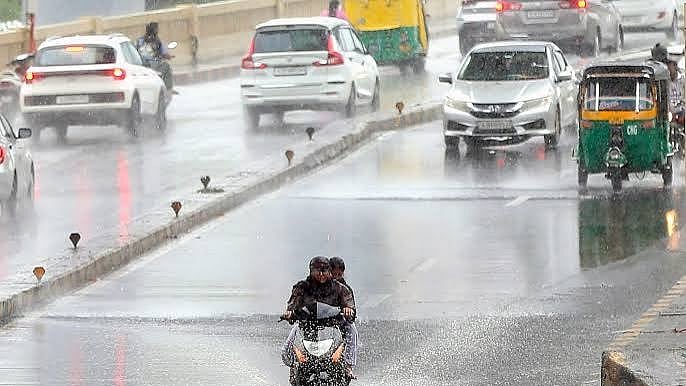
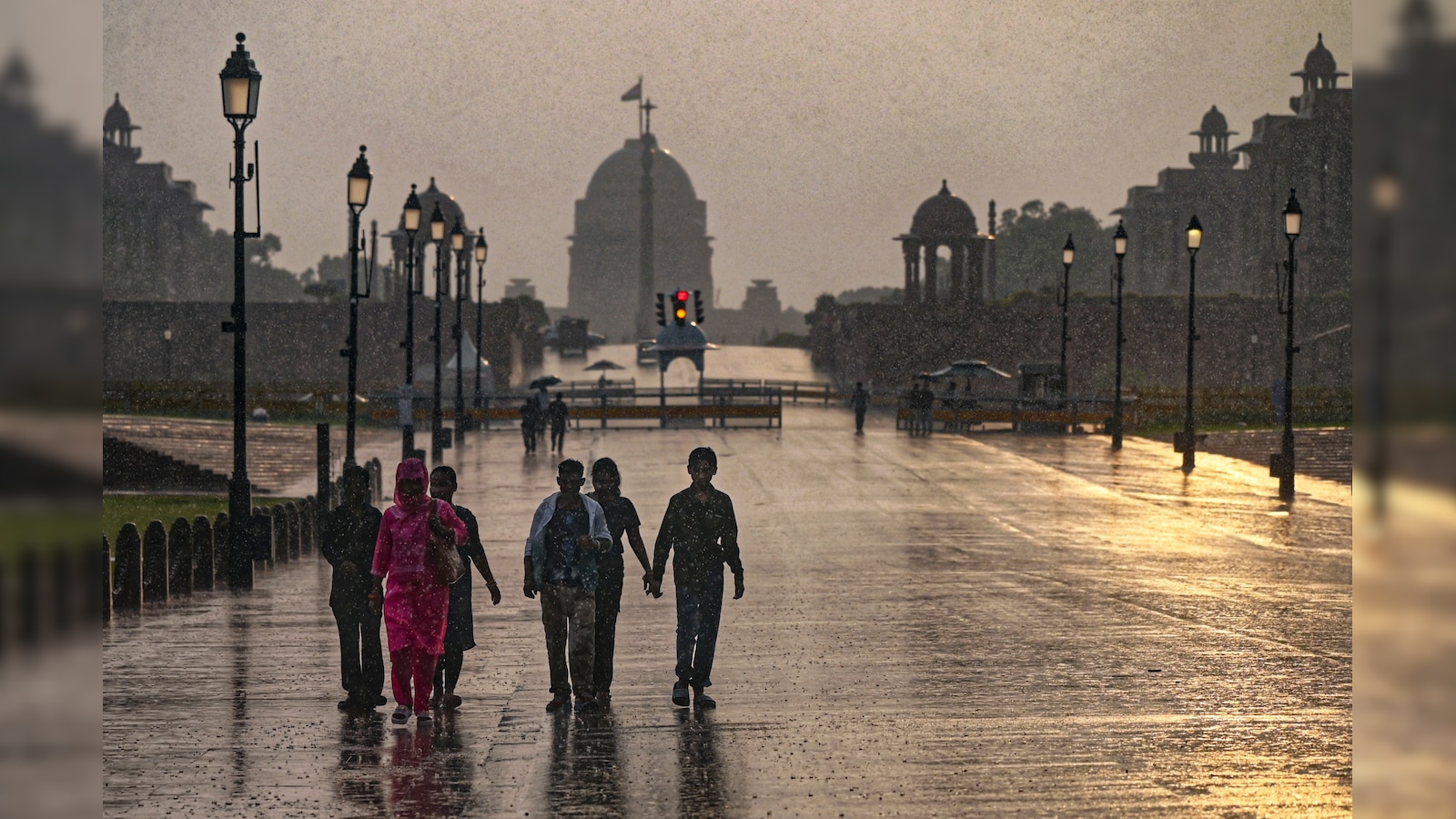
Heavy rain fell across Delhi early Tuesday.
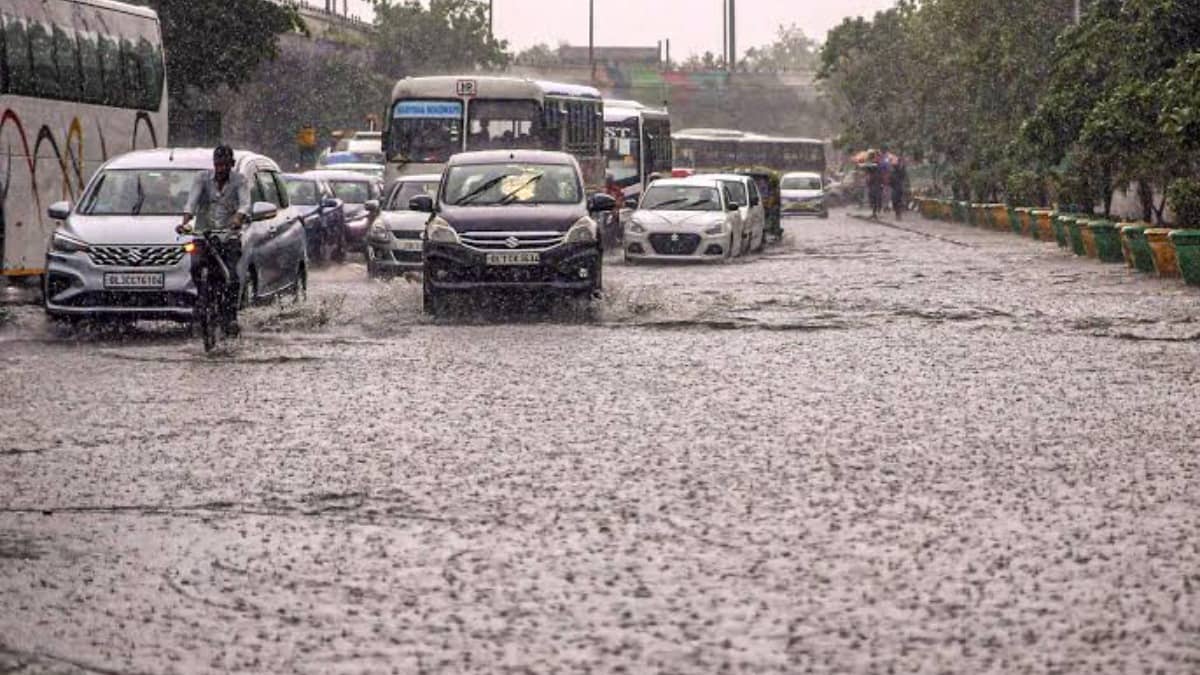
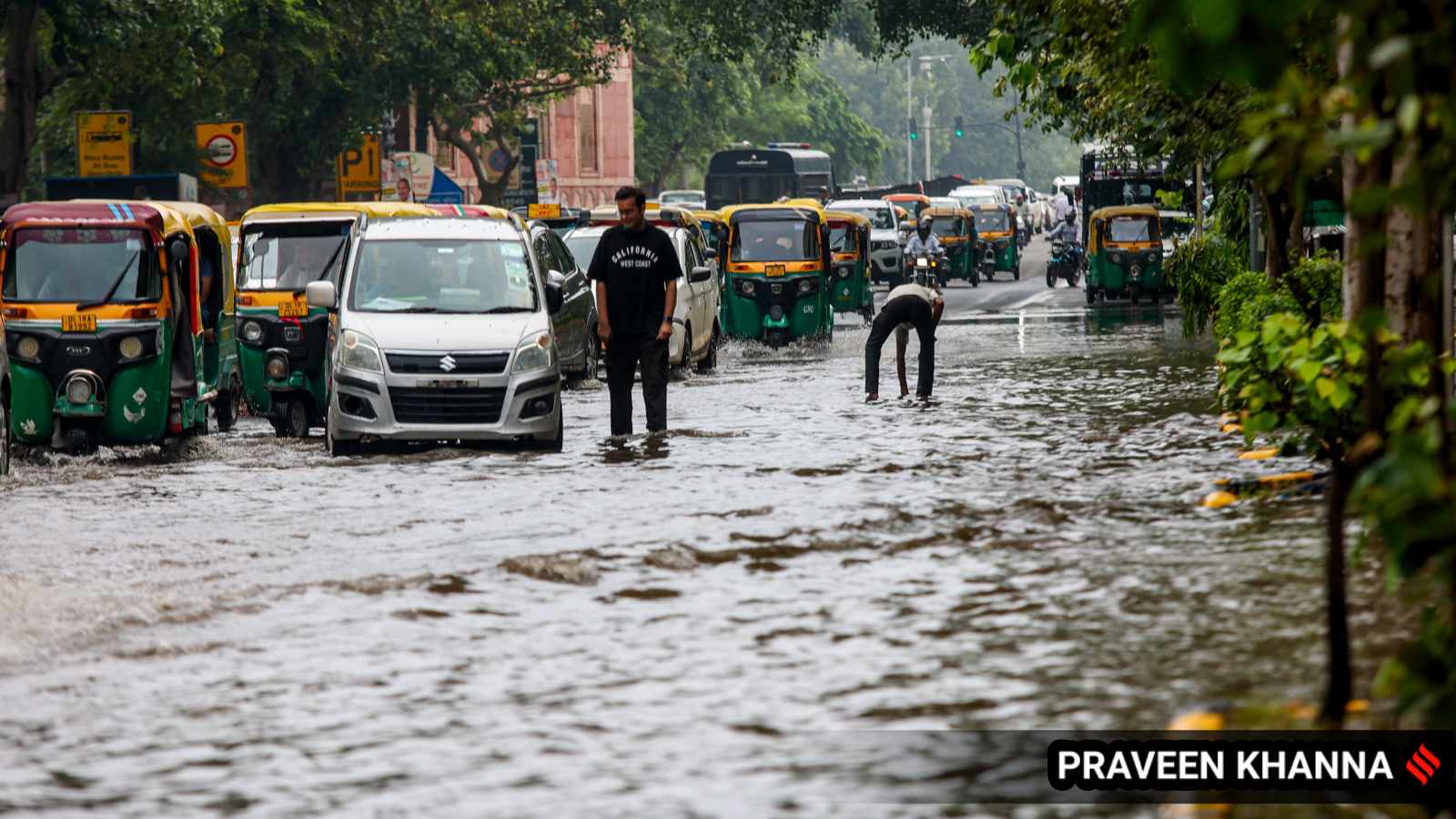
The rain filled roads with water in many parts of the city.
This made traffic move very slowly.
Some places received about 100 millimetres of rain in one day.
Ayanagar received the most rain, at 101.9 millimetres.
Roads near government buildings, hospitals and busy markets were also affected.
Some vehicles had trouble moving through the water.
The rain also made the city’s minimum temperatures lower than usual.

Heavy rain early Tuesday caused waterlogging and slow-moving traffic across several parts of Delhi.
Several areas received about 100 mm or more of rain in the 24 hours ending at 8:30 am.
Ayanagar recorded the highest rainfall at 101.9 mm, followed by the Ridge at 100.4 mm.
Waterlogging affected Ashoka Road, Raisina Road, Connaught Place, ITO, Moti Bagh, Kamla Nagar and Karol Bagh.
Minimum temperatures fell across the city, with all five India Meteorological Department stations recording below-normal readings.
- Who
- Delhi residents, commuters and motorists were affected; the India Meteorological Department provided the rainfall data.
- What
- Heavy rain caused widespread waterlogging, slow traffic and below-normal minimum temperatures.
- Where
- Several parts of Delhi, including Ashoka Road, Raisina Road, Connaught Place, ITO, Moti Bagh, Kamla Nagar and Karol Bagh.
- When
- Early Tuesday, during the 24-hour period ending at 8:30 am.
- Why
- The waterlogging and traffic disruption followed heavy rainfall across the city.
Key facts
- Highest rainfall
- Ayanagar recorded 101.9 mm.
- Second-highest rainfall
- The Ridge recorded 100.4 mm.
- Safdarjung rainfall
- Safdarjung recorded 99.1 mm.
- Lodi Road rainfall
- Lodi Road received 98.3 mm.
- Palam rainfall
- Palam recorded 68 mm until 8 am Tuesday.
- Affected locations
- Waterlogging was reported near Parliament Street, the Supreme Court, AIIMS, ITO, Moti Bagh, Kamla Nagar and Karol Bagh.
- Temperature trend
- All five India Meteorological Department stations recorded minimum temperatures below normal.
Sources
Related news

Heavy Rain Leaves Delhi-NCR Waterlogged, Traffic Crippled

Rain lashes Delhi; waterlogging reported as orange alert remains
Delhi's Wettest August Day In Two Years Brings Waterlogging
Heavy Rain Causes Waterlogging and Traffic Chaos Across South Delhi
Delhi Records Wettest Day in More Than Two Years

Heavy Rain Floods Delhi-NCR, Disrupting Traffic And Flights
Super El Niño May Bring India Drier, More Dangerous Monsoons
India's August Power Demand Hits Record 258 GW Amid Heat

Eight Workers Injured as Darjeeling Loco Shed Collapses
Heavy Rain Floods Kolkata as Bengal Faces More Downpours
Odisha Floods Worsen as Subarnarekha Surges Past Danger Mark