3 weeks ago
Delhi hospital gives homeless TB patient MRI date in 2029
A man named Amit, who is 27 and lives in Delhi without a home, is sick with tuberculosis in his back.
His doctor at Lok Nayak Hospital said he needed an MRI, a machine that takes pictures of the inside of the body.
When Amit tried to book the test, the hospital gave him a date almost three years away – in 2029.
Amit thought it was a mistake, but the staff said the date was correct.
Many other patients at the hospital are told to wait months or years for tests too.
A lawyer named Ashok Agarwal helped Amit, and the Delhi High Court told the government to give him an earlier date.
His MRI was finally done on July 27.
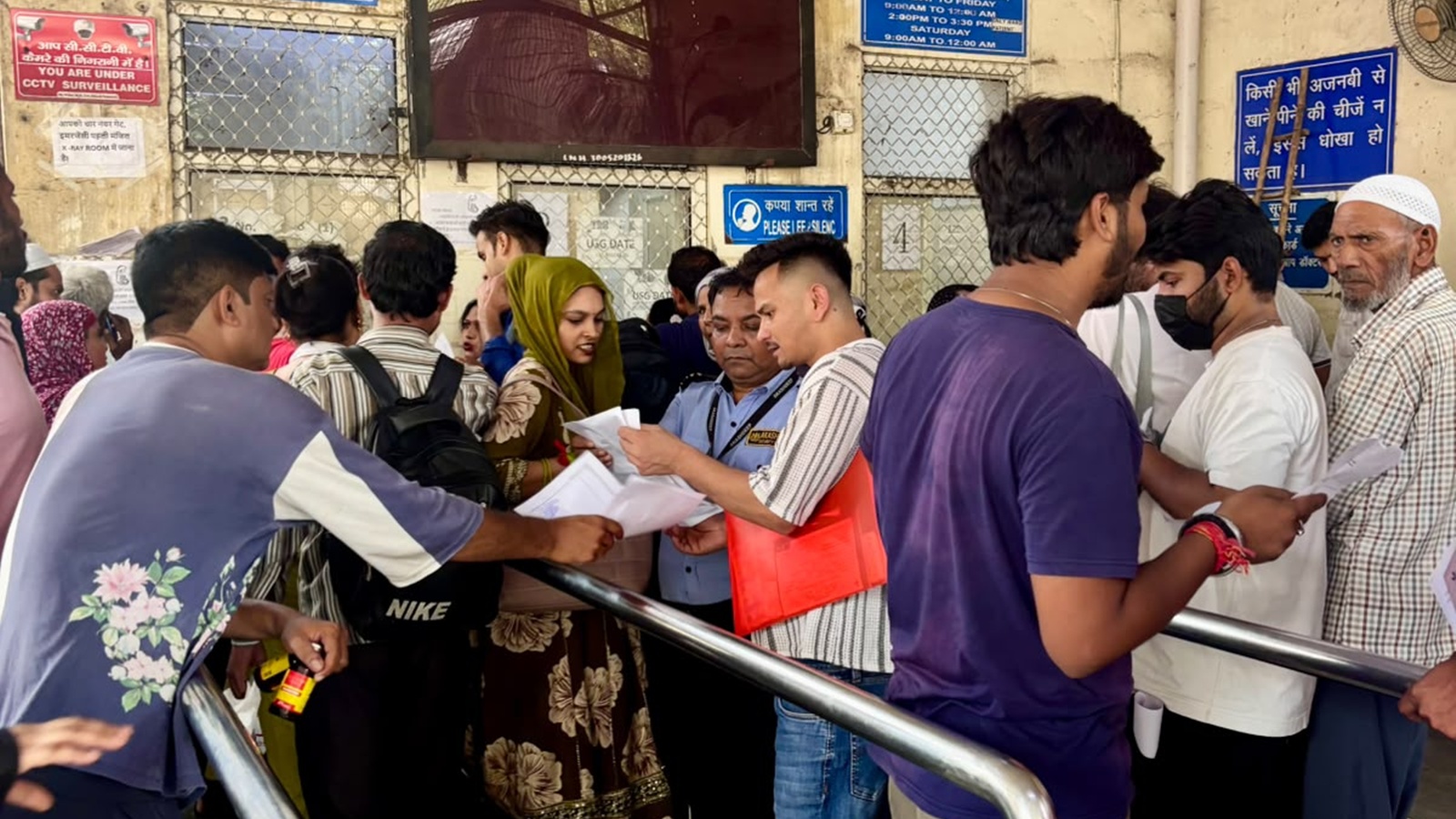
On another day, about 100 patients waited in line, but most were told no tests would happen that day.
The hospital says it is very busy, with about 10,000 patients coming every day.
The lawyer says everyone has the right to healthcare, so the government should create a law to fix these long waits.

A 27-year-old homeless man with Pott's disease was handed an MRI appointment at Delhi's Lok Nayak Hospital dated April 23, 2029 – nearly three years away.
Following Advocate Ashok Agarwal's intervention, the Delhi High Court verbally directed an immediate MRI date, and the patient's MRI was conducted on July 27.
On July 31, about 100 patients queued in the hospital's test registration room; many OPD patients were turned away without dates, with only pregnant women and admitted patients accommodated.
Hospital officials described the backlog as enormous but routine, noting the hospital sees around 10,000 OPD patients daily and most MRI dates are three to four years out.
Agarwal argued that unreasonable delays in diagnostic tests violate the right to health under Article 21 – which the Supreme Court has linked to emergency treatment – and called for a comprehensive public health law.
- Who
- Amit, 27, a homeless man from Jabalpur with Pott's disease; Advocate Ashok Agarwal; and officials at Delhi's Lok Nayak Hospital.
- What
- Amit was assigned an MRI appointment for April 23, 2029 – nearly three years away – and, after a Delhi High Court directive, his MRI was finally conducted on July 27.
- Where
- Lok Nayak Hospital, Delhi, India.
- When
- In July, with events on July 21 (appointment given), July 25 (court submission), July 27 (MRI conducted) and July 31 (patients turned away).
- Why
- A massive diagnostic backlog at one of Delhi's largest government hospitals leaves patients who cannot afford private care waiting three to four years for tests.
Patients and rights advocates
Hospital administration
Diagnostic wait times
Patients and rights advocates
Giving patients MRI dates nearly three years away is an unreasonable delay that violates the fundamental right to health and emergency medical treatment under Article 21.
Hospital administration
The backlog is enormous but routine – most MRI dates are three to four years out, and with around 10,000 OPD patients daily, it is difficult to accommodate everyone.
Access for the vulnerable
Patients and rights advocates
Patients who cannot afford private labs have nowhere to go, and homeless patients were pushed aside despite urgent needs, so the state must guarantee timely tests.
Hospital administration
Patients with Delhi residency proof or Aadhaar get their tests expedited, and eligible patients are directed to the Delhi Arogya Kosh scheme for financial assistance.
Handling capacity limits
Patients and rights advocates
Turning away all but pregnant women and admitted patients on July 31 denied OPD patients like Pooja and Bashir essential tests that day.
Hospital administration
The hospital prioritises the most urgent cases – pregnant women and already admitted patients – on days when capacity is exhausted.
Key facts
- Patient
- Amit, 27, homeless man originally from Jabalpur
- Condition
- Pott's disease (spinal tuberculosis)
- Original MRI appointment
- April 23, 2029, 9 am (nearly three years away)
- MRI conducted
- July 27, after Delhi High Court direction
- Hospital
- Lok Nayak Hospital, Delhi
- OPD footfall
- Around 10,000 patients daily
- Typical MRI wait
- Three to four years
- Financial aid scheme
- Delhi Arogya Kosh (DAK) – up to Rs 5 lakh, covers MRI, CT and X-ray
Quotes
Advocate Ashok Agarwal
Advocate and amicus curiae before the Delhi High Court
“These cases are part of a larger pattern of a failing health system. The right to health flows from Article 21 of the Constitution; the Supreme Court… had also held that the right to emergency medical treatment is a fundamental right.”
 indianexpress.com
“We get around 10,000 people for the OPD every day. It’s difficult to accommodate everyone.”
indianexpress.com
Sources
Related news
At LNJP, MRI Shortages Leave Patients Waiting Until 2028

MLA Seeks Second MRI, Medicines, Staff for JJ Hospital
Delhi’s Free Cancer Hospital Leaves Patients Paying for Care
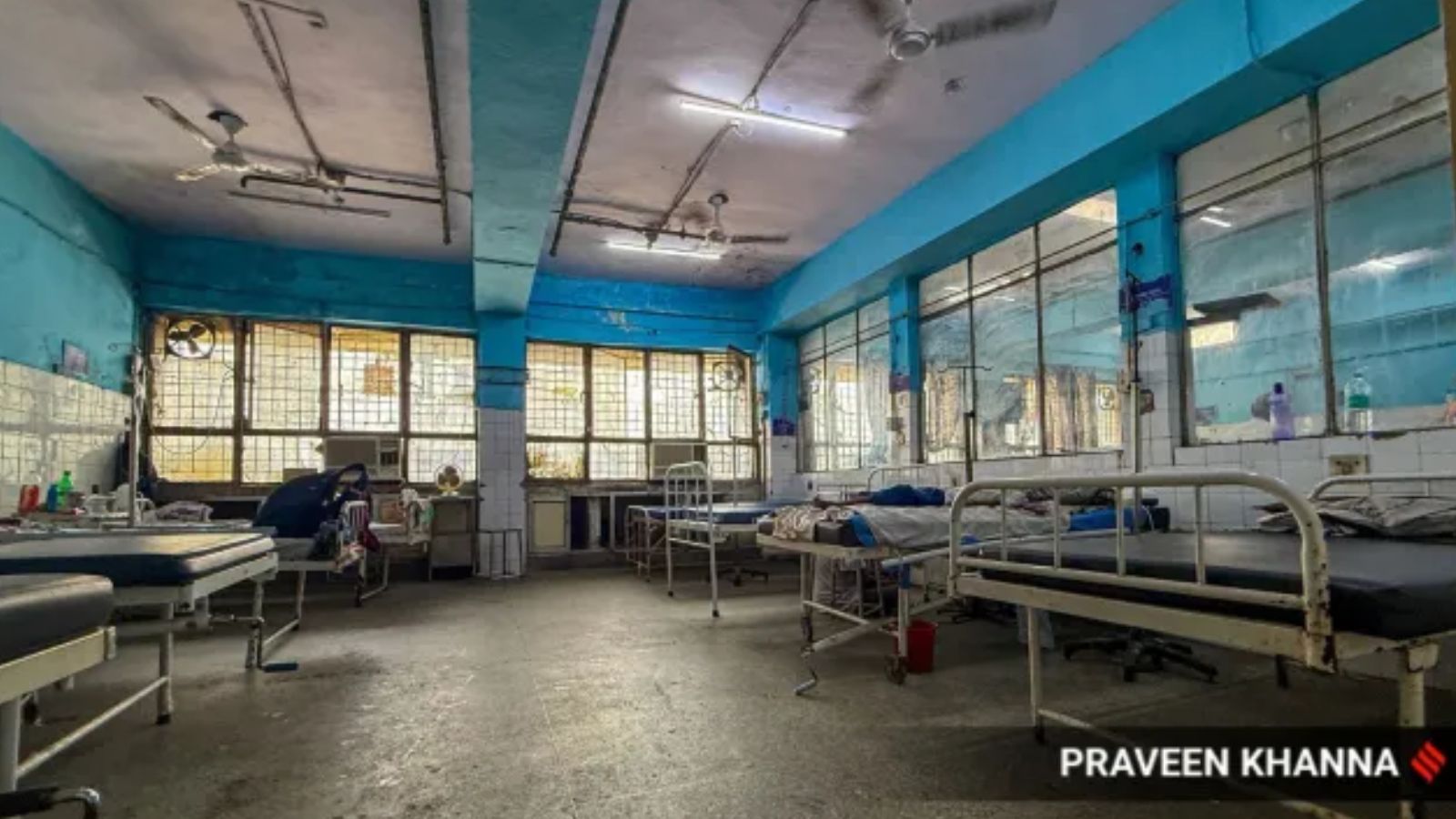
Medical equipment worth crores found unused at Delhi government hospitals
Minister Orders Probe After Zaheerabad Hospital Post-Mortem Delay
Indore Joins Nine-District MP Mission for Zero Fatalities
Caste Census Format Sparks Government Coordination and Data Dispute
Uttam Seeks Central Support for Telangana’s Ongoing Water Projects
Mira-Bhayandar Activist Challenges ₹5,000 Fine As MBMC Plans More Spots

HHRC Seeks Answers Over 20-Year Water Shortage in Faridabad