2 hrs ago
Caste Census Format Sparks Government Coordination and Data Dispute
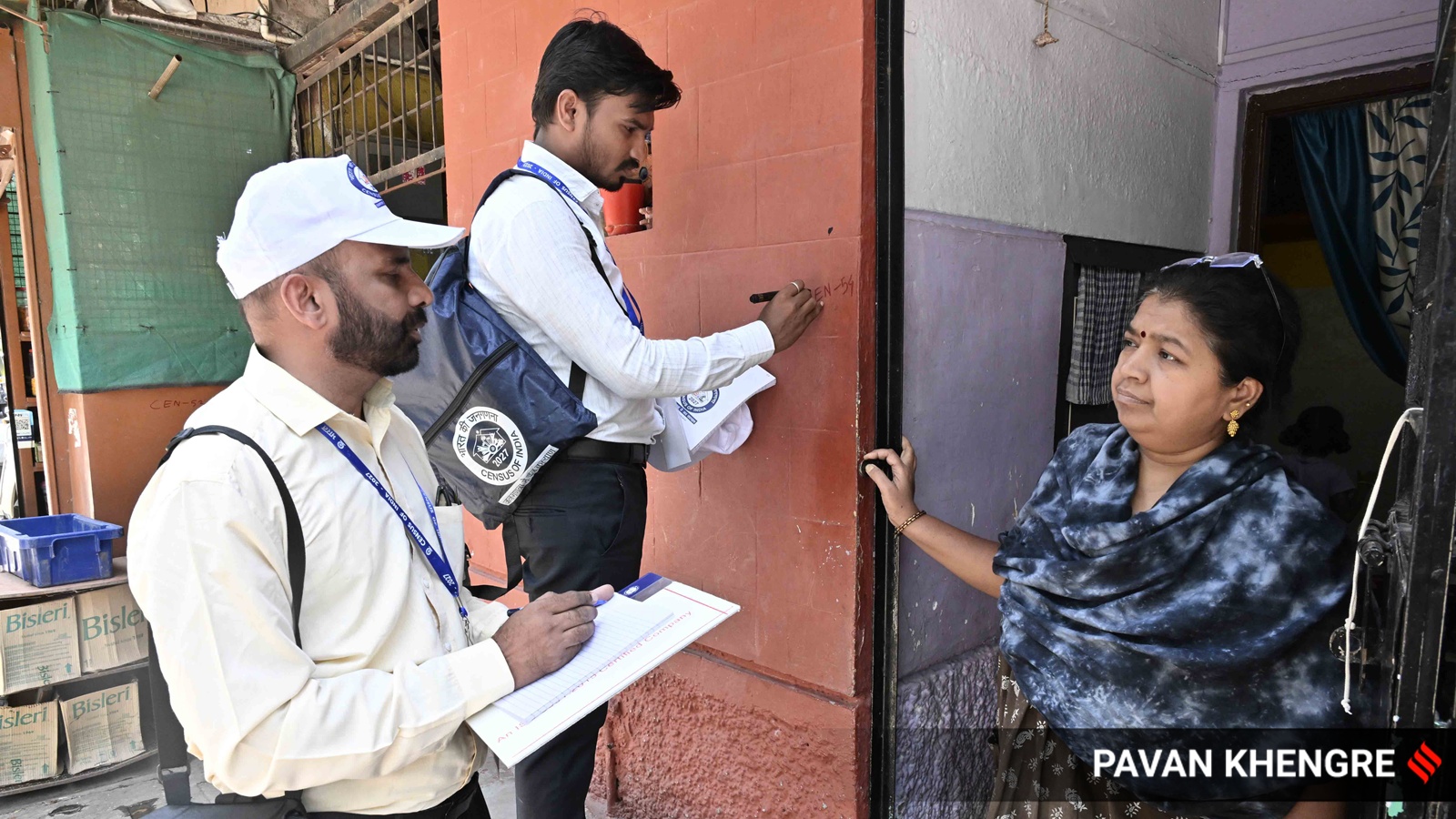
India plans to count people’s castes during the 2027 Census.
The government wants people to write their caste in their own words instead of choosing from a fixed menu.
Officials disagree about whether existing government lists should be used to help with the counting.
The Social Justice Ministry said it could provide lists of Scheduled Castes and Other Backward Classes.
It said it does not have a separate list containing every caste.
A first record of an important meeting did not describe the Ministry’s offer in the same way.
The Ministry objected, and the record was changed and later accepted.
Critics worry that millions of different answers could be difficult to organise into reliable data.

The 2027 Census will use open-ended caste responses instead of a predefined drop-down list.
The Social Justice Ministry offered to share its Scheduled Caste and Central OBC lists, sources said.
An initial meeting note allegedly omitted or reframed that offer, prompting the Ministry to seek changes.
The revised note said the Ministry maintains the SC list and Central OBC list but no broader caste list.
Opposition leaders warned that accurate caste data is necessary to implement social justice policies effectively.
- Who
- The Office of the Registrar General of India, the Ministry of Social Justice and Empowerment, opposition leaders Rahul Gandhi and Mallikarjun Kharge, and other government officials.
- What
- Officials revised and accepted a meeting note concerning whether existing caste lists could support the caste enumeration planned for the 2027 Census.
- Where
- The caste enumeration is planned across India; the reported inter-ministerial meeting involved central government officials.
- When
- The disputed meeting took place on June 1; the first note was circulated June 8, the Ministry sent revisions June 11, and the revised note was accepted June 30.
- Why
- The government says open-ended responses prevent the state from deciding people’s caste identities, while critics say accurate, standardised caste data is needed for social justice policies.
Critics and Opposition
Government and Administrative Position
Need for standardised data
Critics and Opposition
Rahul Gandhi, Mallikarjun Kharge and Ministry sources argue that reliable caste data is needed to implement social justice policies and say an open-ended system risks repeating the problems of 2011.
Government and Administrative Position
The government says an open-ended response is necessary so the state does not become an arbiter of caste identities.
Use of existing caste lists
Critics and Opposition
The Ministry said it could provide the Scheduled Caste list and Central OBC list, and objected when an initial note appeared to suggest that no usable list was available.
Government and Administrative Position
The revised position says the Ministry is required to maintain the Scheduled Caste and Central OBC lists, but has no mandate to maintain a separate list of all castes.
Reliability of the census data
Critics and Opposition
Ministry sources warned that millions of individually reported caste names could produce another failed or unusable dataset, as they say happened in the 2011 exercise.
Government and Administrative Position
The government’s selected format allows respondents to report their identities directly rather than forcing them into a predefined list.
Key facts
- Census exercise
- Caste enumeration is planned as part of the 2027 Census.
- Response format
- The government has chosen an open-ended question rather than a drop-down menu.
- Scheduled Caste list
- The Ministry’s notified Scheduled Caste list contains 1,258 entries.
- Central OBC list
- The Central List of Other Backward Classes contains nearly 2,483 entries.
- 2011 caste responses
- The 2011 Socio-Economic Caste Census recorded 46.7 lakh distinct caste names.
- 2011 exercise cost
- The previous exercise cost about Rs 4,900 crore, according to Ministry sources.
- Revised note
- The Registrar General’s office accepted the Ministry’s revised meeting note on June 30.
Quotes
Registrar General’s Office meeting note
Initial account circulated by the Registrar General’s Office after the June 1 meeting.
“No separate list of ‘Castes’, other than the Scheduled Caste List and Central List of Other Backward Classes, is required to be maintained by the Department. The list of Scheduled Castes comprising 1,258 Entries has already been shared with ORGI vide letter dated September 25, 2025 and the Central List of Other Backward Classes, comprising of nearly 2,483 Entries, if required, will be provided to the ORGI.”
 indianexpress.com
“The fact remains that the affidavit filed before this Court emphatically states that the data as collated is not accurate and is unusable for any purpose whatsoever.”
indianexpress.com
Sources
Related news

Congress Challenges Census 2027 Caste Question Over Data Accuracy
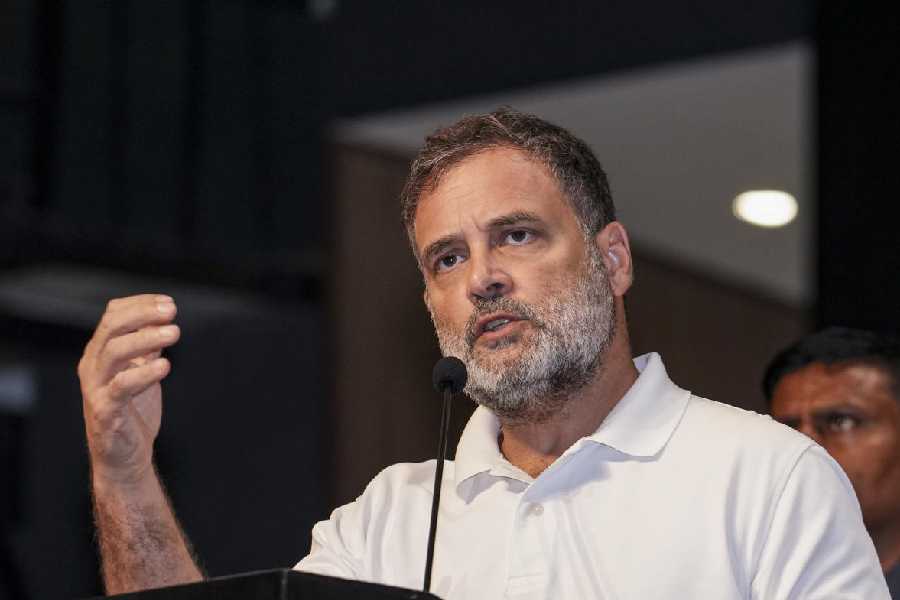
Kharge, Rahul Gandhi Seek New Caste Census Questionnaire

Caste Census Debate Deepens Over Scope, Data and Representation
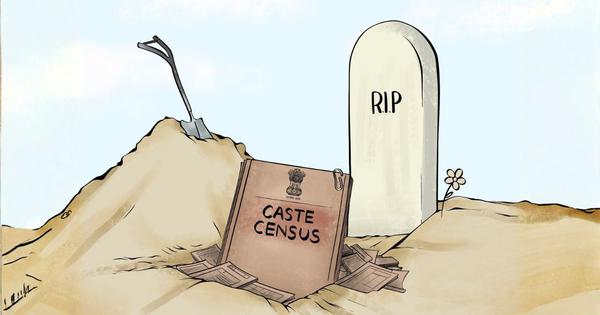
Why India’s Caste Census Method Faces Sabotage Claims
Committee Seeks Changes to Caste Enumeration for Census 2027
Congress Challenges Census 2027 Caste Questionnaire Design
India Launches DISSSA Campaign to Empower Persons with Disabilities

Panel Flags Scholarship Delays, OBC Target Cut, SC Shortfalls
Congress Calls Free Coaching Plan a Gimmick, Condemns Ahmedabad Assault
Why Census 2027 Must Count Nomadic Tribes Separately