

3 hrs ago
El Nino Matches Record Intensity, Bringing Weather Disruptions Worldwide

El Nino is a natural climate pattern that starts when Pacific Ocean waters become unusually warm.
This event has reached 3.07°C above its usual level on one widely used measurement.
That matches the strength recorded during the 2015–2016 El Nino.
A different measurement that accounts for warming across more of the ocean currently gives a lower ranking.
El Nino can change weather far away from the Pacific Ocean.
Some places may become hotter and drier, while others may become cooler and wetter.
In parts of Central America, drought has harmed crops, killed animals and reduced available water.
The Panama Canal also has less reservoir water for moving ships through its locks.
Scientists disagree about how directly climate change makes El Nino events stronger.

Tropical Pacific sea-surface warming reached 3.07°C, matching the level recorded during the 2015–2016 El Nino.
The measurement uses daily temperatures in the Pacific’s Nino 3.4 region compared with a 30-year average.
A newer NOAA measure, RONI, shows the current event below the previous record, though it could eventually surpass it.
El Nino-linked drought has caused animal deaths, crop damage and water shortages in parts of Central America.
Low reservoir levels have forced authorities to reduce ship traffic through the Panama Canal, a route carrying about 5% of global trade.
- Who
- Scientists, including climatologist Zeke Hausfather, and communities affected by El Nino.
- What
- El Nino has reached 3.07°C of tropical Pacific sea-surface warming on a widely used measure, matching the 2015–2016 record on that index.
- Where
- The tropical Pacific, with reported effects in Central America and disruptions affecting the Panama Canal; the headline also identifies Indonesia among affected regions.
- When
- The current event was reported in September 2026; September was expected to possibly become the month with the highest anomaly on record.
- Why
- Weakened trade winds allow warm water to move eastward and rise to the surface, altering rainfall, storms and atmospheric circulation.
Evidence of an exceptionally strong El Nino
Cautious scientific interpretation
How strong is the event?
Evidence of an exceptionally strong El Nino
The Nino 3.4 measurement reached 3.07°C, matching the highest level recorded on that widely used index.
Cautious scientific interpretation
The newer RONI measure, which accounts for warming across the wider tropical belt, currently places the event below the previous record.
Role of climate change
Evidence of an exceptionally strong El Nino
A coral-skeleton study found a “striking amplification” of El Nino events over the past 40 years compared with the pre-industrial period.
Cautious scientific interpretation
Scientists remain divided on whether climate change directly makes individual El Nino events stronger.
Expected development
Evidence of an exceptionally strong El Nino
Hausfather said September was likely to become the month with the highest anomaly on record, and scientists expect the event could eventually surpass the RONI record.
Cautious scientific interpretation
Those projections are not yet confirmed, and the RONI-based record has not currently been exceeded.
Key facts
- Recorded anomaly
- 3.07°C in the tropical Pacific on the Nino 3.4 measure
- Previous matching level
- The level recorded during the 2015–2016 El Nino
- Primary data source
- Sea-surface temperatures from the National Oceanic and Atmospheric Administration, collected through satellites and buoys
- Alternative measure
- NOAA’s Relative Oceanic Nino Index compares Nino 3.4 warming with warming across the wider tropical belt
- Central American impacts
- Drought has contributed to animal deaths, crop damage and water shortages
- Panama Canal impact
- Authorities reduced the number of ships allowed through because the canal depends on reservoir water
- Trade significance
- About 5% of global trade passes through the Panama Canal
Sources
Related news
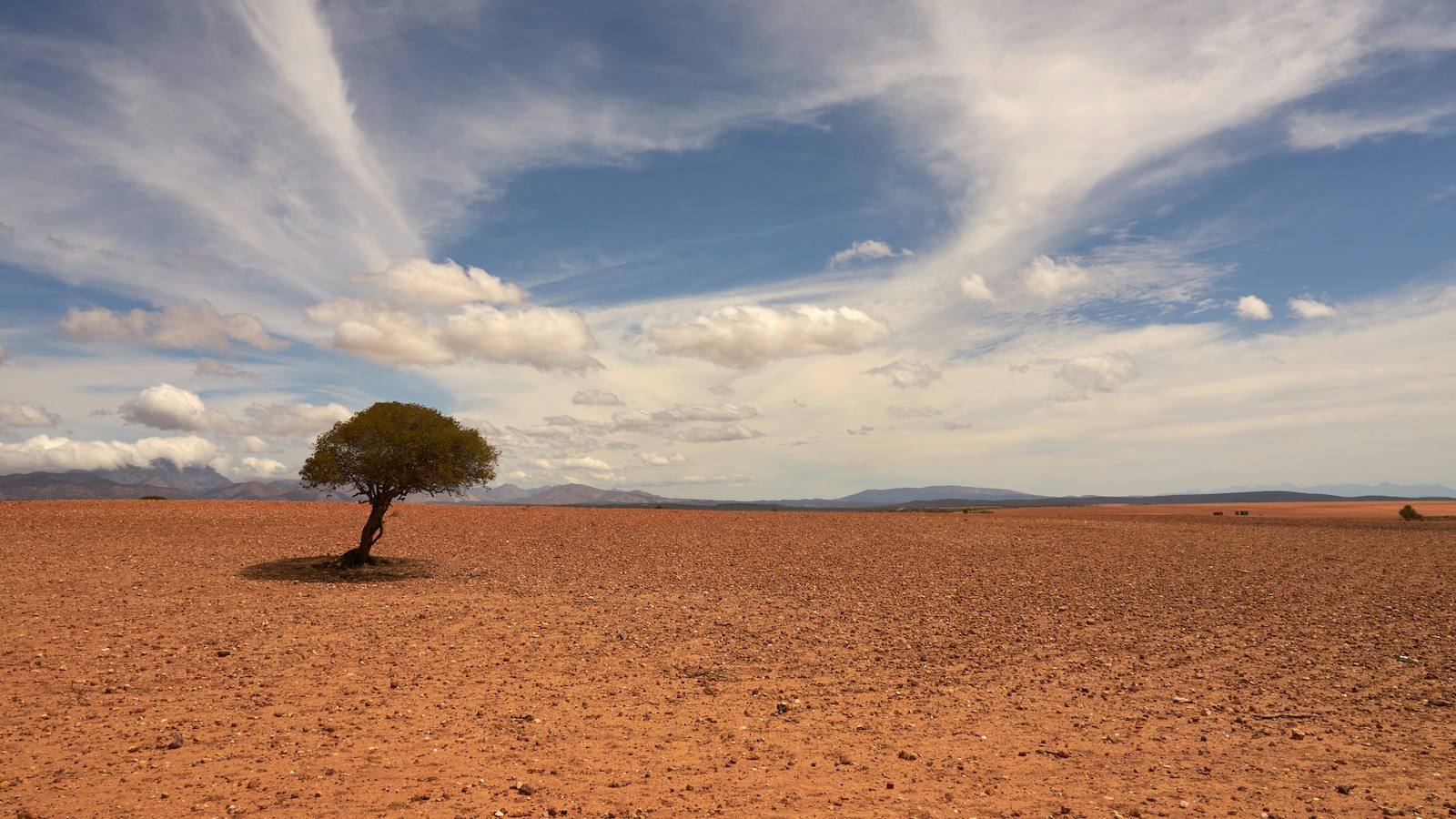
Supersized El Niño Could Become Strongest Ever, UN Warns
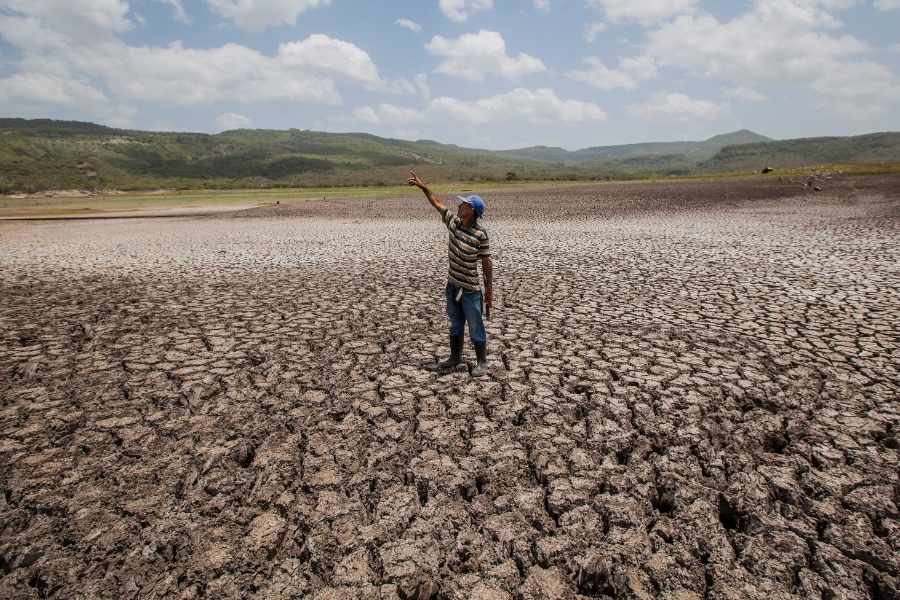
Powerful El Niño May Become Strongest on Record

US Climate Centre Sees 75% Chance of Historic El Niño
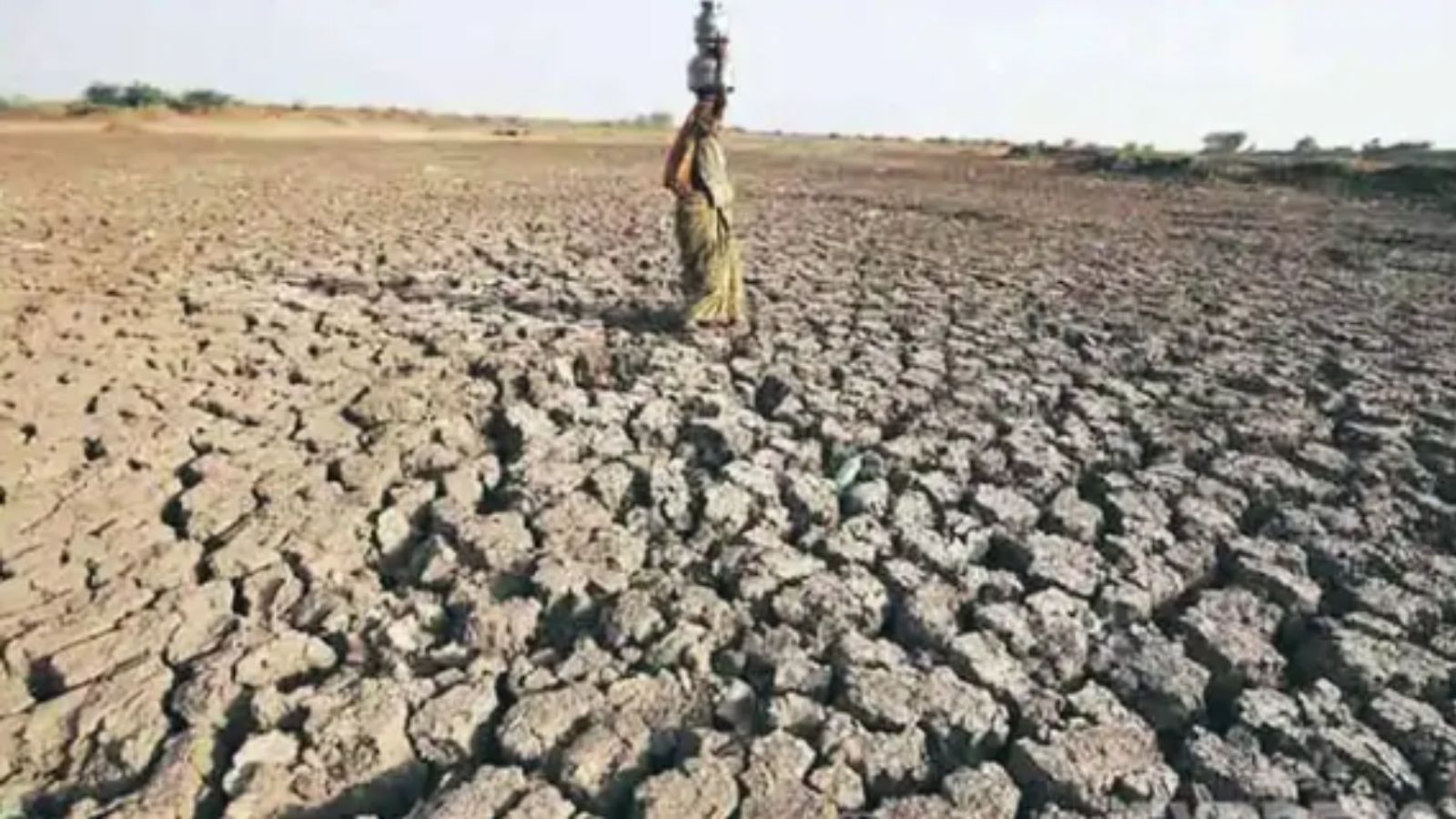
WMO Warns Very Strong El Niño Could Reshape Global Weather

World’s Oceans Reach Record Heat as El Niño Intensifies
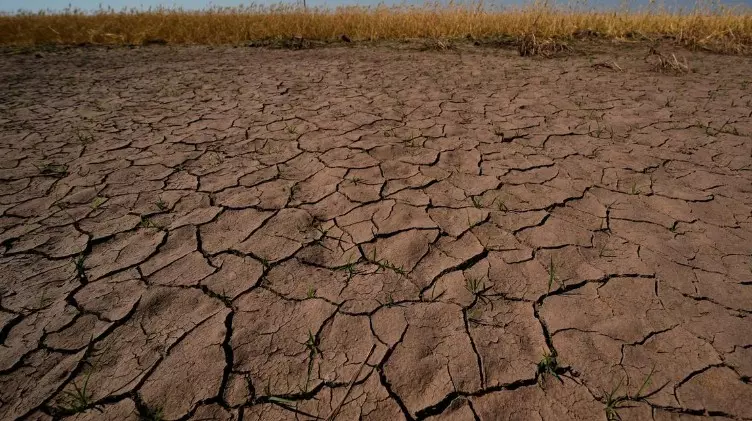
El Niño Expected to Peak in November or December

India Thrash Pakistan 3-0 in Asian Games Table Tennis

Savita Punia Sets Indian Women’s Hockey Caps Record

India Thrash Indonesia 17-1 in Asian Games Hockey
