1 week ago
Census 2027 Privacy Concerns Threaten Accuracy and Public Trust
India plans to ask people many questions in the 2027 census.
Some questions would request private numbers such as Aadhaar, voter identity and passport details.
The census is supposed to help the government understand the population and plan services.
The government says the law keeps these answers confidential.
The editorial argues that laws alone may not stop copying, hacking or misuse.
It worries that personal information could be connected with other government databases.
This could make people afraid to answer honestly.
The editorial says fewer personal details and stronger security rules are needed.
Without public trust, the census results may become less accurate.

The Census 2027 questionnaire reportedly contains more than 40 questions, including Aadhaar, voter identity, passport and mobile numbers.
It also asks about addresses, parental religion and birthplace, migration-related details, economic information and the number of bank accounts.
The editorial argues that collecting unique identifiers could enable data matching, surveillance, voter profiling and discriminatory targeting.
The government says Section 15 of the Census Act protects confidentiality and restricts census data to statistical use.
The editorial calls for data minimisation, independent security audits, access controls, deletion limits, penalties and breach-notification procedures.
- Who
- The Registrar General of India and Census Commissioner, the government, census officials and respondents.
- What
- A Census 2027 questionnaire has been notified that includes numerous personal identifiers and other sensitive information.
- Where
- India, using more than three million connected devices.
- When
- For Census 2027; the articles do not provide a specific collection date.
- Why
- Census information supports policymaking, but the editorial warns that collecting identifiers could create privacy, security and public-trust risks.
Government Assurance
Editorial Privacy Concerns
Confidentiality and use of data
Government Assurance
The government says Section 15 of the Census Act protects confidentiality and limits census information to statistical use.
Editorial Privacy Concerns
The editorial says a statutory assurance cannot by itself prevent copying, unauthorised access, insider abuse or cyberattacks.
Collection of identifiers
Government Assurance
The questionnaire has been notified with questions involving identifiers and socioeconomic information that could support government planning, including direct-benefit planning.
Editorial Privacy Concerns
The editorial argues that unique identification numbers are unnecessary for macro-level census statistics and could permit matching with electoral, welfare and other administrative databases.
Effect on census accuracy
Government Assurance
The stated purpose of collecting census information is to provide data for policymaking.
Editorial Privacy Concerns
The editorial says extensive requests for private information may cause suspicion and evasion, leading to less reliable census results.
Key facts
- Census exercise
- Census 2027
- Questionnaire size
- More than 40 queries
- Newly cited identifiers
- Aadhaar, voter identity, passport and mobile numbers
- Other information requested
- Addresses, parental religion and birthplace, economic particulars and bank-account numbers
- Government assurance
- Section 15 of the Census Act bars revelation or use of census data for purposes other than statistical ones
- Digital infrastructure
- More than three million connected devices are expected to be handled by enumerators and officials
- Editorial recommendations
- Data minimisation, independent audits, role-based access, secure devices, retention limits, penalties and breach redress
Sources
Related news
Census 2027 privacy concerns over Aadhaar, mobile data collection

Census 2027 to Collect Caste, Aadhaar, Mobile and Bank Details
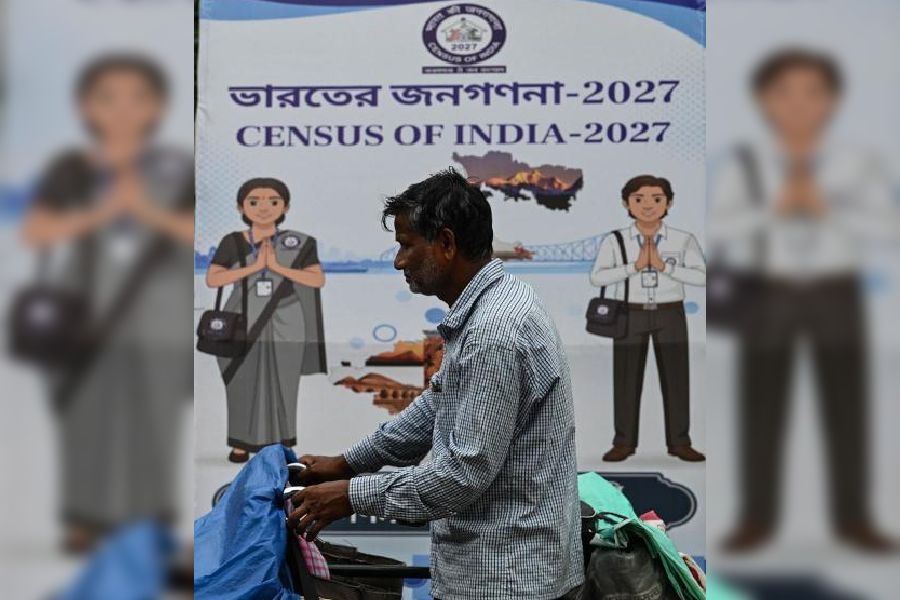
Cracks in census: many Indians reluctant to share personal details
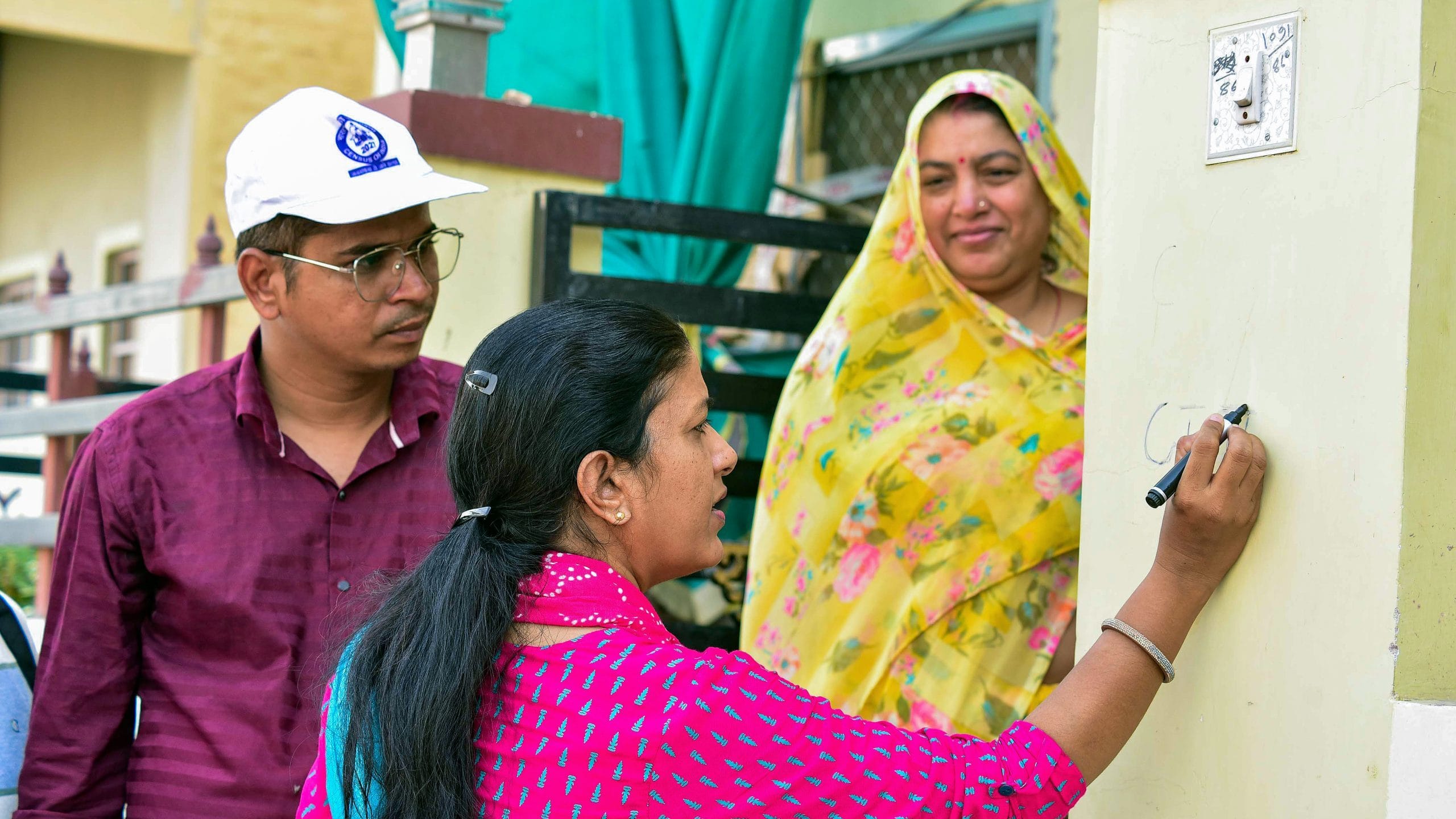
Census 2027 Questions Raise Concerns Over NPR Data-Sharing
Census 2027 Questions Rekindle NPR Privacy, Citizenship Controversy
Census 2027 questionnaire revives NPR, adds caste and ID details
Committee Seeks Changes to Caste Enumeration for Census 2027

Congress Challenges Census 2027 Caste Question Over Data Accuracy

Disability Groups Seek All 21 Categories in Census 2027