1 week ago
Census 2027 Questions Rekindle NPR Privacy, Citizenship Controversy
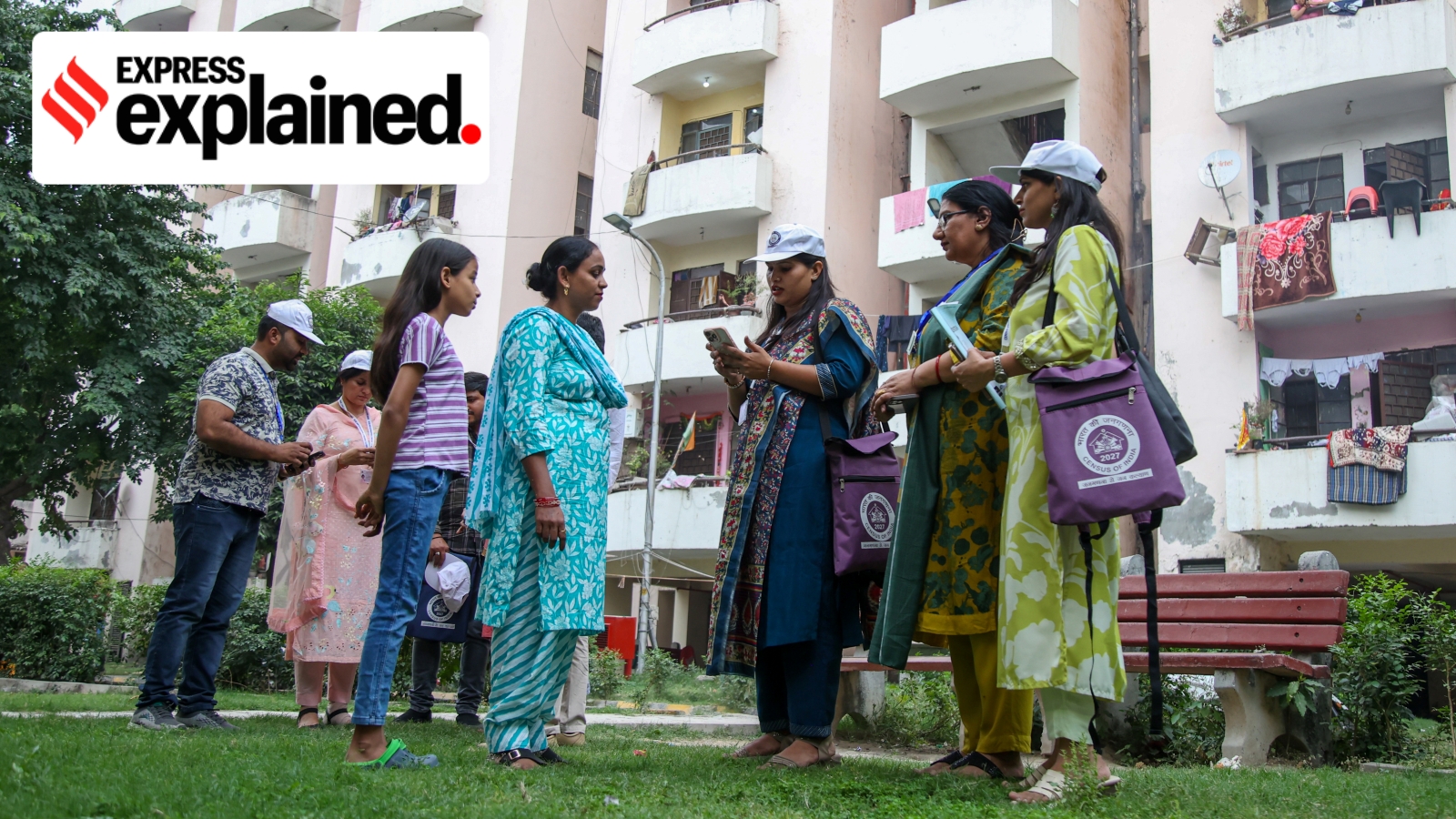
India is preparing a questionnaire for its 2027 Census.
It asks for some information that was not requested in the same way in 2011.
This includes details about parents, nationality, mobile numbers and identity documents.
Some of these questions were also included in an earlier National Population Register plan.
Critics worry that collecting so much information could affect privacy.
They also fear it could eventually be connected to checking who is an Indian citizen.
The government says the information can help plan services and identify people who should receive benefits.
Officials previously said some parental questions were optional and would not require documents.
However, earlier statements connecting the NPR with a citizens’ register have made many people distrust the assurances.

The Census 2027 questionnaire contains 40 questions, including 14 new or modified questions compared with 2011.
Eight new or modified questions also appeared in the 2020 National Population Register schedule.
Critics say parental details, identity numbers and contact information could enable surveillance or citizenship-related scrutiny.
The government has argued that detailed resident data can improve welfare delivery, policy planning, security and administrative efficiency.
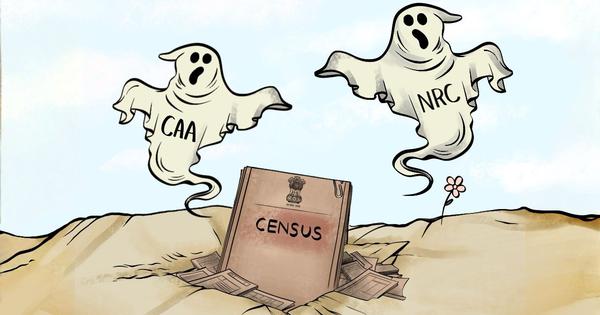
The controversy reflects mistrust created by the Citizenship Amendment Act, Assam’s NRC and earlier statements linking NPR data to a citizens’ register.
- Who
- The Government of India, the Congress, Left parties and people responding to the Census questionnaire are involved in the controversy.
- What
- The 40-question Census 2027 population-enumeration form includes 14 new or modified questions, eight of which also appeared in the 2020 NPR schedule.
- Where
- India, including the context of the NRC exercise in Assam.
- When
- The controversy followed an August 15 report; it is linked to the NPR debate of 2019-20 and the planned Census 2027 enumeration.
- Why
- Critics are concerned about privacy, surveillance and possible citizenship scrutiny, while the government says detailed data will improve planning, welfare delivery and administration.
Critics and Opposition
Government Position
Privacy and data use
Critics and Opposition
The expanded questionnaire collects information that can identify people or link them to other government databases, raising concerns about storage, protection and possible surveillance.
Government Position
The government says combining demographic and identity information can reduce duplicate records, paperwork and discrepancies while making public services more efficient.
Citizenship implications
Critics and Opposition
The Congress and Left argue that questions about nationality and parents could serve a deeper purpose connected to citizenship scrutiny, especially given the NPR’s legal relationship with the citizens’ register.
Government Position
The government has maintained that the NPR is primarily a residents’ database for policy formulation, welfare delivery and demographic planning, and has said people would not lose citizenship merely for lacking information about their parents.
NPR-NRC relationship
Critics and Opposition
Opponents point to the Citizenship Rules and earlier official statements linking the Population Register to preparation of a National Register of Indian Citizens, as well as the political context surrounding the CAA and Assam’s NRC.
Government Position
Amit Shah said in December 2019 that NPR data would never be used for an NRC and that the two exercises were governed by different laws; officials also described NPR and NRC as separate exercises.
Key facts
- Questionnaire size
- The Census 2027 population-enumeration questionnaire has 40 questions.
- New or modified questions
- Fourteen questions are new or modified compared with the 2011 Census.
- Overlap with NPR
- Eight questions also appeared in the National Population Register schedule prepared for 2020.
- Personal information
- The questions include nationality, parents’ particulars, mobile number, Aadhaar, voter ID, passport and driving licence details.
- NPR status
- The NPR is a register of usual residents, including eligible foreigners who have lived in an area for at least six months or intend to stay that long.
- Legal connection
- The 2003 Citizenship Rules provide for a Population Register and its verification for preparing a register of Indian citizens.
- Earlier NPR exercises
- The NPR was first prepared in 2010 with the houselisting phase of the 2011 Census and updated through a door-to-door exercise in 2015.
Sources
Related news
India’s 2027 Census Questions Raise Fears of National Register
Census 2027 questionnaire revives NPR, adds caste and ID details
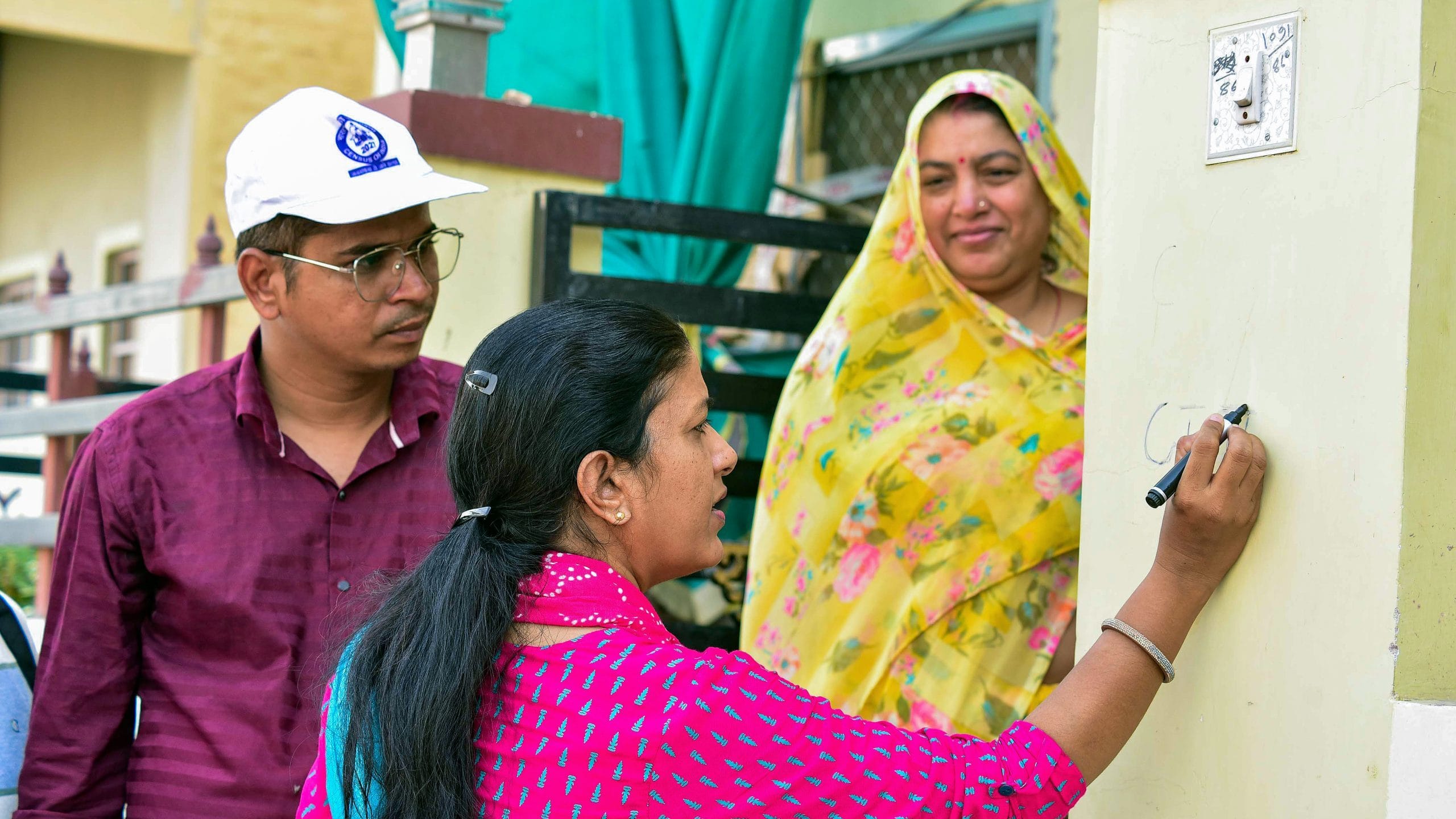
Census 2027 Questions Raise Concerns Over NPR Data-Sharing

Vijayan Accuses Centre of Pushing NPR Through Census Questions
Census 2027 privacy concerns over Aadhaar, mobile data collection

Census 2027 to Collect Caste, Aadhaar, Mobile and Bank Details
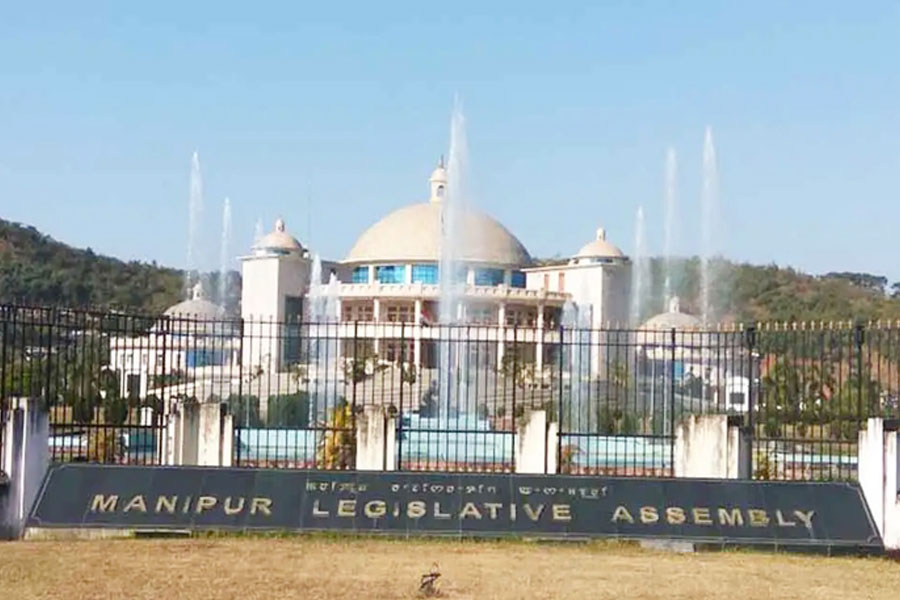
Manipur Assembly Seeks NRC Update Before Census Over Demographic Concerns

Manipur Census Deferment Welcomed as Step Toward Public Aspirations
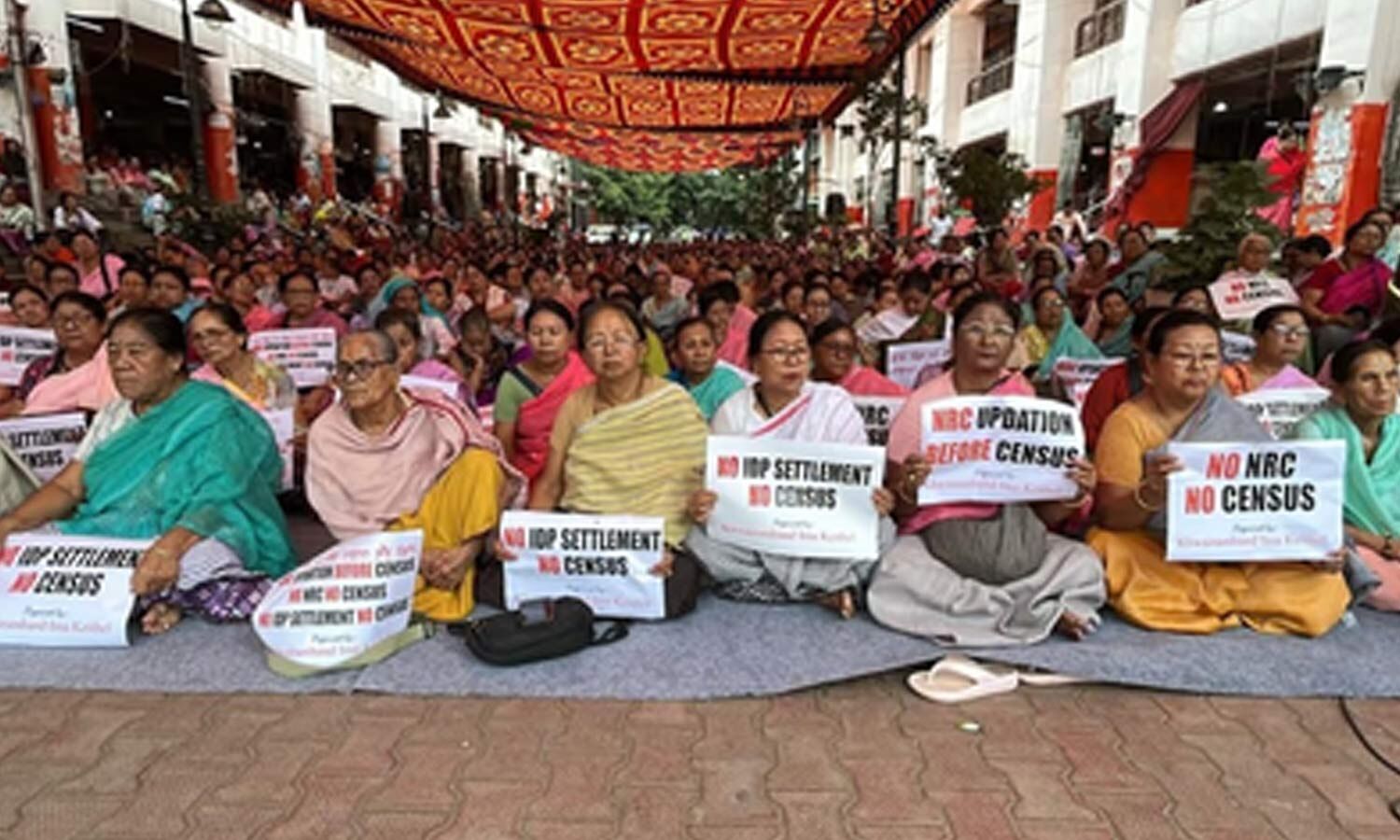
Manipur NRC Strike Paralyses Imphal Valley Before Deferred Census
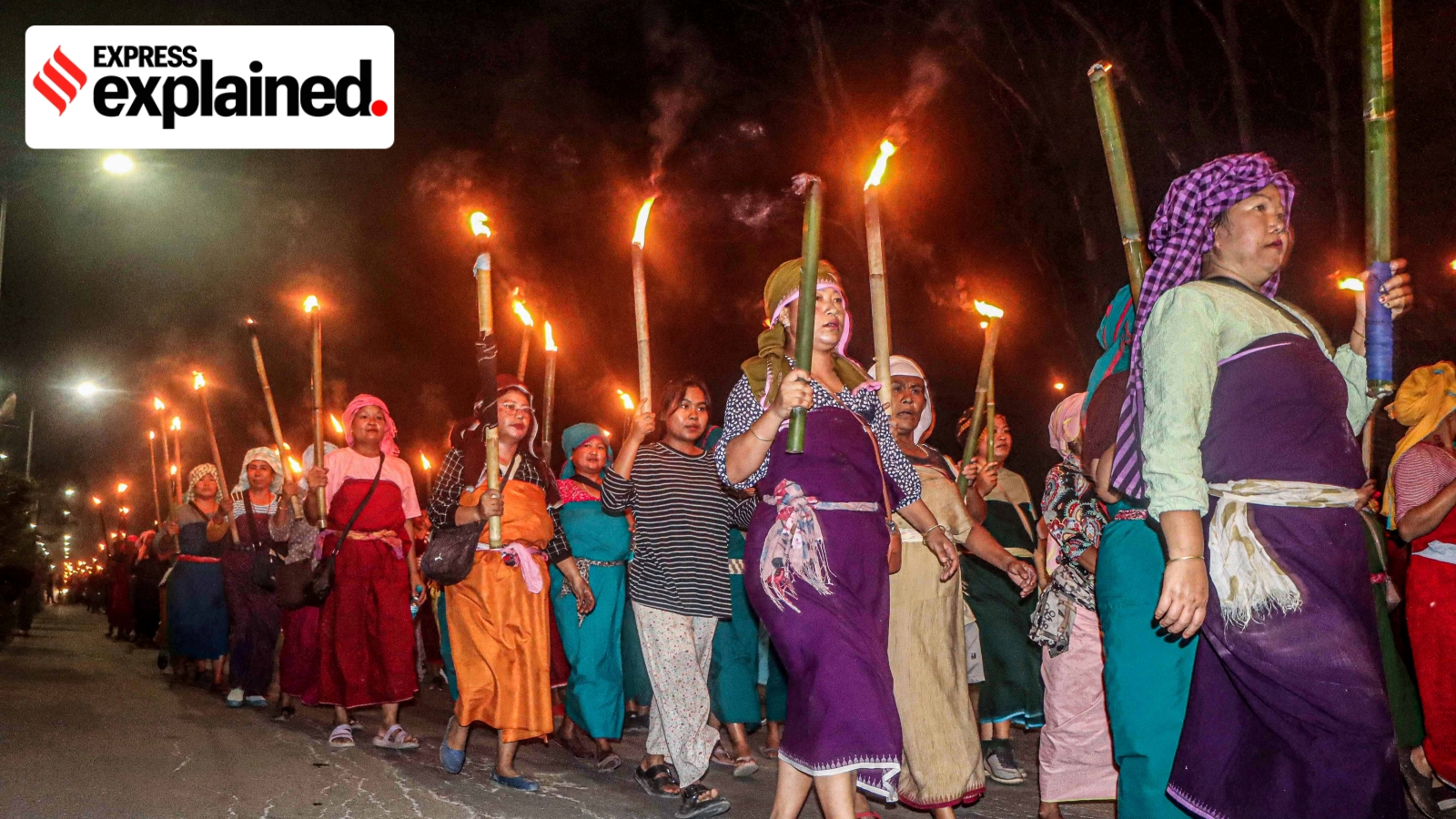
Manipur Census Deferred Amid NRC Demand and Political Tensions

Manipur Census Deferred Until October 12 Amid NRC Demands