1 week ago
Census 2027 Questions Raise Concerns Over NPR Data-Sharing

A census is usually meant to count people and learn basic facts about the population.
For Census 2027, the government has included questions about families, nationality, and permanent addresses.
The article says these questions were not generally part of earlier censuses.
It also says officials are asking for identity and contact details such as Aadhaar and mobile numbers.
The author believes this information could be used to build or update the National Population Register.
The author questions whether census workers and census information can legally be used for that purpose.
Census information is supposed to be kept private and used for statistics.
Sharing it for citizenship records could create legal and ethical problems.

The government has notified expanded questions for individuals during the second phase of Census 2027.
New or unusual questions include parents’ and spouse’s details, nationality, and permanent address.
The government is also seeking mobile, Aadhaar, voter ID, and passport details, according to the article.
The article argues that much of this information is unnecessary for producing population statistics and could support the National Population Register.
Legal and ethical concerns center on census confidentiality, state governments’ roles, and possible use of census data for citizenship-related records.
- Who
- The Government of India, census officials, state governments, and people responding to Census 2027 questions.
- What
- Census 2027 is collecting expanded personal and identification information, prompting concerns that it may be used to prepare or update the National Population Register.
- Where
- India.
- When
- The questions apply to the second phase of Census 2027; the National Population Register was previously prepared in 2011.
- Why
- The article says the government may be collecting information useful for linking individual identities and updating the National Population Register rather than solely producing population statistics.
Author’s Concerns
Government’s Apparent Approach
Purpose of the data
Author’s Concerns
The author argues that parents’ details, spouse’s name, permanent address, and identification numbers are of little use for statistical tables and could instead support an individual population database.
Government’s Apparent Approach
The government has included the expanded information in the Census 2027 exercise, and the article says it appears intended to prepare or update the National Population Register.
Sharing census information
Author’s Concerns
The author says sharing individual census information could violate confidentiality principles and raise ethical concerns, even if the law is interpreted to permit government authorization.
Government’s Apparent Approach
The article raises, but does not resolve, whether the Central Government can legally authorize sharing census schedules with another government body.
Use of census staff
Author’s Concerns
The article says state governments may have the right to refuse the use of census-appointed staff for National Population Register activities because the relevant laws do not expressly require them to do so.
Government’s Apparent Approach
During preparations for the cancelled 2021 census, there were discussions about collecting National Population Register information during the census, suggesting an administrative approach that combines the exercises.
Key facts
- Census purpose
- The United Nations defines a population census as a process for collecting, processing, analysing, and publishing demographic, economic, and social data.
- Earlier NPR collection
- The National Population Register was prepared in 2011.
- Expanded information
- Census 2027 includes details concerning parents, spouses, nationality, and permanent residence that the article says were not part of previous census exercises.
- Identification details
- The article says mobile numbers, Aadhaar numbers, voter ID numbers, and passport details are also being requested.
- Confidentiality principle
- The United Nations Fundamental Principles of Official Statistics state that individual data collected for statistical compilation should be confidential and used exclusively for statistical purposes.
- Census Act penalty
- Section 11(1)(b) of the Census Act provides punishment for disclosing census information without prior government sanction.
- Evidence restriction
- Section 15 of the Census Act says census records cannot be used as evidence in court.
Quotes
United Nations Fundamental Principles of Official Statistics
International statistical principles cited regarding confidentiality of individual data
“the total process of planning, collecting, processing, analysing, disseminating and evaluating demographic, economic and social data at the smallest geographic level pertaining, at a specified time, to all persons in a country or in a well-delimited part of a country”
 theprint.in
“the Individual data collected by statistical agencies for statistical compilation, whether they refer to natural or legal persons, are to be strictly confidential and used exclusively for statistical purposes.”
theprint.in
Sources
Related news
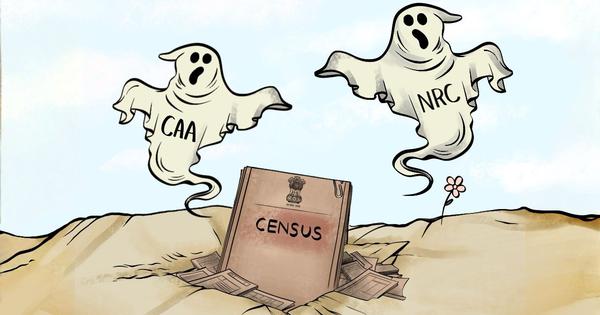
India’s 2027 Census Questions Raise Fears of National Register
Census 2027 questionnaire revives NPR, adds caste and ID details
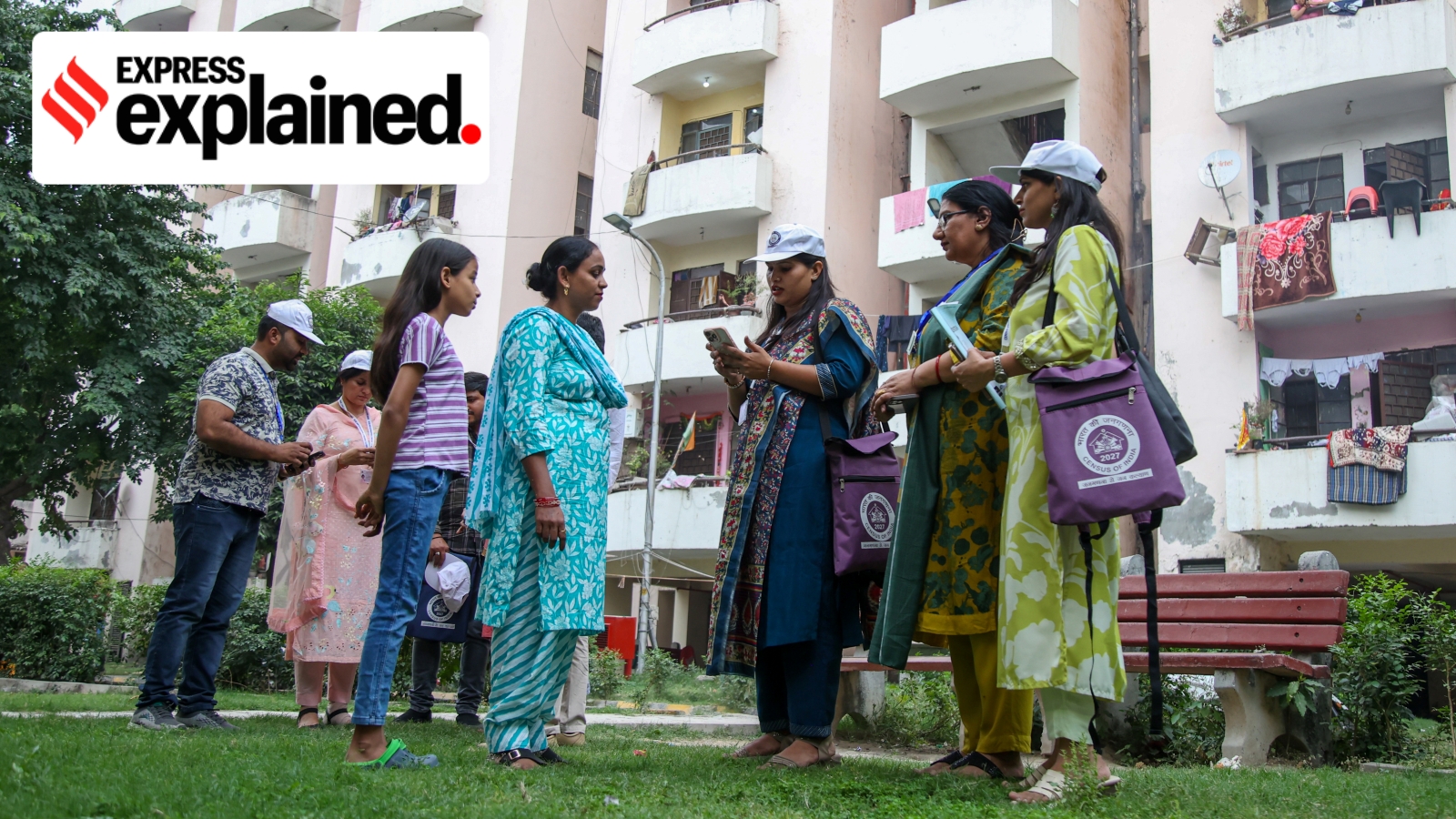
Census 2027 Questions Rekindle NPR Privacy, Citizenship Controversy
Census 2027 privacy concerns over Aadhaar, mobile data collection

Census 2027 to Collect Caste, Aadhaar, Mobile and Bank Details
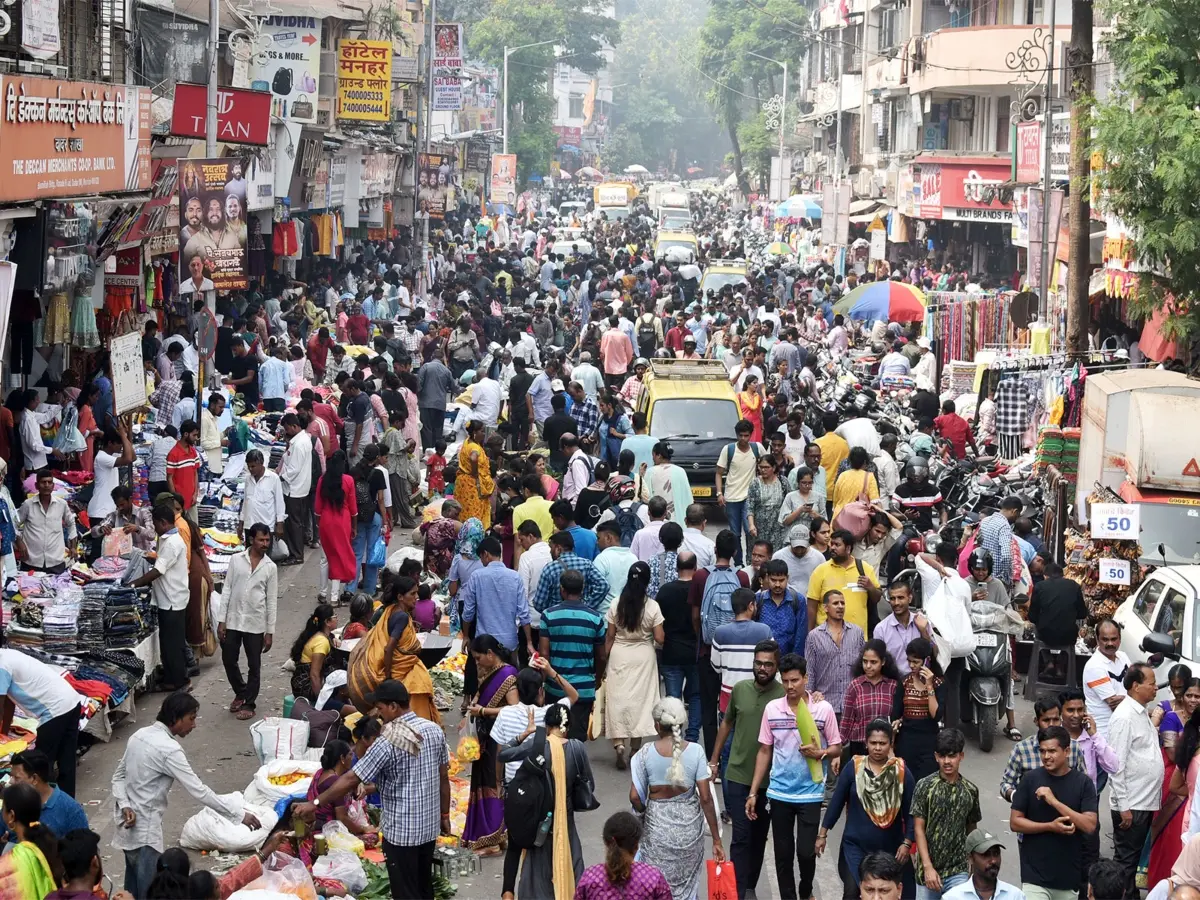
Census 2027: Centre clears 40 questions covering caste and Aadhaar

Manipur Assembly Seeks NRC Update Before Census Over Demographic Concerns

Manipur Census Deferment Welcomed as Step Toward Public Aspirations
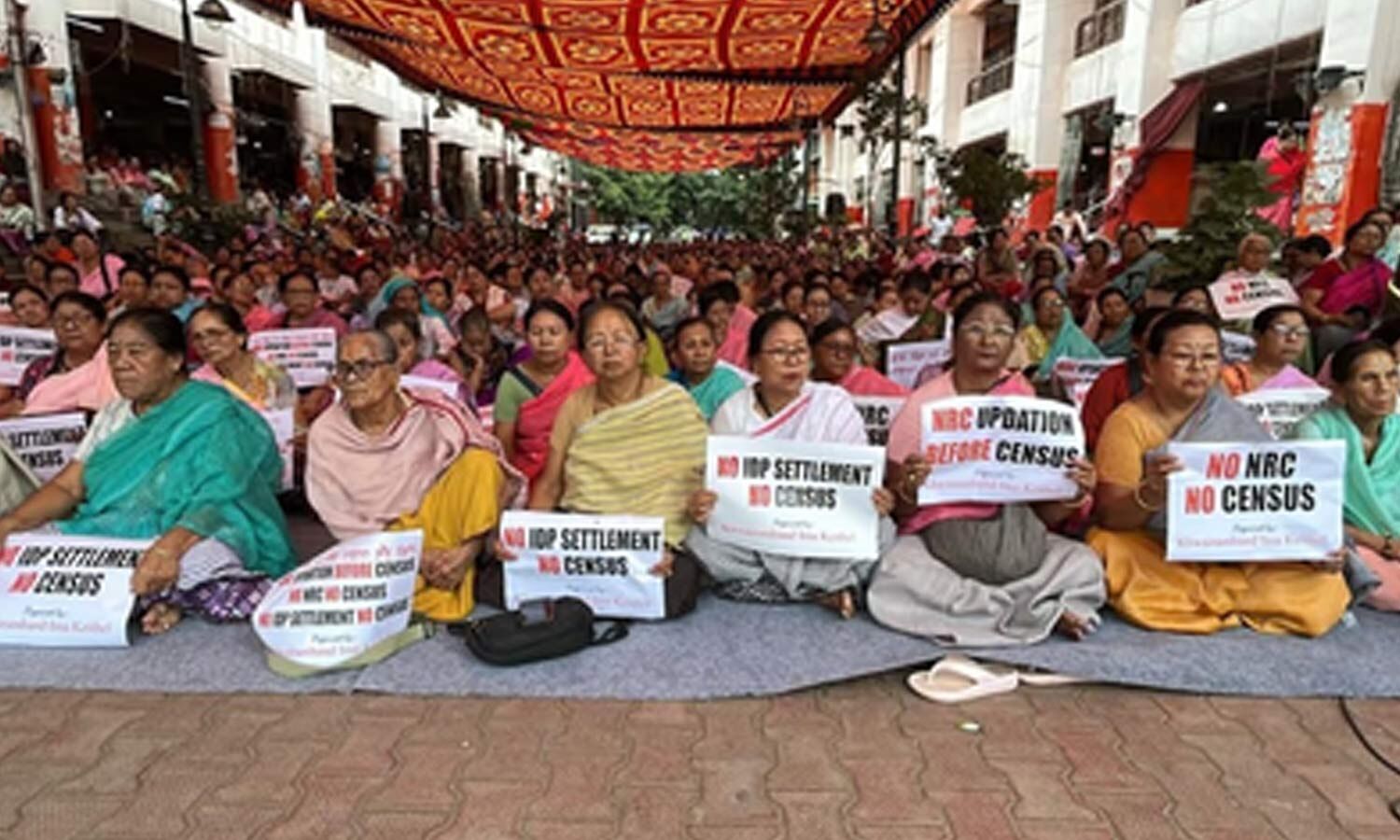
Manipur NRC Strike Paralyses Imphal Valley Before Deferred Census
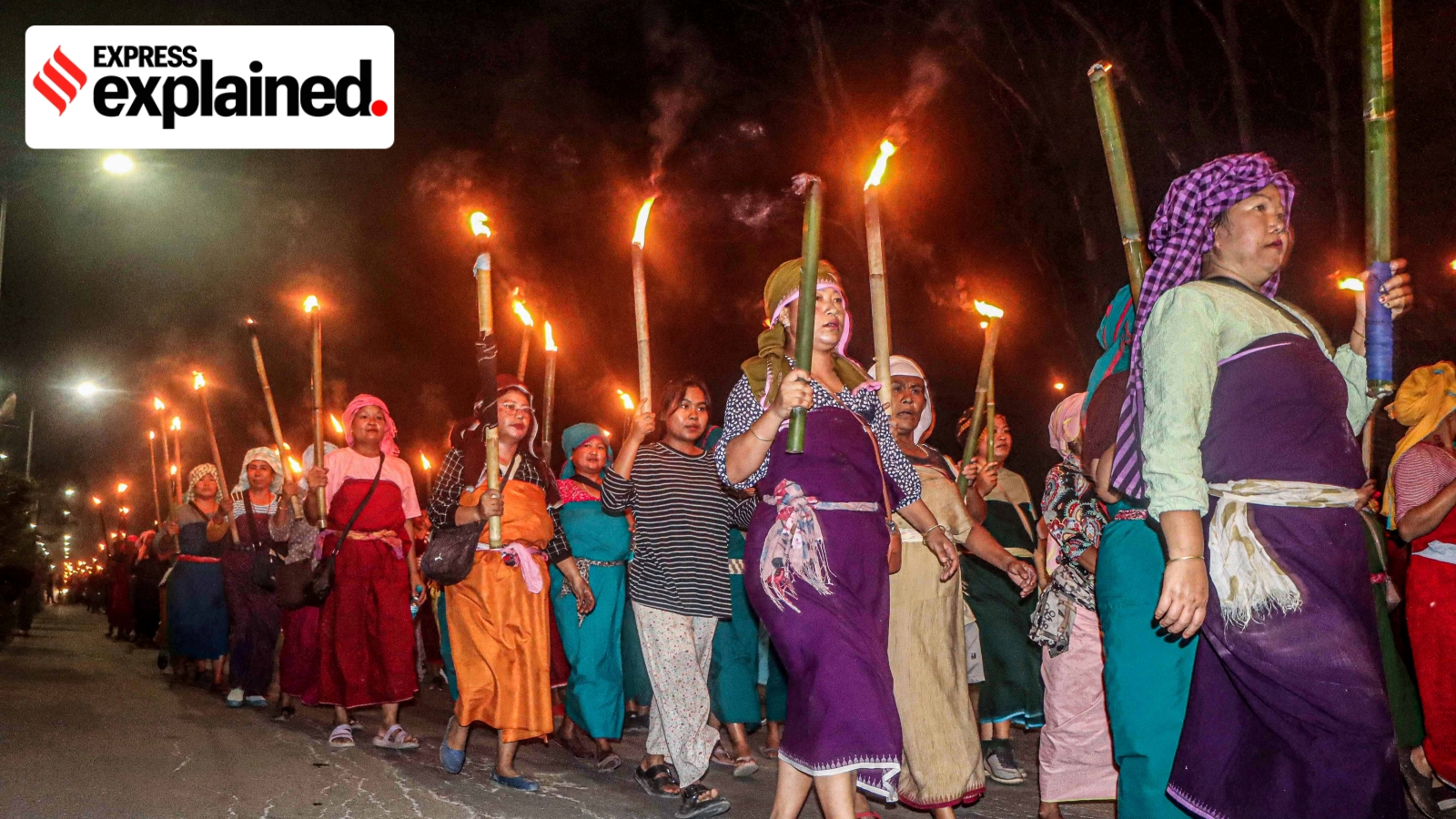
Manipur Census Deferred Amid NRC Demand and Political Tensions

Manipur Census Deferred Until October 12 Amid NRC Demands