2 weeks ago
India’s Caste Census Faces Lessons From Past Enumeration
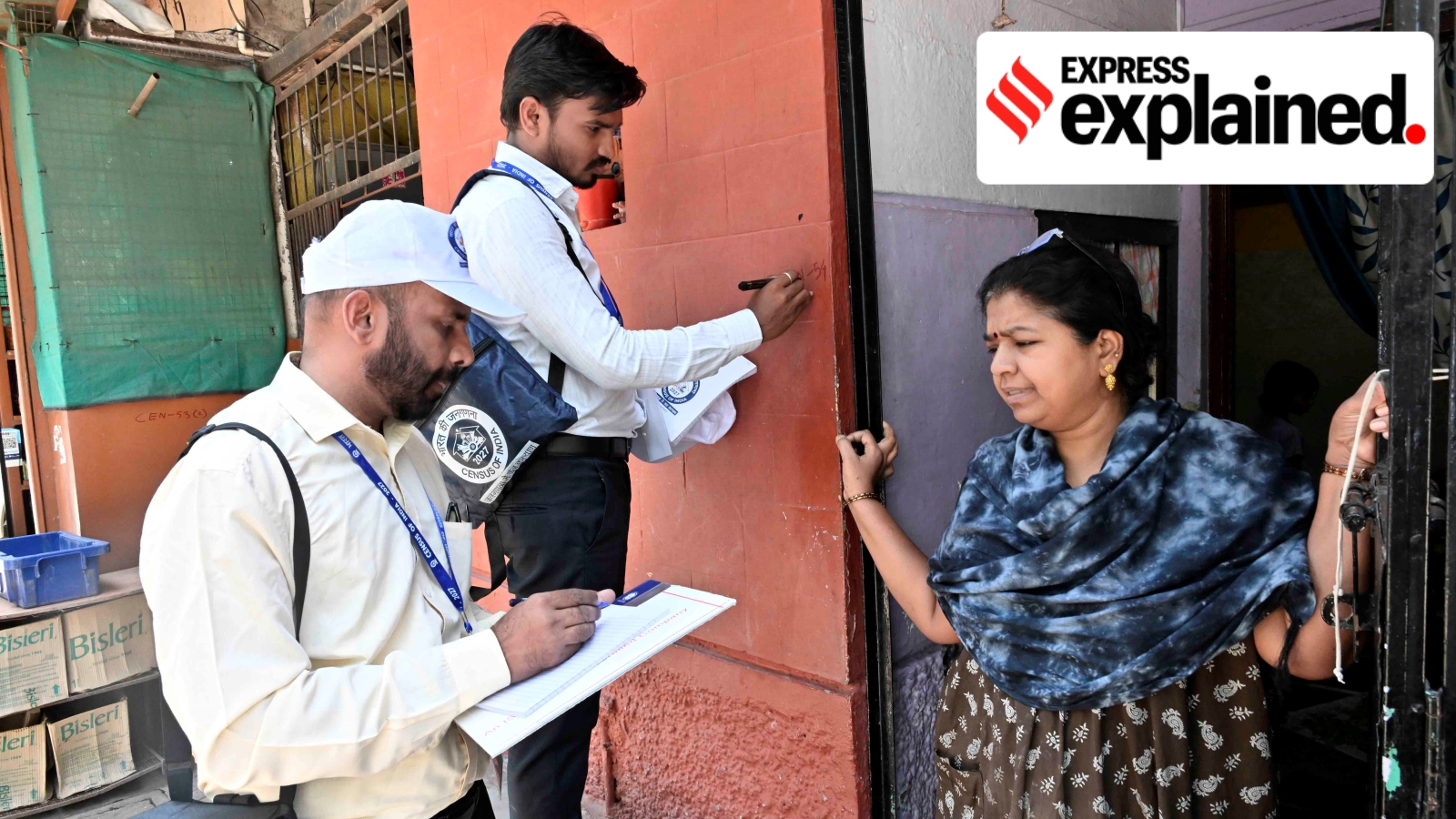
India is planning to ask people to write down their caste in the census.
It will not give them a fixed list of choices.
This could create many different names for the same caste.
For example, surnames such as Singh or Verma can be used by people from different castes.
A similar approach in 2011 produced nearly 46.7 lakh different caste names.
India’s 1931 census had recorded only 4,147 castes.
Some experts therefore want officials to prepare a broad list before counting begins.
They also suggest allowing people to choose “no caste” or “no religion” if that is how they identify.

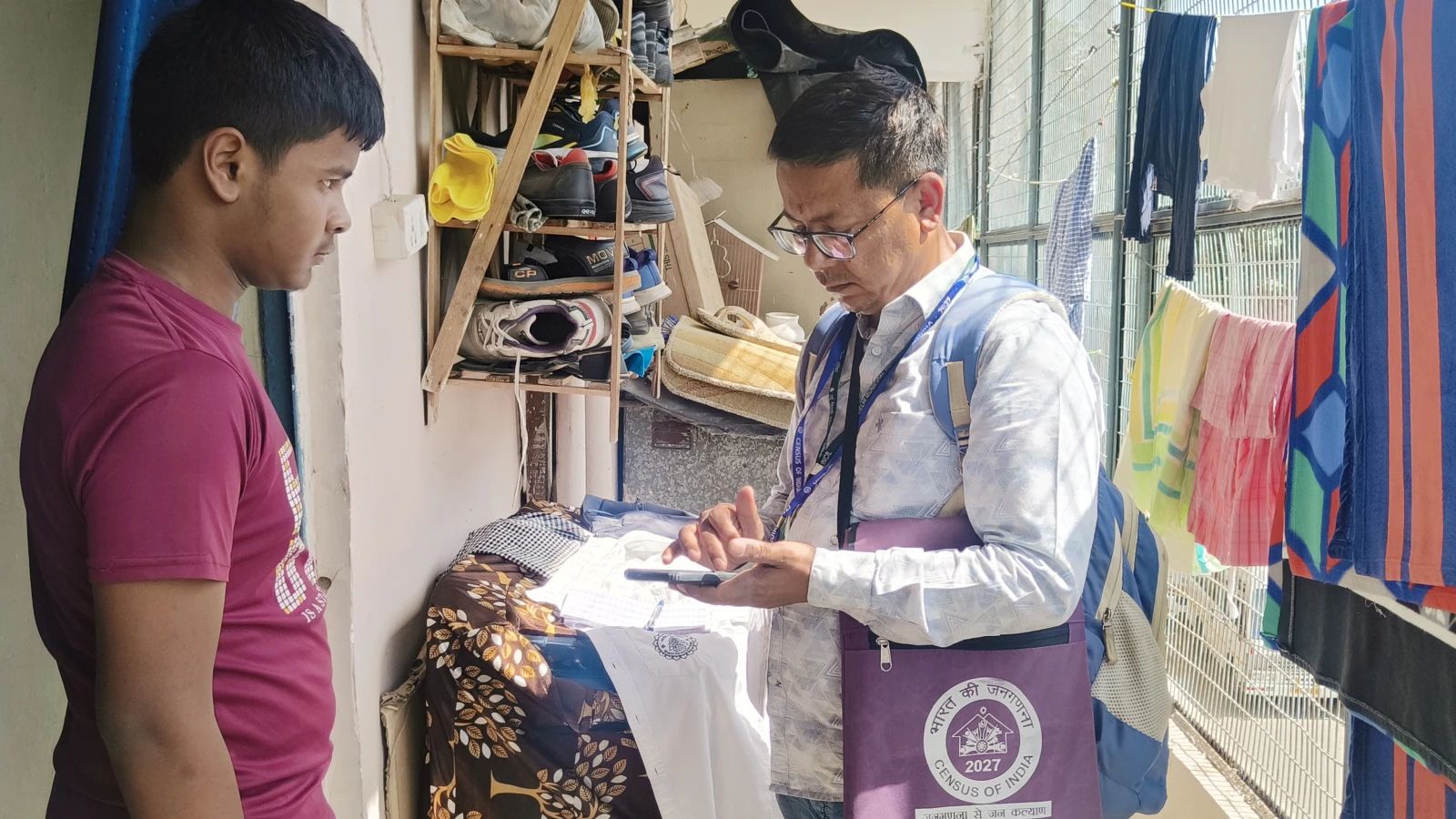
India’s ongoing census will ask respondents to state their caste without using a preset list.
Officials warn that multiple names, surnames and spelling variations could create numerous entries for the same caste.
The 2011 Socio-Economic and Caste Census recorded nearly 46.7 lakh caste names, compared with 4,147 in the 1931 census.
Caste details collected in 1941 were excluded from final tables, while the 1951 census ended nationwide caste enumeration.
Experts recommend a government-approved comprehensive caste list, along with options for people identifying with no caste or religion.
- Who
- The Registrar General of India, census respondents, enumerators and experts including S K Thorat and O P Shukla.
- What
- India is planning to enumerate caste through an open-ended question rather than a preset list.
- Where
- India, with examples and comparisons involving Punjab, Bihar, Telangana, Uttar Pradesh and Madhya Pradesh.
- When
- During the ongoing census; earlier relevant exercises took place in 1931, 1941, 1951, 2011 and 2023.
- Why
- The method is intended to collect respondents’ caste identities, but experts warn that an open-ended format may produce fragmented and difficult-to-use data.
Open-ended enumeration
Predefined caste lists
Respondent identification
Open-ended enumeration
Respondents can state the caste or identity they use, allowing the census to capture varied or newly adopted names.
Predefined caste lists
A comprehensive government-approved list would reduce spelling differences, aliases and multiple entries for one caste.
Data quality
Open-ended enumeration
The planned format could repeat the problems of the 2011 exercise, which produced nearly 46.7 lakh caste names and was ultimately not released as usable raw data.
Predefined caste lists
S K Thorat said a predefined list could reduce errors to a small margin, estimated at 2–3%, and make the results more manageable.
Classification decisions
Open-ended enumeration
The Bihar survey showed that officials can consolidate some sub-castes while listing others separately, raising questions about consistency.
Predefined caste lists
Critics of the Bihar approach argued that a clear, publicly discussed methodology and list were needed to ensure consistent treatment of communities.
Key facts
- Planned method
- Respondents will state their caste, which census enumerators will record, without a preset caste list.
- Scheduled Castes
- The Ministry of Social Justice and Empowerment lists 1,208 Scheduled Castes, with classifications varying by state.
- Scheduled Tribes
- A 2022 Press Information Bureau release listed 730 Scheduled Tribes in India.
- 2011 result
- The Socio-Economic and Caste Census contained nearly 46.7 lakh distinct caste names.
- 1931 comparison
- The last comprehensive caste census recorded 4,147 castes.
- 1941 census
- Caste details were collected but omitted from the final tabulation.
- 1951 census
- The government decided not to conduct nationwide caste enumeration.
Quotes
Senior IAS officer
An anonymous Indian Administrative Service officer commenting on enumeration challenges
“"There should be also be questions on the hierarchies and exclusions within the SCs and STs, as some castes are more deprived than others, and there is no sub‑categorisation of SC and ST reservation to take the benefits to the most needy groups."”
 indianexpress.com
“"If you identify your caste by your surname, the census official will be duty‑bound to include it as your caste. If he misspells your surname, that too will become an entry in the caste column."”
indianexpress.com
Sources
Related news
India's caste census will use open-ended questions, no dropdown
Kharge, Rahul Gandhi Seek New Caste Census Questionnaire

Congress Challenges Census 2027 Caste Question Over Data Accuracy
Why India’s Caste Census Method Faces Sabotage Claims

Gehlot Calls India’s Caste Census Process Flawed, Seeks Immediate Correction

Caste Census Debate Deepens Over Scope, Data and Representation

Panel Flags Scholarship Delays, OBC Target Cut, SC Shortfalls
Congress Calls Free Coaching Plan a Gimmick, Condemns Ahmedabad Assault
Why Census 2027 Must Count Nomadic Tribes Separately

AIIMS Bhopal and Brahma Kumaris Launch Anti-Addiction Campaign

NCSK to Celebrate 32nd Foundation Day on August 23