3 weeks ago
Cracks in census: many Indians reluctant to share personal details
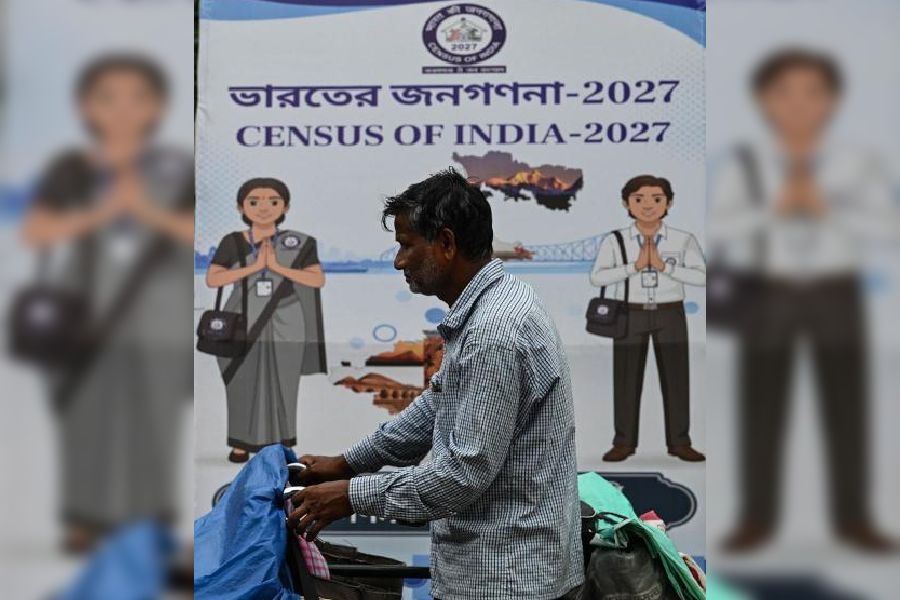
A census is like a giant count that a country does to learn about all the people who live there.
The government asks people questions such as how old they are and what jobs they do.
This information helps the government plan schools, hospitals, and other services people need.
But lately, many people in India do not want to answer the census questions.
Some people worry the government could use their information in ways that might hurt them.
People in simple settlements fear they could be forced to leave their homes or lose the help they receive.
People in middle-class neighborhoods worry about their private information being watched or used for taxes.
When many people do not take part, it becomes harder for the government to know who needs help.
The article says the government must work to build trust, because being counted matters.
India has conducted 15 censuses, and the challenge for Census 2027 is whether people still believe in the value of being counted.

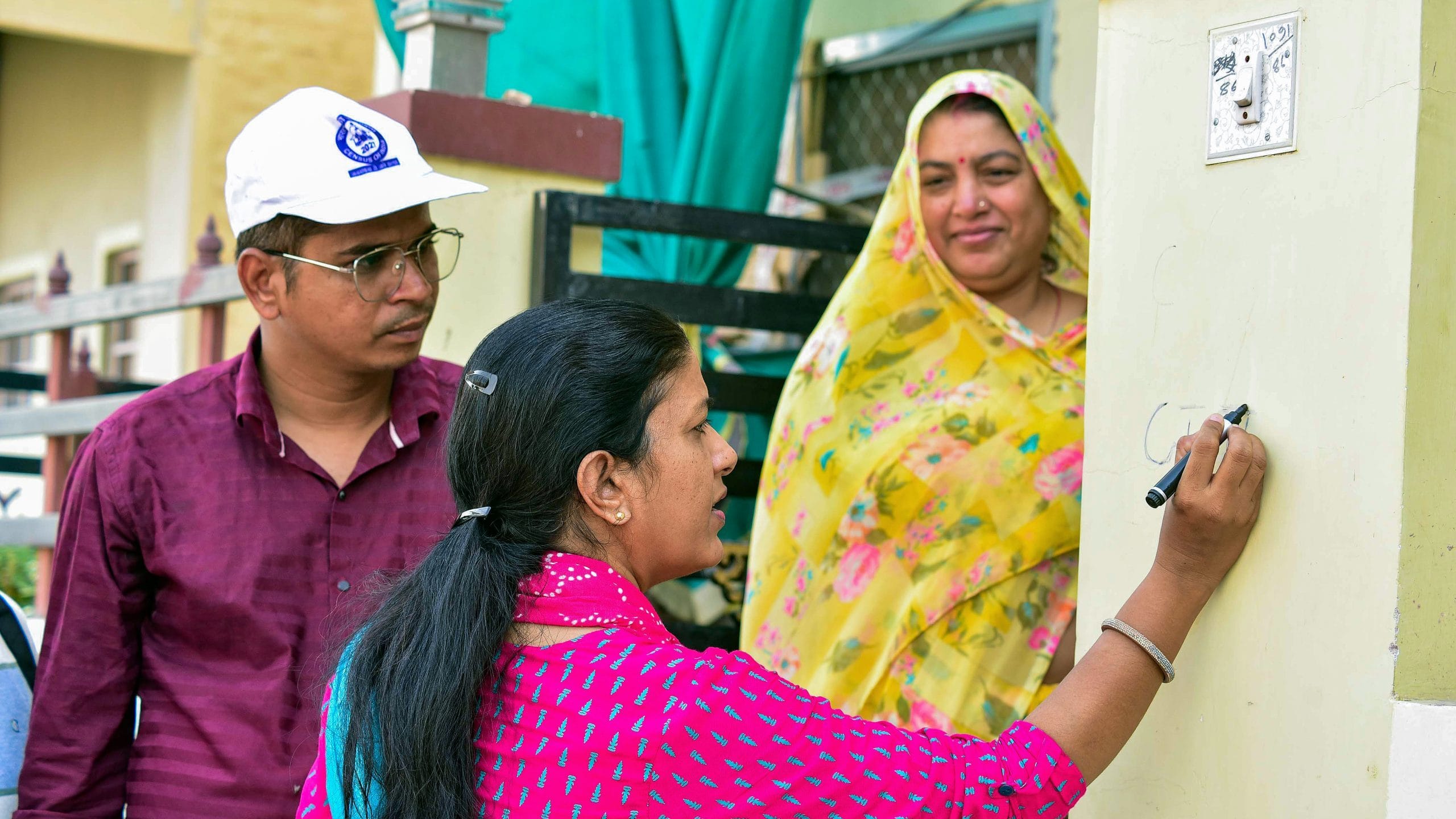
Enumerators in the ongoing census house-listing phase report residents refusing entry, withholding information, questioning official credentials, and sometimes showing outright hostility.
Migrants, informal workers, the urban poor, the homeless, and residents of remote settlements are most vulnerable to being undercounted.
In informal settlements, residents fear eviction and exclusion from welfare programmes, while middle-class households worry about privacy, surveillance, taxation, and data security.
The article says official statistics rest on a social contract between citizens and the State, and non-cooperation can become a rational response when data collection is seen as surveillance.
India has conducted 15 censuses, and the article argues the key challenge for Census 2027 is whether citizens still believe in the value of being counted.
- Who
- Indian residents and the enumerators conducting the census house-listing phase.
- What
- Many Indians are reluctant to share personal details during the census, with residents refusing entry, withholding information, and questioning officials' credentials.
- Where
- Several parts of India, including informal settlements and middle-class neighborhoods.
- When
- During the ongoing census house-listing phase, ahead of Census 2027.
- Why
- Residents fear how their personal information might be used - eviction and exclusion from welfare in informal settlements, and privacy, surveillance, taxation, and data security concerns in middle-class areas; the article describes this as weakened trust in the State.
Citizen Concerns
State and Census Perspective
Use of personal data
Citizen Concerns
Residents fear their information could be used for eviction, exclusion from welfare, surveillance, taxation, or other personal risk.
State and Census Perspective
The census collects information voluntarily for collective welfare and evidence-based policymaking, with expectations of confidentiality.
Value of participation
Citizen Concerns
If people perceive data collection as surveillance or regulation rather than public welfare, non-cooperation becomes a rational response.
State and Census Perspective
A person who is never counted enters no dataset and risks disappearing from the planning process, so being counted is essential to receiving public services.
Whether residents' fears are genuine
Citizen Concerns
The article notes the fears 'may well be debated,' but says that if people perceive disclosure as risky, resistance is understandable.
State and Census Perspective
Official statistics derive legitimacy from technical accuracy and a shared understanding that data is collected for collective welfare, with trust built through sustained engagement.
Key facts
- Census phase
- House-listing (ongoing)
- Next census
- Census 2027
- Number of censuses India has conducted
- 15
- Concerns in informal settlements
- Fear of eviction and exclusion from welfare programmes
- Concerns in middle-class neighborhoods
- Privacy, surveillance, taxation, data security
- Most vulnerable to undercounting
- Migrants, informal workers, urban poor, homeless, remote settlement residents
- Systems benchmarked against census counts
- Birth registration, health management information systems, school records, electoral rolls, welfare databases
Sources
Related news
Census 2027 privacy concerns over Aadhaar, mobile data collection
Census 2027 Privacy Concerns Threaten Accuracy and Public Trust

Census 2027 to Collect Caste, Aadhaar, Mobile and Bank Details

Caste Census Debate: Why OBC Inflation Fears May Be Unfounded
India’s 2027 Census Questions Raise Fears of National Register
Census 2027 Questions Raise Concerns Over NPR Data-Sharing

Festive Season 2026 May Boost Consumer-Focused Investment Sectors

Mijo Chacko Kurian Wins 400m Gold in Meerut

Government Defends 7.8% GDP Growth as Congress Raises Doubts

India Draws Record $127 Billion Through FCNR Deposit Scheme

Goyal to Visit United States for Trade Agreement Talks