2 weeks ago
India's Protein Fixation: Fortified Food Trend Raises Nutrition Questions
Protein is a special nutrient in food that helps our bodies grow strong muscles.
In India, you can now find protein added to all kinds of snacks - chips, cookies, coffee, cereal and even bread.
Shops put big 'high protein' labels on these foods to make them seem healthy.
But most grown-ups only need about 50 grams of protein a day, which is not that much.
Some experts are worried that people think any food with added protein is automatically good for the body.
A protein cookie can still have too much sugar, salt or fat.
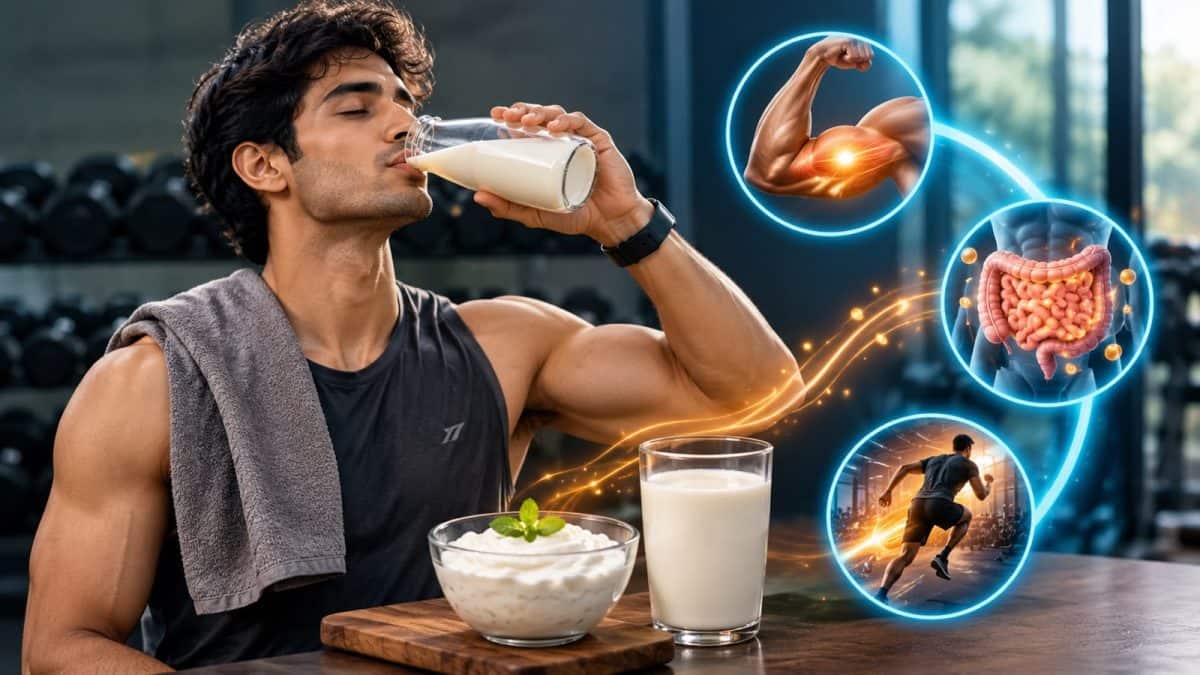
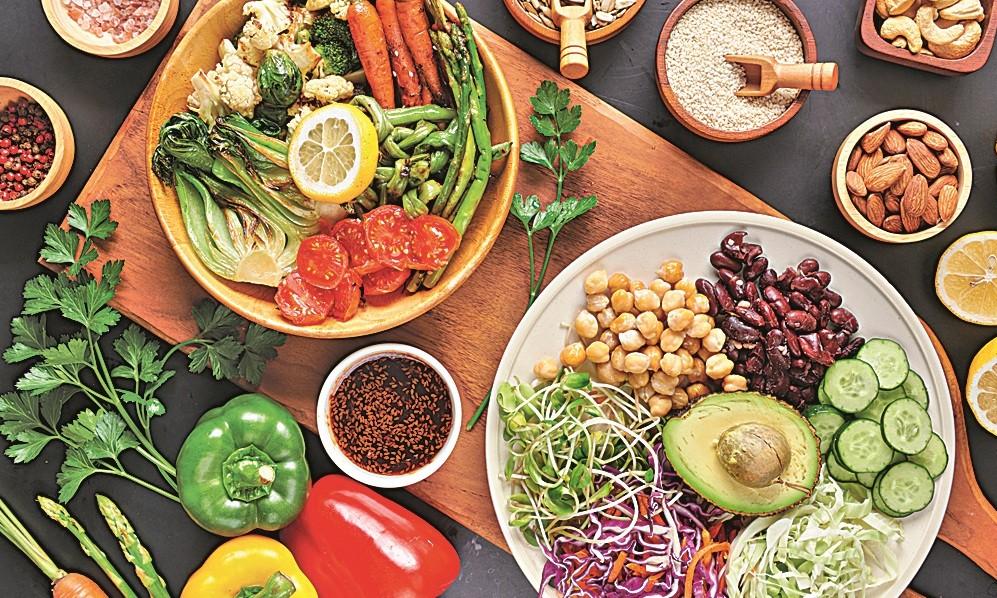
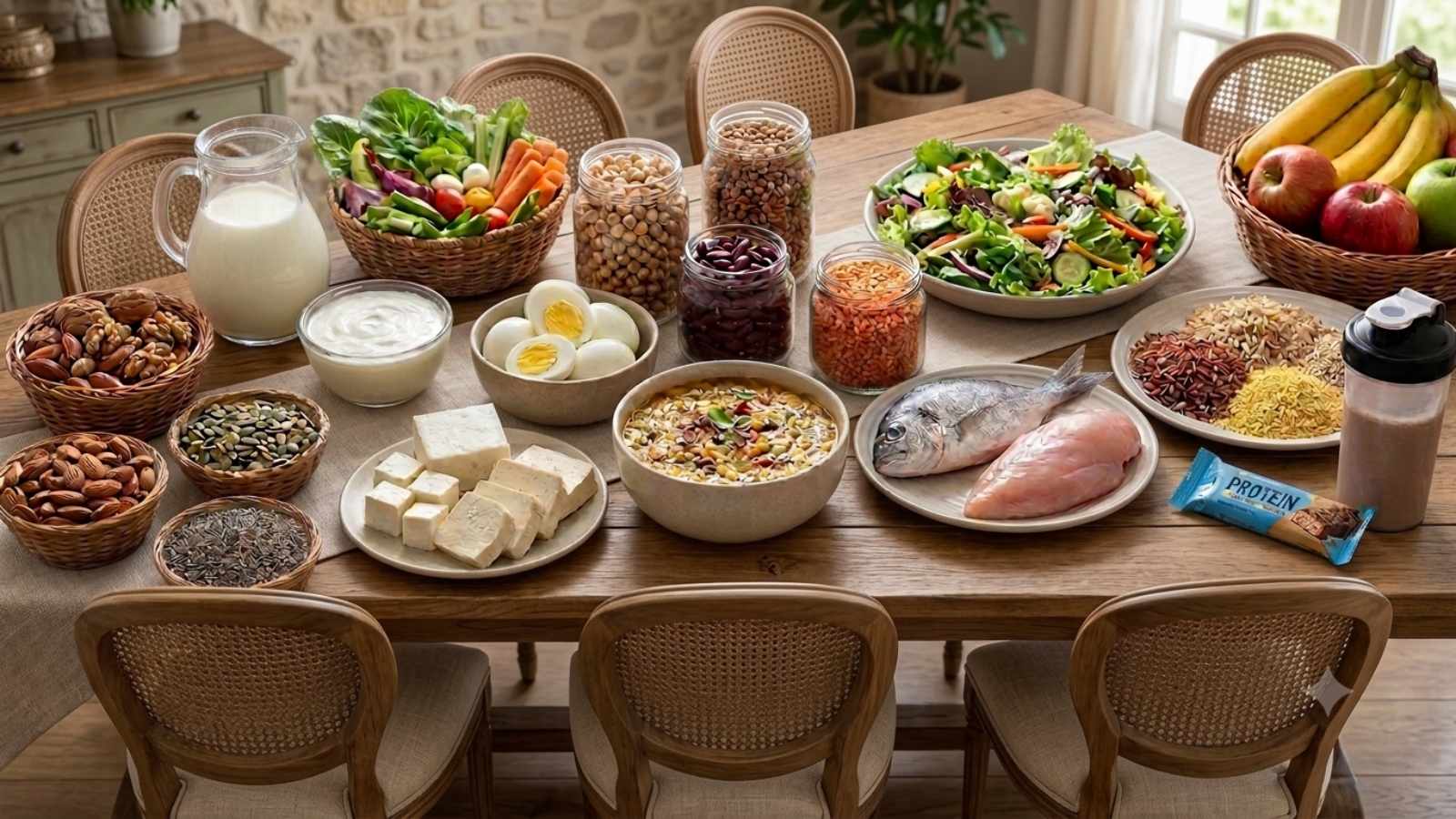
Health experts say the best way to get protein is from natural foods like dal, milk, yoghurt, eggs and beans.
They also say reading the back of the packet is more important than trusting the label on the front.
So the smartest choice is to eat good, real food - not just food that says 'high protein' on the box.

India's supermarkets and quick-commerce apps are full of 'high protein' versions of coffee, yoghurt, cereal, bread, chips, cookies, makhana, namkeen and dosa mixes.
Indian dietary guidance recommends roughly 0.83 grams of protein per kilogram of body weight per day, about 50 grams for a 60 kg adult.
The 2024 dietary guidelines from the Indian Council of Medical Research and National Institute of Nutrition cautioned against indiscriminate use of protein supplements and emphasised a diverse diet.
Experts say protein-fortified snacks can still be high in sodium, saturated fat, sugar or calories, so 'contains protein' and 'healthy' are not synonyms.
Nutritionists like Vaishnavi Pen say improving everyday meals with dal, pulses, dairy, eggs, soy or lean meat should come before buying protein-fortified products.
- Who
- Indian consumers, food brands and health experts including coach Ajay Solanki, nutritionist Vaishnavi Pen and Bengaluru consumer Arohi Tejpal.
- What
- The rise of protein-fortified foods marketed as 'high protein' across supermarkets and quick-commerce apps, and expert concerns about whether the trend overshadows overall nutrition.
- Where
- India, including supermarkets, quick-commerce apps and the city of Bengaluru.
- When
- The article describes a current trend and references India's 2024 ICMR-NIN dietary guidelines.
- Why
- Growing protein awareness driven by social media and fitness culture has led brands to market protein as a premium health selling point.
Protein product market
Nutrition experts
Fortified foods vs. whole diets
Protein product market
Protein-fortified convenience products help time-pressed urban consumers meet their protein goals with no soaking, boiling or preparation.
Nutrition experts
Improving everyday meals with dal, pulses, dairy, eggs, soy or lean meat should be the first step; a balanced diet will always outperform a single fortified product.
Protein anxiety vs. actual needs
Protein product market
Social media has raised protein awareness, and consumers now automatically compare protein content instead of ignoring nutrition labels.
Nutrition experts
Most recreational exercisers don't need bodybuilder-level intakes, and more protein does not automatically mean more muscle.
Key facts
- Recommended protein intake
- ~0.83 g per kg of body weight per day for healthy adults (about 50 g for a 60 kg person)
- Dietary guidance source
- 2024 Indian Council of Medical Research - National Institute of Nutrition guidelines
- Regulator
- FSSAI (Food Safety and Standards Authority of India)
- Regulated claims
- 'source of protein' and 'high protein'
- Proteinified products
- Coffee, yoghurt, cereal, bread, bars, chips, cookies, makhana, namkeen, dosa mixes
- Traditional protein sources
- Dal, chana, rajma, soy, peanuts, curd, milk, paneer, eggs, fish, meat
- Experts quoted
- Coach Ajay Solanki, nutritionist Vaishnavi Pen, consumer Arohi Tejpal
Quotes
Vaishnavi Pen
Nutritionist
“There is no doubt that many Indians, particularly women, older adults and adolescents, could improve their protein intake. But the solution isn’t necessarily buying protein cookies or protein chips. The first step should be improving everyday meals with dal, pulses, dairy, eggs, soy or lean meat. A balanced diet will always outperform a single fortified product.”
 deccanchronicle.com
“Awareness has improved, which is a good thing because protein is essential for building muscle and staying healthy. But social media has also created unnecessary anxiety. Some people think every meal must be loaded with protein or they’re doing something wrong. In reality, most recreational exercisers don’t need bodybuilder‑level protein intakes.”
deccanchronicle.com
Sources
Related news

Protein Moves Beyond Gyms Into Everyday Indian Nutrition
1 in 2 Indians Eat Protein Daily, Confusion Persists: Report
How to Increase Protein Intake Without Losing Dietary Balance

Dietitian advises balancing daily protein intake amid longevity research

Why Indian Consumers Are Choosing Cleaner Whey Formulations
Why South India Is Becoming India’s Protein-Smartest Region

Uttarakhand Journalists Visit Hyderabad Development and Heritage Sites
Mancherial Centralized Kitchen Begins Breakfast for 49,104 Students
Why Post-Meal Pineapple May Support Protein Digestion
Centralized Kitchen Opens for Telangana Government School Breakfasts
Study Finds Lead May Worsen Nerve Cell Damage