

1 hr ago
Supreme Court Hears Urgent Plea Over Delhi Protest Curbs
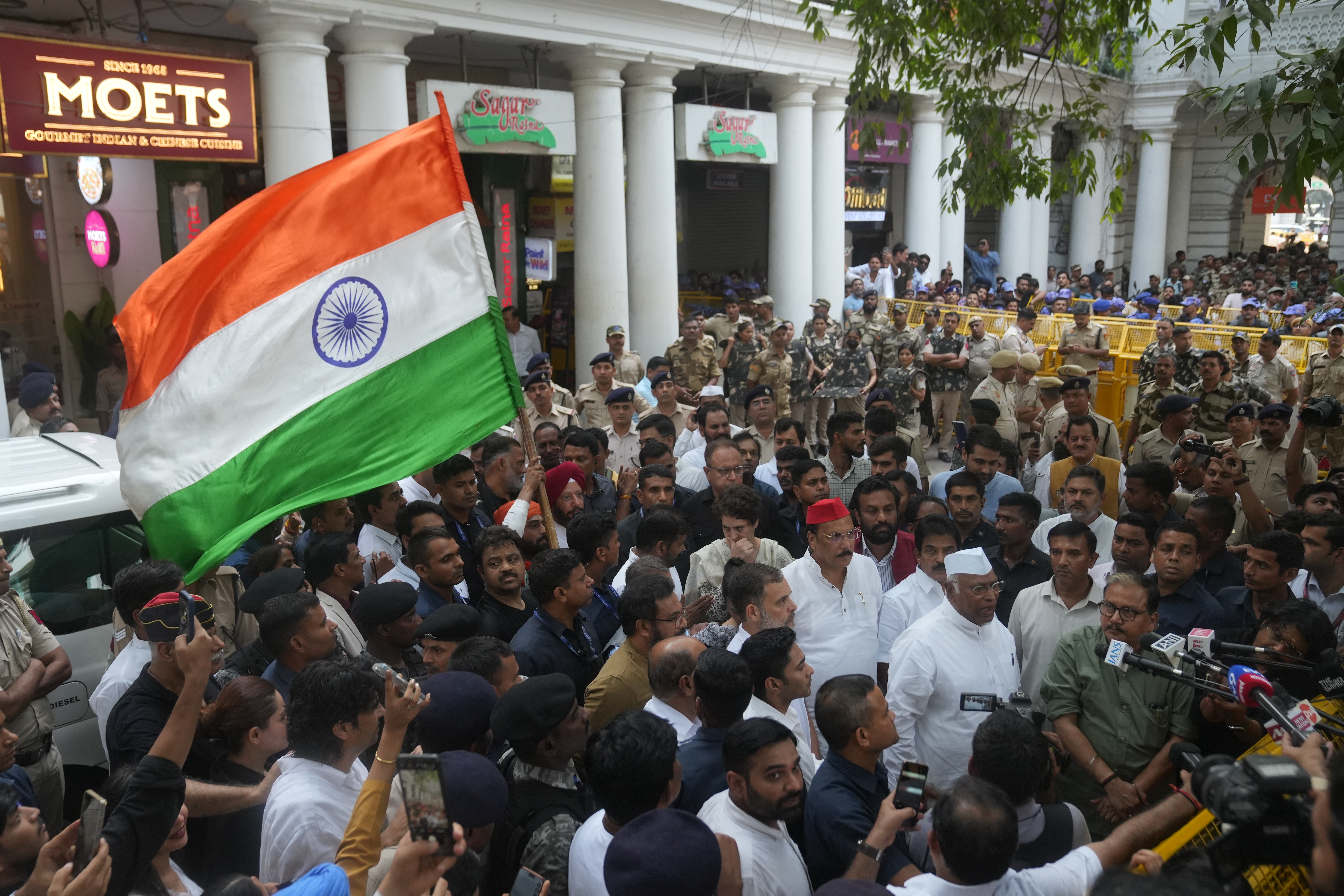
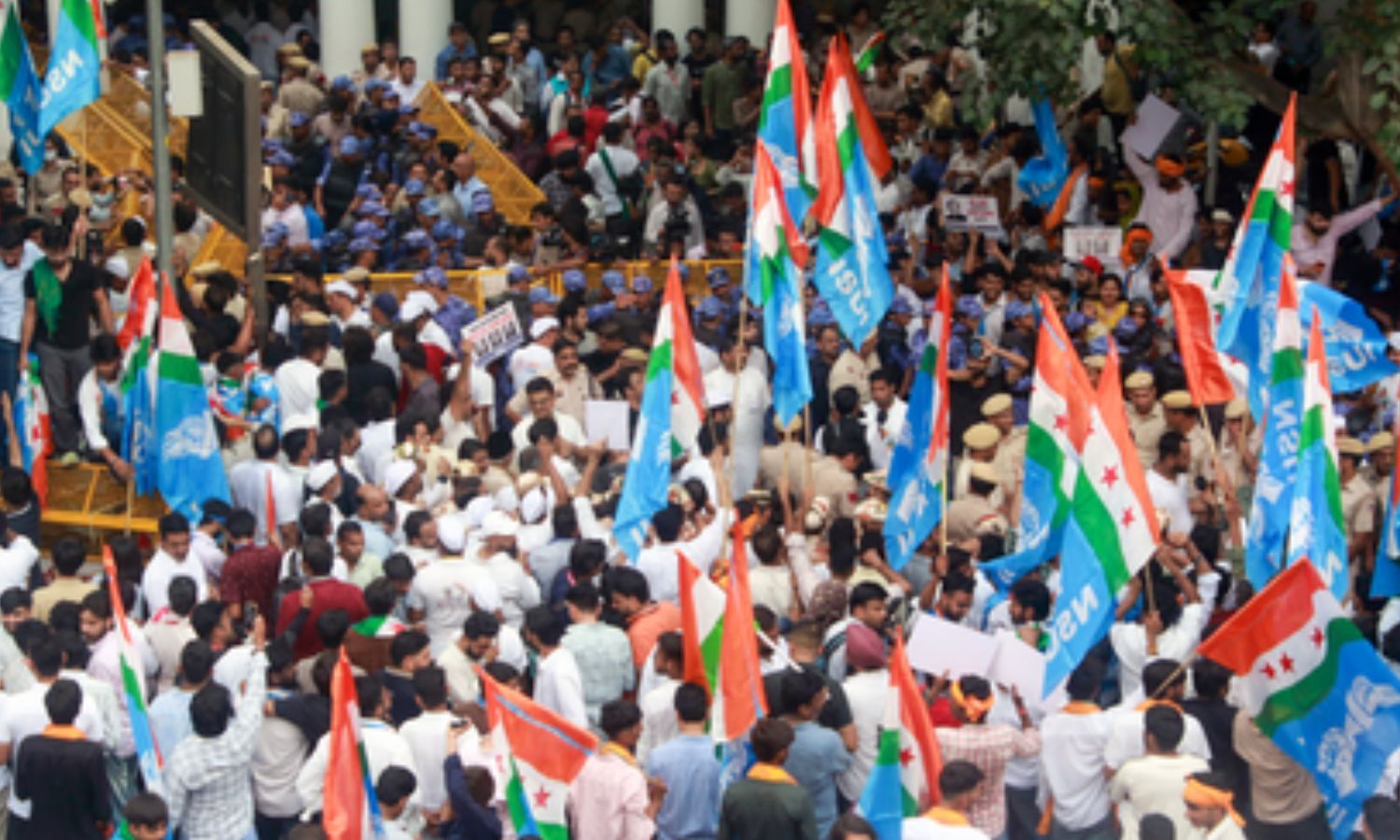
A protest was planned in Delhi for October 10.
The protest was called by the Cockroach Janata Party and was against Chief Election Commissioner Gyanesh Kumar.
Lawyers told the Supreme Court that many restrictions were being put in place before the protest.
They mentioned cancelled trains, closed metro stations and limits on hotel stays.
They said the restrictions should be checked to see if they were too broad.
The judges asked why the case had not first gone to the Delhi High Court.
They also asked whether the protest had permission.
The lawyers agreed to return with more information, and the Chief Justice suggested the High Court could hear the matter that afternoon.

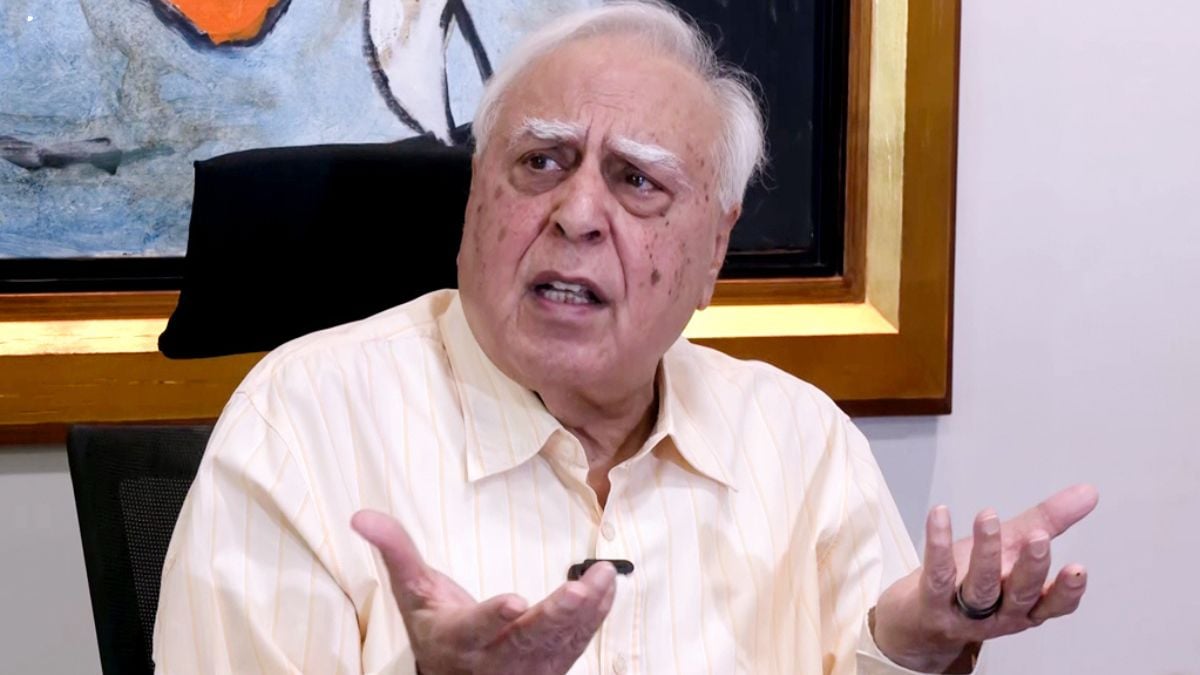
Kapil Sibal asked the Supreme Court to urgently hear a challenge to restrictions ahead of a CJP protest planned for October 10.
Sibal cited cancelled trains, closed metro stations, internet restrictions and limits on hotel bookings in Delhi.
The petition was filed on behalf of CPI(M) general secretary MA Baby.
The bench questioned why the petitioners had not approached the Delhi High Court and raised concerns about the protest lacking permission.
The lawyers agreed to return at 2 pm with further details and a petition from an organiser; the CJI suggested the High Court could hear the case at 3 pm.
- Who
- Kapil Sibal and other lawyers sought urgent judicial review; Sibal appeared for CPI(M) general secretary MA Baby.
- What
- A plea challenged restrictions imposed ahead of a CJP protest against Chief Election Commissioner Gyanesh Kumar.
- Where
- The plea was heard in the Supreme Court in New Delhi and concerned restrictions in Delhi.
- When
- The Supreme Court hearing took place on Friday ahead of the protest planned for October 10.
- Why
- The lawyers argued that restrictions on travel, accommodation and protest activity required judicial scrutiny for proportionality.
Challenge to restrictions
Concerns about protest legality
Scope of the measures
Challenge to restrictions
The lawyers argued that sweeping restrictions and policing measures required judicial review for proportionality; one lawyer said the government could not shut down an entire city because it could not handle protesters.
Concerns about protest legality
The bench said any intervention would have to account for competing interests, including the possibility of restraining the gathering itself.
Permission to protest
Challenge to restrictions
Vrinda Grover said Delhi Police had denied the CJP permission to protest and argued that heavy barricading could make the protest ineffective.
Concerns about protest legality
Justice Bagchi questioned the absence of a protest organiser and said a gathering without permission could be unlawful.
Key facts
- Planned protest
- October 10, called by the Cockroach Janata Party
- Protest target
- Chief Election Commissioner Gyanesh Kumar
- Petitioner represented by Sibal
- CPI(M) general secretary MA Baby
- Bench
- Chief Justice of India Surya Kant, Justice Joymalya Bagchi and Justice V. Mohana
- Measures cited by lawyers
- Train cancellations, metro station closures, internet curbs and restrictions on hotel bookings
- Court's question
- The bench asked why the petitioners had not approached the Delhi High Court
- Next steps discussed
- Lawyers agreed to return at 2 pm with further details; the CJI suggested a possible Delhi High Court hearing at 3 pm
Quotes
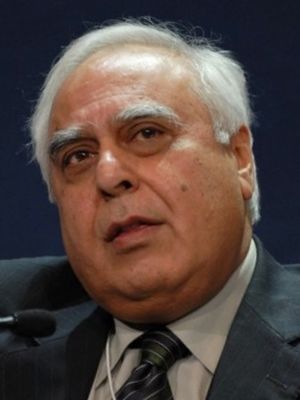
Kapil Sibal
Senior advocate appearing for CPI(M) general secretary MA Baby
“What is happening to my country?”
 theprint.in
Sources
Related news
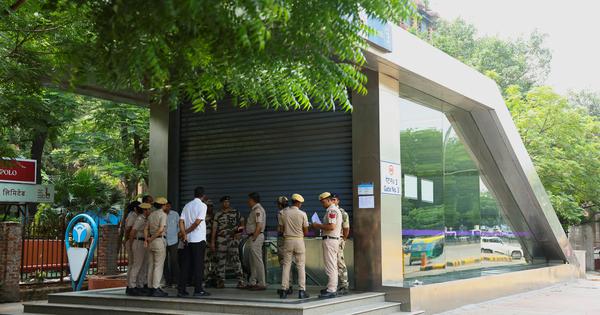
Supreme Court Bars Complete Delhi Metro Shutdown Ahead of Protest
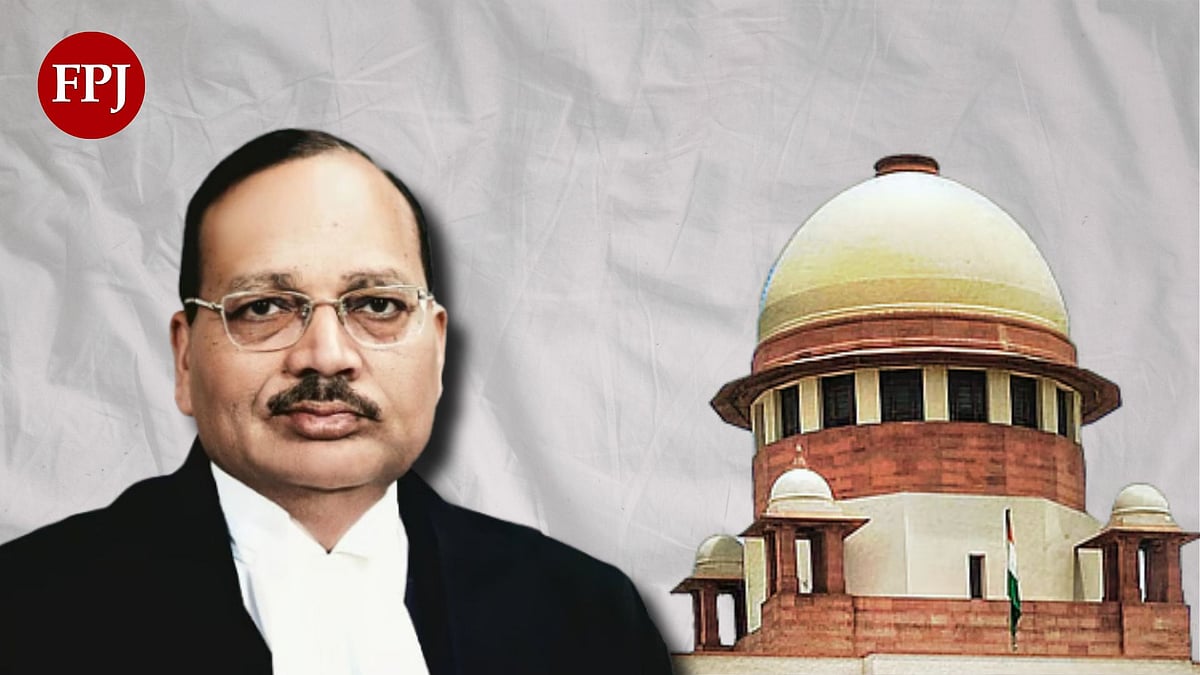
Supreme Court Urges Regulated Delhi Metro Services During Protests
Supreme Court to Hear Challenge to Delhi Protest Curbs

Supreme Court Told Closures Could Restrict Delhi Protest Rights

Supreme Court Seeks Answers Over 17 Metro Station Closures
Protest Politics Tests Dissent Against Public Convenience in Delhi

Four Jammu Division Trains Cancelled Ahead of Delhi Protest
Supreme Court Seeks Records Before Acting on CEC Allegations
