1 week ago
Taiwan and South China Sea Form One Strategic Contest
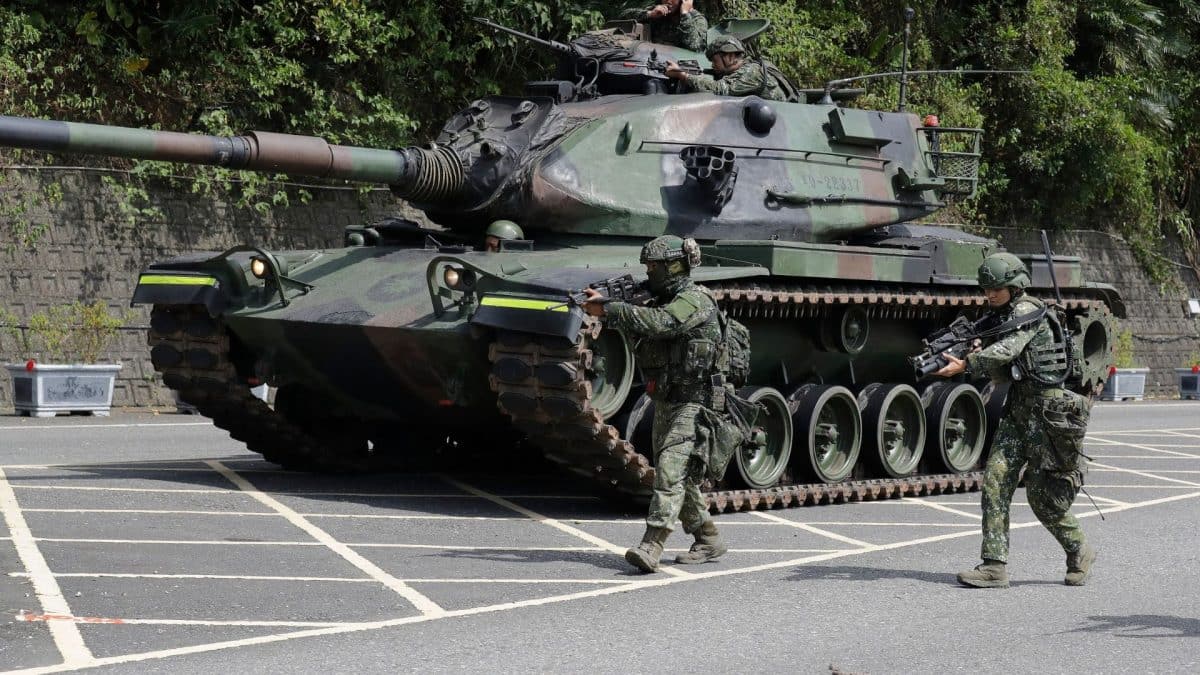
Taiwan and the South China Sea are two important places in the growing rivalry between China and the United States.
Taiwan is near important sea routes and makes many of the computer chips used around the world.
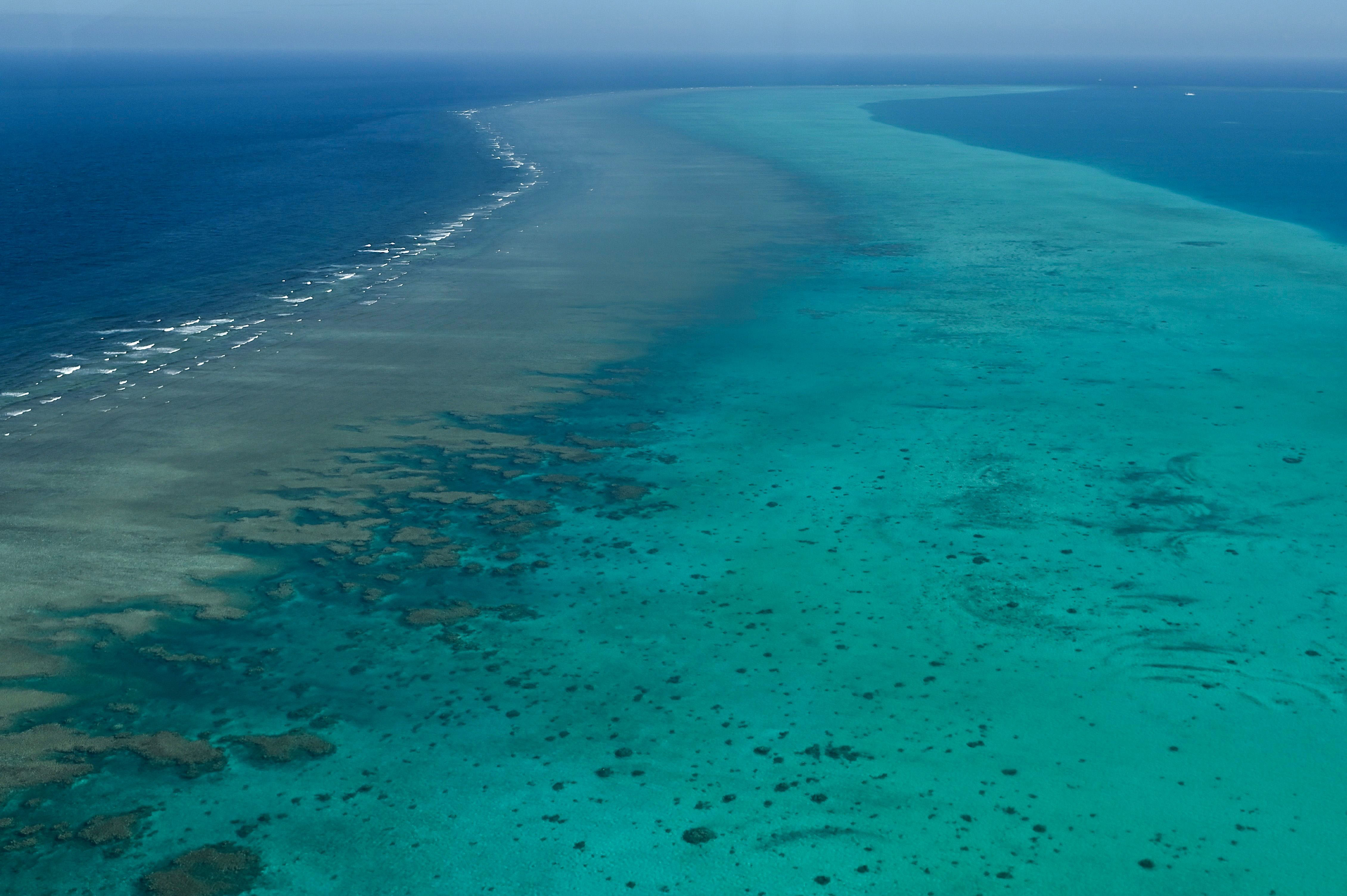
The South China Sea carries large amounts of trade and energy.
China claims most of that sea, although several countries disagree with those claims.
China has also increased military and maritime activity around Taiwan and in the South China Sea.
Taiwan has proposed spending a record amount on defence and is preparing for possible blockades or other pressure.
The United States supports Taiwan with weapons and security cooperation but does not have formal diplomatic relations with it.
Problems in either place could affect countries far beyond Asia.
Leaders are therefore trying to compete and deter one another without starting a larger war.

Taiwan and the South China Sea are increasingly viewed as connected theatres in the US-China rivalry.
Taiwan’s location, semiconductor industry and proposed record defence budget make it strategically important beyond the Taiwan Strait.
China claims almost the entire South China Sea, where it is expanding its physical and military presence.
A crisis involving Taiwan could disrupt technology supply chains, while a South China Sea crisis could affect trade, energy and shipping.
The United States and regional partners are seeking to deter unilateral changes to the status quo while avoiding escalation.
- Who
- China, the United States, Taiwan and several Southeast Asian countries, including the Philippines and Vietnam, are involved in the strategic contest.
- What
- Taiwan and the South China Sea are becoming interconnected flashpoints involving military access, territorial claims, trade, technology and regional influence.
- Where
- Around Taiwan and across the South China Sea, including disputed areas such as the Paracel Islands.
- When
- The developments are ongoing; Taiwan proposed its record-high defence budget for 2027 and China has increased pressure in recent years.
- Why
- Taiwan is important because of its location and semiconductor industry, while the South China Sea is vital for shipping, energy and access to the western Pacific.
China’s Strategic Position
United States, Taiwan and Regional Partners’ Position
Territorial control and regional influence
China’s Strategic Position
China views Taiwan as part of its sovereignty and national reunification claims, and seeks stronger control and influence in nearby waters, including the South China Sea.
United States, Taiwan and Regional Partners’ Position
The United States and regional partners oppose unilateral changes to the regional status quo and seek to preserve open maritime access and the credibility of security commitments.
Military pressure and deterrence
China’s Strategic Position
China has increased military and maritime pressure around Taiwan and expanded its physical presence in disputed South China Sea areas.
United States, Taiwan and Regional Partners’ Position
Taiwan is increasing defence spending, modernising its military and conducting more realistic exercises, while the United States strengthens security cooperation with Taiwan and regional partners.
Risk of escalation
China’s Strategic Position
China’s growing presence could improve its ability to operate near its coastline and project power into the western Pacific.
United States, Taiwan and Regional Partners’ Position
The United States and its partners warn that exercises, coast guard confrontations, blockades or other incidents could create interconnected crises and a wider conflict.
Key facts
- Taiwan’s proposed 2027 defence budget
- 1.12 trillion Taiwan dollars, or about USD 35 billion
- Taiwan’s defence target
- President Lai Ching-te has pledged to raise defence spending to 5% of GDP by 2030.
- Taiwan’s strategic location
- The island lies along the first island chain linking Japan and the Philippines.
- South China Sea claim
- China claims almost the entire South China Sea, despite a 2016 international tribunal ruling rejecting the legal basis of its expansive claims.
- Antelope Reef
- Satellite imagery reviewed by Reuters showed that China completed the first phase of construction of an artificial island at Antelope Reef in the Paracel Islands.
- Main global risks
- A Taiwan crisis could disrupt semiconductor supply chains, while a South China Sea crisis could affect shipping, energy prices, insurance costs and economic growth.
Quotes
Hunter S. Marston
Director of the Southeast Asia Program at the Lowy Institute, Australia
“"The two are very much connected."”
 firstpost.com

Lai Ching‑te
President of Taiwan
“"Investing in national defence is an investment in peace."”
firstpost.com
Sources
Related news
Why Taiwan and the South China Sea Matter Globally
Taiwan Conflict Risks Could Catch Global Markets Unprepared
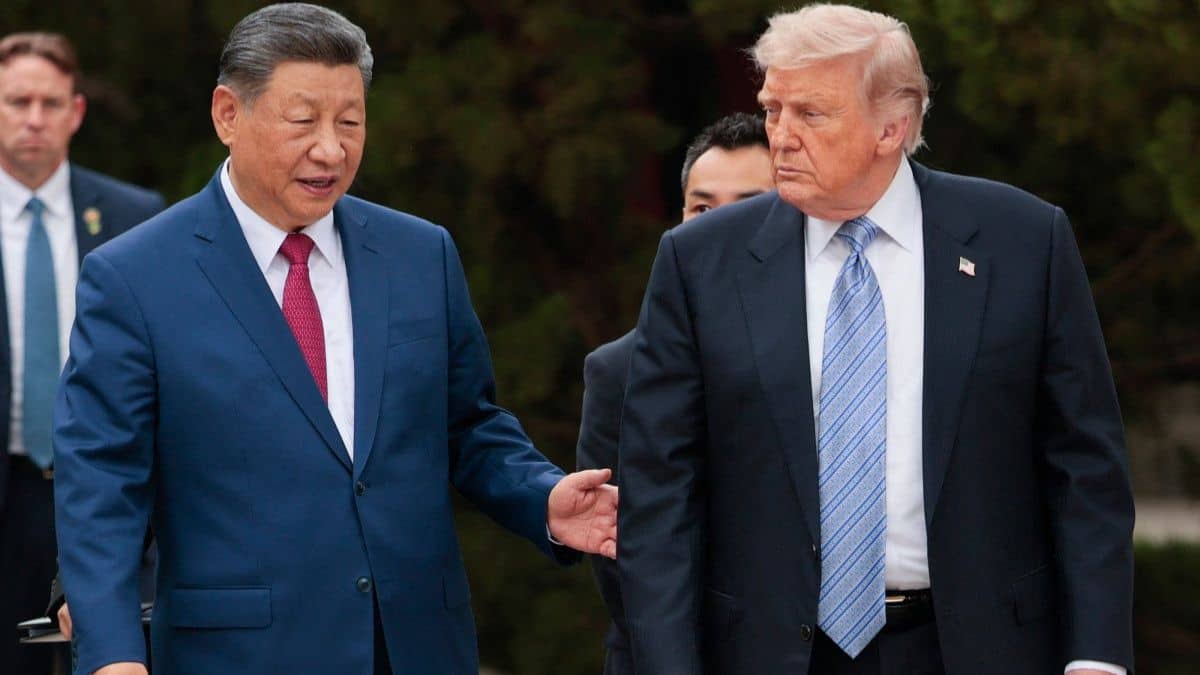
US Navy Taiwan Strait Transit Precedes Planned Xi-Trump Meeting
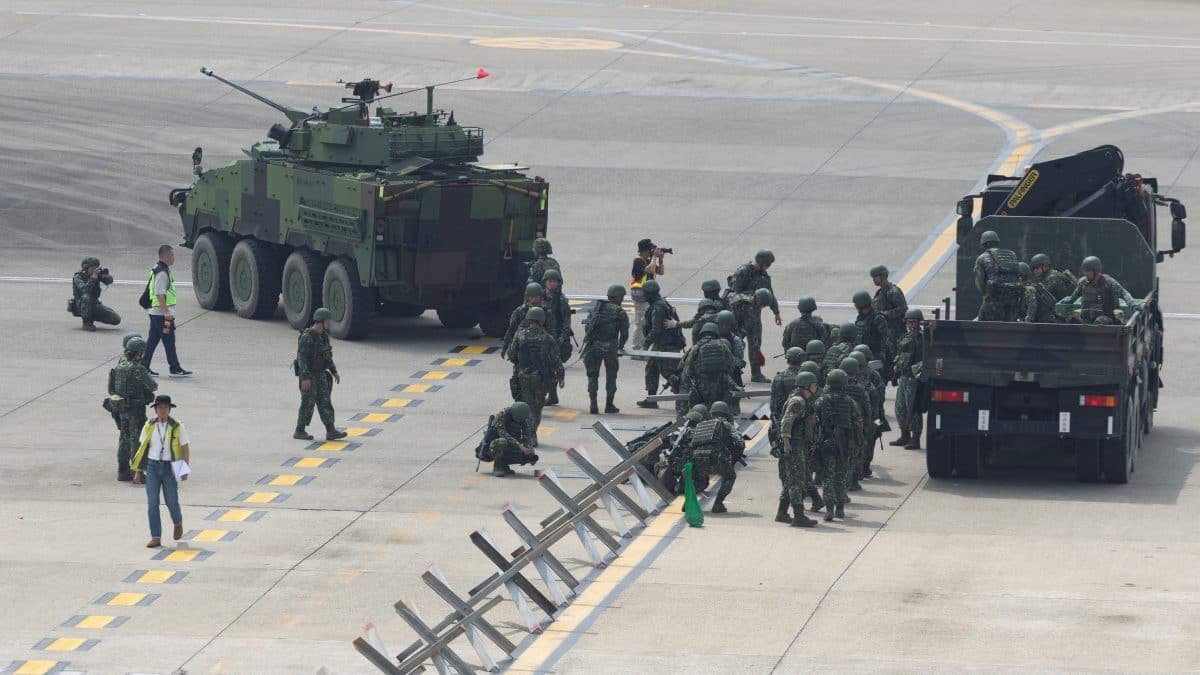
Taiwan to raise defence spending above T$1 trillion in 2027
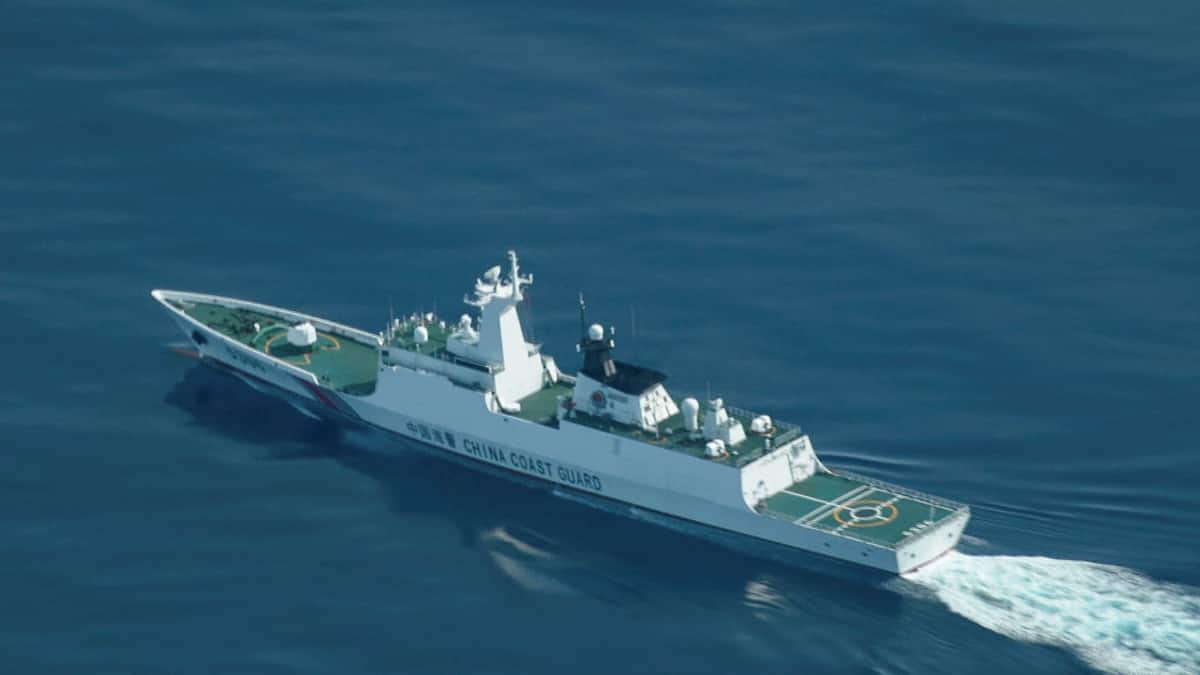
China-Indonesia naval drill near Taiwan highlights Asean's balancing act
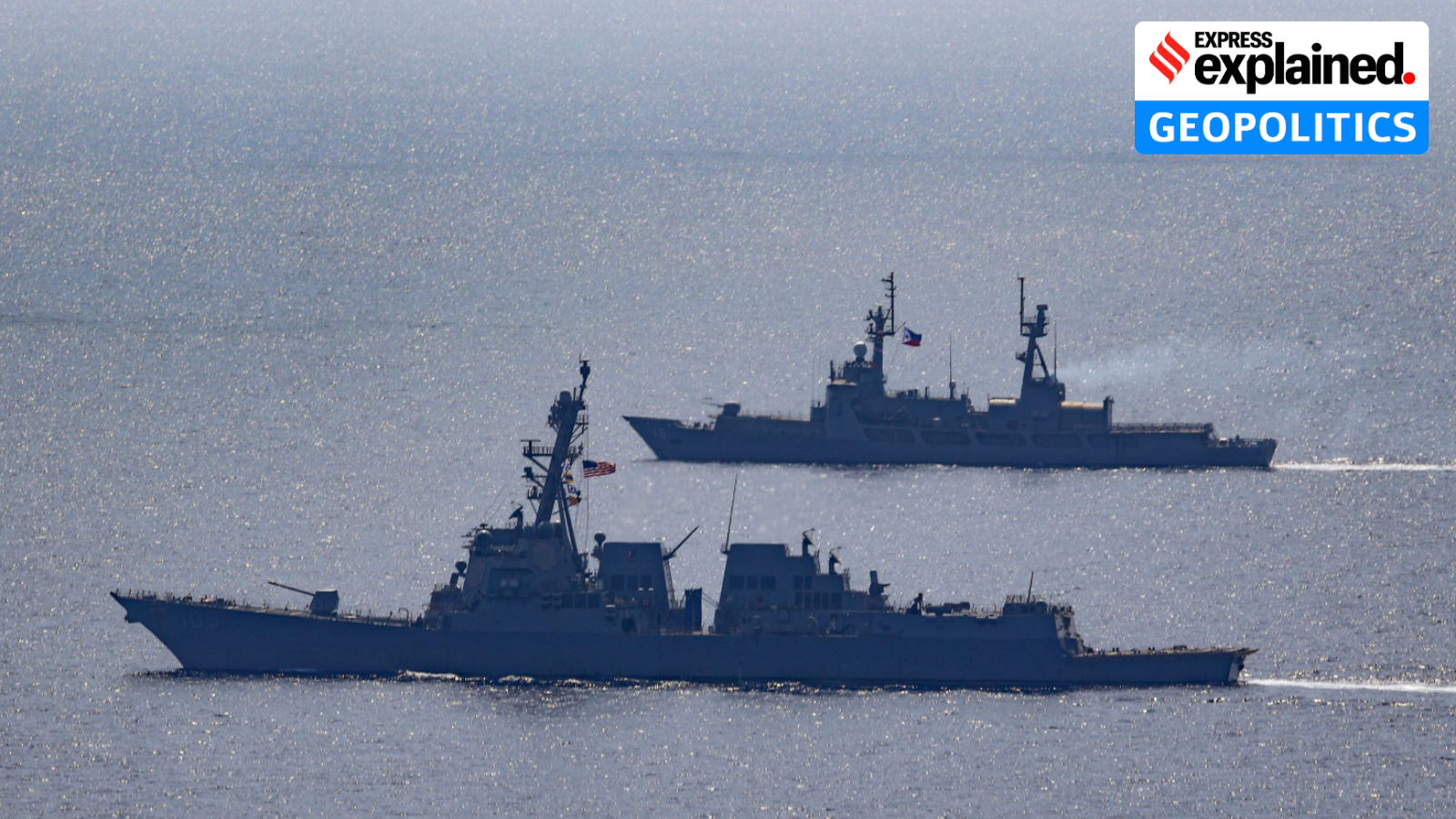
EU deepens security ties with Philippines in Indo-Pacific

Trump administration weighs chip tariffs amid AI industry warnings

Why India Must Conserve Forex Despite Strong GDP Growth

CM Vijay Plans Britain Tour to Attract Tamil Nadu Investment

US and Australia Commit $580 Million for Pacific Islands

Tamil Nadu CM Vijay Plans UK Investment Outreach