

1 week ago
Why Taiwan and the South China Sea Matter Globally
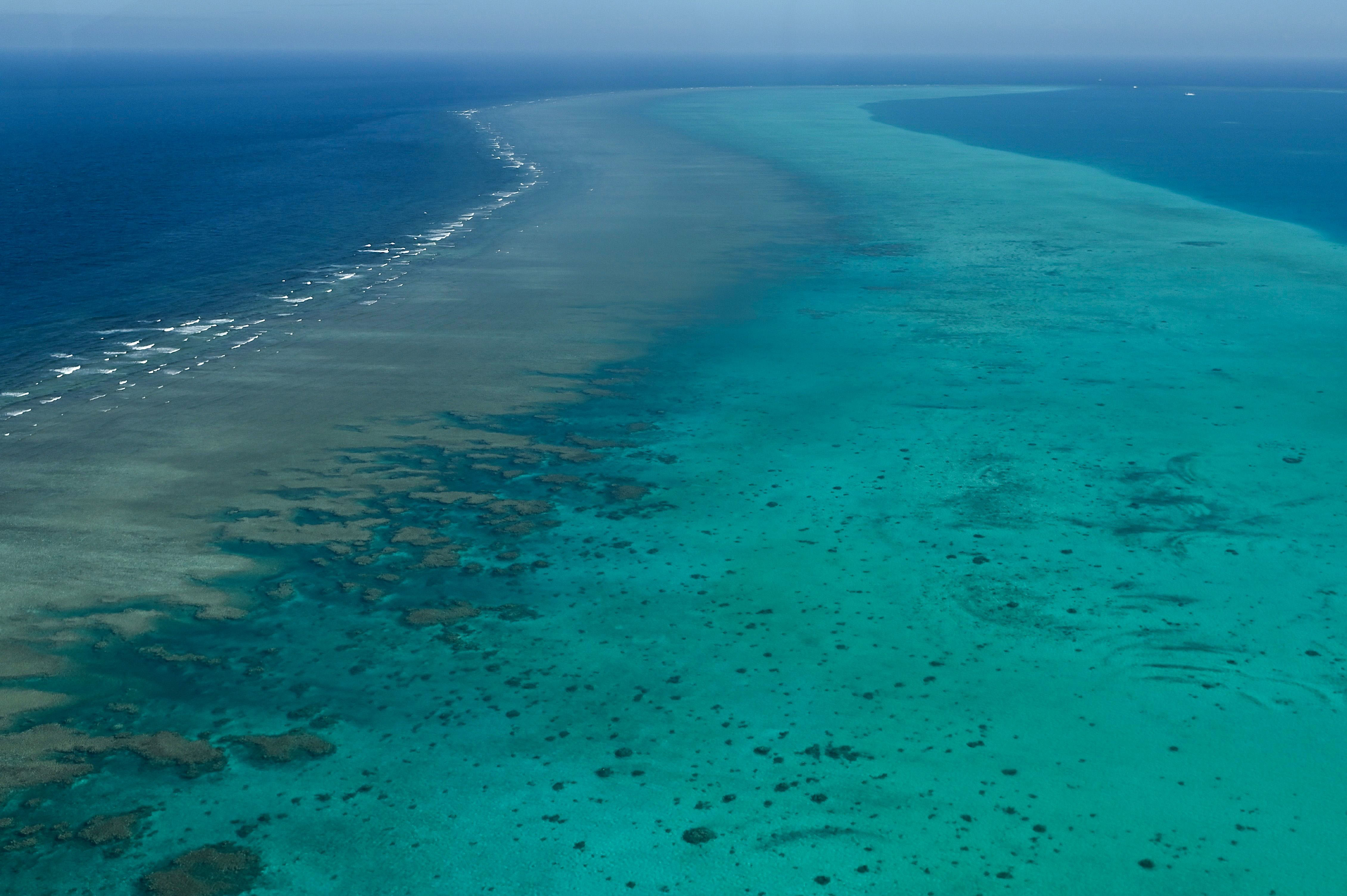
Taiwan governs itself, but China says Taiwan belongs to China.
The United States does not officially recognize Taiwan as a separate country, but it supports Taiwan and supplies it with weapons.
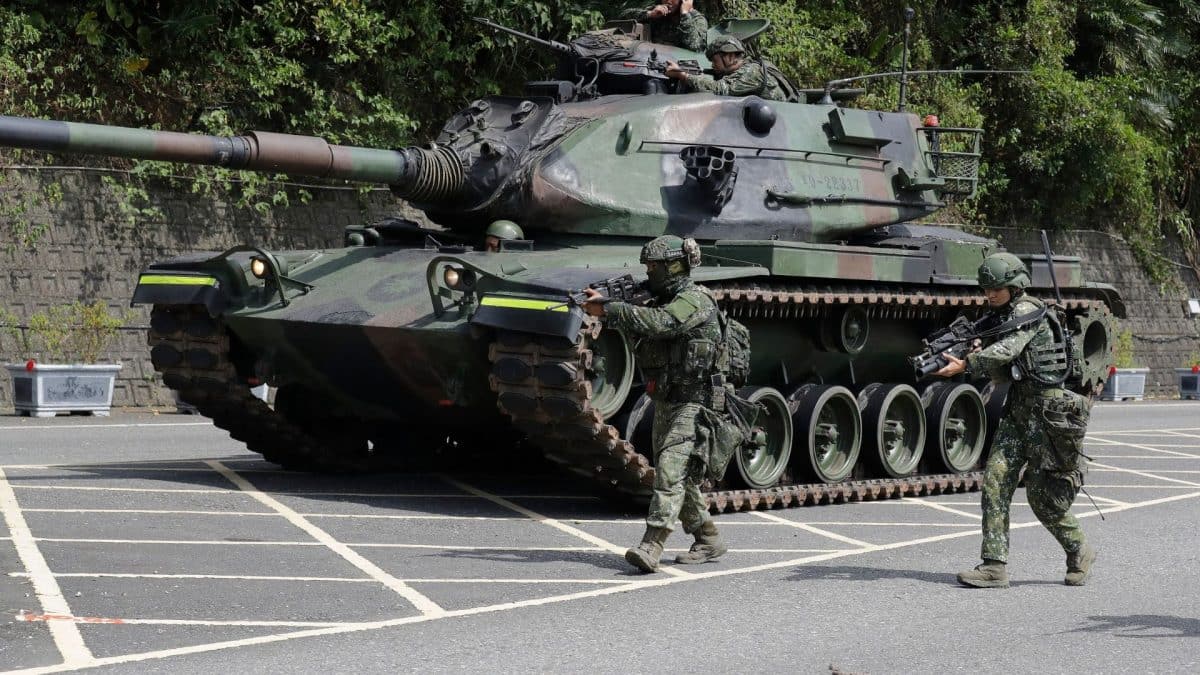
China regularly sends military aircraft and ships near Taiwan.
China also claims much of the South China Sea, where several countries have competing claims.
This sea is an important route for ships carrying goods around the world.
Taiwan makes most of the world’s advanced computer chips.
A war or blockade around Taiwan could affect the South China Sea and force nearby countries to respond.
It could also interrupt trade and increase tensions between China and the United States.
That is why these places matter far beyond their immediate region.

China claims Taiwan and most of the South China Sea, creating tensions with the United States and regional partners.
Taiwan produces the majority of the world’s advanced semiconductors and is central to global technology supply chains.
The South China Sea is a major trade route connected to the Indian Ocean and East China Sea through strategic chokepoints.
U.S. officials and analysts say a Taiwan conflict could spread into the South China Sea and disrupt regional security and trade.
The United States supports Taiwan unofficially, while China rejects a 2016 arbitration ruling limiting its maritime claims.
- Who
- China, Taiwan, the United States, and other South China Sea claimant countries, including the Philippines and Vietnam.
- What
- The article explains the strategic importance of Taiwan and the South China Sea and how conflict involving either could affect regional security and global trade.
- Where
- Taiwan, the South China Sea, the Taiwan Strait, and the wider western Pacific.
- When
- Tensions have continued in recent months, including military exercises and maritime confrontations; the article also refers to events in April, May, and July.
- Why
- Taiwan is a major producer of advanced semiconductors, while the South China Sea is a crucial global trade corridor and a focal point of competing territorial and military interests.
United States and Regional Partners
China
Taiwan’s security
United States and Regional Partners
The United States maintains unofficial relations with Taiwan, supplies it with weapons, and views the island’s security as important to preventing China from dominating the Pacific.
China
China claims Taiwan as its own territory and has not renounced the use of force to bring it under Chinese control.
South China Sea claims
United States and Regional Partners
The United States, the United Kingdom, and 12 other countries have said China’s expansive maritime claims have no legal basis, citing the 2016 arbitration ruling.
China
Beijing says it will neither accept nor recognize the arbitration decision and continues to assert sovereignty over much of the South China Sea.
Regional military role
United States and Regional Partners
U.S. analysts describe preventing Chinese regional hegemony and protecting Taiwan, the Philippines, and the first island chain as key objectives.
China
China’s military and coast guard activity around Taiwan and in disputed waters reflects its effort to enforce its territorial claims, according to the article.
Key facts
- Taiwan’s status
- Taiwan is a self-ruled democracy that China claims as its territory; the two sides split after a civil war in 1949.
- U.S. policy
- The United States has no formal diplomatic relations with Taiwan but is required under U.S. law to provide it with defensive means.
- Trade importance
- The South China Sea is one of the world’s key maritime commercial routes.
- Semiconductors
- Taiwan produces the majority of the world’s advanced semiconductors.
- Maritime claims
- China claims sovereignty over virtually the entire South China Sea, despite a 2016 international arbitration ruling invalidating its expansive claims.
- Recent military activity
- China has conducted military exercises near Taiwan and Scarborough Shoal, while the United States and the Philippines held Balikatan exercises in April.
- U.S. military presence
- The USS George Washington is leaving the Pacific to replace the USS Abraham Lincoln in the Middle East, temporarily leaving the western Pacific without a U.S. aircraft carrier.
Quotes
Hunter S. Marston
Director of the Southeast Asia Program at the Lowy Institute, Australia
““If China were to blockade or seek to forcibly retake Taiwan from the mainland, the South China Sea could quickly see spillover effects.””
 deccanchronicle.com
““the primary objective is preventing China from gaining regional hegemony and dominating the Pacific.””
deccanchronicle.com
Sources
Related news
Taiwan and South China Sea Form One Strategic Contest
US Navy Taiwan Strait Transit Precedes Planned Xi-Trump Meeting
Taiwan Conflict Risks Could Catch Global Markets Unprepared
Taiwan rejects China's Taiwan Strait shipping controls as 'utterly ridiculous'

Taiwan Foreign Minister Joins Pacific Summit Events in Palau
US-Taiwan Ties Strengthen as Chip Investments Expand American Industry
Trump Says He Will Host Xi Jinping at September Summit

Book Examines India-ASEAN Ties, Opportunities and Persistent Engagement Gaps
India-Australia Maritime Security Plan Faces Test of Implementation

China’s Ironclad Friendship With Cambodia Yields to National Interests

Jaishankar Meets Putin as India-Russia Ties Deepen
