3 weeks ago
EU deepens security ties with Philippines in Indo-Pacific
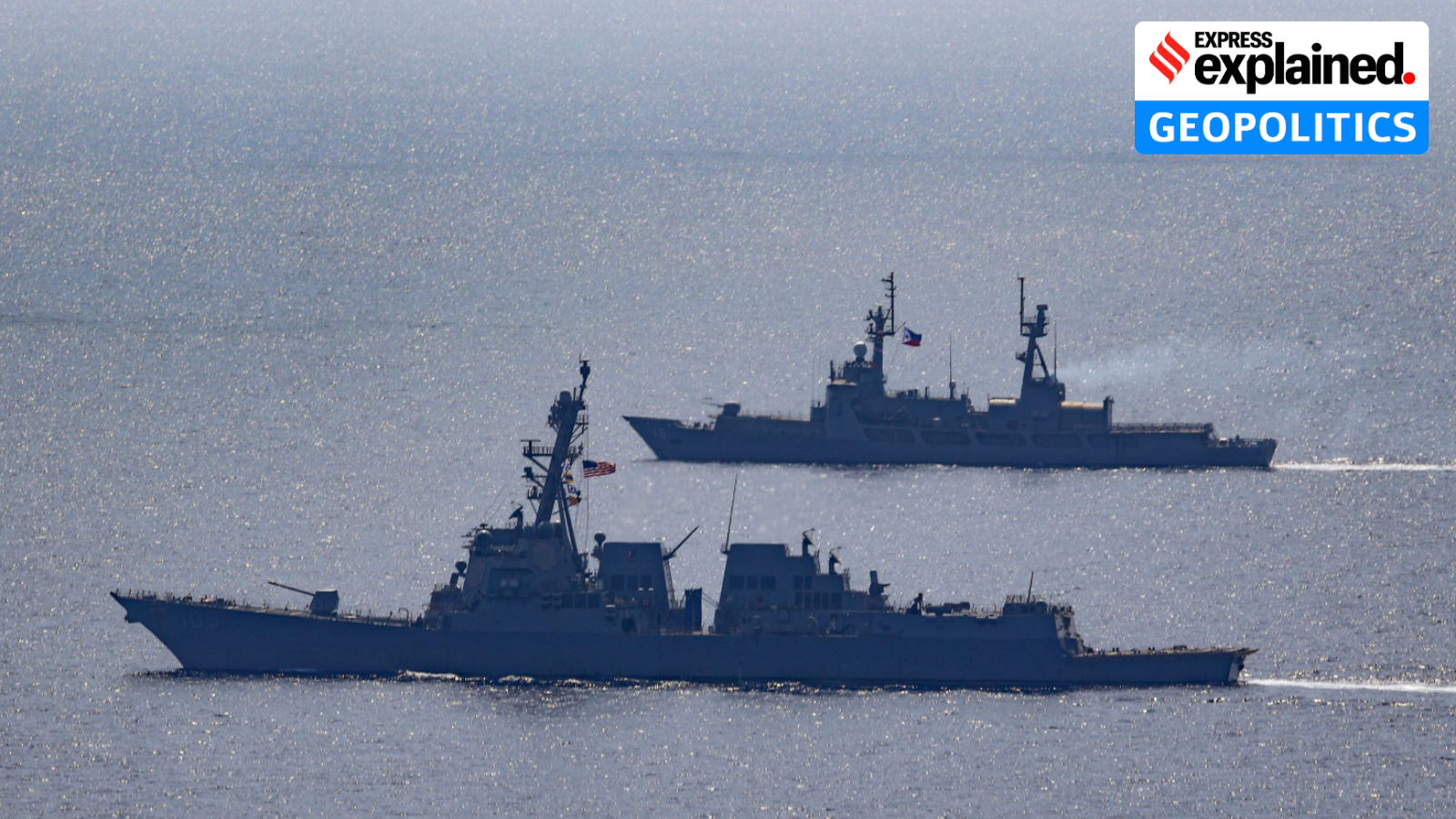
The European Union is a group of countries in Europe that work together.
The Philippines is a country made of many islands, right next to a big sea called the South China Sea.
Some countries disagree about who owns parts of that sea, and China has been pushing to control more of it.
On July 24, the European Union and the Philippines agreed to work together more closely on keeping the sea safe.
The EU is giving the Philippines about 17 million dollars to buy things like radar and cameras so it can watch what happens at sea.
This helps the Philippines spot boats that try to scare or pressure other ships without starting a real fight.
The South China Sea matters a lot because more than one-fifth of all the world's trade travels through it.
That includes things like toys, clothes and food that ships carry between countries.
The European Union also does about 40 percent of its outside trade through this sea.
Some experts say the United States is too busy with other problems to help much, so the EU wants to do more to keep the peace.

On July 24, the European Union and the Philippines signed a joint statement significantly expanding cooperation on defence, maritime security and strategic resilience.
The EU approved its first-ever security assistance measure in the Indo-Pacific under the European Peace Facility, worth €15 million (about $17 million).
The funding will strengthen the Philippine Navy's non-lethal capabilities, especially surveillance and monitoring, to counter 'gray-zone coercion' in the South China Sea.
The South China Sea carries over 21% of global trade, amounting to $3.37 trillion in 2016, and roughly 40% of the EU's external trade passes through it.
Analysts say the EU is stepping in as the US, preoccupied with Iran and Ukraine, takes a backseat; Vietnam, Malaysia, South Korea and India were among countries that did not back the arbitration ruling's 10th-anniversary joint statement.
- Who
- The European Union, the Philippines and China, with the US, India, Vietnam, Malaysia and South Korea as key regional actors.
- What
- The EU and the Philippines signed a statement to significantly expand defence, maritime security and strategic resilience cooperation, including the EU's first Indo-Pacific security assistance measure for Philippine Navy non-lethal capabilities.
- Where
- The agreement concerns the South China Sea and the wider Indo-Pacific; the EU spokesperson commented from Brussels.
- When
- July 24, around the 10th anniversary of the 2016 South China Sea arbitration ruling.
- Why
- To counter China's expansive territorial claims and 'gray-zone coercion', support freedom of navigation and international law, and protect a crucial trade route as the US takes a backseat in the region.
Backing the rules-based order and arbitration ruling
Upholding China's territorial claims and regional caution
South China Sea territorial claims
Backing the rules-based order and arbitration ruling
The Philippines won a 2016 international arbitration case striking down China's expansive claims, and supporters of the ruling say China should respect international law and freedom of navigation.
Upholding China's territorial claims and regional caution
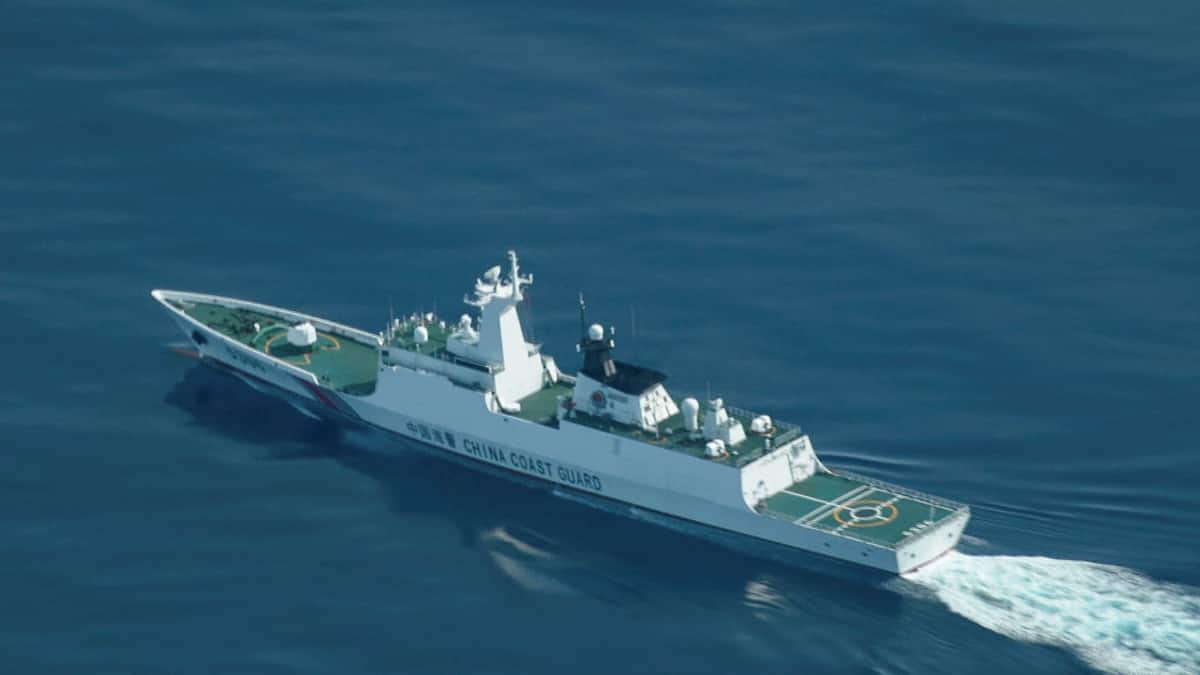
China has long made territorial claims in the region and continues to assert more power, using coast guard vessels, water cannons and aggressive manoeuvres just short of open conflict.
Expanding EU security role in the Indo-Pacific
Backing the rules-based order and arbitration ruling
As the US takes a backseat, the EU should step in as a security partner to uphold maritime security and international law; analysts say this signals EU strategic autonomy and a possible Western multi-polarity.
Upholding China's territorial claims and regional caution
Key regional countries including Vietnam, Malaysia, South Korea and India declined to support the 10th-anniversary joint statement, underscoring hurdles the EU faces where legal arguments are not enough.
US role as the region's main security guarantor
Backing the rules-based order and arbitration ruling
The US's role as the Indo-Pacific's main security guarantor is being challenged as it deals with crises worldwide, and it has called on allies to step up their defence engagements.
Upholding China's territorial claims and regional caution
The Trump administration is preoccupied with Iran and Ukraine and lacks the capacity to sustain heightened tensions with China, making it unlikely to raise tensions with China over the Philippines.
Key facts
- Agreement
- EU-Philippines joint statement expanding defence, maritime security and strategic resilience cooperation
- Announced
- July 24
- EU funding
- €15 million (about $17 million) via the European Peace Facility, the EU's first security assistance measure in the Indo-Pacific
- Purpose
- Philippine Navy non-lethal capabilities: maritime surveillance and monitoring to counter gray-zone coercion
- South China Sea resources
- 11 billion barrels of oil and 190 trillion cubic feet of natural gas (US Energy Information Agency estimates)
- Trade through the South China Sea
- Over 21% of global trade ($3.37 trillion) in 2016; about 40% of EU external trade
- Trade talks
- EU is negotiating a free trade agreement with the Philippines
- 2016 arbitration ruling
- Won by the Philippines against China's expansive claims; Vietnam, Malaysia, South Korea and India did not back its 10th-anniversary statement
Quotes

Manjeev Singh Puri
Former Indian ambassador to the EU
“This assistance measure for the Philippines reflects the EU’s growing engagement as a security partner in the Indo-Pacific. The region is increasingly important for the European Union because its stability, maritime security and respect for international law directly affect our own security and economic interests.”
 indianexpress.com
“They are trying to become a pole — an interesting development since it might lay a possible foundation for the start of multi‑polarity within a Western context.”
indianexpress.com
Ken Moriyasu
Senior Fellow at the Hudson Institute
“The Donald Trump administration is otherwise preoccupied with their engagements in Iran and Ukraine. It currently doesn’t possess the capacity — diplomatically, militarily or economically — to sustain heightened tensions with China.”
indianexpress.com
Sources
Related news
Why Taiwan and the South China Sea Matter Globally
Taiwan and South China Sea Form One Strategic Contest

US Says China's Scarborough Shoal Claim 'Destabilizing' Region
India Expands Indo-Pacific Influence Through Ports and Partnerships

Philippines' Marcos sees 'distinct possibility' of joint China energy exploration