

3 weeks ago
US Inflation Subdued, Easing Pressure on Fed to Hike Rates

The government in the United States keeps track of how much everyday things cost, like food, gas, and rent.
In July, prices went up just a little bit — 0.1% from June, and 3.4% compared with a year before.
That means things are not getting more expensive as fast as they used to.
Gas and energy prices went down for the second month in a row.
Grocery prices also went down for the first time since March, including cheaper lettuce and ground beef.
Some things still got more expensive, like computer software, which jumped 21.2% from a year earlier.
A group called the Federal Reserve decides whether to make borrowing money more costly to slow down price increases.
Because inflation is calming down, the Fed feels less pressure to raise those borrowing costs at its September meeting.
However, some experts say a rate hike is still possible.
Slower price rises are good news for families, because their money can go a bit further.

US consumer prices rose 0.1% month-on-month and 3.4% year-on-year in July, easing pressure on the Federal Reserve to raise borrowing costs at its September 15-16 meeting.
Energy and gasoline prices declined for a second consecutive month, though gasoline moved back above $4 a gallon after the US-Iran ceasefire broke down.
Grocery prices fell for the first time since March, helped by a record decline in lettuce prices and a 1.6% drop in uncooked ground beef prices.
Shelter costs rose just 0.1%, restrained by a 3.3% fall in hotel and motel prices, while rent measures increased 0.3%.
Technology prices rebounded, with computer software and accessories up a record 21.2% year-on-year amid a global memory-chip shortage.
- Who
- US consumers and Federal Reserve policymakers, including Chair Kevin Warsh, who face a September 15-16 rate decision.
- What
- Subdued July inflation — consumer prices up 0.1% month-on-month and 3.4% year-on-year — eased pressure on the Fed to raise borrowing costs.
- Where
- United States.
- When
- July data, reported ahead of the Fed's September 15-16 meeting and before Fed Chair Kevin Warsh's Jackson Hole remarks later this month.
- Why
- Cooling energy, gasoline and grocery prices, including a fading energy-price shock linked to the Iran war, reduced inflationary pressure.
No September hike needed
September hike still possible
September rate decision
No September hike needed
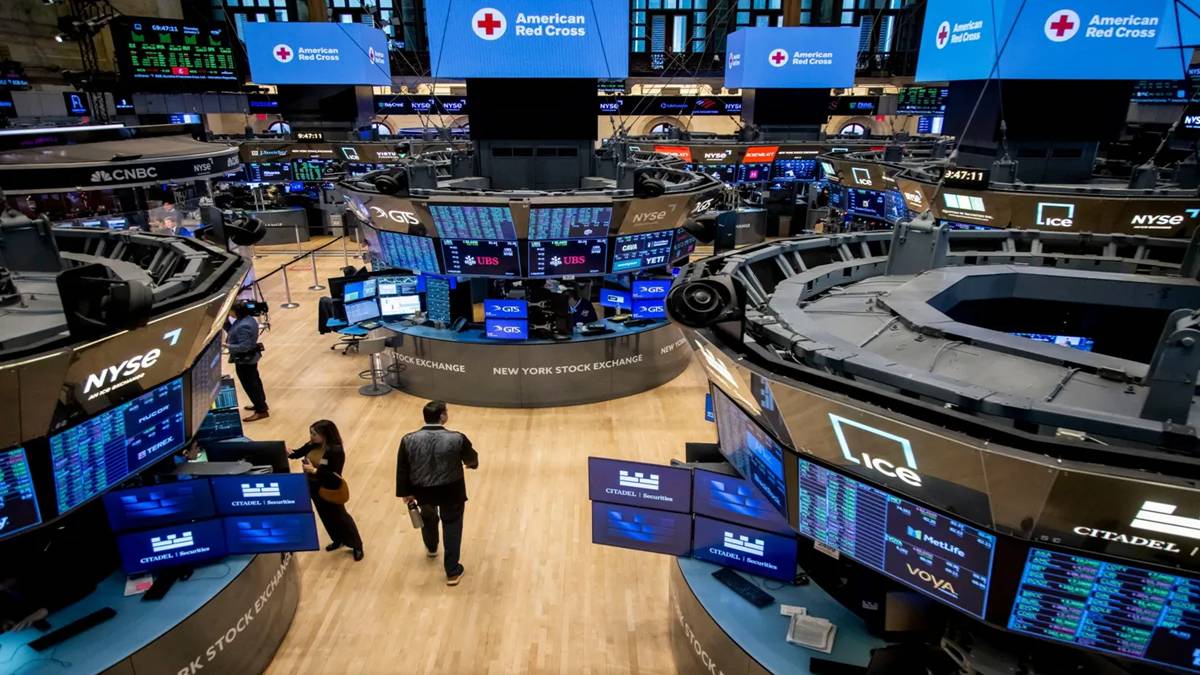
The subdued CPI report is the second consecutive sign of disinflation and the energy-price shock linked to the Iran war is fading, so pressure on officials to raise borrowing costs is reduced. Stocks opened higher and Treasury yields fell as investors trimmed bets on a September hike.
September hike still possible
Inflation at 3.4% remains well above target, technology prices are rebounding with record software price gains, and Bloomberg Economics said the report was modest enough to reduce — but not eliminate — the chance of a September rate hike.
Inflation outlook
No September hike needed
Energy, gasoline and grocery prices are easing, with gasoline down for a second month and grocery prices down for the first time since March, confirming progress on disinflation.
September hike still possible
Gasoline moved back above $4 a gallon in July after the US-Iran ceasefire broke down, shelter costs and rents still rose, and services prices excluding energy and rents increased 0.2%.
Key facts
- CPI (month-on-month)
- +0.1%
- CPI (year-on-year)
- +3.4%
- Next Fed meeting
- September 15-16
- Fed Chair
- Kevin Warsh
- Gasoline prices
- Above $4 a gallon in July; monthly average below June
- Software prices (year-on-year)
- +21.2%, largest increase on record
- Ground beef prices
- -1.6%, steepest decline since 2020
- Real average hourly earnings (year-on-year)
- -0.2% in July
Quotes
Oscar Munoz
Head of U.S. economics at TD Securities
“It’s good news for those Fed officials who want to be patient here, at least for the Fed officials who are looking for signs of progress, disinflation, it’s a second consecutive report.”
 businesstoday.in
Sources
Related news

US Inflation Cools to 3.4% as Fed Weighs September Rates

US inflation at 3.4%; focus shifts to Fed September decision

US Inflation Slows to 3.4% Despite Iran War Oil Prices

US CPI Aftermath: Equities, Gold React; September Rate Hike Uncertain
July Fed Minutes May Shape September Rate Decision

Gold Tops $4,600 as Investors Weigh Fed Path

Gold Surges Over 3% as Treasury Move Hits Yields

Brent crude surges past $87 as US-Iran deal hits snag

Brent Nears $90 as Trump Demands Cloud Iran Deal Hopes