3 weeks ago
Weak July Jobs Report Fuels Biggest Treasury Rally Since May

The US government borrows money by selling things called Treasury bonds, and people who buy them get interest.
When lots of people want to buy them, prices go up and the interest rates go down.
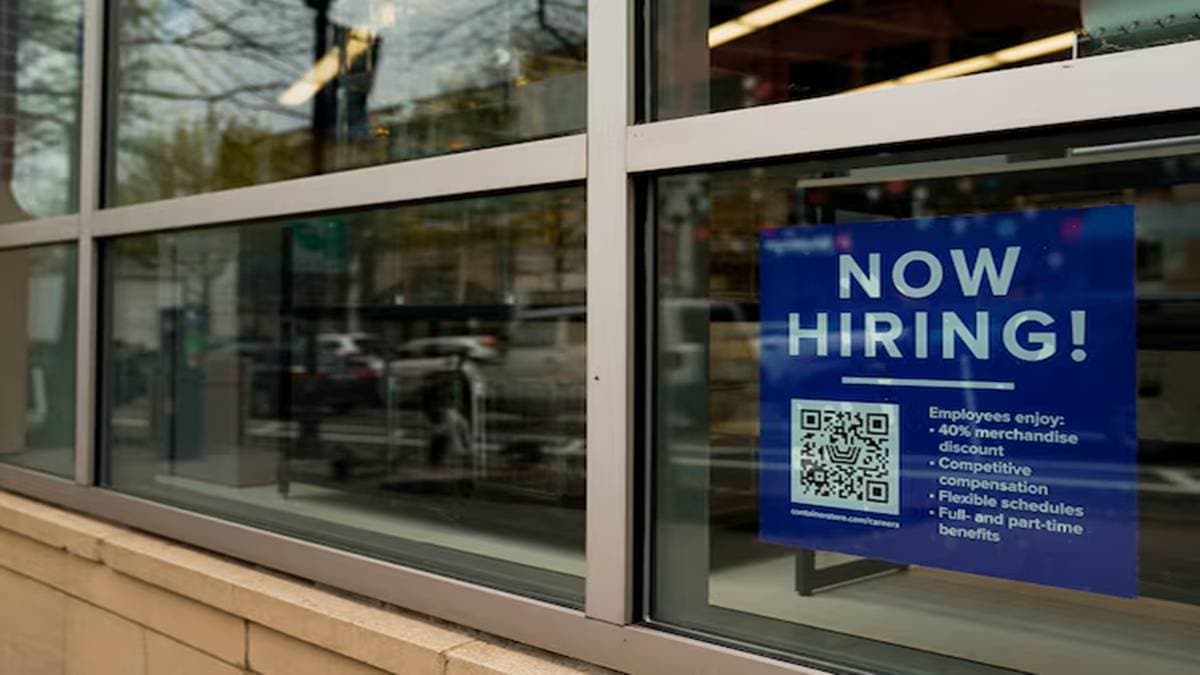
A government report showed that America actually lost 23,000 jobs in July, which surprised almost everyone.
Because fewer jobs can mean the economy is slowing down, people no longer think the Federal Reserve will raise interest rates in September.
So investors rushed to buy Treasuries, making their prices jump.
Short-term Treasuries had their best week since May, and long-term ones had their first weekly decline in three weeks.
The Fed, led by Kevin Warsh, held rates steady recently, but three officials wanted a hike.
President Trump said he prefers lower interest rates.
Next, everyone is watching new inflation numbers due Wednesday to decide what happens next.

US Treasuries rallied after a shock July jobs report showed nonfarm payrolls fell 23,000, cementing the biggest weekly gain in short-term maturities since May.
Two-year yields settled near 4.19%, down the most on a weekly basis since May, while 10-year yields fell about nine basis points for the week to 4.65%, their first weekly decline in three.
Traders cut the odds of a September Federal Reserve rate hike to roughly 40%, down from closer to 60% before the data, while still fully pricing a hike by year-end.
The Federal Reserve, led by Chairman Kevin Warsh, held its key interest-rate tool unchanged last week, though three officials dissented in favor of a hike.
President Donald Trump reiterated his preference for lower interest rates, striking a softer tone toward Warsh than toward his predecessor Jerome Powell.
- Who
- US Treasury investors and traders, the Federal Reserve under Chairman Kevin Warsh, and President Donald Trump
- What
- US Treasuries rallied after a shock July jobs report showed payrolls fell 23,000, prompting traders to reduce bets on Federal Reserve rate hikes
- Where
- United States (US Treasury market)
- When
- On Friday, following the release of the July employment report by the Bureau of Labor Statistics
- Why
- The unexpectedly weak employment report suggested the labor market may be facing challenges, leading traders to dial back expectations for Fed interest-rate hikes
Weakness is real
Trend stays healthy
Reading the July jobs report
Weakness is real
A negative headline number is a total shock, and with job growth averaging just 20,000 over the last three months, it is much harder to make the case for raising rates.
Trend stays healthy
Don't extrapolate too much from one report; the employment trend remains healthy despite a second consecutive downside surprise, and the low unemployment rate tempers the bond reaction.
The Fed's next rate move
Weakness is real
The Fed probably will not tighten in September; traders now price about a 40% chance of a hike versus closer to 60% before the data.
Trend stays healthy
Investors are still fully pricing a hike by year-end and significant hedging for a second one, reflecting the volatility of jobs figures and a data-dependent Fed.
Key facts
- July nonfarm payrolls
- -23,000, following downward revisions to the prior two months
- Two-year Treasury yield
- Near 4.19%, ~5 basis points lower; biggest weekly drop since May
- 10-year Treasury yield
- 4.65%, down ~9 basis points for the week; first weekly decline in three
- September hike odds
- ~40% per interest-rate swaps, down from ~60% before the data
- Fed decision
- Key rate held unchanged last week; three officials dissented in favor of a hike
- Next key data
- US consumer price figures due Wednesday
- Upcoming auctions
- $58B 3-year note (Tuesday), $42B 10-year note (Wednesday), $25B 30-year bond (Thursday)
- 30-year bond indicated yield
- 5.20%, highest for the tenor since August 2001
Quotes

Jeffrey Rosenberg
Senior portfolio manager at BlackRock
“"I would be hesitant to write this report off as the revisions in the headline number are pointing to weakness. The market is not ignoring it, with a big hike probability coming out with the front‑end rally."”
 livemint.com
“"The headline number being negative is a total shock," said Tom di Galoma, managing director at Mischler Financial Group.”
livemint.com
Phoebe White
Head of US rates strategy at UBS Group
“"There’s more value in the front end of the curve than the long end," said Phoebe White, head of US rates strategy at UBS Group.”
livemint.com
Sources
Related news
Treasury yields fall as jobs report dashes Fed hike bets

Treasury yields fall on Strait of Hormuz deal hopes

Stocks Poised for Best Week Since April as Payrolls Fall

US employers unexpectedly shed jobs as unemployment rate falls

Dollar near two-month low as US inflation data awaited

Fed minutes, retail earnings, data to drive markets

US H-1B Wage Proposal Could Reshape Opportunities For Indian Professionals
Warsh Weighs Rate Cut as Inflation Keeps Pressure High

US Jobs Expected to Rebound as Rate Hike Debate Intensifies

Gold Prices Fall After Warsh Signals Possible Rate Hikes

BLS Faces Scrutiny in Spanish Schengen Visa Fraud Probe