

3 weeks ago
Brent crude surges past $87 as US-Iran deal hits snag

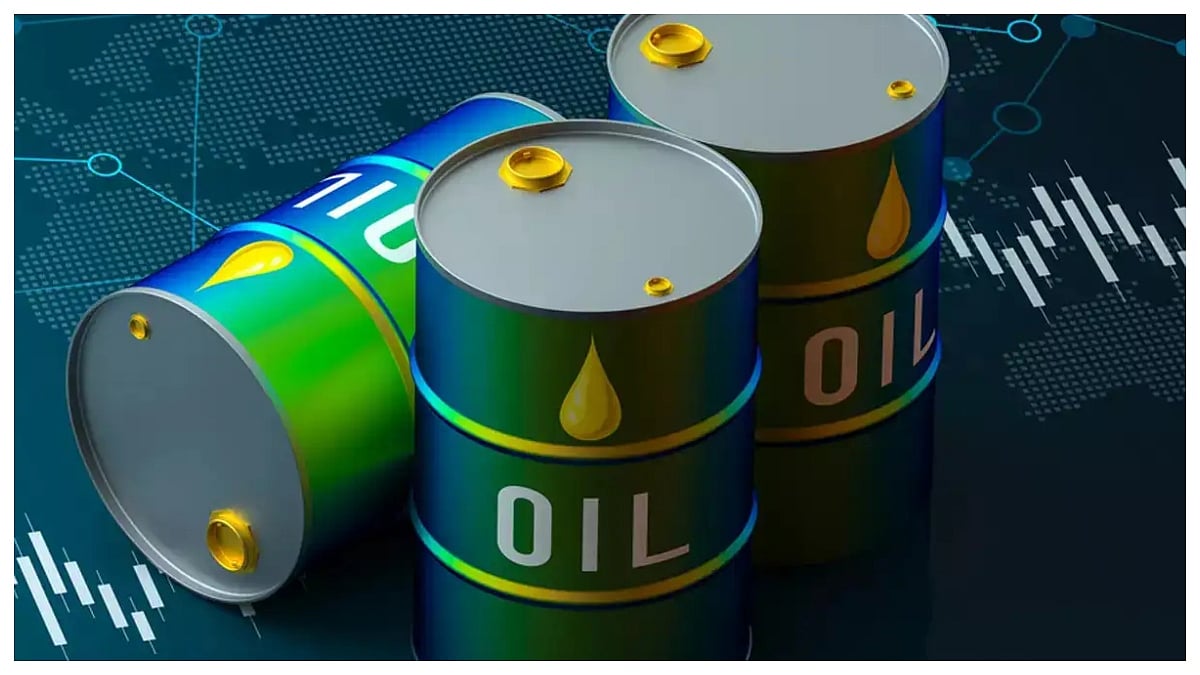
Oil is the thick, dark liquid that powers cars, trucks, and many machines.
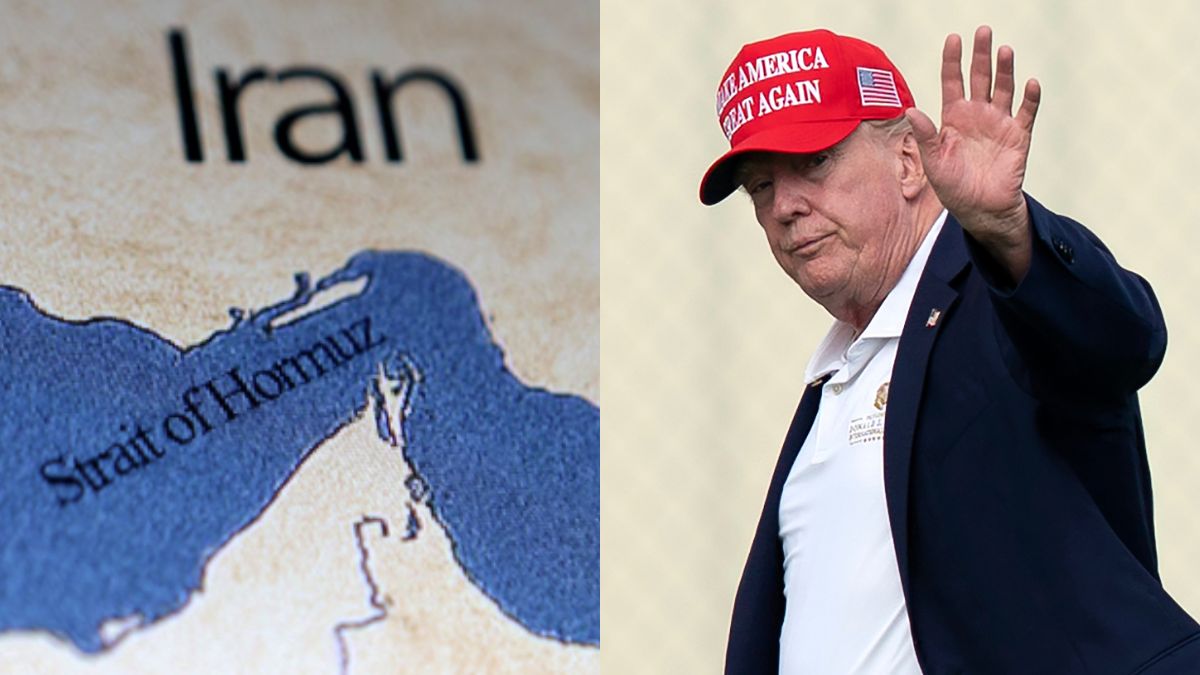
Most of the world's oil travels through a narrow sea passage called the Strait of Hormuz.
A war between the United States and Iran has kept this passage mostly closed.
Fewer ships means less oil can reach buyers, and less oil means higher prices.
Now, one type of oil called Brent costs more than $87 per barrel.
The leaders of the US and Iran signed a promise in June to work things out.
But they disagree about who should pay money to whom for all the damage.
The US wants Iran to pay for people hurt or killed in conflicts, while Iran wants the US to pay $300 billion for war damages.
Until they agree, the waterway may stay closed and oil may stay expensive.

Brent crude traded around $87 per barrel and West Texas Intermediate near $82, with both benchmarks gaining 5% overnight.
US President Donald Trump demanded compensation from Iran for damages, including deaths from roadside bombs and protestor killings over the past 50 years.
Iran repeated its demand for $300 billion in war damages under the 14-point memorandum of understanding signed in June.
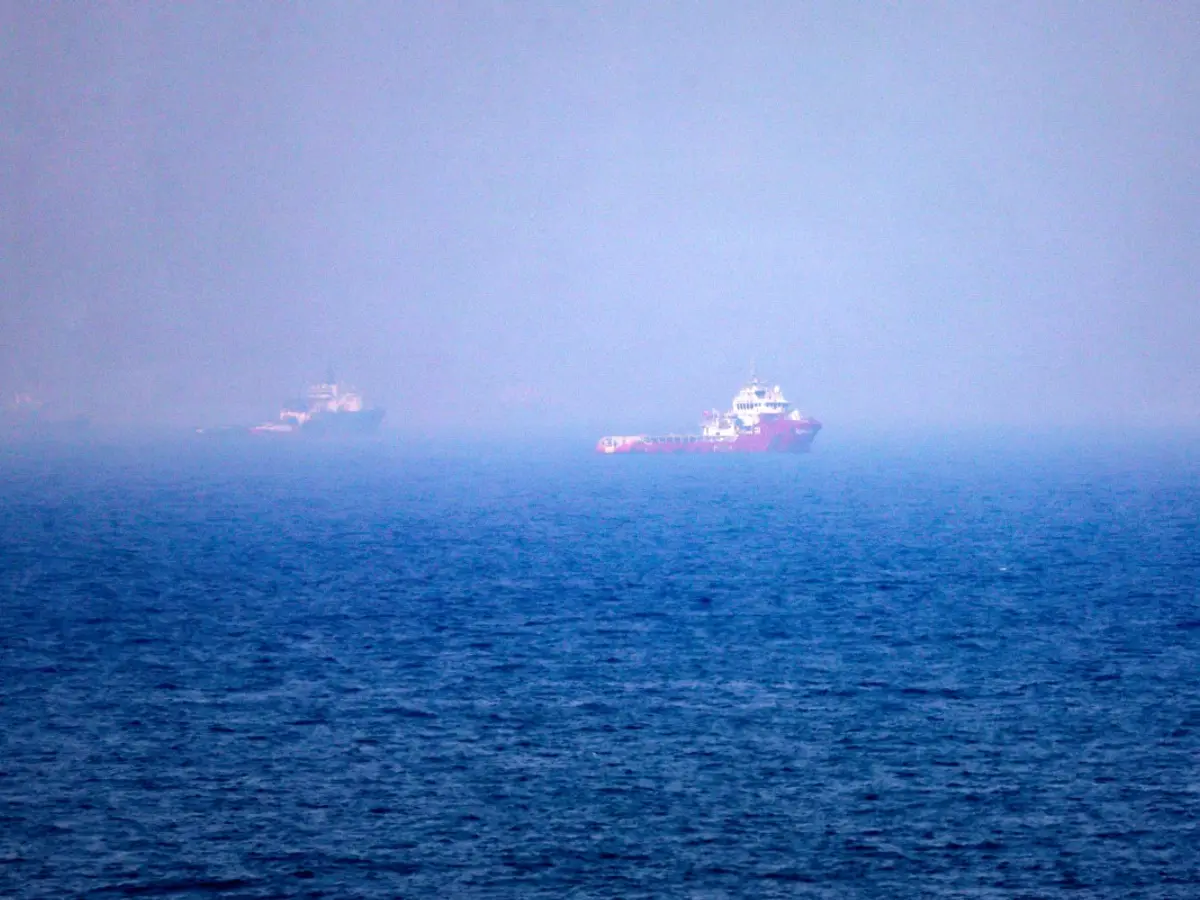
Strait of Hormuz transit is down 64%, with only five vessels transiting versus a daily average of 14 after the MoU was signed.
Analysts say reduced inventories and closed flows could push Brent $10-15 higher, warning a gulf remains between the US and Iran over any agreement.
- Who
- US President Donald Trump, Iran, and oil market analysts tracking the dispute.
- What
- Brent crude surged past $87 per barrel and WTI neared $82 as US-Iran talks hit a snag over compensation demands, with Strait of Hormuz transit down 64%.
- Where
- Strait of Hormuz, between the United States and Iran.
- When
- Early Asian trade on Tuesday, following a 5% overnight gain; the war began in late February and the MoU was signed in June.
- Why
- Trump demanded compensation from Iran while Tehran repeated its $300 billion war damages demand, undermining hopes for reopening the waterway and tightening supply.
US Position
Iran Position
Compensation demands
US Position
The US, via President Trump, demands compensation from Iran for all damages incurred by Washington, including deaths from roadside bombs and protestor killings over the last 50 years.
Iran Position
Iran has repeated its demand for $300 billion in war damages from the US as part of the June memorandum of understanding to develop a rehabilitation and economic fund for Tehran.
Future of the agreement
US Position
The US says new compensation demands will be raised in future negotiations, signaling continued pressure on the deal.
Iran Position
There appears to be a gulf between the US and Iran over what any agreement would actually look like, unwinding earlier optimism about reopening the Strait of Hormuz.
Key facts
- Brent crude price
- Around $87 per barrel
- WTI price
- Near $82 per barrel
- Overnight gain
- 5% for both benchmarks
- Iran's war damages demand
- $300 billion
- US-Iran agreement
- 14-point memorandum of understanding signed in June
- Strait of Hormuz transit
- Down 64%; five vessels versus daily average of 14
- Strait's pre-war share
- Nearly one-fifth of global crude oil and LNG supplies
- War start
- Late February
Quotes

Donald Trump
U.S. President
“"I am likewise demanding compensation from Iran for all of the people that they have killed and gravely wounded with their roadside bombs and many conflicts."”
 financialexpress.com
Sources
Related news

Brent Nears $90 as Trump Demands Cloud Iran Deal Hopes

Oil Gains Persist as Trump, Iran Clash Over Hormuz Reopening
Oil prices rise as US-Iran talks stall over Hormuz

Brent crude crosses $90 as US-Iran conflict prolongs

Oil Prices Slip as Trump Demands Compensation from Iran
Brent tops $91 as Trump rules out extending Iran ceasefire

Iran Seizes Fuel-Smuggling Vessel in Gulf, Arrests 11 Crew
Trump Floats Renaming Strait of Hormuz as “Trump Strait”

Chevron Plans $7 Billion Venezuela Expansion Amid U.S. Oil Push
Saudi Tanker Hit in Hormuz, Killing Two Filipino Sailors

Indian Stocks Extend Three-Day Losing Streak as Oil Rises
