2 hrs ago
Economy Quiz Covers Semicon 2.0, UPI, Demat and Trade
This article is a practice quiz about important economy topics in India and international trade.
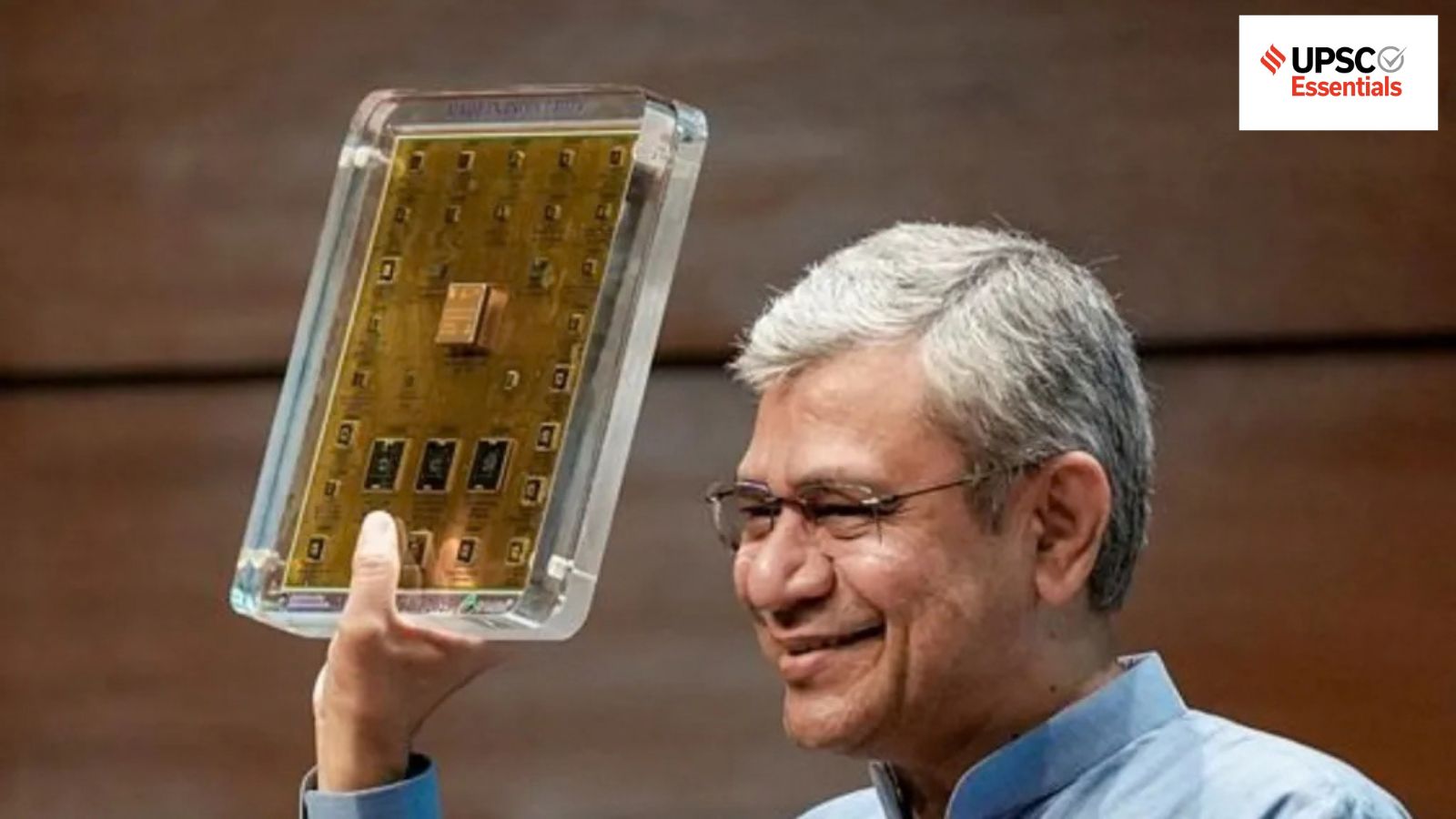
Semicon 2.0 is a government plan to strengthen India’s chip industry.
It supports different kinds of semiconductor factories with different amounts of financial help.
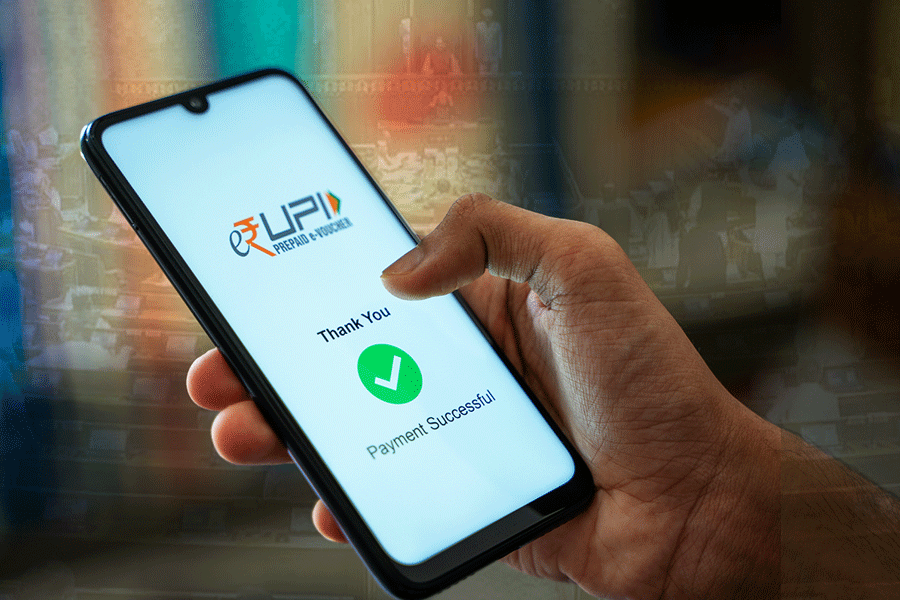
A new 0.4% fee called MDR is described for some UPI payments made to merchants.
Banks and payment companies may share this money, while critics worry that fees could reduce the use of digital payments.
Demat 2.0 is testing digital tokens for corporate bonds and faster settlement using blockchain and the central bank digital currency.
NPCI’s MyUPI uses artificial intelligence to help with authorised payments and payment complaints.
The quiz also explains that plurilateral WTO agreements involve groups of members and do not always harm developing countries.

Semicon 2.0 expands eligibility to qualifying OCI-owned companies and targets technologies important to national security and critical infrastructure.
Under Semicon 2.0, capex support varies from 30% to 40% depending on the semiconductor facility.
A 0.4% MDR is set to apply from October 15 to UPI merchant payments above Rs 2,000.
RBI and SEBI launched Demat 2.0 to test tokenised corporate bonds and faster CBDC-based settlement.
The quiz also examines NPCI’s AI-powered MyUPI and the WTO’s plurilateral trade agreements.
- Who
- The UPSC Essentials initiative of The Indian Express presents the quiz, covering Indian government agencies, payment institutions and WTO members.
- What
- A five-question economy quiz examines Semicon 2.0, Merchant Discount Rate, Demat 2.0, MyUPI and plurilateral trade agreements.
- Where
- The initiatives discussed primarily concern India; the Global Fintech Fest was held in Mumbai, while the WTO ministerial conference referenced was held in Cameroon.
- When
- The article references Semicon India 2026, scheduled for September 17–19, and an MDR change beginning October 15; it also refers to the September 2026 UPSC Essentials magazine.
- Why
- The quiz is intended to help UPSC candidates revise economic current affairs and static concepts.
Critics and developing-country concerns
Infrastructure and participation arguments
UPI payment charges
Critics and developing-country concerns
Critics say UPI should remain a no-cost public good and that MDR could weaken digital-payment adoption and push some users toward cash.
Infrastructure and participation arguments
Banks and other payment-sector participants have sought MDR because of the high cost of operating payment infrastructure; the framework would distribute revenue among banks, payment apps and payment service providers.
Plurilateral trade agreements
Critics and developing-country concerns
India has raised concerns that exclusive WTO agreements could limit participation, reduce policy space and work against developing-country interests.
Infrastructure and participation arguments
The article notes that their effects vary by agreement and participation, and that developing countries could gain economically from agreements they join.
Key facts
- Semicon 2.0 eligibility
- Qualifying companies owned and controlled by Overseas Citizens of India may participate if incorporated and headquartered in India and maintaining significant local operations and manpower.
- Semiconductor support
- Large silicon wafer fabs can receive 40% capex support; other facilities receive support rates ranging from 30% to 35%.
- UPI MDR
- A 0.4% levy is described for merchant UPI payments above Rs 2,000 from October 15.
- MDR distribution
- The expected Rs 15,000 crore generated by the framework would be shared among banks, payment apps and payment service providers.
- Demat 2.0
- The pilot tests tokenised corporate bonds and quicker settlement using blockchain technology and the central bank digital currency.
- MyUPI
- NPCI’s AI-powered service can delegate pre-authorised payments and automatically assist with filing payment disputes.
- Plurilateral agreements
- These agreements are negotiated and implemented by exclusive groups of WTO members rather than all WTO members.
Sources
Related news

New UPI MDR Framework Sets Merchant Fees From October 15
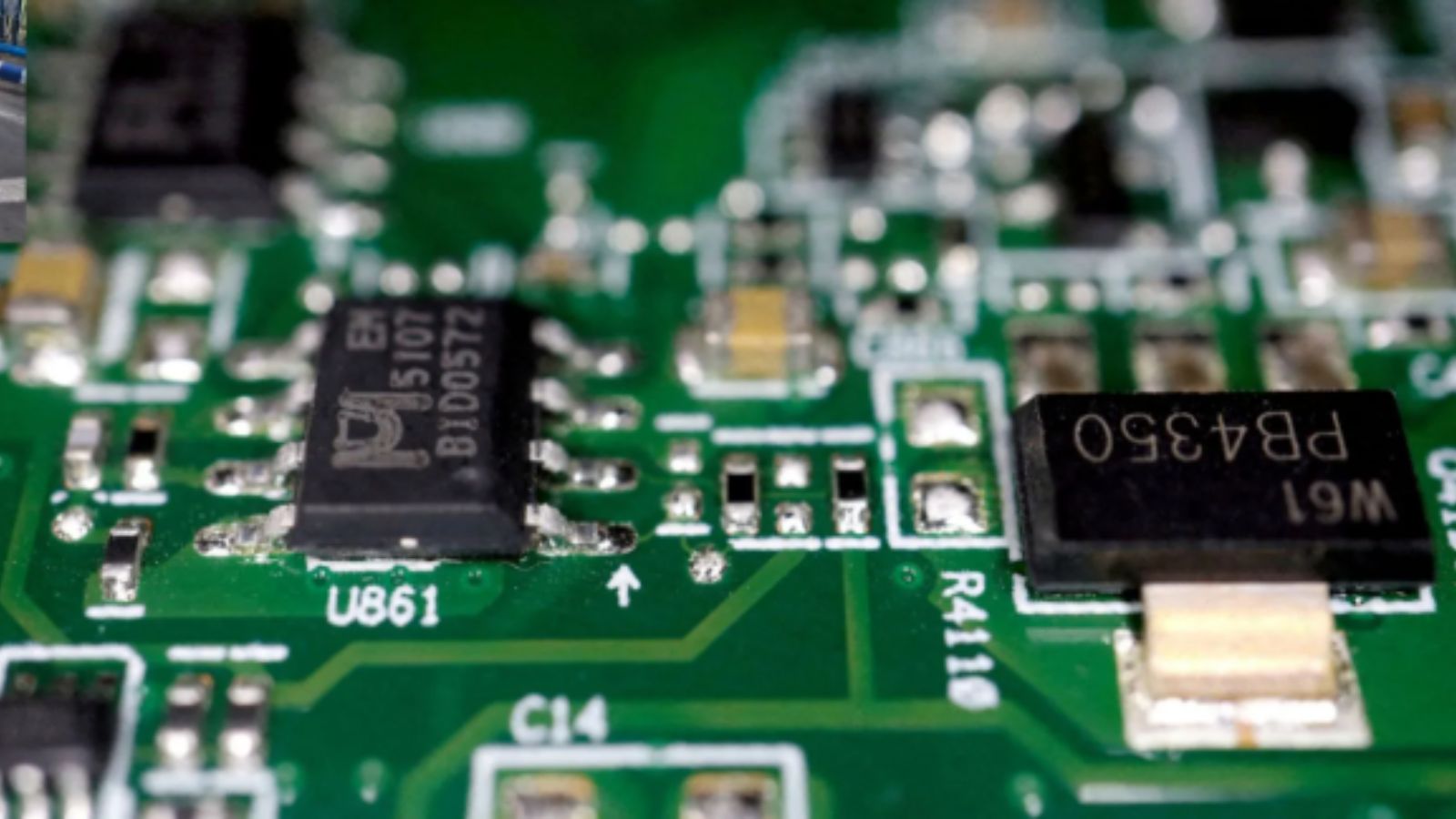
India Notifies Rs 1.27 Lakh Crore Semicon 2.0 Programme

India Notifies ₹1.27 Lakh-Crore Semicon 2.0 Semiconductor Expansion Scheme
Panel to Decide UPI MDR Charges Above ₹2,000 Soon
UPSC Key Tracks Talking Cars, Glaciers, Treaties And Growth
India Drawn Into Group K For FIFA U15 World Cup
India Offers Safeguards to Advance WTO Plurilateral Talks
India urges BRICS banking upgrades for local-currency trade

WTO warns trade wars and blocs could hurt every economy