4 hrs ago
WTO warns trade wars and blocs could hurt every economy

The World Trade Organization studied what could happen if countries put up more trade barriers.
A trade war happens when one country raises tariffs and others respond with their own tariffs.
This can make goods more expensive and disrupt supply chains.
The WTO says countries separating into competing trade groups could make the world economy smaller.
Poorer countries could be hurt especially badly.
The WTO also studied a future where countries cooperate more on trade.
In that case, the world could produce and sell more goods.
The report says global trade rules need to be updated while keeping countries working together.

A World Trade Organization report warns that escalating tariffs and trade fragmentation could reduce global economic output and exports.
If the global economy split into geopolitical blocs, global GDP could be 5.1% lower and exports 18.6% lower by 2050.
If the WTO were replaced by separate free-trade agreements, GDP could fall 6.9% and exports nearly 27%.
Least-developed countries could experience some of the largest losses from geopolitical trade fragmentation.
The WTO says stronger multilateral cooperation could increase global GDP by 2.9% and exports by almost 18% compared with fragmented scenarios.
- Who
- The World Trade Organization, its economists, Chief Economist Rob Staiger, and Director-General Ngozi Okonjo-Iweala.
- What
- The WTO published modelling on the economic costs of trade fragmentation, geopolitical blocs, and the potential benefits of stronger cooperation.
- Where
- The analysis concerns the global economy; WTO reform discussions have taken place in Yaoundé, Cameroon, and Geneva.
- When
- The report was published before the WTO’s planned global trade forecast update on October 8; the scenarios project outcomes by 2050.
- Why
- The WTO says tariffs, subsidies, export controls, industrial policies, geopolitical tensions, and disagreements over trade-rule reforms are putting the global trading system under strain.
Fragmentation risks
Multilateral cooperation
Trade agreements and economic effects
Fragmentation risks
Competing geopolitical blocs and selective regional agreements could divert trade, raise barriers for excluded countries, disrupt supply chains, and reduce global GDP and exports.
Multilateral cooperation
Regional and plurilateral agreements can complement the multilateral system when they support broader cooperation and stronger global trade rules.
Policy direction
Fragmentation risks
Governments may prioritize tariffs, subsidies, export controls, and industrial policies to pursue domestic or strategic goals, increasing trade-policy uncertainty.
Multilateral cooperation
The WTO argues that countries are better off cooperating through open, stable, and predictable rules rather than acting unilaterally.
Future of the WTO
Fragmentation risks
A failure to agree on reforms could contribute to a patchwork system and weaken the multilateral trading framework.
Multilateral cooperation
Members have resumed negotiations on decision-making, dispute settlement, subsidies, state intervention, and digital trade rules to adapt the system.
Key facts
- Geopolitical-bloc scenario
- Global GDP could be 5.1% lower and exports 18.6% lower by 2050 than under a more cooperative system.
- Free-trade-agreement scenario
- If the WTO were replaced by a patchwork of free-trade agreements, global GDP could fall 6.9% and exports nearly 27%.
- Cooperation scenario
- Stronger multilateral cooperation could raise global GDP by 2.9% and exports by almost 18% compared with fragmented scenarios.
- Current WTO trade coverage
- About 72% of global merchandise trade still uses WTO most-favoured-nation tariff terms, down from roughly 80% in 2022.
- WTO membership
- The World Trade Organization has 166 members.
- Poorest countries
- Least-developed countries could gain the most from stronger cooperation but also face some of the largest losses from geopolitical fragmentation.
- Next forecast
- The WTO is due to update its global trade forecasts on October 8.
Quotes
Rob Staiger
WTO Chief Economist
“The rules are under strain and they really are having an impact. And if things fell apart at the global multilateral level, our scenarios are saying these would be the costs, and those costs would be quite large,”
 livemint.com

Ngozi Okonjo-Iweala
WTO Director-General
“We have seen trade rules challenged on a scale unseen since multilateral institutions were created to underpin open, stable and predictable global trade in the wake of the Great Depression and the Second World War.”
livemint.com
Sources
Related news
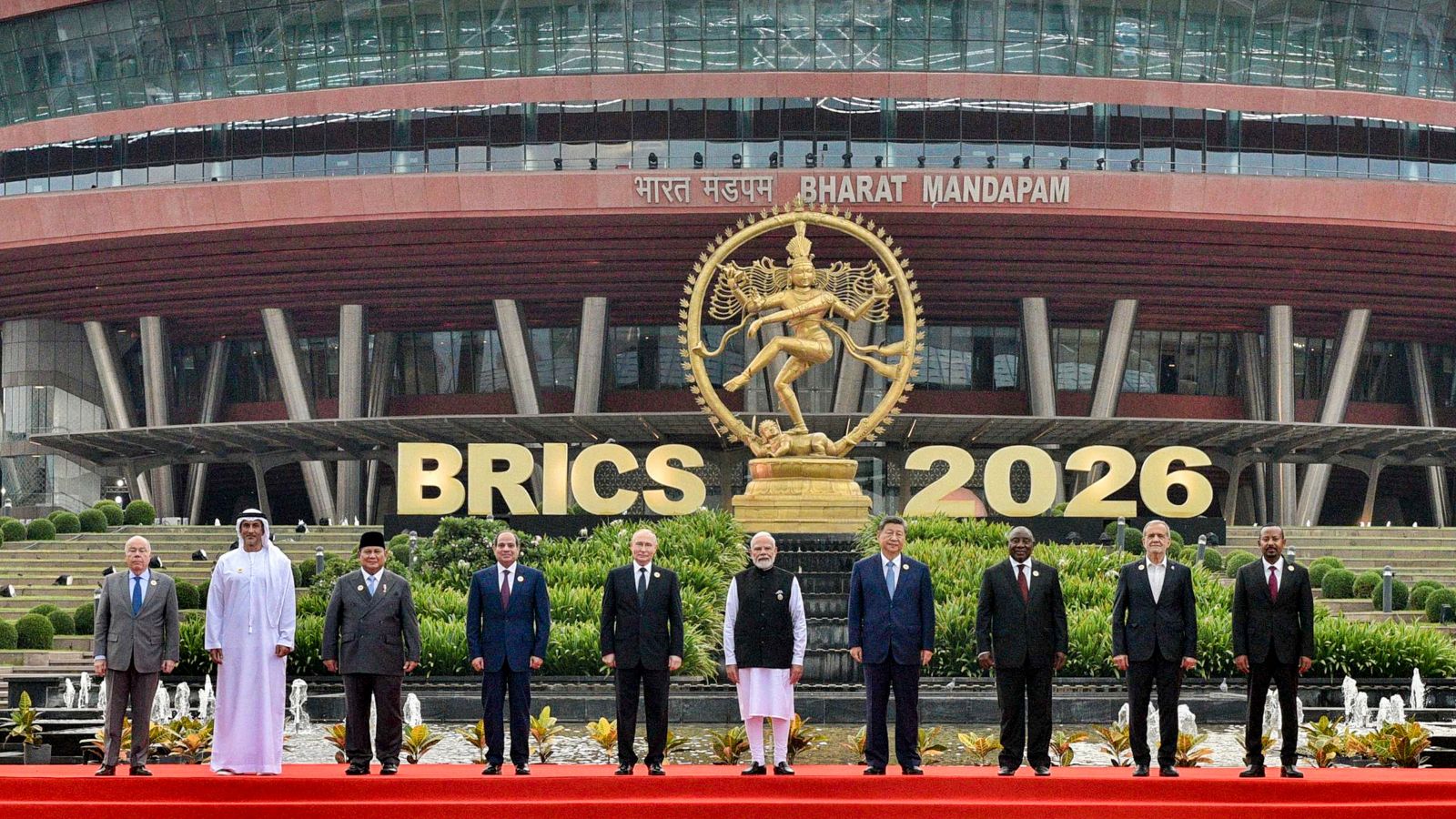
BRICS Condemns Unilateral Tariffs and Calls for WTO Reform

BRICS Adopts Delhi Declaration Criticizing Unilateral Tariffs
BRICS Pushes Local-Currency Trade and Payment Interoperability Amid Tariff Concerns
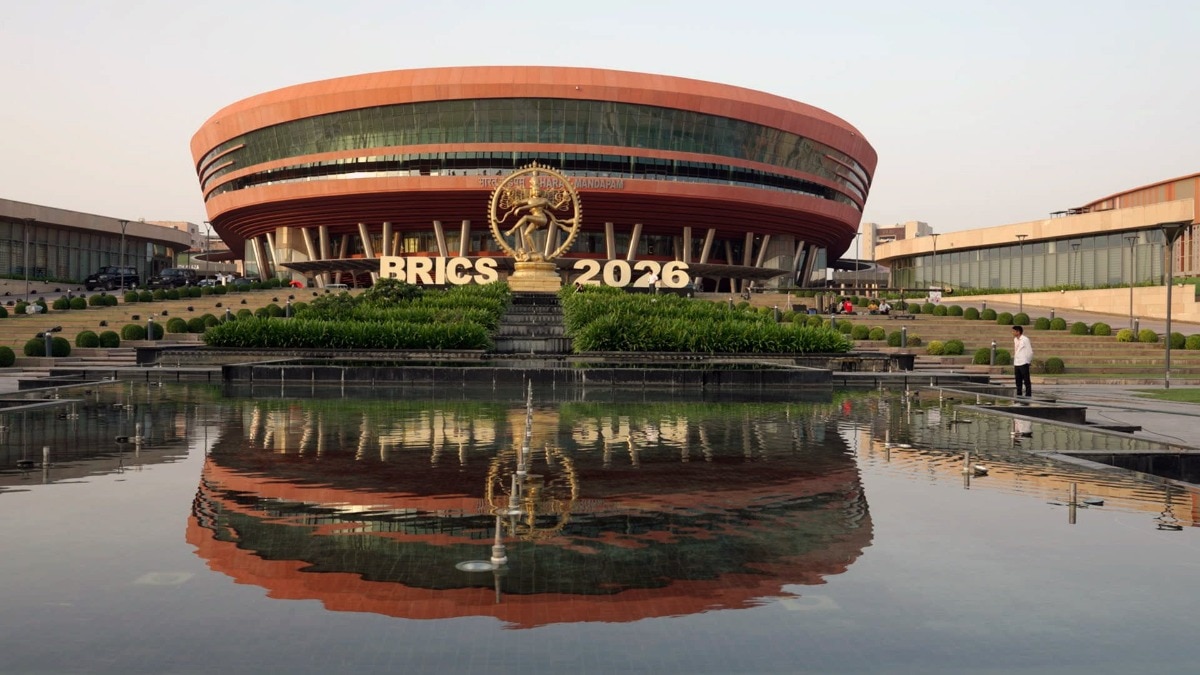
BRICS Declaration Flags Trade Barriers Amid Global Economic Tensions
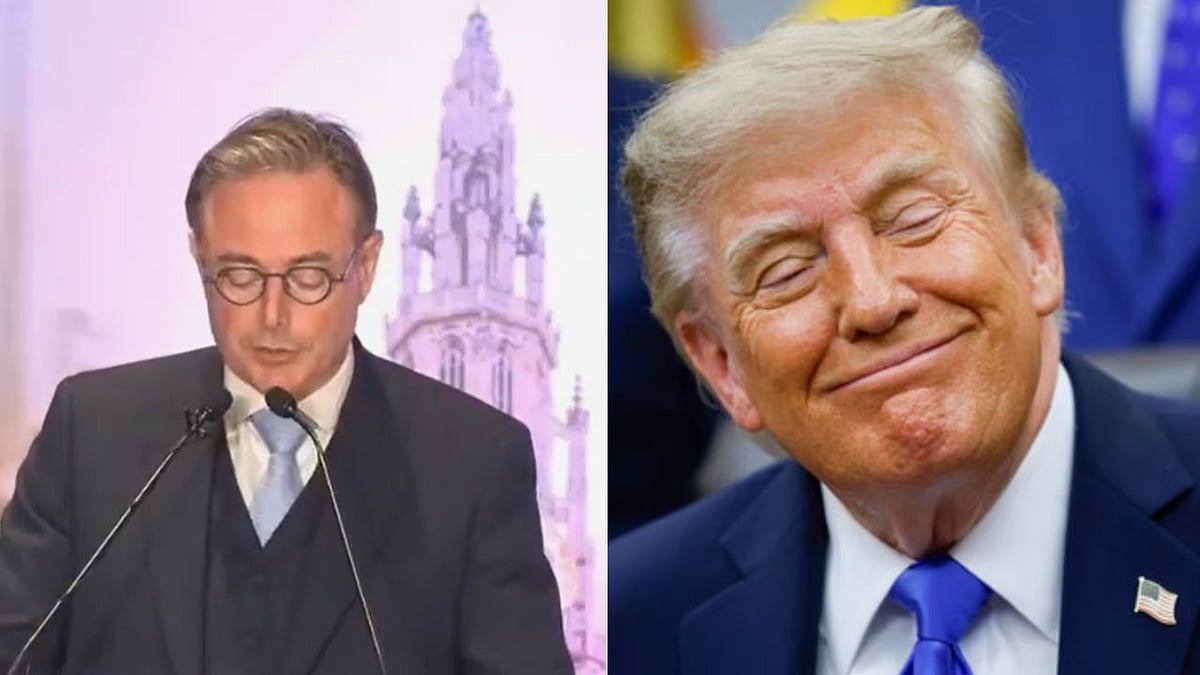
Belgian PM Criticizes Arbitrary Tariffs, Champions India-EU Trade Deal
BRICS Declaration Seeks Economic Leverage Beyond Dollar Dependence
India urges BRICS banking upgrades for local-currency trade
Seven Family Members Kidnapped in Suspected Cameroon Separatist Raid
Separatists impose weeklong lockdown in Cameroon's Anglophone regions

Andhra Pradesh MSMEs Seek Global Buyers and Export Deals