2 days ago
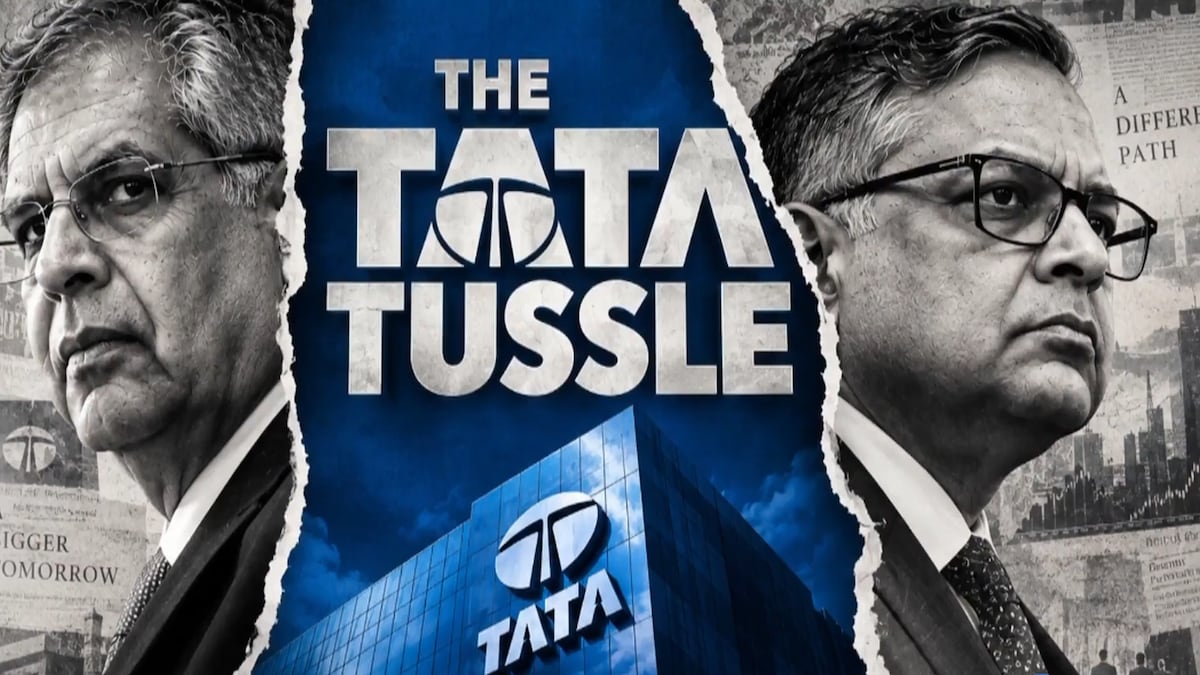
Tata Sons Governance Dispute Puts Philanthropic Legacy Under Pressure
The article describes a disagreement about how Tata Sons should be governed.
Tata Sons is a privately held company connected to several Tata charitable trusts.
The author says some directors and trustees are acting against the wishes of the company’s owner.
One major concern is a possible public listing of Tata Sons.
A listing could bring in outside shareholders who mainly want financial returns.
The author worries that this could weaken the charitable work supported by the Tata trusts.
The article recalls how Tata family members gave much of their wealth to public causes.
It argues that Tata’s traditions should be protected by those responsible for the group today.

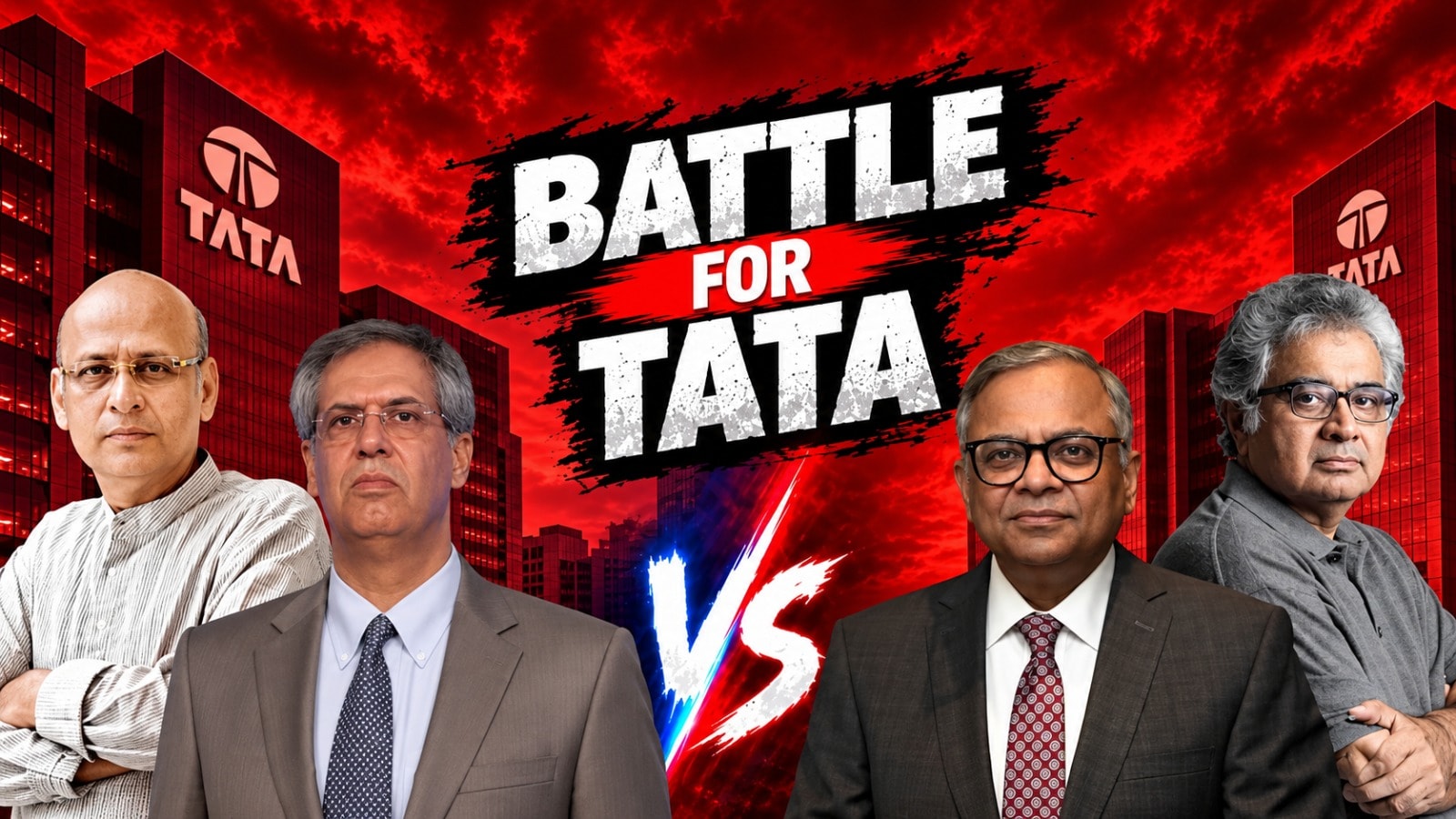
The author argues that Tata Sons’ board and Tata trust trustees are undermining the owner’s authority and the group’s traditional governance model.
A central dispute concerns whether Tata Sons, a privately held company, should be subjected to a public listing.
The author says a listing could introduce shareholders focused on financial returns, potentially conflicting with the trusts’ philanthropic objectives.
The article questions whether independent directors and trustees can act against the wishes of Tata Sons’ owner despite having no ownership stake.
It also criticizes recent trustee complaints and urges preservation of the Tata family’s legacy of philanthropy, corporate integrity, and nation building.
- Who
- The dispute involves Tata Sons’ board, independent directors, Tata trust trustees, the Tata family, and the company’s owner.
- What
- The article examines allegations that directors and trustees are challenging the owner’s authority and threatening Tata Sons’ traditional governance and philanthropic purpose.
- Where
- The dispute concerns Tata Sons and Tata charitable trusts in India; the article also mentions J.R.D. Tata’s burial at Père Lachaise Cemetery in Paris.
- When
- The article describes an ongoing dispute and refers to historical events involving Tata Sons, including Cyrus Mistry’s removal and earlier trust transactions.
- Why
- The author argues that a public listing and trustee or board actions could weaken the Tata trusts’ philanthropic objectives and the group’s established governance principles.
Key facts
- Company status
- Tata Sons is described as a privately held, unlisted company with a small number of shareholders.
- Central governance issue
- The article questions whether independent directors and trustees can override the wishes of the owner.
- Listing concern
- The author says a public listing could introduce shareholders whose return expectations might conflict with philanthropy.
- Historical purpose
- The Tata group’s founders are described as supporting nation building, industrial self-reliance, and wealth held in trust for stakeholders.
- Tata Sons origins
- Tata Sons was formed as a managing agency and later became a holding company after the managing agency system was abolished in 1970.
- Trustee complaints
- The article says complaints were filed with the Charity Commissioner, including one concerning an old family share transfer and another involving the Sir Dorab Tata Trust.
- Author
- Maneck Davar is identified as a veteran journalist and promoter of Spenta Multimedia.
Sources
Related news
Tata Sons Dispute: Writer Defends Family Control
Tata Sons Battle Tests Trust Control and Listing

Sharad Pawar Backs Tata Trusts Amid Leadership, Listing Row
Tata Listing Dispute Emerges as Core Issue in Trusts Row
Tata Trusts Urge Tata Sons To Explore Alternatives To Listing
Sharad Pawar Backs Tata Trusts in Governance Dispute
Tata Sons Board Battle Could Avoid Years of Litigation

Tata Sons Board Fight Deepens Over Leadership and Listing
Tata Sons Reappointment Vote Triggers Article 121 Legal Dispute
Tata Sons Board Revolt Puts Leadership and Listing Under Strain