1 hr ago
Tata Listing Dispute Emerges as Core Issue in Trusts Row
Tata Sons is the main company connected to many Tata businesses.
Its board decided to keep N Chandrasekaran as chairman.
Noel Tata, who leads Tata Trusts, voted against that decision.
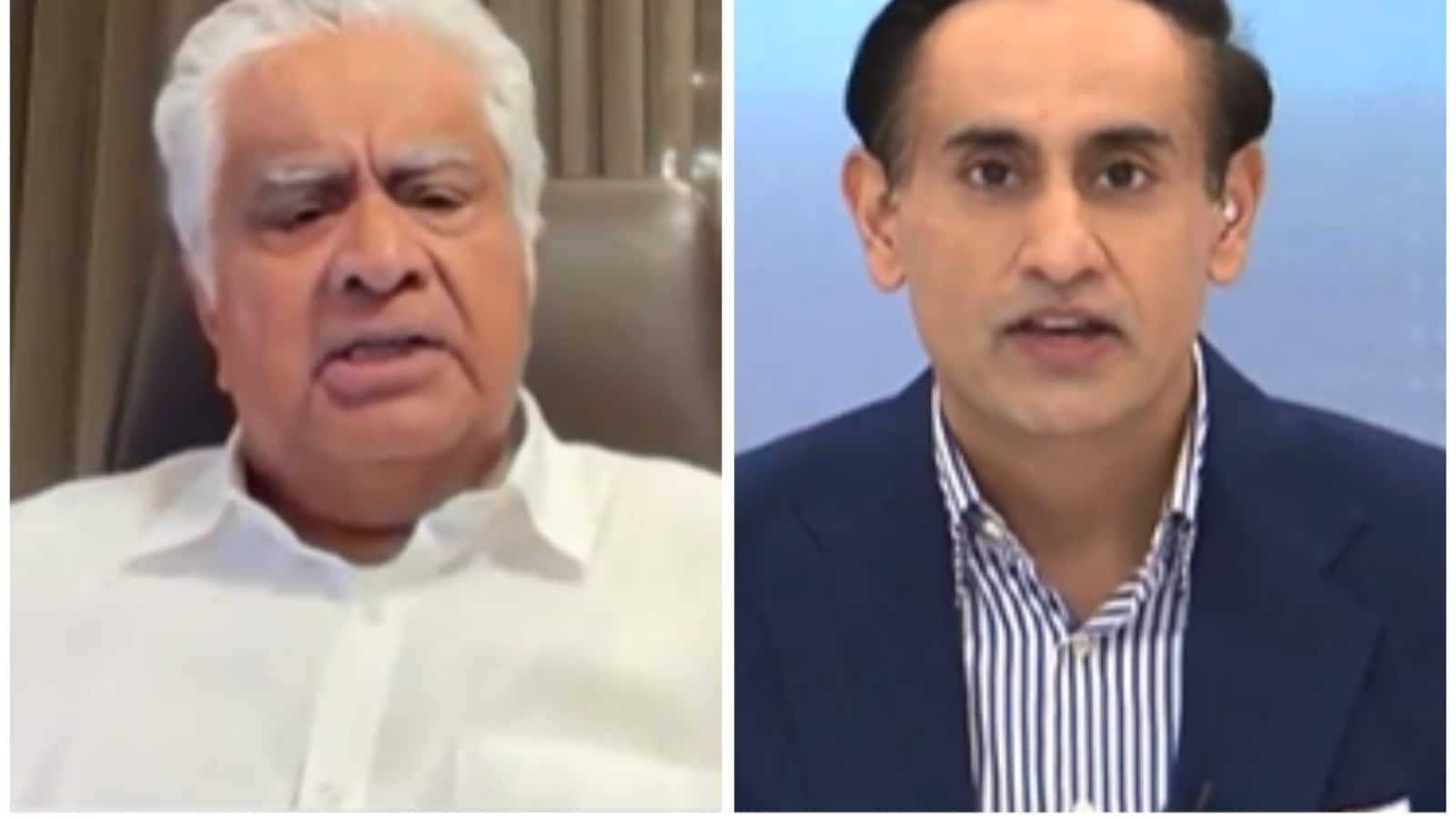
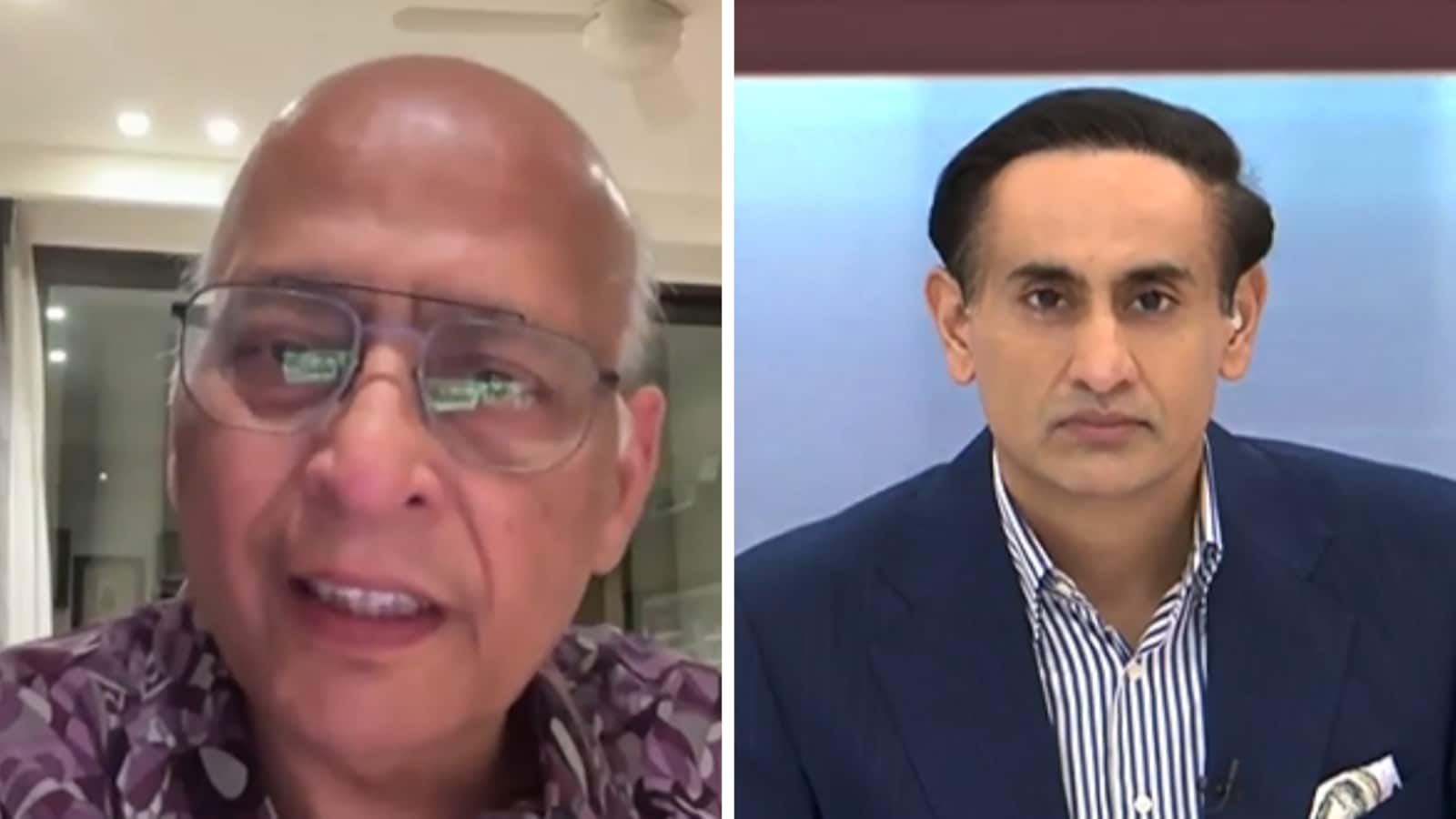
Harish Salve says the bigger disagreement is about whether Tata Sons must become a publicly traded company.
Tata Trusts owns about 66% of Tata Sons and opposes the listing.
Salve says the Reserve Bank of India has ordered Tata Sons to list because of its financial classification.
Abhishek Manu Singhvi says the listing could affect the Tata group's special charitable structure.
Salve says Tata Sons should make money, while the trusts use their share of the proceeds for charity.
The two sides therefore disagree about regulation, control, and the Tata group's philanthropic model.

Senior advocate Harish Salve said the central dispute is Tata Sons' required public listing, not N Chandrasekaran's reappointment.
Salve said Tata Trusts opposes the listing, while the Reserve Bank of India has directed Tata Sons to list.
Tata Sons' board recently approved Chandrasekaran's reappointment, despite Noel Tata voting against it.
Tata Trusts owns about 66% of Tata Sons and says the group's philanthropic structure and legacy are at stake.
Salve questioned the Reserve Bank of India's regulatory reasoning and warned that a listing could affect Tata Sons' governance and ownership.
- Who
- Tata Trusts, Tata Sons, N Chandrasekaran, Noel Tata, Harish Salve, and the Reserve Bank of India are central to the dispute.
- What
- The dispute concerns Tata Sons' proposed public listing, Chandrasekaran's reappointment as chairman, and the future governance and philanthropic structure of the Tata group.
- Where
- The dispute concerns Tata Sons and Tata Trusts, and was discussed in interviews with NDTV.
- When
- The issue is ongoing; Tata Sons' board approved Chandrasekaran's reappointment last week, according to the reports.
- Why
- Tata Trusts opposes the listing, while Salve says the Reserve Bank of India has required it after classifying Tata Sons as an upper-layer non-banking financial company.
Tata Trusts' Perspective
Harish Salve's Perspective
Whether listing should proceed
Tata Trusts' Perspective
Tata Trusts opposes Tata Sons becoming publicly listed and has objected to the direction requiring it.
Harish Salve's Perspective
Harish Salve said Tata Sons must list if the Reserve Bank of India directs it, regardless of shareholder opposition.
Impact on philanthropy
Tata Trusts' Perspective
Abhishek Manu Singhvi said the Tata group's distinctive structure channels value through Tata Trusts to hospitals, universities, scholarships, and research.
Harish Salve's Perspective
Salve said Tata Sons is not itself a philanthropic company; its purpose is to generate returns for the trusts to use for philanthropy.
Focus of the dispute
Tata Trusts' Perspective
Tata Trusts' opposition centers on broader questions of the group's legacy, ethics, ownership, governance, and control, alongside its disagreement with Chandrasekaran's reappointment.
Harish Salve's Perspective
Salve said attention has been shifted to the chairman's reappointment, while the real issue is Tata Trusts' opposition to the required listing.
Key facts
- Tata Trusts' stake
- Approximately 66% of Tata Sons.
- Chairman decision
- Tata Sons' board passed a resolution reappointing N Chandrasekaran.
- Vote
- Noel Tata voted against Chandrasekaran's reappointment.
- Regulatory classification
- Tata Sons was classified as an upper-layer non-banking financial company by the Reserve Bank of India.
- Listing position
- Harish Salve said Tata Trusts opposes the listing and that Tata Sons has no choice if the Reserve Bank of India requires it.
- Valuation cited
- Salve estimated Tata Sons at approximately $20 billion-$25 billion and described the Tata group as valued at about $270 billion.
- Potential listing effect
- Salve said a listing could allow Tata Steel to monetize its Tata Sons stake or rely on dividends to service debt.
Quotes

Abhishek Manu Singhvi
Senior advocate advising Tata Trusts and Noel Tata
“He created this Tata Trust as a "set of philanthropic trusts who then have 66 odd per cent as a shareholder-owner of Tata Sons, which in turn controls and runs a series of Tata operating companies, each of which is gigantic-Tata Motors, Tata Steel, etc,”
 NDTV
NDTV
“Tata Sons is not a philanthropic company. Tata Sons is supposed to make as much money as it can so that the Trusts get as much money as they can for philanthropy. Philanthropy is at the Trusts. It is not at the Tata Sons stage,”
NDTV
Sources

Related news
Tata Sons Battle Tests Trust Control and Listing

Harish Salve Backs Tata Sons Listing Amid Governance Dispute

Tata Sons Standoff Pits Trusts Against Management and Regulation
Tata Sons Board Approves Listing, Reappoints Chandrasekaran Amid Trusts Dispute
Tata Sons Leadership Rift Deepens Over Control and Listing
Tata Sons Board Weighs RBI Listing and Chandrasekaran’s Future
Tata Trusts Lawyer Challenges Tata Sons Board Reappointment Decision
ECI Says SIR Notices Do Not Mean Voter Deletion
Tata Trusts Challenge Chandrasekaran Reappointment as Court Battle Looms

Mehli Mistry Rejects TEDT Funding for Tata Legal Dispute