2 hrs ago
Tata Sons Board Vote Sparks Article 121 Legal Puzzle
Tata Sons has a board that makes important company decisions.
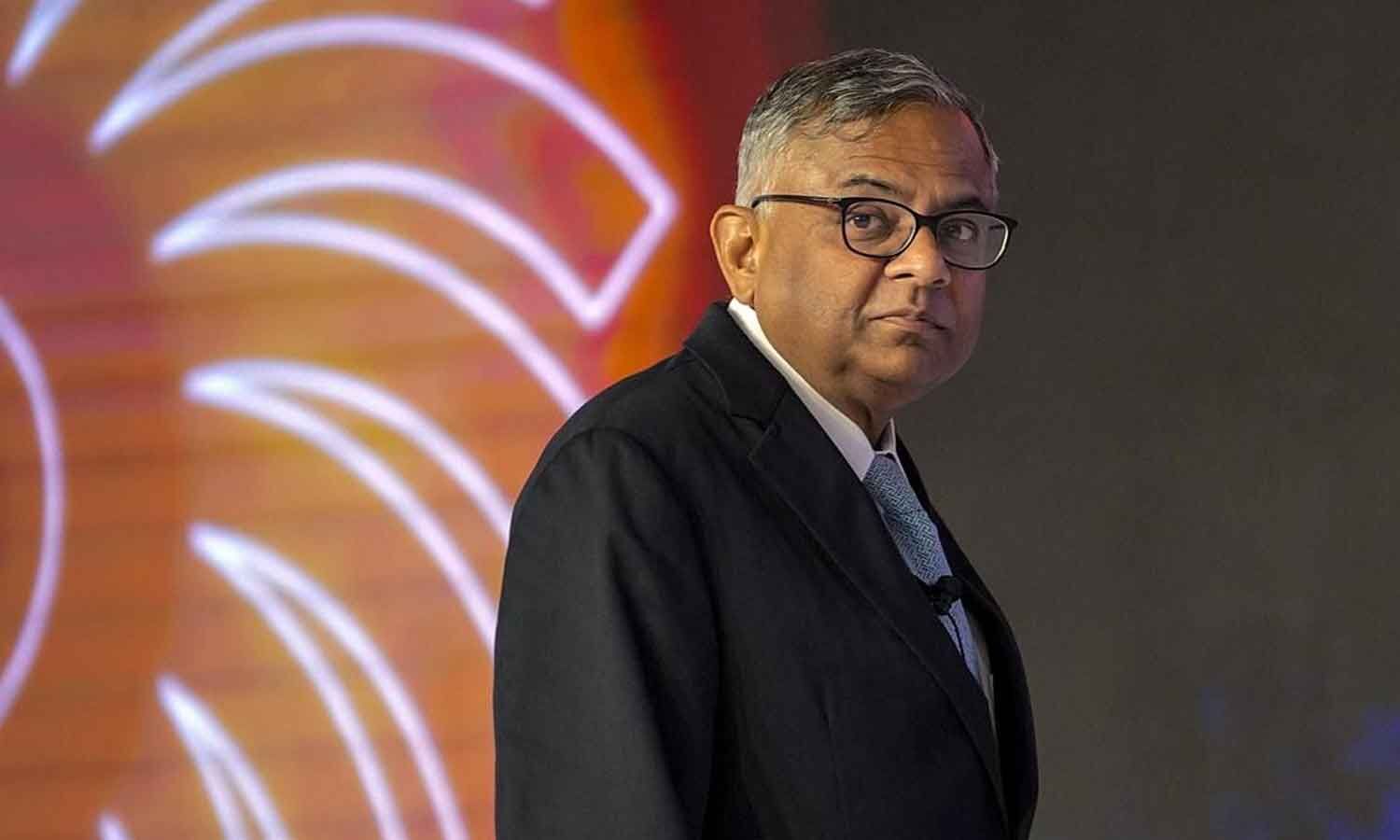
The board voted four to one to reappoint N Chandrasekaran as its executive chairman.
Two board members were chosen by Tata Trusts, which owns about 66% of Tata Sons.
One Trust nominee voted for Chandrasekaran and the other voted against him.
Tata Trusts says the company’s rules require enough support from both Trust nominees, so the decision should not count.
Tata Sons says the overall board majority was enough because four directors supported the proposal.
Two senior lawyers have offered opposite interpretations of the rules.
A court may eventually decide what Article 121 means when the two Trust nominees disagree.

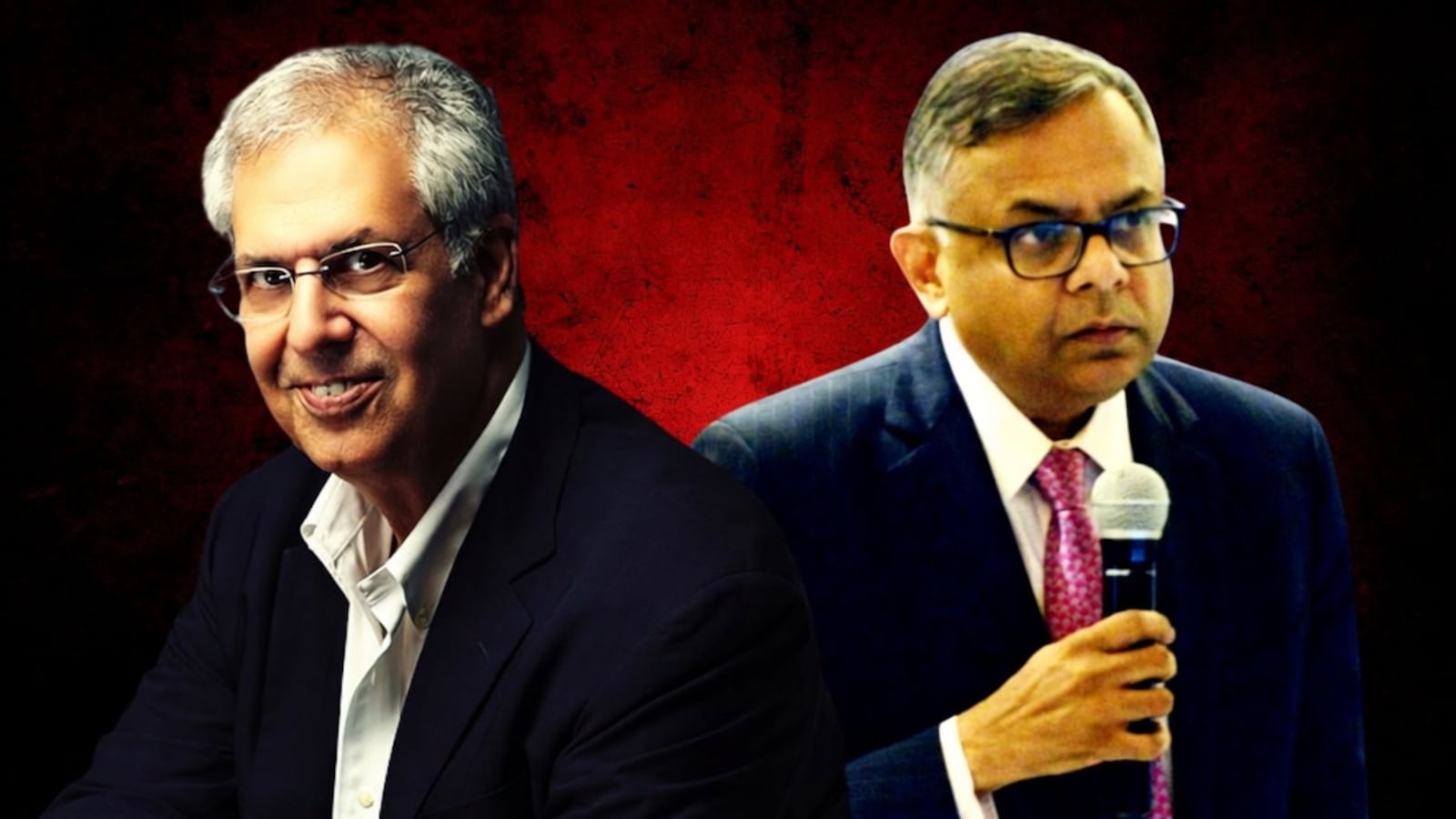
The Tata Sons board voted 4-1 to reappoint N Chandrasekaran as executive chairman.
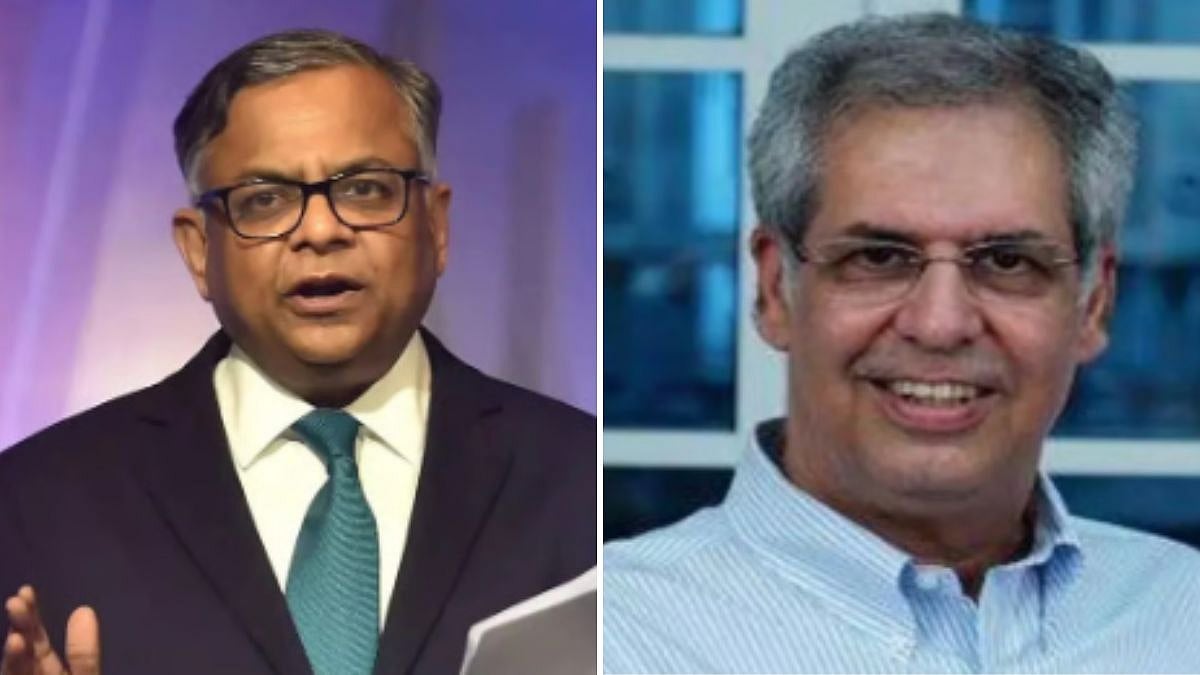
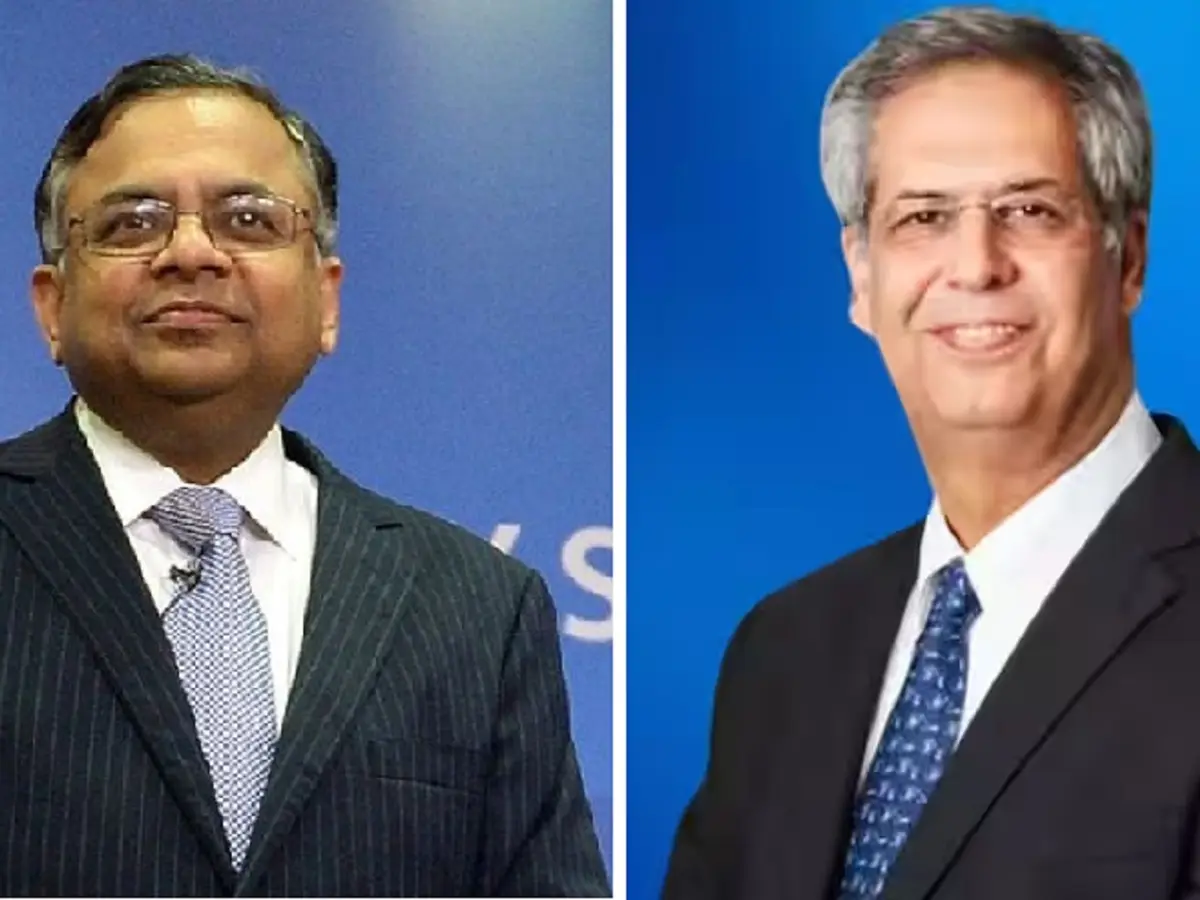
Tata Trusts nominees Venu Srinivasan and Noel Tata split their votes, 1-1.
Tata Trusts argues Article 121 requires majority approval among its two nominees, so the resolution failed.
Tata Sons maintains that one supportive Trust nominee, combined with the full board’s 4-1 majority, was sufficient.
The 2021 Supreme Court judgment upheld the Trusts’ affirmative rights but did not address a 1-1 split between two nominees.
- Who
- The Tata Sons board, N Chandrasekaran, Tata Trusts nominees Venu Srinivasan and Noel Tata, and lawyers Abhishek Manu Singhvi and Harish Salve.
- What
- A dispute has emerged over whether Chandrasekaran’s 4-1 reappointment vote was valid after the two Tata Trusts nominees split 1-1.
- Where
- The issue concerns the Tata Sons board and could be considered by Indian courts.
- When
- The disputed vote occurred in connection with Chandrasekaran’s reappointment; the related Supreme Court judgment was issued in 2021.
- Why
- The parties disagree over how Article 121 should be applied when the full board approves a resolution but the two Trust-nominated directors do not agree.
Tata Trusts’ Interpretation
Tata Sons’ Interpretation
Meaning of Article 121
Tata Trusts’ Interpretation
Article 121 creates two separate requirements: a majority of the full board and a majority of the Trust-nominated directors. With a 1-1 split, the second requirement was not met.
Tata Sons’ Interpretation
The 4-1 full-board vote demonstrated clear support for the resolution, and the support of one Trust nominee was sufficient when combined with that majority.
Effect of the Mistry judgment
Tata Trusts’ Interpretation
Tata Sons previously defended the Trusts’ affirmative rights in the Cyrus Mistry litigation, and the Trusts argues those rights cannot be disregarded when inconvenient.
Tata Sons’ Interpretation
The 2021 judgment confirmed that affirmative rights are valid but did not determine how votes should be calculated when two Trust nominees disagree.
Governance and veto power
Tata Trusts’ Interpretation
Requiring the specified Trust-nominee support is not paralysis; it applies the company’s binding Articles as written and protects the Trusts’ governance role.
Tata Sons’ Interpretation
Requiring both nominees to agree could allow one individual to block a proposal supported by the rest of the board, potentially undermining effective management of a global institution.
Key facts
- Board vote
- Four of five participating directors voted for Chandrasekaran’s reappointment; one voted against.
- Trust nominees
- Venu Srinivasan voted for the reappointment, while Noel Tata voted against it.
- Tata Trusts ownership
- Tata Trusts collectively owns about 66% of Tata Sons.
- Relevant provision
- Article 121 requires matters approved by a majority of Tata Sons directors to also receive affirmative support from a majority of Trust-nominated directors.
- Tata Trusts’ position
- Because the two nominees split 1-1, Tata Trusts says the required majority among them was absent.
- Tata Sons’ position
- Tata Sons says one supportive Trust nominee, together with the full board’s majority, was sufficient.
- Earlier court ruling
- The Supreme Court’s 2021 Cyrus Mistry judgment upheld the validity of the Trusts’ affirmative voting rights but did not address a two-nominee tie.
Sources
Related news
Tata Trusts Challenge Chandrasekaran Reappointment as Court Battle Looms
Tata Trusts Challenge Chandrasekaran Reappointment Over Voting Rules
Tata Trusts Weighs Legal Challenge to Chandrasekaran Reappointment
Tata Sons Board Split Over Chandrasekaran’s Five-Year Extension
Tata Sons Governance Dispute Puts Voting Powers Under Scrutiny
Tata Sons Reappoints Chandrasekaran as Trusts Call Vote Illegal
Delhi CEO Clarifies SIR Notices Do Not Mean Voter Deletion

Tata Stocks Face Governance Risk as Trusts-Sons Dispute Escalates

Who Is Abhishek Manu Singhvi, Tata’s Lawyer Turned Adversary?