

1 day ago
Tata Sons Dispute: Writer Defends Family Control
Tata Trusts owns about two-thirds of Tata Sons.
The writer says that ownership should give the trusts strong control over important decisions.
He criticizes the Tata Sons board for voting against the majority owner.
He also says Noel Tata should be allowed to change the board’s rules and membership.
Some people argue that Tata Sons should be run by independent professionals or listed publicly.
The writer disagrees and says the company is financially strong, with no borrowings and nearly Rs 30,000 crore in profit.
He compares the dispute with a 2025 disagreement at Novo Nordisk, where a controlling foundation changed the board.
The article presents the case for family and trust control, rather than a public listing.

The writer argues Tata Trusts’ two-thirds ownership should give it decisive influence over Tata Sons.
The article criticizes the board’s vote against the majority owner as a corporate-governance failure.
It says Noel Tata should be able to change the board and Tata Sons’ Articles of Association.
The writer rejects claims that Tata Sons poses systemic risk, citing its zero borrowings and nearly Rs 30,000 crore in net profit.
The article compares the dispute with the Novo Nordisk Foundation’s 2025 board overhaul, while arguing against forcing Tata Sons to list publicly.
- Who
- Tata Trusts, Tata Sons, Noel Tata, and the Tata Sons board.
- What
- A commentary argues that Tata Trusts’ majority ownership should prevail in a dispute over Tata Sons’ governance and leadership.
- Where
- The Tata Sons dispute is in India; the comparison concerns Novo Nordisk in Denmark.
- When
- The article discusses a current dispute and cites a Novo Nordisk board dispute in 2025.
- Why
- The writer argues that Tata Trusts’ two-thirds ownership entitles it to influence the company’s board and governance, and that public listing is not justified by systemic-risk concerns.
Majority-owner control
Board independence and public listing
Who should control Tata Sons?
Majority-owner control
The writer argues that Tata Trusts’ two-thirds ownership should determine the company’s direction and that Noel Tata should be able to reshape its board.
Board independence and public listing
The article describes opposing commentary that favors independent board judgment and professional management of Tata Sons.
Should Tata Sons be publicly listed?
Majority-owner control
The writer says a listing is unjustified, arguing that Tata Sons has no borrowings and substantial profits, unlike debt-heavy IL&FS.
Board independence and public listing
The article refers to arguments that Tata Sons’ size and systemic importance warrant a public listing, though it does not set out a detailed case for that position.
Key facts
- Tata Trusts’ ownership
- The article says Tata Trusts owns two-thirds of Tata Sons.
- Tata Sons borrowings
- The writer says Tata Sons has zero borrowings.
- Tata Sons net profit
- The article cites net profit close to Rs 30,000 crore.
- IL&FS debt comparison
- The article cites IL&FS debt of about Rs 90,000 crore and argues Tata Sons could repay a comparable amount in three years or less.
- Novo Nordisk board departures
- The article says chair Helge Lund and six independent directors stepped down in October 2025.
- Novo Nordisk EGM
- The article says the foundation used its voting majority at a November 14, 2025 EGM to approve new independent directors and install Lars Rebien Sørensen as chair.
Sources
Related news
Tata Sons Governance Dispute Puts Philanthropic Legacy Under Pressure
Tata Sons Battle Tests Trust Control and Listing
Tata Sons Board Revolt Puts Leadership and Listing Under Strain
Tata Dispute Prompts Indian Companies to Reassess Shareholder Rights
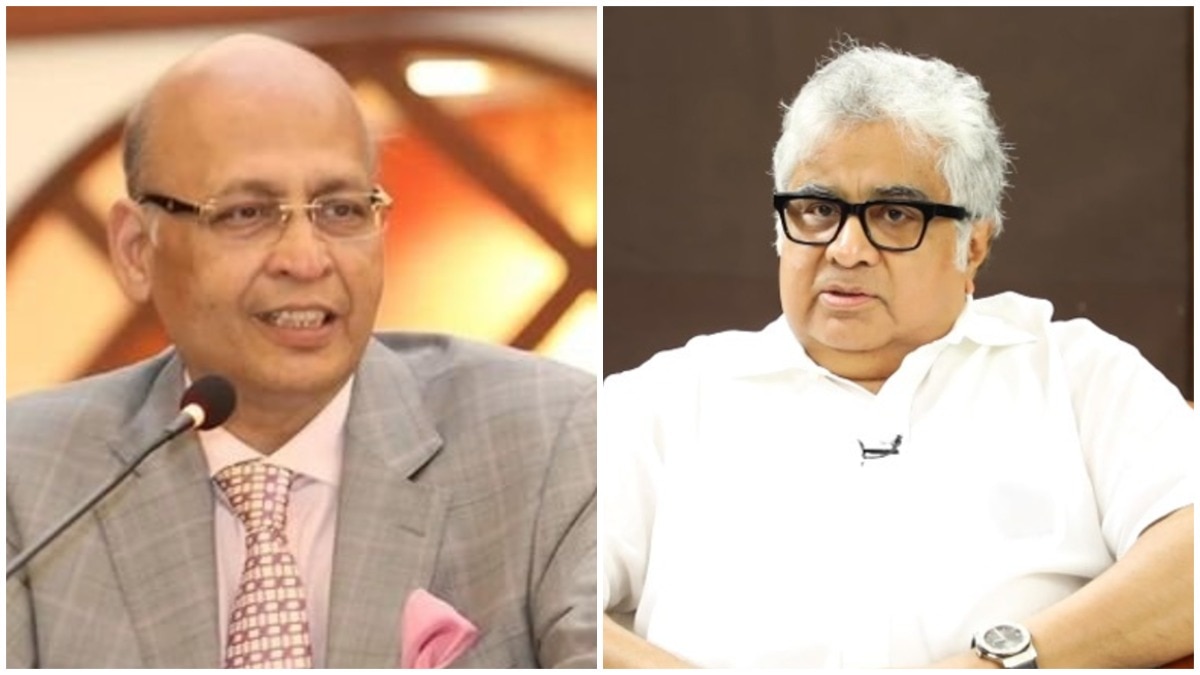
Tata Sons Board and Trusts Clash Over Chandrasekaran’s Future

Sharad Pawar Backs Tata Trusts Amid Leadership, Listing Row
