

2 hrs ago
Tata Sons Board Battle Could Avoid Years of Litigation
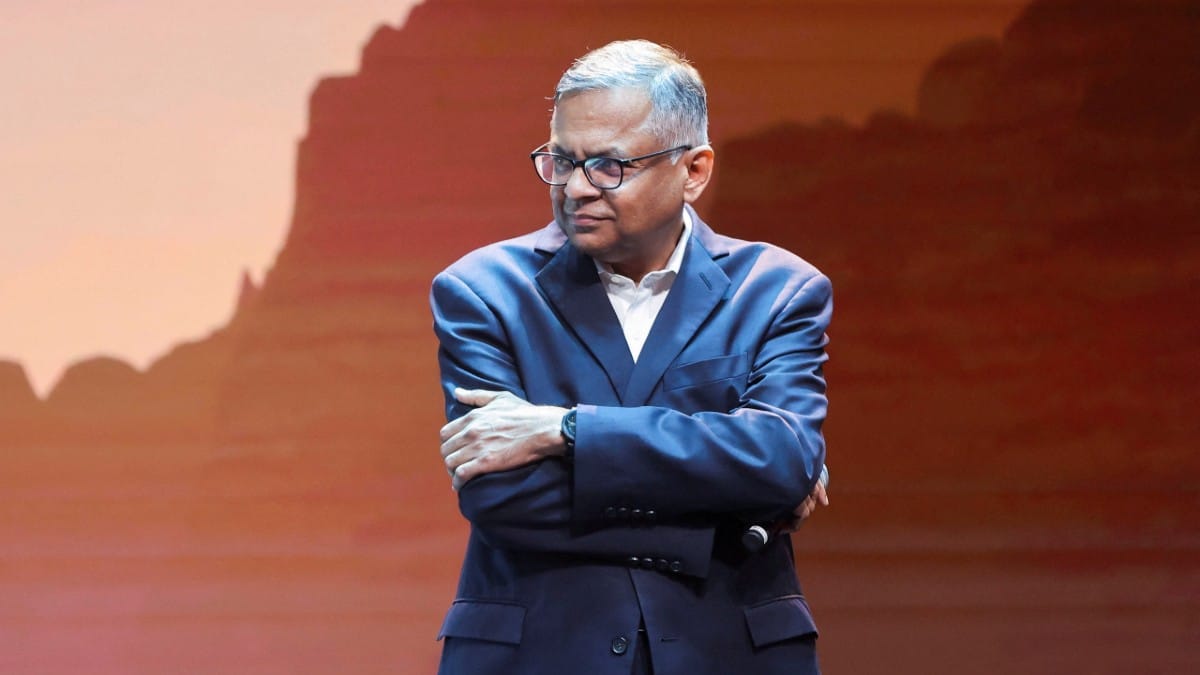
Tata Sons is the company that sits at the top of the Tata group.
Its board voted to give N Chandrasekaran another term as executive chairman.
Two directors representing Tata Trusts disagreed, with Venu Srinivasan voting for him and Noel Tata voting against him.
The disagreement is about how to read a rule in Tata Sons’ articles of association.
That rule may allow the chairman to break a tied vote.
The sides could take the matter to court, but Indian company cases often take many years.
The earlier dispute involving Cyrus Mistry lasted about four and a half years.
The authors say the parties might settle the issue themselves and create clearer rules for future leadership changes.
They warn that prolonged uncertainty could affect decisions, investors, employees, lenders, and business partners across the Tata group.

Tata Sons’ board voted 4:1 to reappoint N Chandrasekaran as executive chairman, while Tata Trusts nominees split their votes.
The immediate dispute centers on whether Article 121 allowed the chairperson to use a casting vote after the Trusts nominees disagreed.
Indian shareholder litigation is often lengthy: about 51% of NCLT oppression and mismanagement cases remain pending after five years.
Earlier Tata Sons litigation involving Cyrus Mistry lasted from 2016 until the Supreme Court’s judgment in March 2021.
The authors argue Tata Sons should consider negotiating a governance solution rather than allowing uncertainty to continue through the courts.
- Who
- Tata Sons’ board, Tata Trusts’ nominee directors, N Chandrasekaran, and other stakeholders in the Tata group.
- What
- A dispute over Chandrasekaran’s reappointment and the interpretation of Tata Sons’ Article 121.
- Where
- At Tata Sons, with any legal dispute potentially proceeding through Indian courts and company-law tribunals.
- When
- The board vote occurred recently; the earlier Cyrus Mistry litigation ran from October 2016 to March 2021.
- Why
- The parties disagree about Tata Trusts’ role in governance and whether the chairman could use a casting vote to resolve the nominees’ split decision.
Negotiated settlement
Court litigation
How to resolve the dispute
Negotiated settlement
Tata Sons and Tata Trusts could agree on how Article 121 applies, settle the succession issue, and clarify the rules for future leadership changes.
Court litigation
The parties may seek an authoritative judicial decision if they cannot agree on the legal meaning and application of Article 121.
Expected consequences
Negotiated settlement
A negotiated agreement could provide certainty sooner and avoid years of appeals, interim applications, and uncertainty for the Tata group.
Court litigation
Litigation can determine legal rights when voluntary agreement is impossible, although the article says it often generates further litigation and may not quickly resolve uncertainty.
Governance interpretation
Negotiated settlement
The settlement approach allows the parties to establish a practical process without either side admitting that its interpretation of Article 121 was wrong.
Court litigation
The board’s position is reflected in the 4:1 reappointment vote, while Noel Tata’s opposing vote highlights the disagreement over the Trusts’ nominee approval and the chairman’s casting vote.
Key facts
- Board vote
- Tata Sons’ board voted 4:1 to reappoint N Chandrasekaran as executive chairman.
- Tata Trusts ownership
- Tata Trusts collectively own nearly 66% of Tata Sons.
- Disputed provision
- Article 121 requires an affirmative majority from Tata Trusts’ nominee directors for certain board decisions and addresses tied votes.
- NCLT case data
- 5,491 oppression and mismanagement cases have been filed before the NCLT since 2020.
- Pending cases
- About 51% of such NCLT cases remain pending after five years.
- Earlier Tata dispute
- The Cyrus Mistry litigation ended with a Supreme Court judgment in March 2021.
- Settlement rate
- In a separate dataset of disposed NCLT cases, 41.7% were settled and 18.7% were withdrawn.
Sources
Related news
Tata Sons Board and Trusts Clash Over Chandrasekaran’s Future
Tata Dispute Prompts Indian Companies to Reassess Shareholder Rights
Tata Sons Board Reappoints Chandrasekaran Amid Trusts Challenge
Tata Trusts Challenge Chandrasekaran Reappointment as Court Battle Looms
Tata Sons Board, Trusts Face Protracted Chairman and IPO Battle
Singhvi Takes Tata Trusts Dispute Toward Legal Resolution
Ujjain Mosque Protest Turns Violent as Courts Set Key Deadlines

Supreme Court Seeks Centre Response on Bose Ashes Plea
Supreme Court Ends Action Over ‘Cockroach Janta Party’ Protest Notice
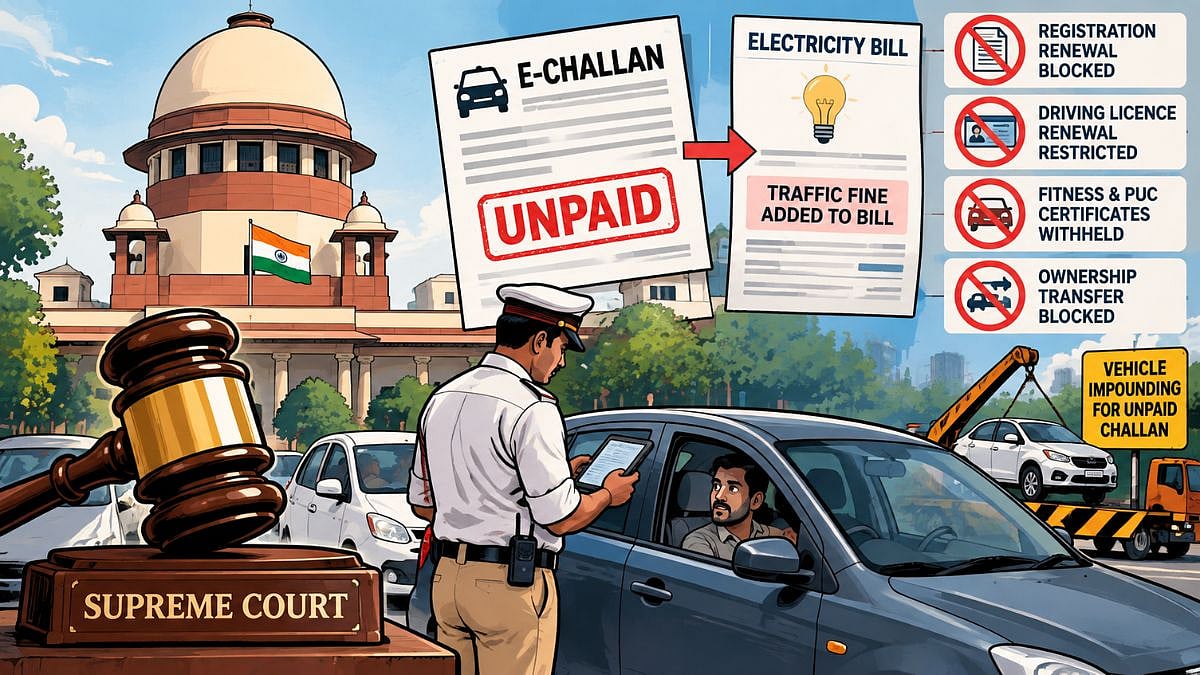
Supreme Court Suggests Stronger Measures To Recover Unpaid Traffic Fines

Supreme Court Seeks UP Response Over Greater Noida Bus Fire