

5 hrs ago
Bank of England Holds Rates at 3.75% Amid Energy Shock
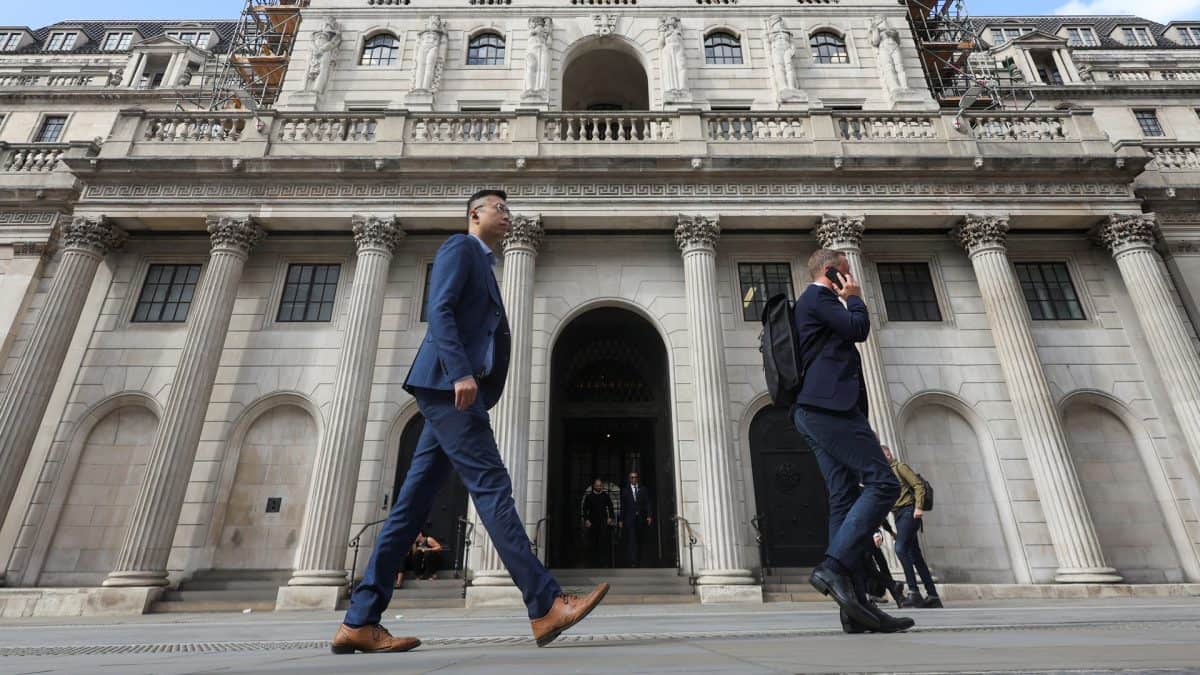
The Bank of England decided not to change its main interest rate.
The rate will stay at 3.75 percent.
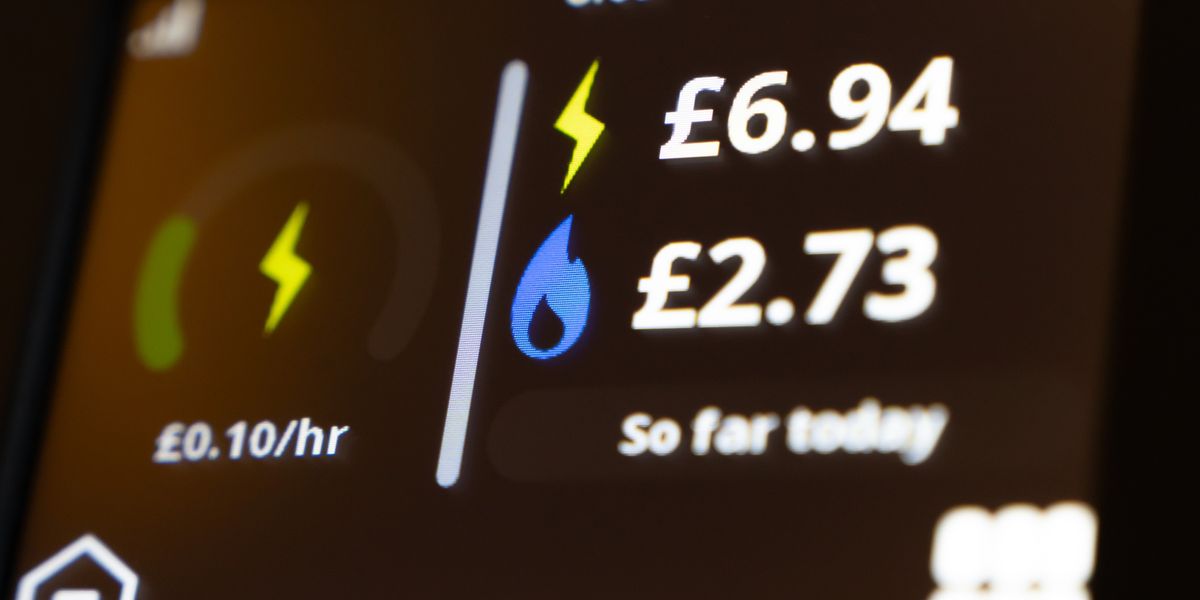
Energy prices are rising because of fighting involving Iran.
More expensive energy can make everyday goods and bills cost more.
This could make inflation rise again.
At the same time, the UK jobs market is becoming weaker.
The Bank must try to control prices without hurting jobs and businesses too much.
It will continue watching inflation, energy prices, and employment.

The Bank of England kept its benchmark interest rate unchanged at 3.75%.
The Monetary Policy Committee’s decision matched financial market expectations.
Rising energy costs linked to the Iran war are renewing inflation concerns.
A weakening UK jobs market is complicating decisions over future interest rates.
Higher energy and borrowing costs could increase pressure on households and businesses.
- Who
- The Bank of England’s Monetary Policy Committee made the decision.
- What
- The Bank held its benchmark interest rate at 3.75%.
- Where
- The United Kingdom, amid unsettled global markets and fighting in the Middle East.
- When
- At its latest meeting; the article does not give a specific date.
- Why
- Policymakers are balancing renewed inflation risks from higher energy costs against weakness in the UK labour market.
Key facts
- Interest rate
- 3.75%
- Decision
- Rate held unchanged
- Decision-maker
- The Bank of England’s Monetary Policy Committee
- Market expectation
- Financial markets had largely expected rates to remain steady
- Inflation risk
- Higher energy prices could feed into broader inflation
- Labour market
- The UK jobs market is showing signs of weakness
- Household impact
- Sustained energy increases could revive cost-of-living pressures
Sources
Related news

UK Inflation Rises to 2.9% as Energy Bills Climb
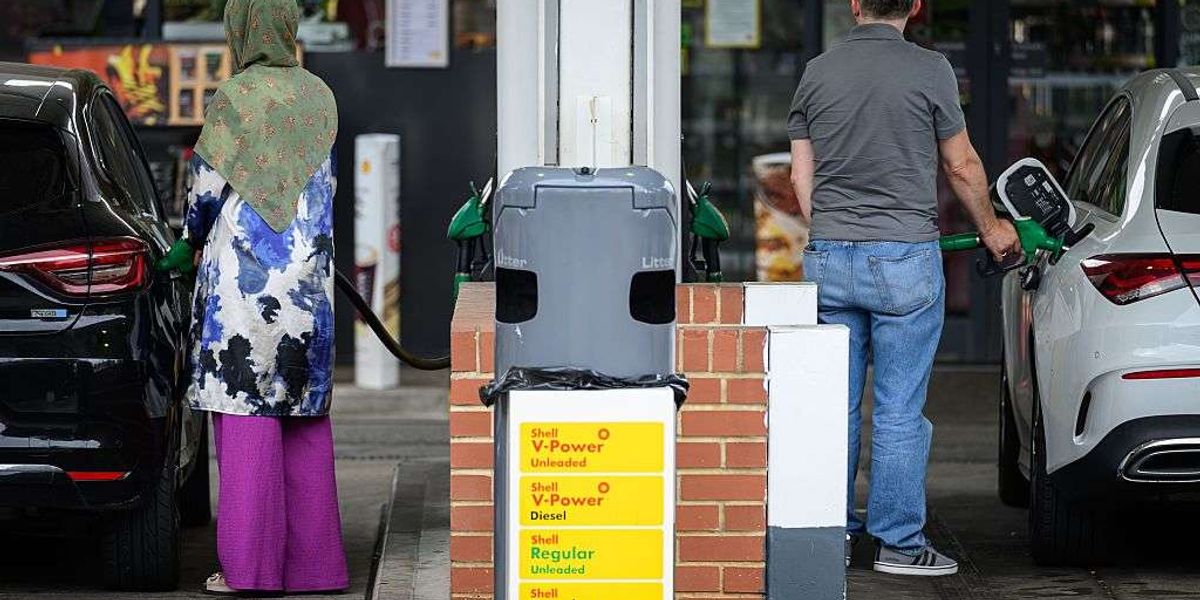
UK Inflation Climbs to 3.1% as Fuel Prices Rise
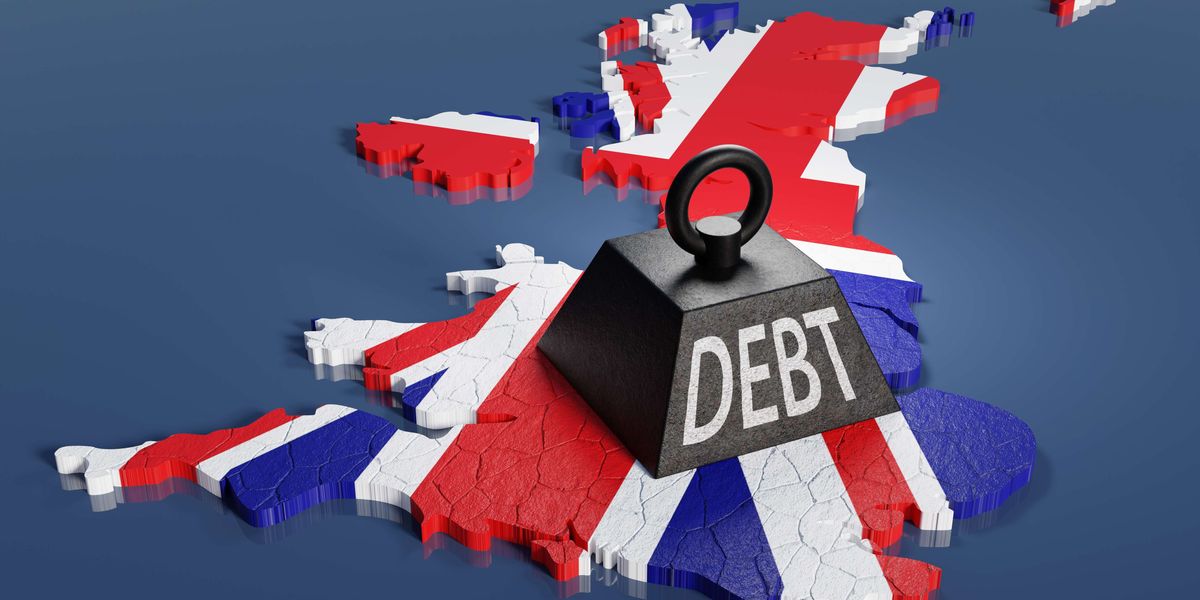
UK households face higher borrowing costs and energy bills

Slower UK Wage Growth Meets Rising Energy Costs
Iran Conflict Adds Nearly £10bn to Britain’s Energy Costs
War-Driven Gas Costs Set UK Energy Bills Higher
US Fed Raises Rates as RBI Faces Pressure to Follow

Wall Street Falls as Fed Signals Higher Rates Ahead

UK Leaders Burnham and Carney to Meet at Everton Match
