4 days ago
Iran Conflict Adds Nearly £10bn to Britain’s Energy Costs

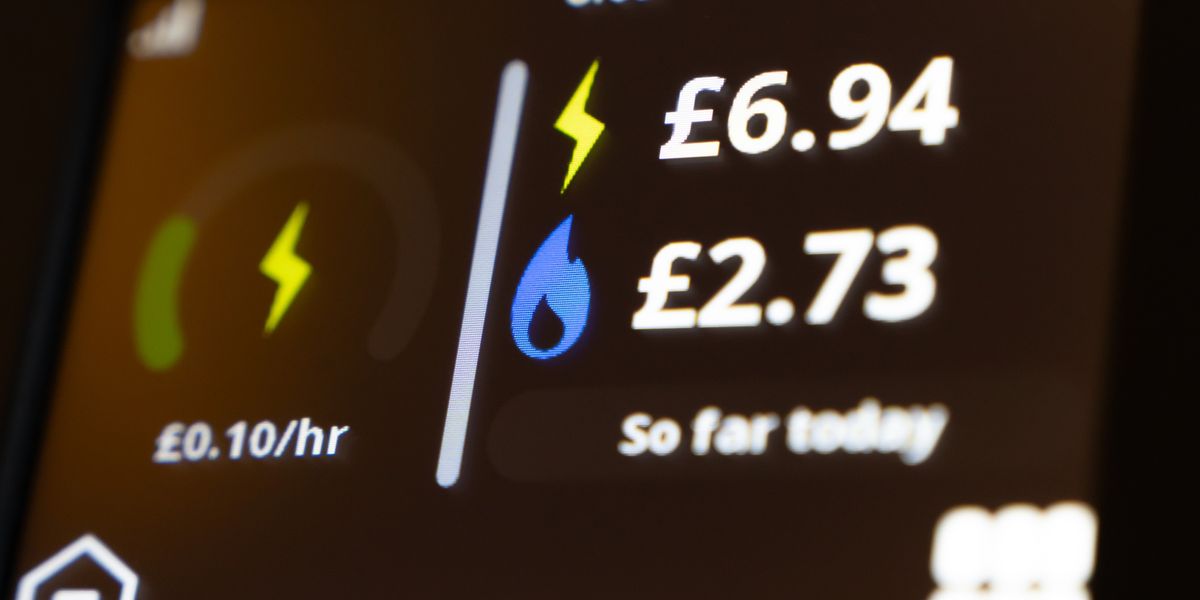
A conflict involving Iran and the United States has made oil and gas more expensive.
Britain buys energy in international markets, so these higher prices affect people there too.
Since February 28, the extra costs have reached nearly £10 billion.
Drivers have already paid more for petrol and diesel.
Gas and electricity bills may rise further next year.
Businesses and public services are also paying more for energy and fuel.
The longer the conflict continues, the more costs could increase.
The Energy and Climate Intelligence Unit says renewable energy and lower oil and gas use could reduce this risk in the future.

The Energy and Climate Intelligence Unit estimates the conflict has added £9.8bn to UK energy and road transport costs since February 28.
About £5bn is linked to higher gas and electricity costs, while £4.7bn has already been paid through higher road fuel prices.
Each additional week of conflict could add approximately £190m to gas and electricity costs and £183m to road fuel costs.
Average household road fuel spending has risen by about £76, while energy bills could increase by more than £160 next year if gas prices stay high.
Businesses, industry and the public sector are also facing higher costs, with around £200m in additional weekly energy and road fuel spending.
- Who
- UK households, motorists, businesses and public-sector users are affected; the estimates were produced by the Energy and Climate Intelligence Unit.
- What
- Higher oil and gas prices linked to the conflict have increased Britain’s energy and road transport costs by an estimated £9.8bn.
- Where
- The financial effects are being felt across the United Kingdom, despite the conflict occurring thousands of miles away.
- When
- The calculation covers price increases since February 28; further costs could accumulate each week and affect bills next year.
- Why
- Britain remains exposed to internationally traded oil and gas, allowing geopolitical disruption to raise domestic energy and transport costs.
Key facts
- Estimated total increase
- £9.8bn in UK energy and road transport costs since February 28
- Energy and electricity impact
- More than £5bn of the increase is linked to higher gas and electricity costs expected to feed into bills next year
- Road fuel impact
- Around £4.7bn has already been paid by motorists through higher petrol and diesel prices
- Weekly energy increase
- Each additional week of conflict could add about £190m to UK gas and electricity costs
- Weekly road fuel increase
- Road fuel costs are already approximately £183m higher per week
- Household fuel increase
- Average road fuel spending has risen by about £76 per household, or roughly 14 percent
- Potential energy bill increase
- Higher wholesale gas prices could add more than £160 to the average dual-fuel household bill next year
- Business and public-sector costs
- Non-household users could face about £100m more per week in gas and electricity costs and another £100m in road fuel costs
Sources
Related news
War-Driven Gas Costs Set UK Energy Bills Higher

UK Inflation Rises to 2.9% as Energy Bills Climb

India Faces $22.5 Billion Fossil Fuel Import Shock
Europe’s Gas Storage Faces Pressure as Middle East Conflict Escalates

Hormuz Crisis Adds $22.5 Billion to India’s Fossil-Fuel Bill

Global Economy Weathers Six Months of US-Israel War

Putin Faces Western Isolation While Russia Builds Non-Western Ties

England Leave Brydon Carse Out of Final Pakistan Test

UK Husband Faces Trial With 12 Men Over Alleged Abuse
India Needs a Unified Ministry to Strengthen Energy Security

India Replaces Sri Lanka as 2027 Women’s Champions Trophy Host