6 hrs ago
Pakistan Deploys Troops to Saudi Arabia Without Parliamentary Vote
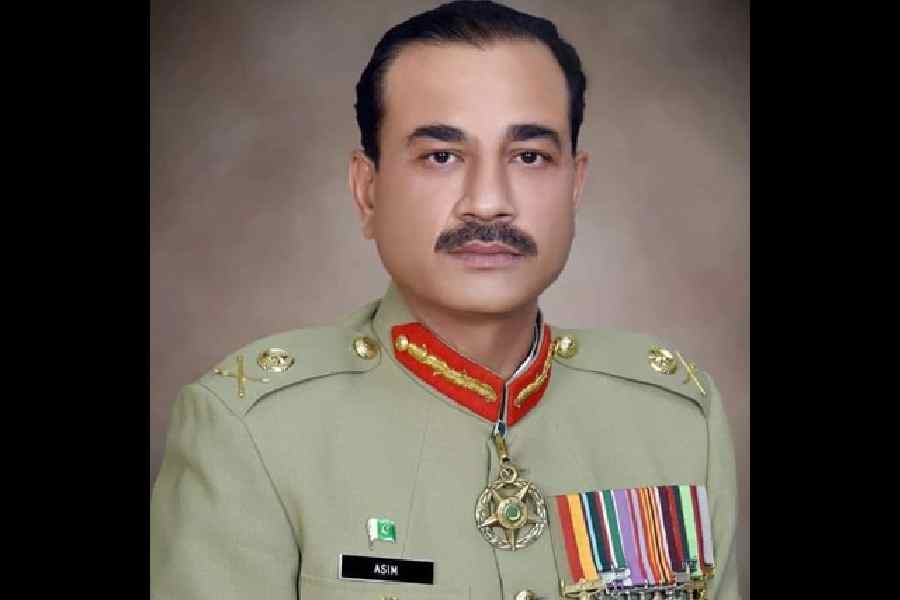
Pakistan has agreed to send more troops to Saudi Arabia.
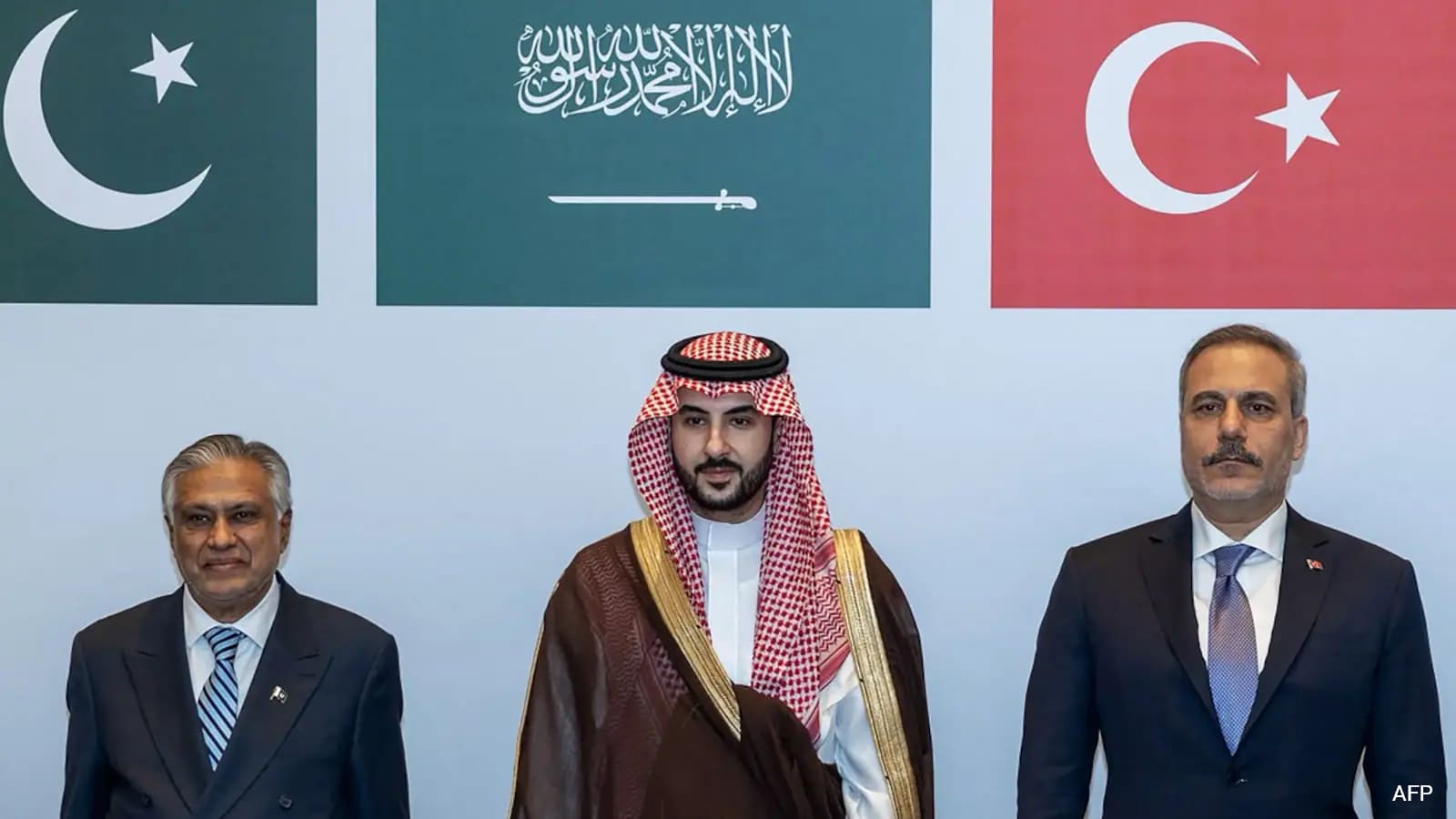
The decision uses a defence agreement involving Pakistan, Saudi Arabia, and Turkey.
Pakistan’s government says the required procedures were followed, but it has not said whether parliament approved the move.
The number of troops and their job have not been announced.
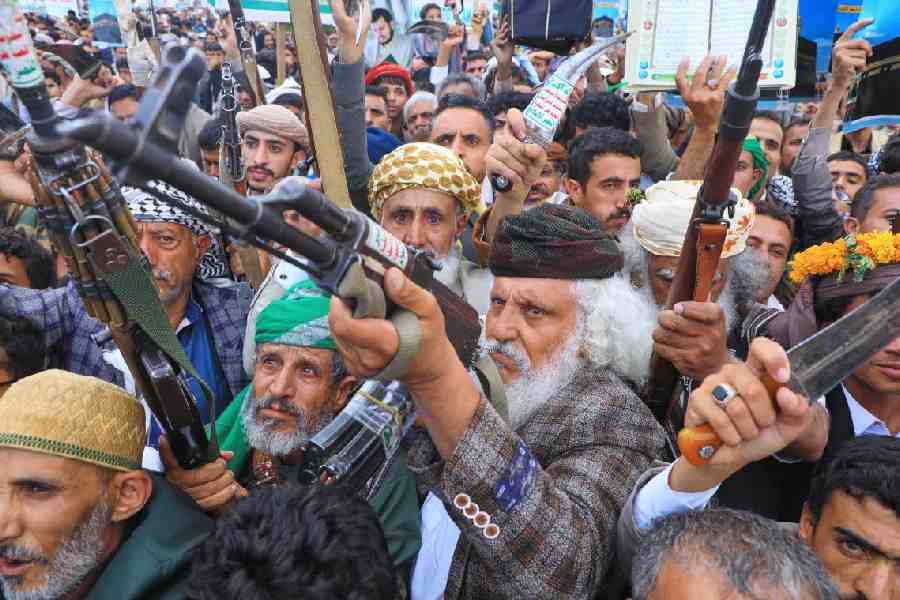
It is also unclear whether they will fight Yemen’s Houthi group.
In 2015, Pakistan’s parliament chose not to join a Saudi-led campaign in Yemen.
Some analysts say the new decision shows that the military has more influence over Pakistan’s foreign policy.
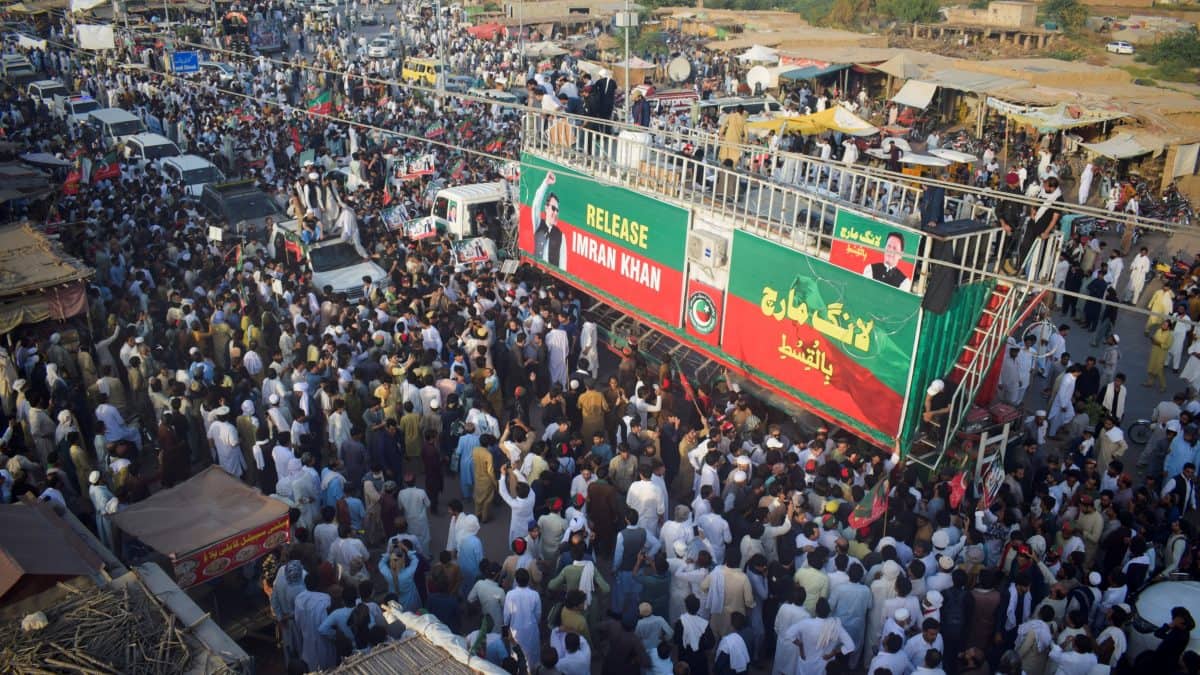
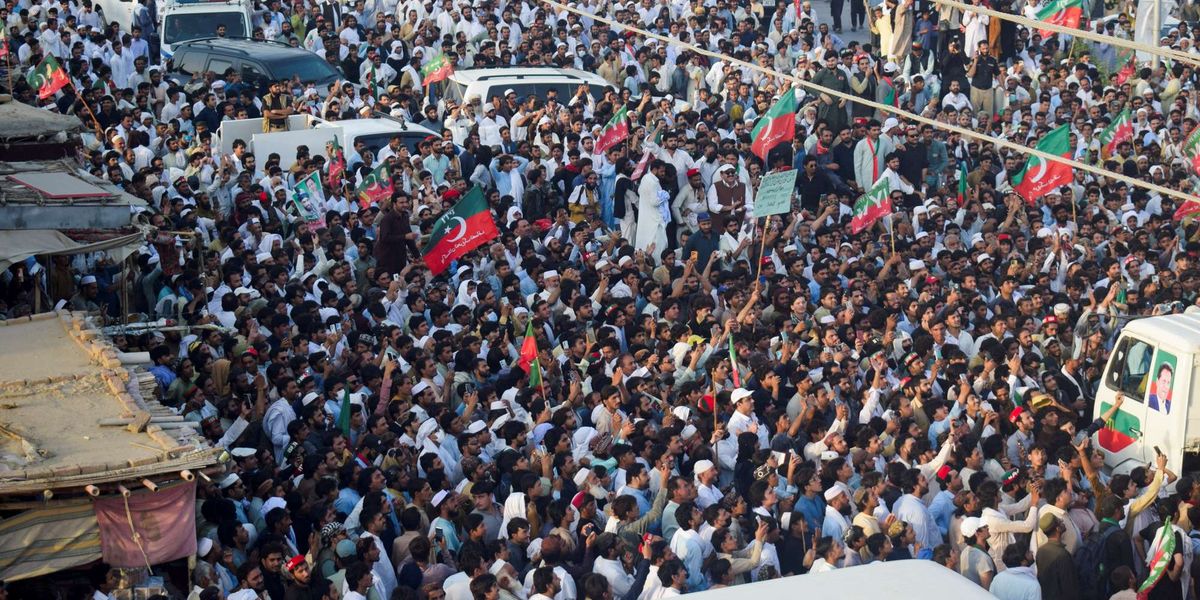
A spokesperson for Imran Khan’s party said the issue should be debated and decided carefully.

Pakistan agreed to rapidly deploy additional forces to Saudi Arabia under a defence arrangement with Saudi Arabia and Turkey.
The agreement was invoked for the first time on Monday, amid escalating Houthi attacks on Saudi targets.
Pakistan’s information ministry said necessary government procedures had been followed but did not specify whether parliament or the cabinet was involved.
Officials did not disclose troop numbers, missions, command arrangements, costs, or the deployment’s duration.
Analysts say the move reflects the military’s growing influence over foreign policy; Pakistan’s parliament voted in 2015 to keep the country neutral in the Yemen intervention.
- Who
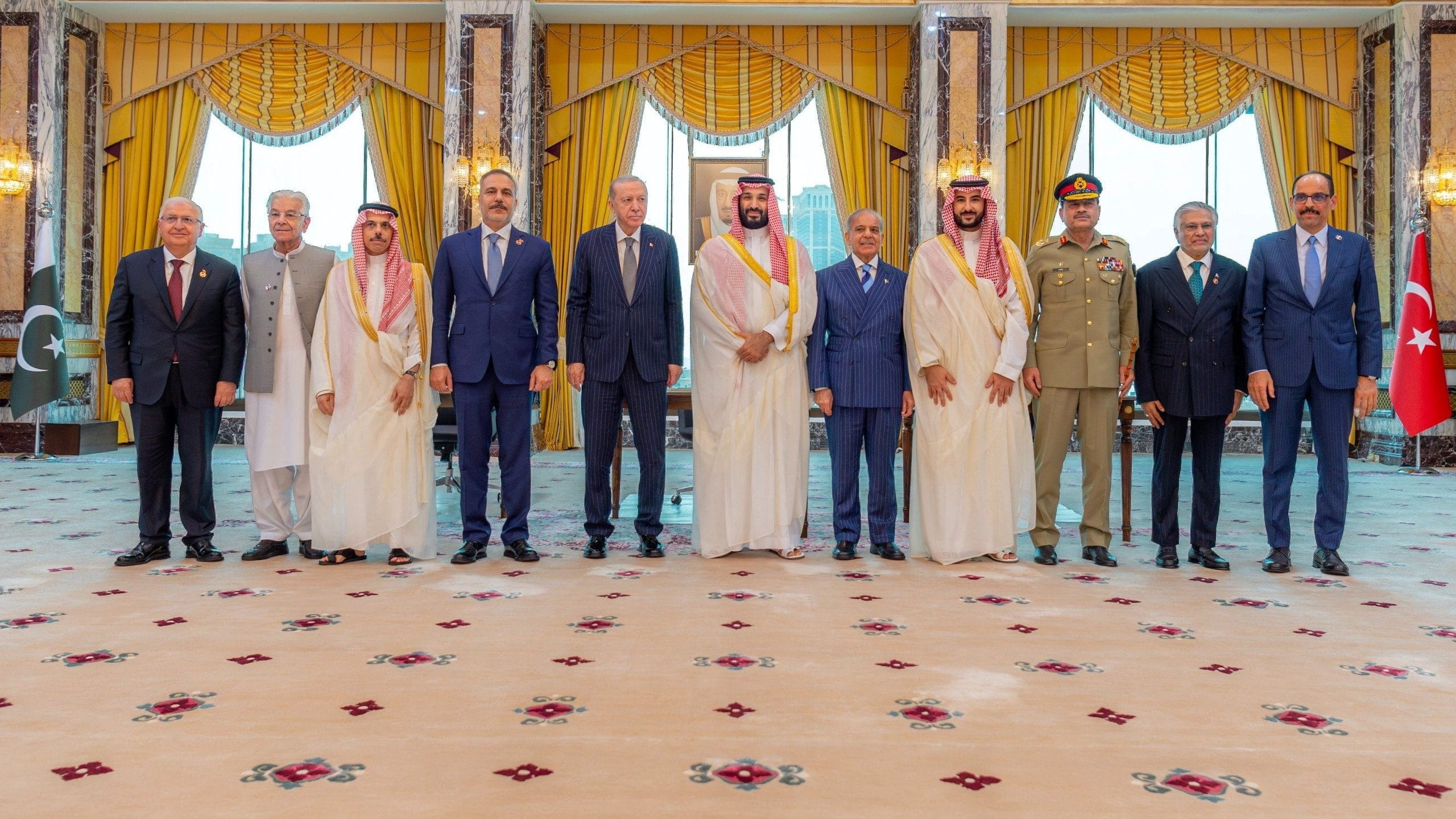
- Pakistan, Saudi Arabia, and Turkey; Field Marshal Asim Munir attended a meeting with Saudi and Turkish counterparts.
- What
- Pakistan agreed to rapidly deploy additional forces to Saudi Arabia under a defence arrangement.
- Where
- Saudi Arabia.
- When
- The arrangement was invoked on Monday; the article gives no calendar date.
- Why
- The three countries cited attempted attacks on Mecca and Medina and agreed to deploy forces and capabilities; the specific mission for Pakistani troops was not announced.
Support for government procedures
Calls for parliamentary debate
How the deployment was authorized
Support for government procedures
Pakistan’s information ministry said the alliance had gone through all necessary government procedures and described deployment details as operationally confidential.
Calls for parliamentary debate
The ministry did not clarify whether the cabinet or parliament was involved; a spokesperson for Imran Khan’s party said the issue should be debated and decided with political acumen.
Military influence and foreign commitments
Support for government procedures
The government has presented the relationship between Prime Minister Shehbaz Sharif and Field Marshal Asim Munir as supporting diplomatic gains; analysts note that constitutional authority over the armed forces belongs to the federal government.
Calls for parliamentary debate
Analysts say the deployment highlights the military’s growing role in foreign policy and warn that partners may strengthen its domestic position, while weak counterweights can make commitments difficult to correct.
Key facts
- Agreement
- A defence pact involving Pakistan, Saudi Arabia, and Turkey, signed in August, was invoked for the first time.
- Deployment details
- Troop numbers, missions, command arrangements, costs, and duration were not disclosed.
- Government statement
- Pakistan’s information ministry said necessary government procedures had been followed but did not say whether parliament or the cabinet was involved.
- Parliamentary precedent
- In 2015, Pakistan’s parliament unanimously voted for neutrality in the Yemen conflict while pledging to defend Saudi territory and holy sites.
- Earlier troop deployment
- Reuters reported that Pakistan had sent about 8,000 troops to Saudi Arabia by May under a 2025 Saudi-Pakistani pact.
- Possible Houthi involvement
- It is unclear whether Pakistani troops will take part in operations against the Houthis.
Quotes
Michael Kugelman
Resident senior fellow for South Asia at the Atlantic Council.
“There were times in the past when Pakistan's parliament would vote not to send troops, and the military would abide by that decision. But it's a different era now.”
 telegraphindia.com
“Partners do not create Pakistan's civil-military imbalance, but they can reward it.”
telegraphindia.com
Sources
Related news
Pakistan Yemen Deployment Plan Draws Warnings of Wider Conflict
Report: Pakistan Weighs Sending Up to 25,000 Troops to Saudi Arabia
Pakistan and Turkey Agree to Rapid Troop Deployment to Saudi Arabia
Saudi Arabia, Pakistan and Türkiye Activate Makkah Defence Pact

Pakistan and Turkey Offer Saudi Support, Not Immediate Combat Troops

Saudi Pact Risks Pulling Pakistan Into Wider Middle East War

Peshawar High Court Seeks Afridi’s Response Over March Resources
Imran Khan’s Imprisonment Exposes Pakistan’s Deeper Power Struggle

October 6 School Assembly Bulletin: National, World, Sports and Education
Imran Khan Supporters March as Pakistan Blocks Islamabad Entry