2 days ago
Imran Khan’s Imprisonment Exposes Pakistan’s Deeper Power Struggle
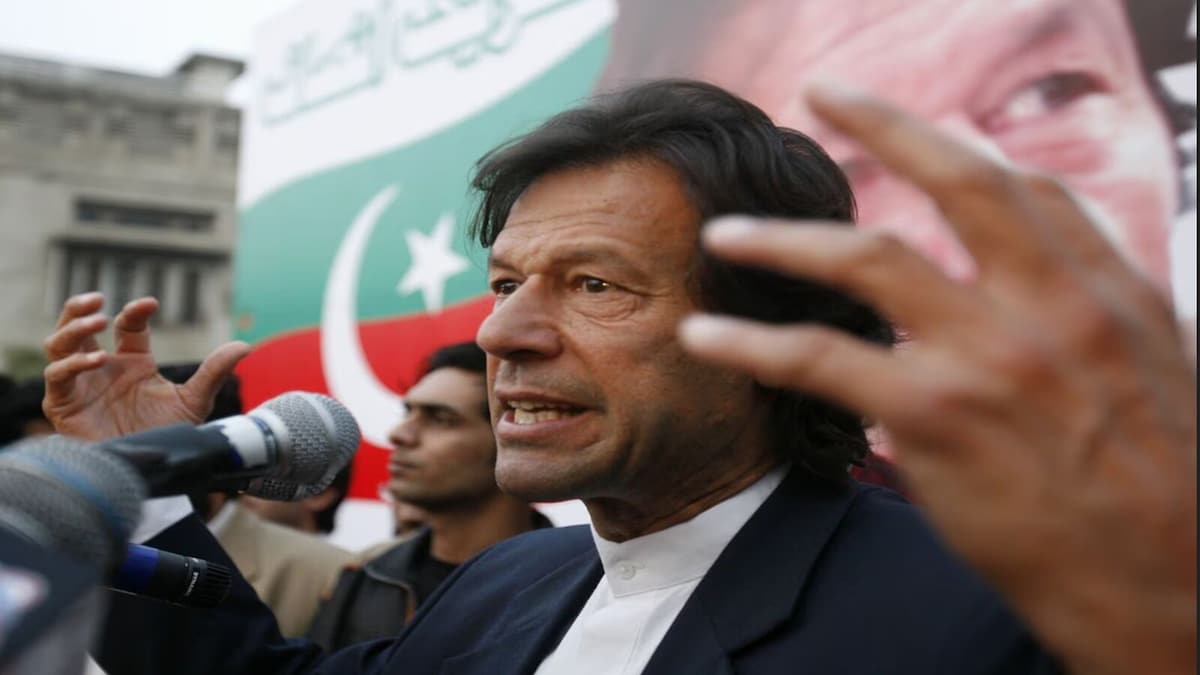
Pakistan’s army has had a lot of influence over the country’s civilian leaders.
Imran Khan once became prime minister while working within that political system.
Later, he argued with the military leadership and lost power after a vote in parliament.
He and his supporters then protested against the way the country was being run.
Authorities have blocked roads, made arrests and restricted some protests.
Khan’s family says he has been mistreated in prison, but the government disputes the torture claims.
Pakistan’s Supreme Court ordered him to be moved to a hospital.
The article says the bigger question is whether people across Pakistan can protest and take part in politics freely.

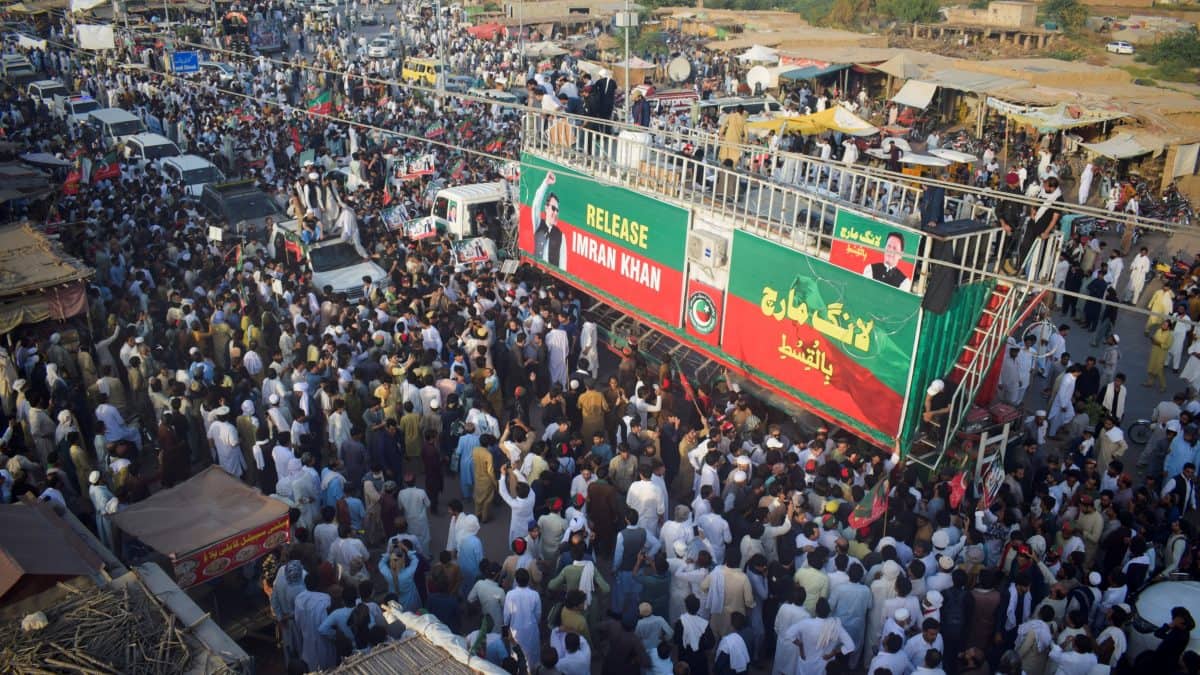
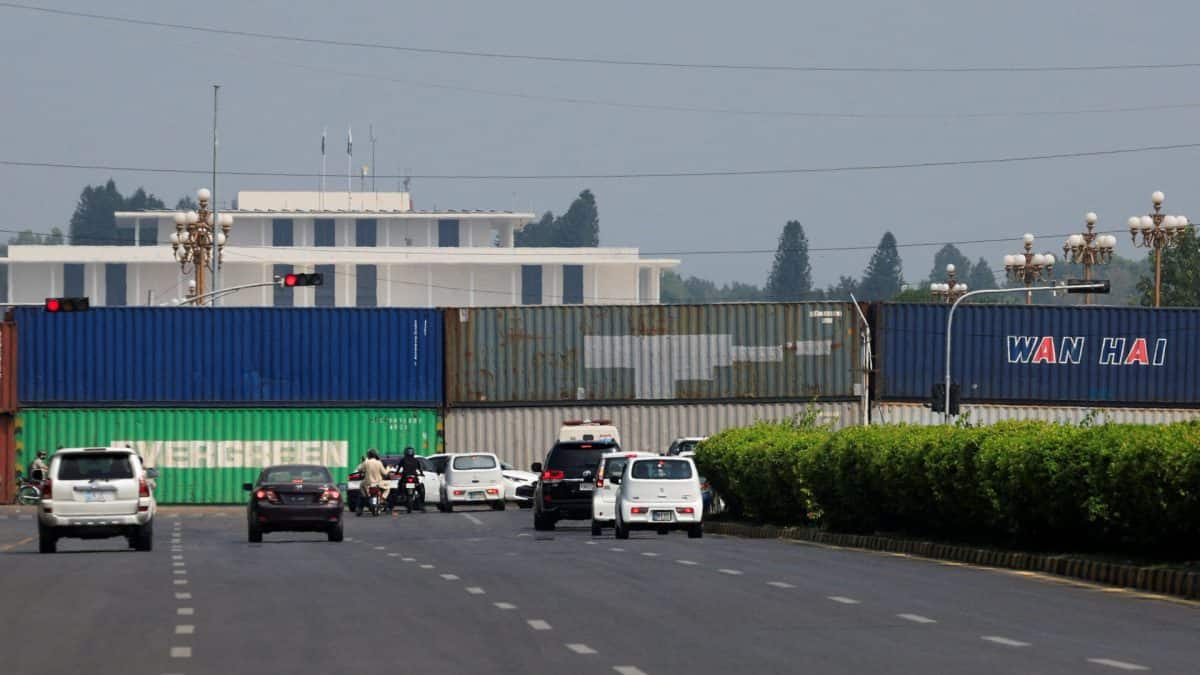
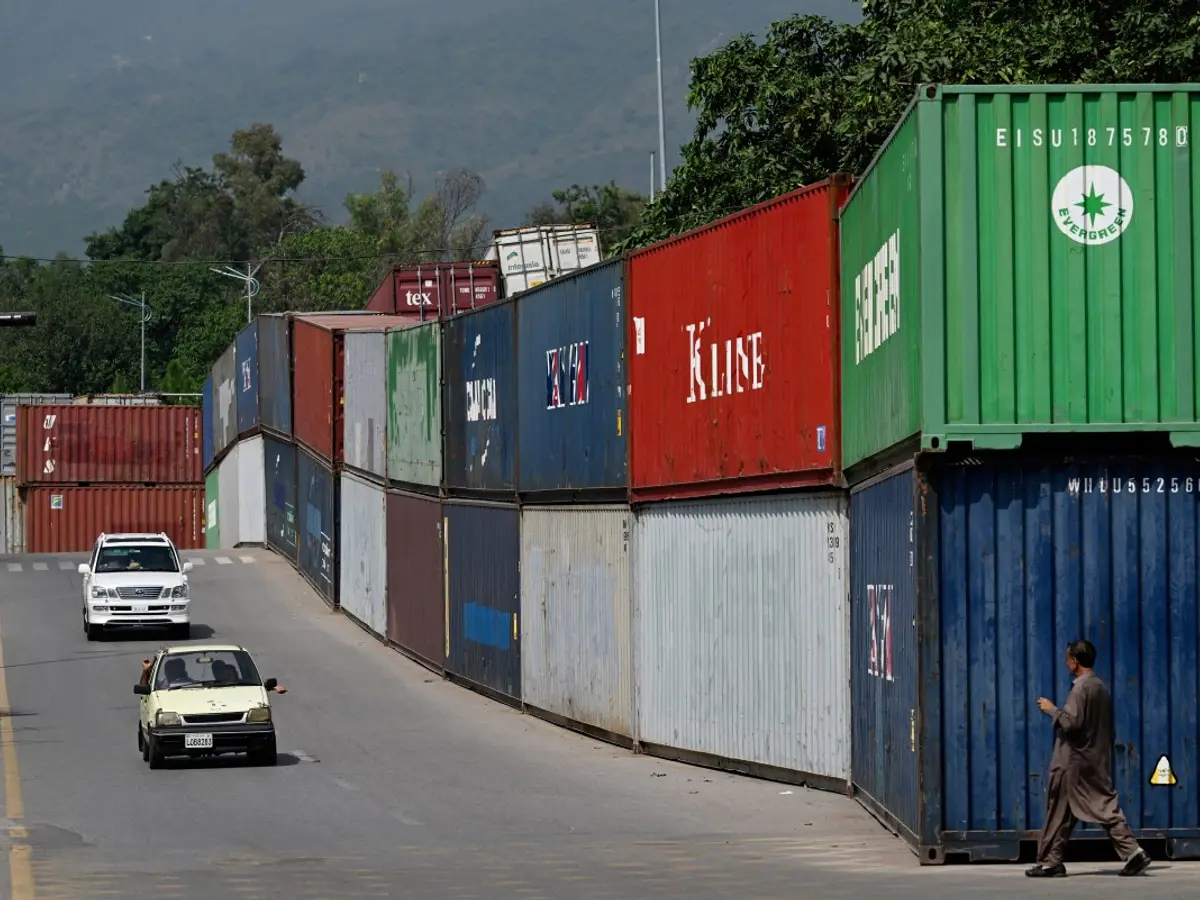
Authorities blocked roads, placed containers and detained PTI members ahead of a march seeking access to Imran Khan and his release; the march was postponed until October 4.
The article traces Khan’s break with the military establishment to disputes over appointments and control, including the 2021 dispute over the ISI chief.
Khan’s government fell in April 2022 after a parliamentary no-confidence vote; the article says the vote was constitutional.
The article argues that Khan’s imprisonment has highlighted the military’s influence over civilian politics and restrictions on opposition activity.
Khan’s family has alleged mistreatment and inadequate medical care; the government disputes the torture allegations, and Pakistan’s Supreme Court ordered his transfer to hospital.
- Who
- Former Prime Minister Imran Khan, his Pakistan Tehreek-e-Insaf (PTI) supporters, and Pakistan’s military and civilian authorities.
- What
- A planned PTI march seeking access to Khan and his release was postponed after authorities blocked routes and detained party members; the article frames this as part of a wider struggle over military influence and civilian politics.
- Where
- Islamabad, Pakistan, with discussion of political events elsewhere in the country.
- When
- The planned march was postponed until October 4; the article also describes political developments from 2021 onward and protests in 2023 and 2024.
- Why
- PTI supporters were demanding access to Khan and his release; the article argues that the dispute reflects deeper questions about military power, political rights and protest.
Criticism of state actions
Authorities’ and security concerns
Treatment of Khan in prison
Criticism of state actions
Khan’s sister and lawyers have raised allegations of torture, limited human contact, eyesight problems and inadequate access to independent medical care.
Authorities’ and security concerns
The Pakistani government disputes the torture allegations; the article does not provide a detailed government response to all the other concerns.
Restrictions on protests
Criticism of state actions
The article argues that preventive arrests, roadblocks and broad restrictions can be used to control political opposition and should not criminalise peaceful political activity.
Authorities’ and security concerns
Protesters were also accused of violence; police personnel were killed and injured during unrest, and specific crimes may be prosecuted.
Key facts
- Planned march
- A PTI march demanding access to Imran Khan and his release was postponed until October 4.
- Khan’s removal from office
- His government lost a parliamentary no-confidence vote in April 2022.
- Dispute with military leadership
- The article cites a 2021 confrontation over the timing of replacing intelligence chief Faiz Hameed.
- May 9, 2023
- After Khan’s arrest, protesters attacked military installations, according to the article.
- 2024 protests
- The article describes arrests, blocked roads and communications restrictions during protests in Islamabad.
- Health concerns
- Khan’s family and lawyers raised concerns about his health and access to independent medical care.
- Court order
- Pakistan’s Supreme Court ordered Khan’s transfer to hospital, citing his fundamental right to health and safety.
Sources
Related news
Pakistan's PTI Protest Highlights Military-Civilian Power Struggle in Pakistan
Imran Khan Supporters March as Pakistan Blocks Islamabad Entry
Pakistan Fortifies Islamabad as PTI Marches for Imran Khan
Pakistan Locks Down Capital Ahead of Imran Khan Protest March
Imran Khan Supporters Revive Islamabad March After Talks Fail
Pakistan Political Talks Fail, PTI Keeps October 4 March

Supreme Court Seeks Former High Court Chief Justice Panel
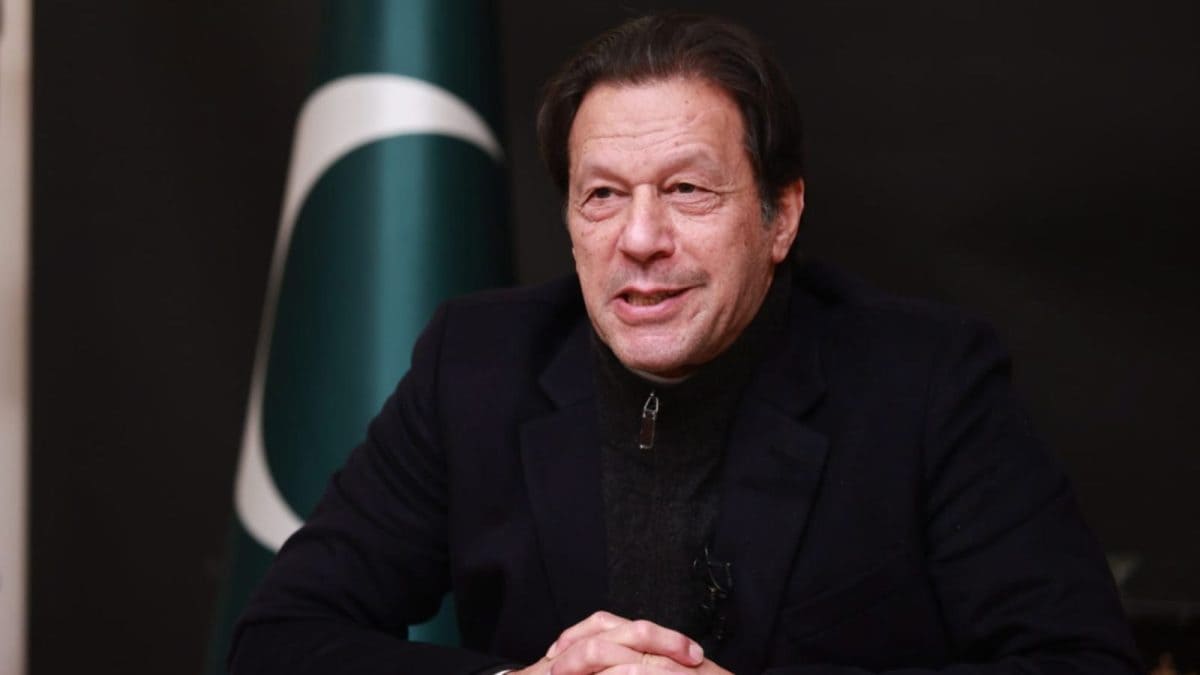
Imran Khan Receives Jail Medical Check Amid Health Concerns
Pakistan Supreme Court Suspends Lawyer Couple’s Social Media Sentences
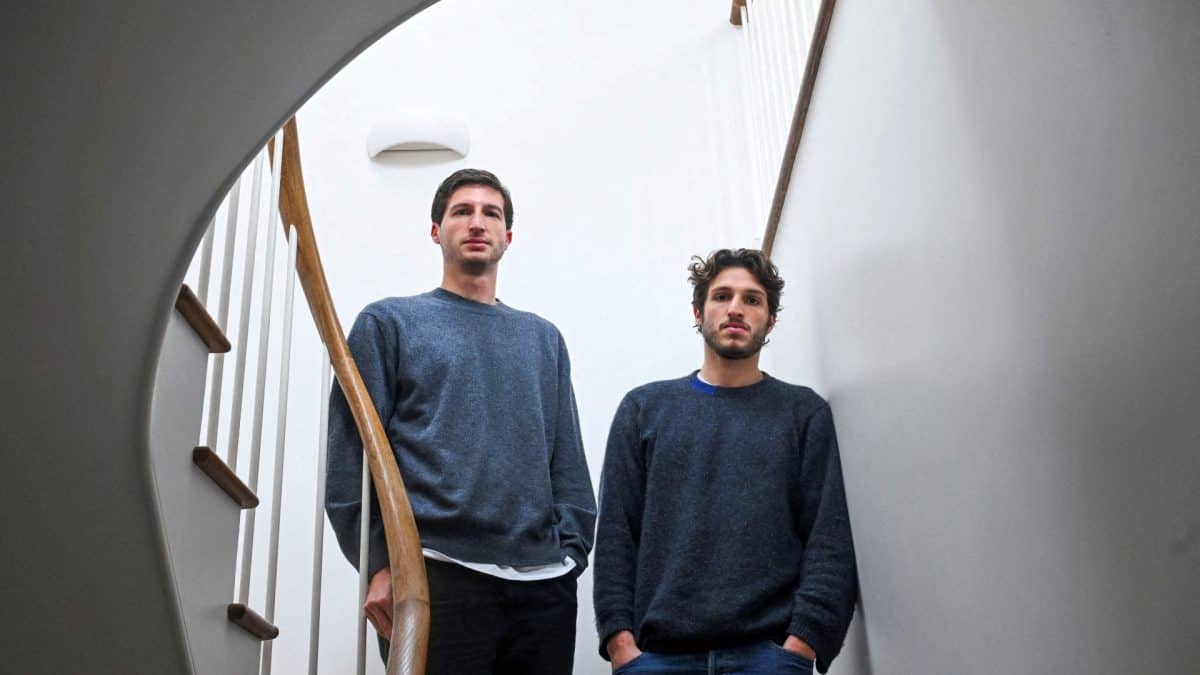
Imran Khan’s Sons Accuse Army Chief of Personal Vendetta