2 days ago
Pakistan Yemen Deployment Plan Draws Warnings of Wider Conflict
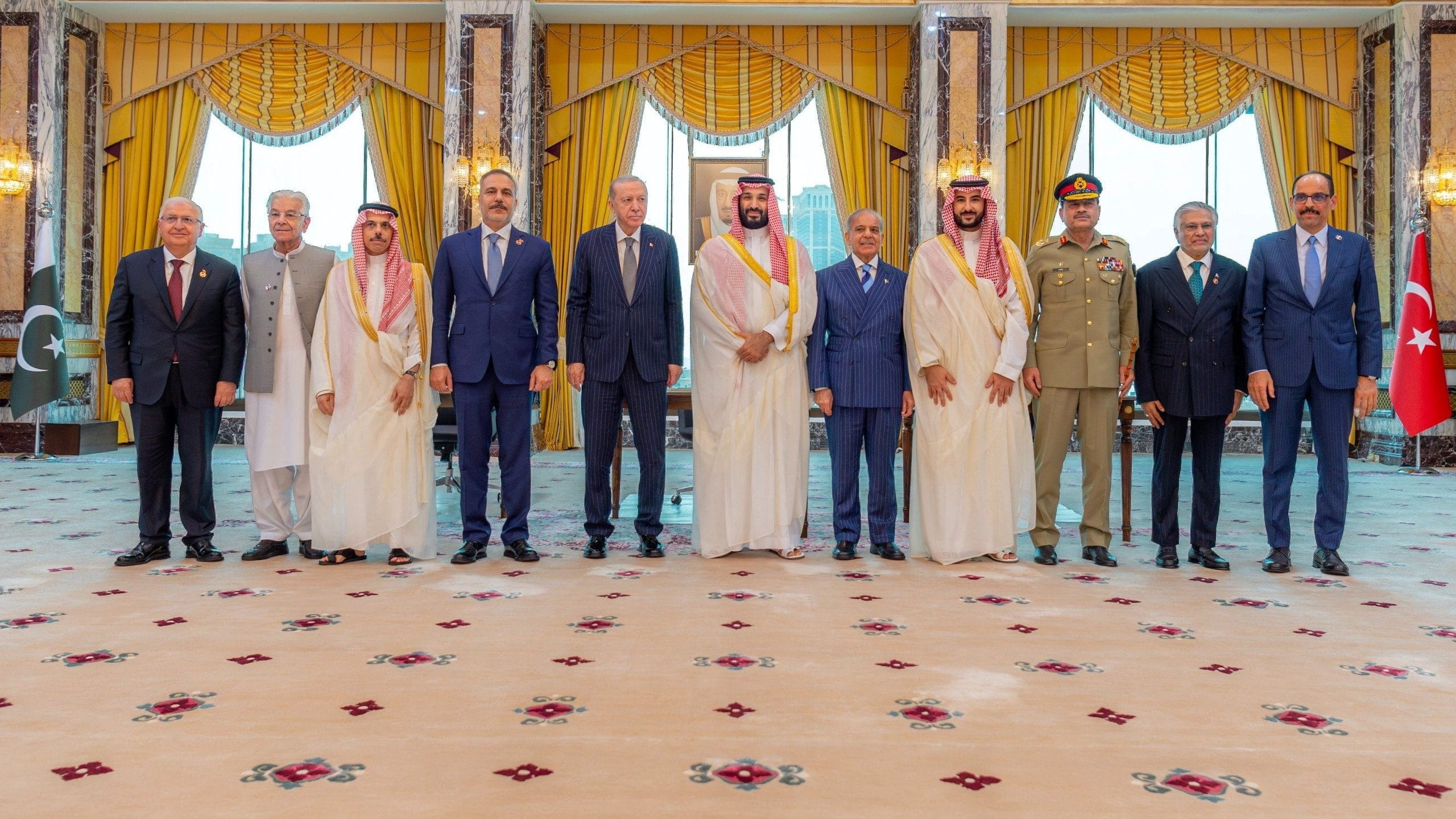
Pakistan reportedly said it would send troops to Yemen to oppose the Houthi forces.
The announcement was described as part of a security arrangement involving Saudi Arabia and Turkey.
Many Pakistani commentators are worried that the move could pull the country into a long and dangerous war.
Some warn that troops could face difficult terrain and serious supply problems.
They also fear that Pakistan’s involvement could worsen tensions with Iran.
In 2015, Pakistan’s Parliament rejected a Saudi request for military help in Yemen and chose neutrality.
Critics say Parliament and the public should discuss any new deployment.
The Nation newspaper urged diplomacy and talks instead of deeper involvement.
The article gives little detail about arguments from people who support sending troops.

Pakistan reportedly announced plans to deploy troops in Yemen against the Houthi offensive.
The move was described as part of collective deterrence involving Saudi Arabia and Turkey.
Critics warn of a prolonged conflict, risks to troops, and possible tensions with Iran.
Analysts cite Yemen’s rugged terrain and the logistical demands of sustaining a force.
In 2015, Pakistan’s Parliament unanimously chose neutrality after debating a Saudi military request.
- Who
- Pakistan, with Saudi Arabia and Turkey named in the reported collective-deterrence arrangement.
- What
- Pakistan reportedly announced plans to deploy troops in Yemen against the Houthi offensive.
- Where
- Yemen.
- When
- Monday; the article does not specify a date.
- Why
- The deployment was described as part of collective deterrence and support for Saudi security.
Critics urge restraint
Supporters cite collective deterrence
Deploying troops in Yemen
Critics urge restraint
Critics warn that a deployment could pull Pakistan into a prolonged conflict, expose its troops to attack, and heighten tensions with Iran. They say any commitment should be debated publicly or in Parliament.
Supporters cite collective deterrence
The reported plan presents deployment as part of collective deterrence involving Saudi Arabia, Pakistan, and Turkey, and as support for Saudi security.
How to respond to the conflict
Critics urge restraint
The Nation editorial and other commentators urge restraint, diplomacy, and renewed negotiations with Yemen’s warring parties rather than involvement in the civil war.
Supporters cite collective deterrence
The reported rationale is to counter the Houthi offensive through collective action; the article does not provide a detailed argument from deployment supporters.
Key facts
- Reported announcement
- Pakistan said it would deploy troops in Yemen against the Houthi offensive, according to the article.
- Reported framework
- The announcement was described as following an emergency meeting under the Mecca Joint Defence Agreement.
- Countries named
- Saudi Arabia, Pakistan, and Turkey were identified as participants in collective deterrence.
- Saudi defence spending
- Estimated at $83.2 billion for 2025, ranking eighth globally, according to the article.
- Pakistan official defence budget
- Approximately $10.8 billion for fiscal year 2026–27, nearly 16% above the previous year's revised allocation.
- Pakistan SIPRI-based estimate
- Approximately $11.9 billion, or about 2.91% of GDP, including items such as military pensions and paramilitary forces.
- 2015 precedent
- Pakistan's Parliament unanimously voted to remain neutral after debating a Saudi request for troops, warplanes, and warships.
Quotes
The Nation editorial board
Editorial board of The Nation, an English-language Pakistani newspaper.
“Pakistan must push for engagement with Yemen’s warring parties and renewed political negotiations. Otherwise, the alliance risks turning its first major challenge into its first quagmire.”
 theprint.in
“This war can only be ended by pressuring the US to permanently cease its assault on Iran.”
theprint.in
Sources
Related news

Saudi Pact Risks Pulling Pakistan Into Wider Middle East War
Report: Pakistan Weighs Sending Up to 25,000 Troops to Saudi Arabia
Houthis Warn Pakistan, Turkey Against Saudi-Linked Military Intervention

Pakistan and Turkey Offer Saudi Support, Not Immediate Combat Troops

Saudi Arabia, Pakistan and Türkiye Activate Makkah Defence Pact
Pakistan Denies Reports Its Jets Struck Iran-Backed Houthis in Yemen

Houthi Airport Strikes Escalate Saudi-Yemen Conflict

India Seeks Flexibility and Climate Finance Ahead of COP31

Houthi Attacks Disrupt Riyadh Flights as Regional Tensions Escalate

Kochi-Riyadh Flights Cancelled After Riyadh Airport Security Disruption