

1 week ago
Saudi Pact Risks Pulling Pakistan Into Wider Middle East War

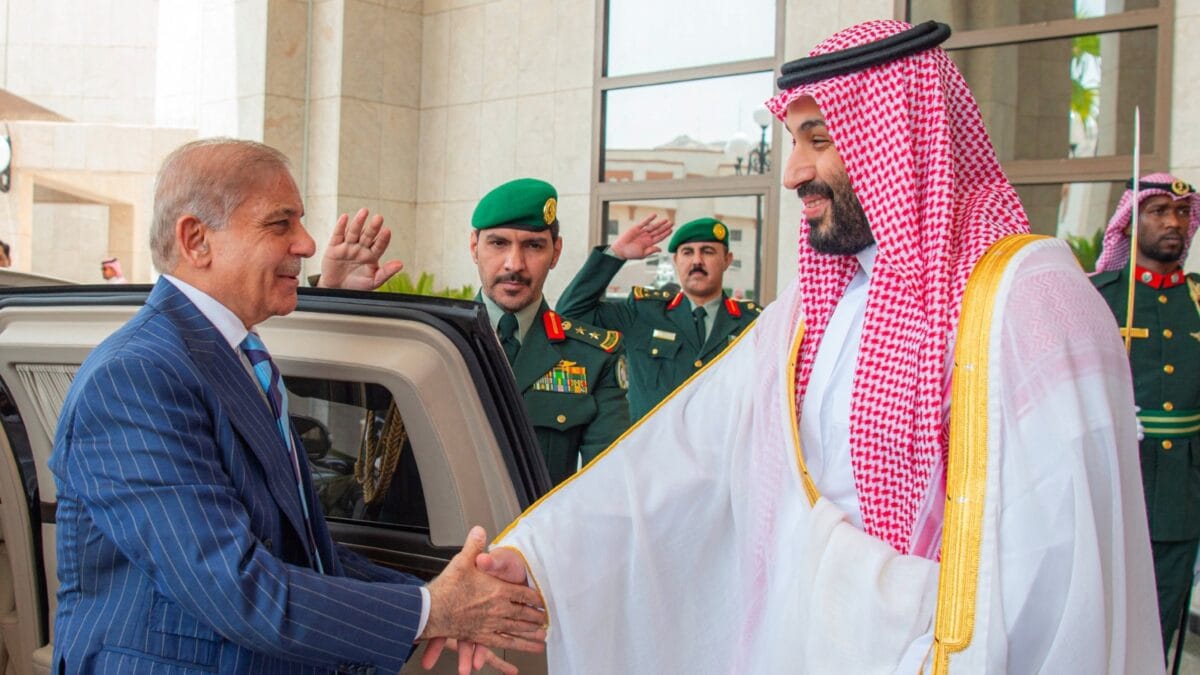
Pakistan has a defence agreement with Saudi Arabia.
Under the agreement, Pakistan gets financial help and trains Saudi forces.
In return, Pakistan may have to help defend Saudi Arabia.
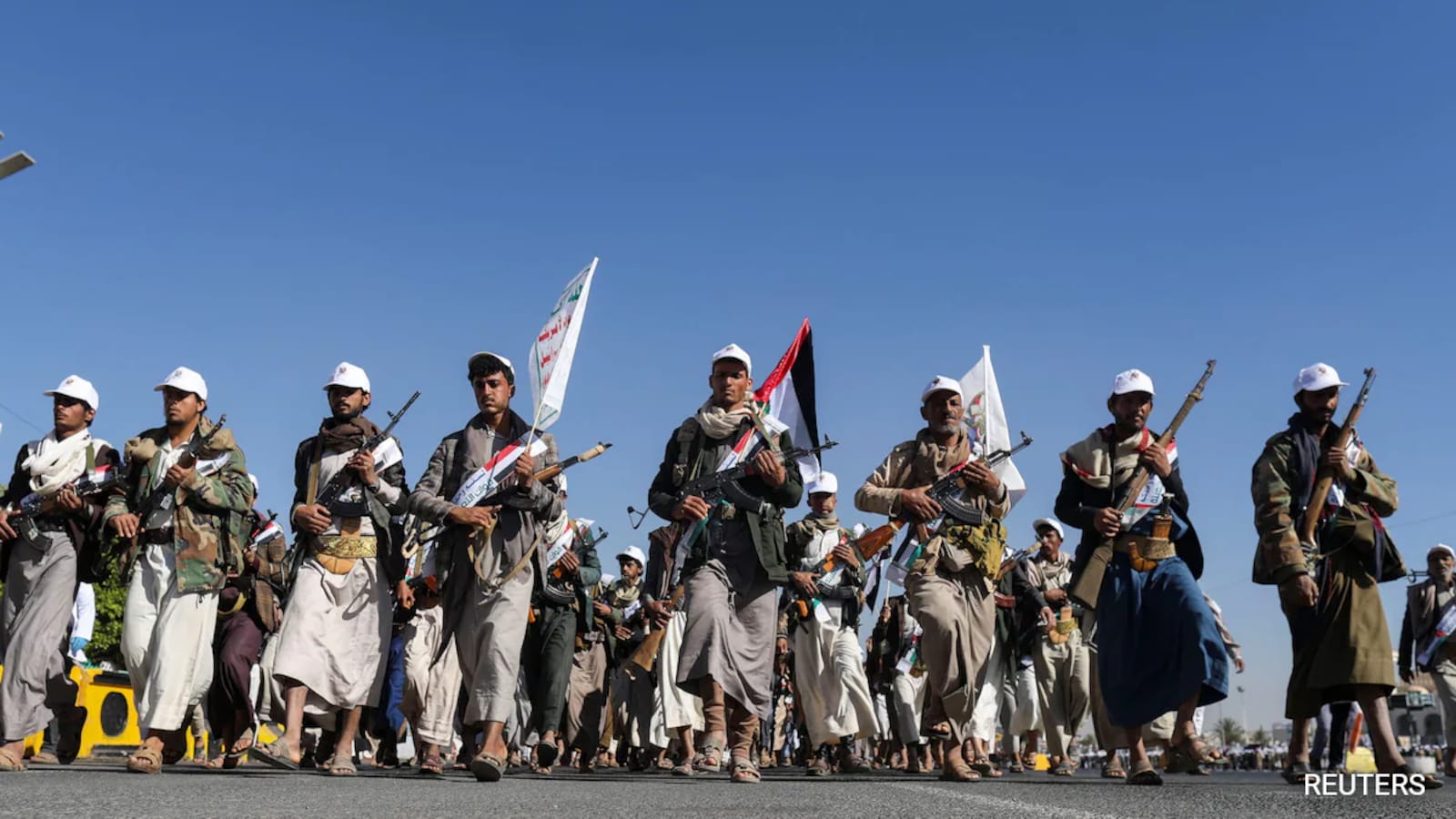
Saudi Arabia is fighting tensions with the Houthis, a group backed by Iran.
The Houthis have attacked Saudi territory with missiles and drones.
Saudi Arabia has answered with airstrikes in Yemen.
This could force Pakistan to send soldiers into another conflict.
Pakistani critics say the country is already dealing with violence and economic problems.

Pakistan’s defence pact with Saudi Arabia could pressure it to join military action against the Houthis.
The agreement provides Pakistan with Saudi investments and loans in exchange for training and defence support.
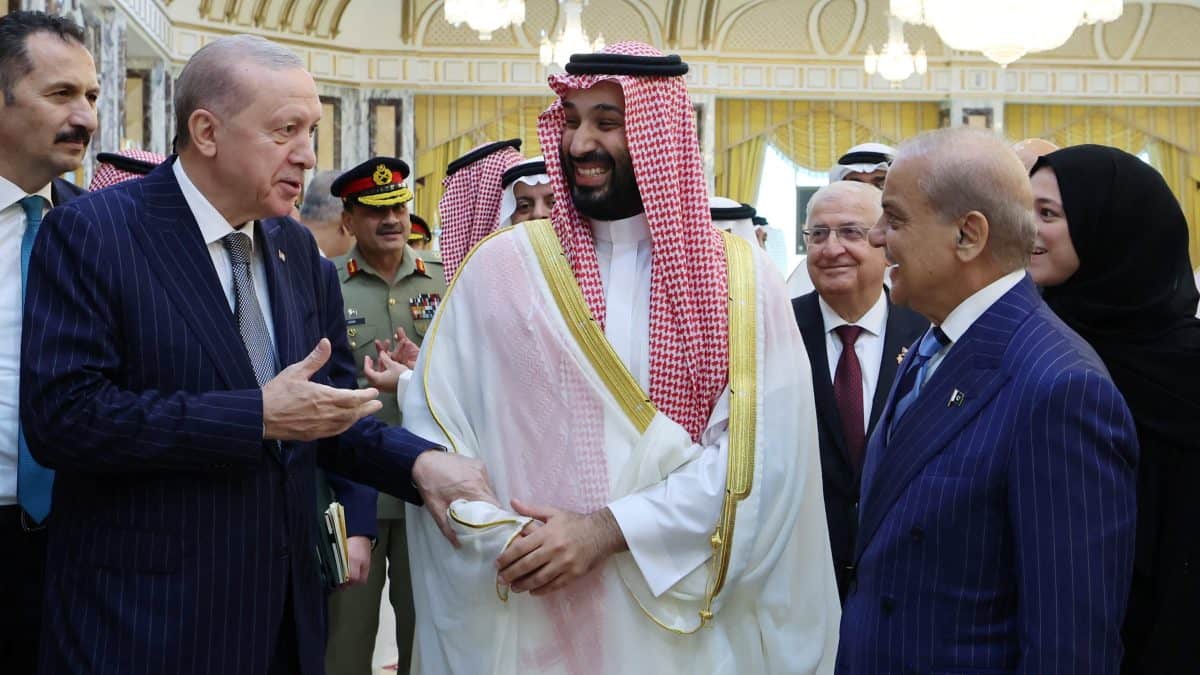
The pact was expanded in August to include Turkey, treating an attack on one country as an attack on all three.
Saudi-Houthi tensions worsened after a fragile truce collapsed and Saudi Arabia launched airstrikes in Yemen.
Pakistani officials and opposition figures fear involvement could worsen domestic security, economic, and regional problems.
- Who
- Pakistan, Saudi Arabia, Turkey, the Houthi movement, and Iran are central to the situation; Field Marshal Asim Munir is under pressure over Pakistan’s commitments.
- What
- A Saudi-Pakistani defence pact, later expanded to include Turkey, could draw Pakistan into Saudi Arabia’s conflict with the Houthis.
- Where
- The agreement was signed in Riyadh, while the potential conflict centers on Saudi Arabia, Yemen, and the wider Middle East.
- When
- The original agreement was signed last September and expanded in August; the latest escalation followed the collapse of a Saudi-Houthi truce.
- Why
- Saudi Arabia may seek Pakistani military support against the Houthis, while Pakistan depends on Saudi financial assistance and security cooperation.
Pact Supporters
Pact Critics
Strategic and economic benefits
Pact Supporters
The pact could strengthen Pakistan’s strategic relationship with Saudi Arabia and bring investments, loans, and other financial support.
Pact Critics
Pakistan’s economic dependence on Saudi Arabia could pressure Islamabad to accept military risks it did not originally intend to take.
Military involvement
Pact Supporters
Pakistan’s forces have extensive experience handling security threats and could provide valuable support to Saudi Arabia, which lacks direct warfare experience against the Houthis.
Pact Critics
Deploying Pakistani troops could pull the country into a wider war and force it to take a position against Iran.
Domestic security
Pact Supporters
Supporting Saudi Arabia could help preserve an important defence and financial partnership.
Pact Critics
Opposition leader Raja Nasir Abbas warned that entering the war would be disastrous because Pakistan already faces two insurgencies, economic difficulties, and rising inflation.
Key facts
- Original agreement
- Saudi Arabia would provide Pakistan with billions of dollars in investments and loans, while Pakistan would train Saudi forces and help defend the kingdom.
- Expanded pact
- The agreement was expanded in August to include Turkey and renamed the Mecca Joint Defence Agreement.
- Mutual-defence provision
- An armed attack on any one of the three countries would be treated as an attack on all three.
- Saudi financial support
- Saudi Arabia has recently provided Pakistan with $8 billion in funds and investments.
- Potential deployment
- Pakistan could face pressure to deploy troops, including personnel already stationed in Saudi Arabia for training.
- Latest escalation
- Saudi Arabia said its air defences intercepted and destroyed a Houthi drone south of Mecca.
Quotes

Raja Nasir Abbas
Opposition leader in Pakistan’s Senate
“I don’t think Asim Munir properly calculated the threats the region was facing - and that Pakistan might need to put its troops on the line quite so soon.”
 thehansindia.com
“It will be a disaster for the country if Pakistan jumps into war.”
thehansindia.com
Sources
Related news

Pakistan Rules Out Immediate Military Action After Houthi Attacks

Pakistan Struggles to Balance Saudi Alliance and Iran Mediation
Report: Pakistan Weighs Sending Up to 25,000 Troops to Saudi Arabia
Saudi Allies Face Questions Over Mecca Defence Pact

Pakistan Warns Iran as Houthi Attacks Escalate in Saudi Arabia
Pakistan Hesitates as Houthi Attack Tests Mecca Defence Pact

Trump Team’s Camp David Meeting Comes Amid Iran, Gulf Tensions

RBI Governor Warns War or Cyberattack Could Trigger Financial Crisis
Man Released on Bail in Fairford Air Base Investigation

Young Sailors Adapt Aboard Carrier Amid Iran War
Putin Proposes New India-Russia Trade Routes Amid Hormuz Risks
