44 mins ago
BRICS Summit Delivers Declaration and Modi-Xi Confidence-Building Meeting

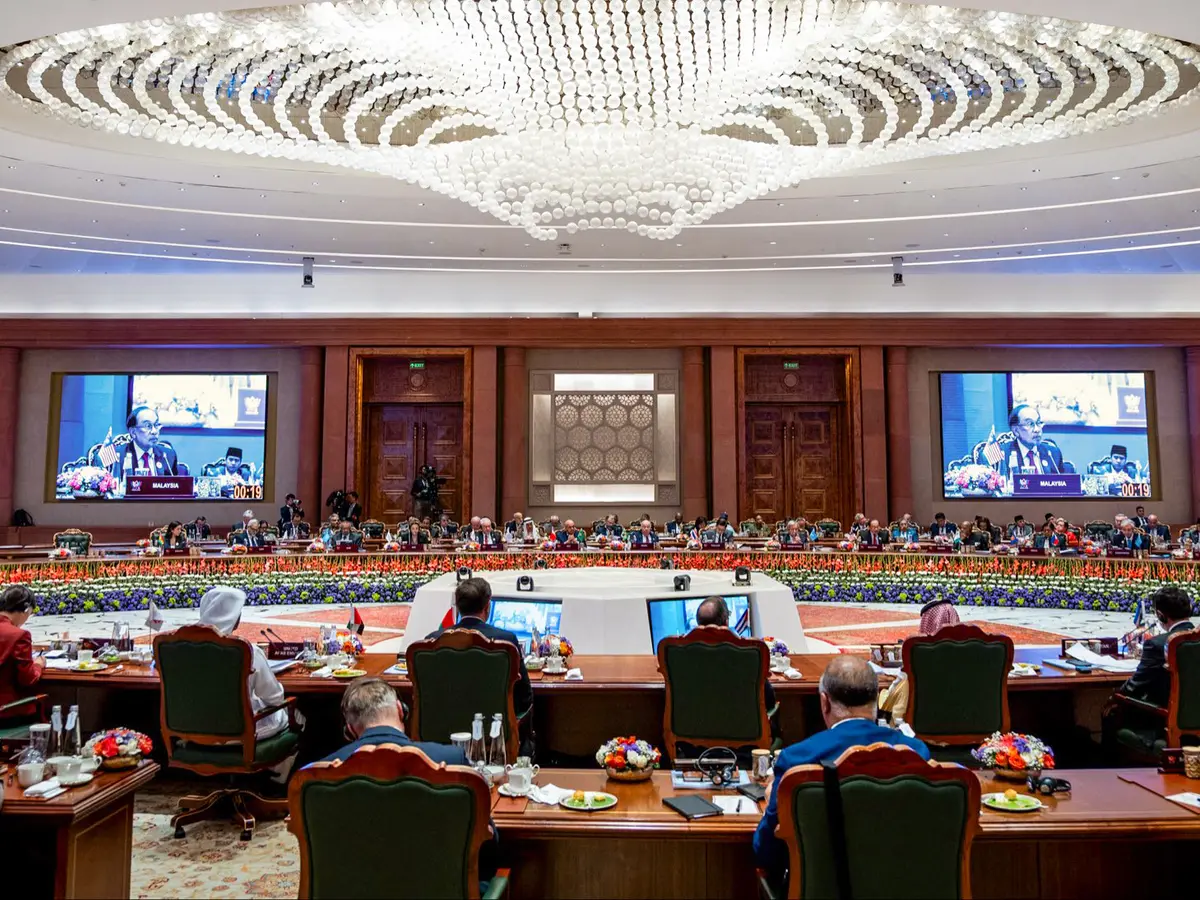
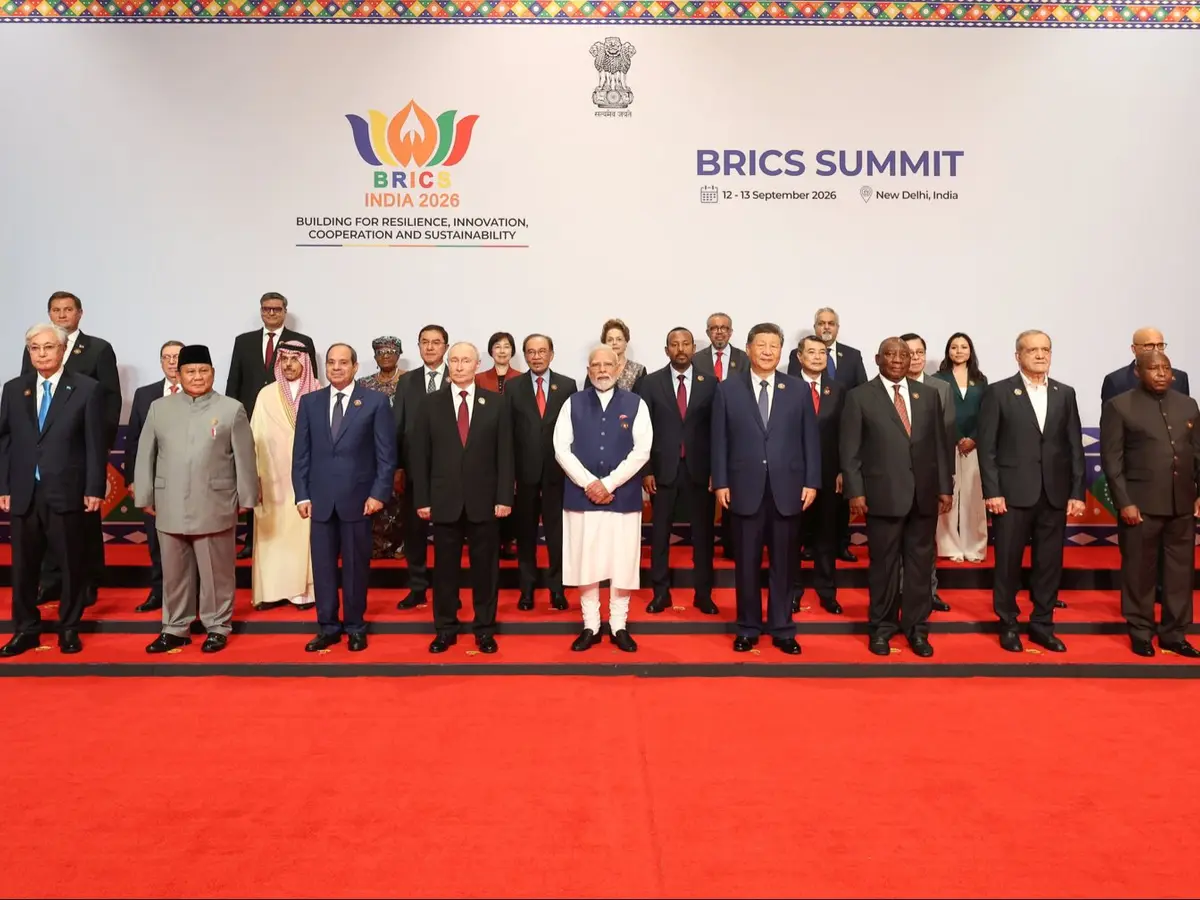
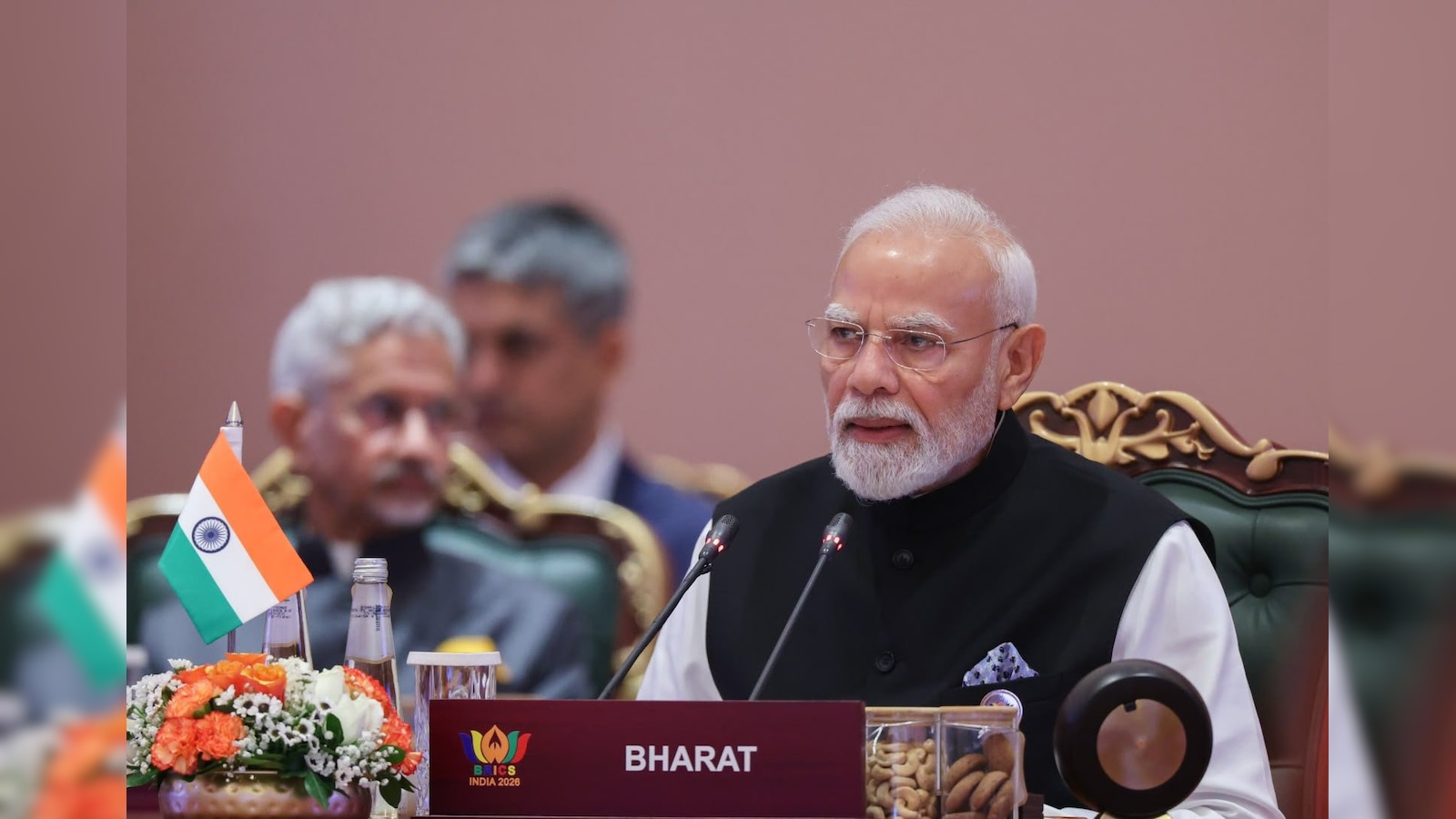
India hosted a meeting of the BRICS countries in New Delhi.
The countries agreed on a long declaration about several world issues.
They especially worked hard to agree on words about the conflict in West Asia.
Iran and the United Arab Emirates had different positions, but both accepted the final wording.
The declaration asked countries to show restraint and avoid making the conflict worse.
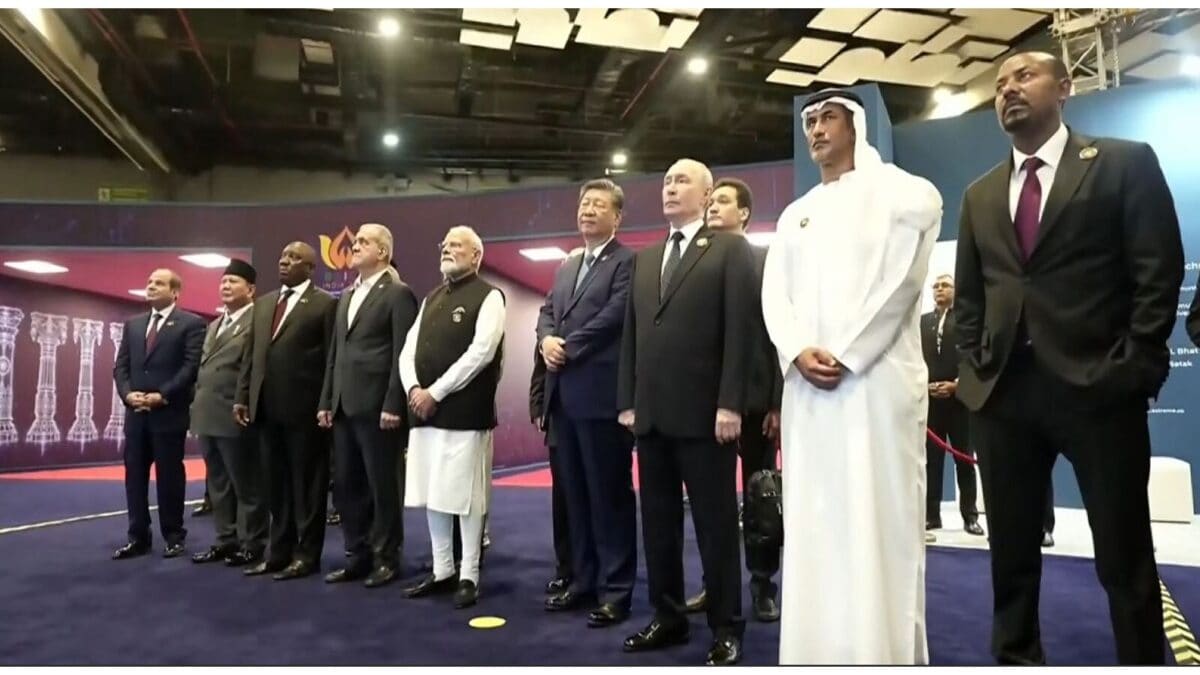
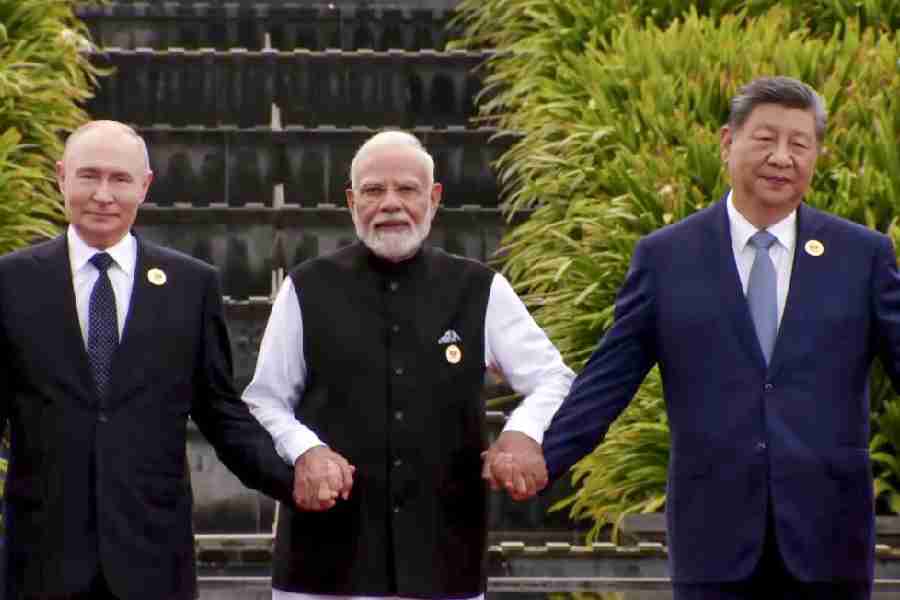
Narendra Modi also met Chinese President Xi Jinping for 50 minutes.
They discussed improving relations, trade and their long-running border disagreement.
Xi said China and India should cooperate instead of treating each other as enemies.
Modi also asked Russian President Vladimir Putin to use talks and diplomacy to end the war in Ukraine.

Indian diplomats secured unanimous BRICS agreement on a 140-point declaration addressing the West Asia conflict.
The declaration called for restraint and avoided naming any country responsible for the regional tensions.
Prime Minister Narendra Modi and Chinese President Xi Jinping held a 50-minute meeting focused on stabilizing ties, the border dispute and trade.
Xi described China and India as cooperation partners rather than rivals, while the article urged India to remain cautious toward Beijing.
Modi also met Russian President Vladimir Putin and urged dialogue and diplomacy to end the Ukraine conflict.
- Who
- Indian Prime Minister Narendra Modi, BRICS leaders, Chinese President Xi Jinping and Russian President Vladimir Putin were central participants.
- What
- BRICS members adopted a unanimous New Delhi Declaration, while Modi held bilateral meetings with Xi and Putin.
- Where
- The summit and the bilateral meetings described took place in New Delhi.
- When
- The declaration was agreed on the first day of the summit; the Modi-Xi meeting took place on Saturday.
- Why
- Indian diplomats sought consensus on the West Asia conflict, while Modi’s bilateral meetings addressed India’s relationships with China and Russia.
Engagement and Cooperation
Caution and Strategic Risks
India-China relations
Engagement and Cooperation
The third consecutive annual meeting between Modi and Xi was presented as another step toward confidence-building and stabilizing relations.
Caution and Strategic Risks
The article cautioned that India should not blindly trust China because of its alleged aggression, expansionism and disregard for bilateral agreements.
BRICS West Asia declaration
Engagement and Cooperation
Avoiding blame and emphasizing restraint allowed Iran and the United Arab Emirates to support a unanimous declaration despite their opposing positions.
Caution and Strategic Risks
The need to avoid naming any country reflected the deep sensitivities and divisions among BRICS members over the conflict.
India-Russia engagement
Engagement and Cooperation
Modi’s longstanding rapport and strategic trust with Putin give him an opportunity to speak plainly about the Ukraine conflict.
Caution and Strategic Risks
Modi used the meeting to press Putin to end hostilities and give dialogue and diplomacy a chance, indicating continuing disagreement over the conflict.
Key facts
- Declaration
- The 45-page New Delhi Declaration contained 140 points.
- West Asia wording
- It expressed deep concern about escalating tensions, urged maximum restraint and did not assign blame to a specific country.
- Consensus
- India secured agreement from all BRICS members, including Iran and the United Arab Emirates.
- Modi-Xi meeting
- The meeting lasted 50 minutes and focused on bilateral relations, the border dispute and trade.
- Leadership meetings
- Modi also met Russian President Vladimir Putin on the summit’s margins.
- Future summit
- Modi and Putin are scheduled to hold their annual summit later this year in Russia.
Quotes
An Indian official
An Indian official who discussed the negotiations over the BRICS declaration anonymously
“We had to do a balancing act…otherwise it would not have been possible to reach a consensus”
 thestatesman.com
Sources
Related news
India Secures Unanimous BRICS Declaration After Overnight Diplomacy
BRICS Reaches New Delhi Consensus Despite Iran-UAE Divisions
BRICS Leaders Unite on West Asia, Terrorism and Trade

BRICS Sherpas Seek Consensus as West Asia War Deepens
BRICS Summit Shows Expanded Bloc Can Still Reach Consensus

BRICS Reaches Reported Consensus After India-Led Talks Until 4 AM
Congress Questions BRICS Declaration Over Border, Terrorism Omissions
Xi Jinping Unveils AI and Trade Plans for Greater BRICS

Dipke Mocks Yadav Government Over Balaghat Child Deaths

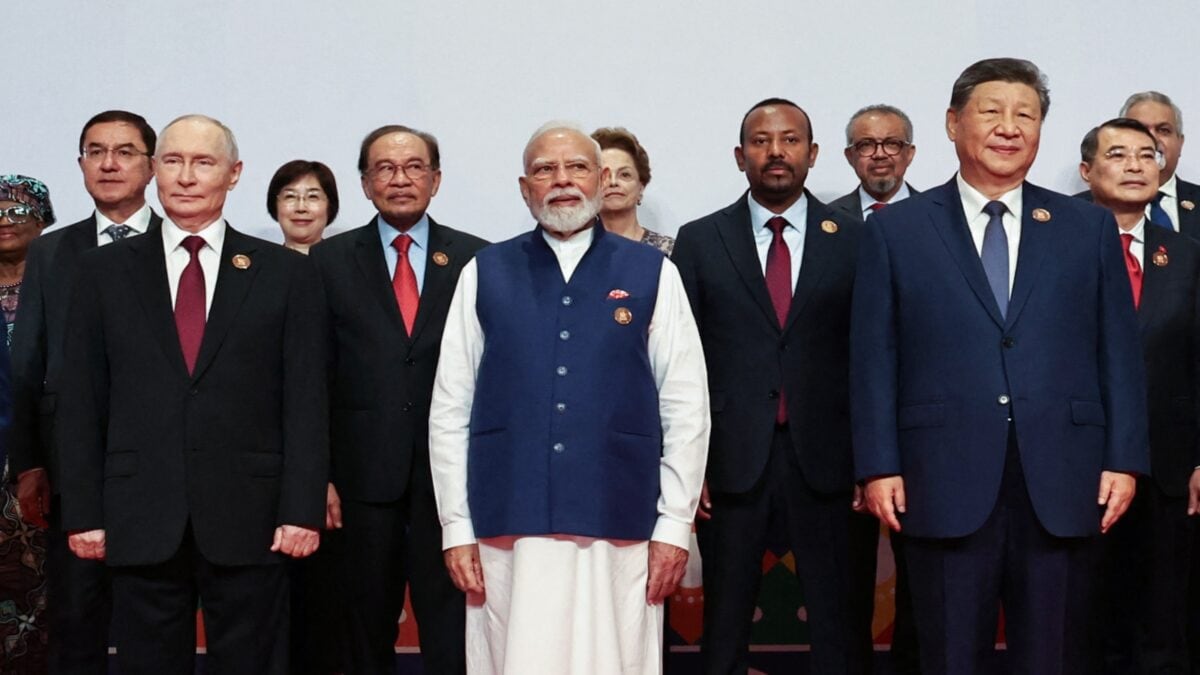
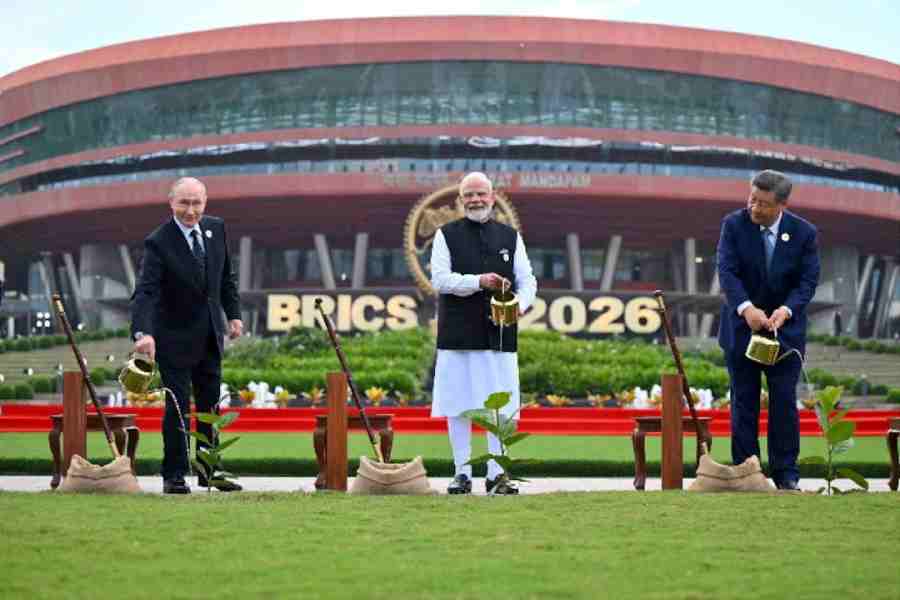
BRICS Summit Features Modi, Xi and Putin in Key Moments